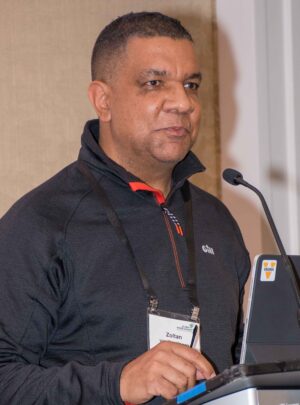
Zoltan van Heyningen
WASHINGTON — The US Lumber Coalition supports Canada’s decision to drop its appeal of the second administrative review of the antidumping order in the trade case against unfairly traded softwood lumber imports from Canada. This step finalizes the total antidumping liability for Canadian softwood lumber producers who dumped their product into the US market in 2019. …“With the conclusion of this appeal, Canadian lumber producers will now owe US taxpayers an additional $236 million. That liability reflects the high level of dumping that occurred in 2019 and sets the stage for a total estimated payment of $760 million once the anti-subsidy portion of that review is completed,” stated Zoltan van Heyningen, Executive Director of the U.S. Lumber Coalition. To date, Canadian softwood lumber producers have paid an estimated $7.2 billion in duties as a result of their unfair trade practices, the majority of which will be liquidated into the US Treasury.
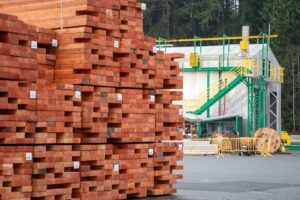 Shortly after Prime Minister Carney’s announcement of $500-million to help Canada’s softwood-lumber industry decrease its reliance on the hostile US market, BC’s Forestry Minister offered a modest target of 10%. …History suggests, however, that even that degree of market diversification stands to be an uphill battle. …While there have been modest inroads in China and Japan, diversification has mostly proved quixotic − partly because the proximity of the massive US housing market, for which there is not enough lumber harvested stateside to serve, has been a disincentive to reach further….Rick Doman, chair BC’s Forestry Innovation Investment board − mentioned South Korea, Vietnam, India, Australia, Britain. …Canada Wood Group president Bruce St. John describe it as a painstaking process involving promotional efforts, direct engagement with local governments on building codes and standards, and expertise-building for industry. …To succeed, particularly amid growing softwood-export competition from Europe especially, will require steady focus through and perhaps beyond the Trump era. [to access the full story a Globe & Mail subscription is required]
 VANCOUVER ISLAND — Over 3 months later, 105 forestry workers are still on the picket lines this week after walking off the job June 6, and it doesn’t look like they expect to be going back to work anytime soon. …“I didn’t think we’d get to this point,” said United Steelworkers’ Jason Cox. …The union says the company wants to contract out jobs but La-kwa sa muqw Forestry says that’s not the case, it just wants to give new employees the choice. Operations manager Greg DeMille said, “They are demanding that we agree to mandatory union certification. And so with that and the fact we can’t agree to that because we feel it impacts employee’s rights to choose and has an impact to First Nations rights to free, prior and informed consent. …The union says it respects First Nation rights but insists this should be considered a “normal labour dispute” and nothing else.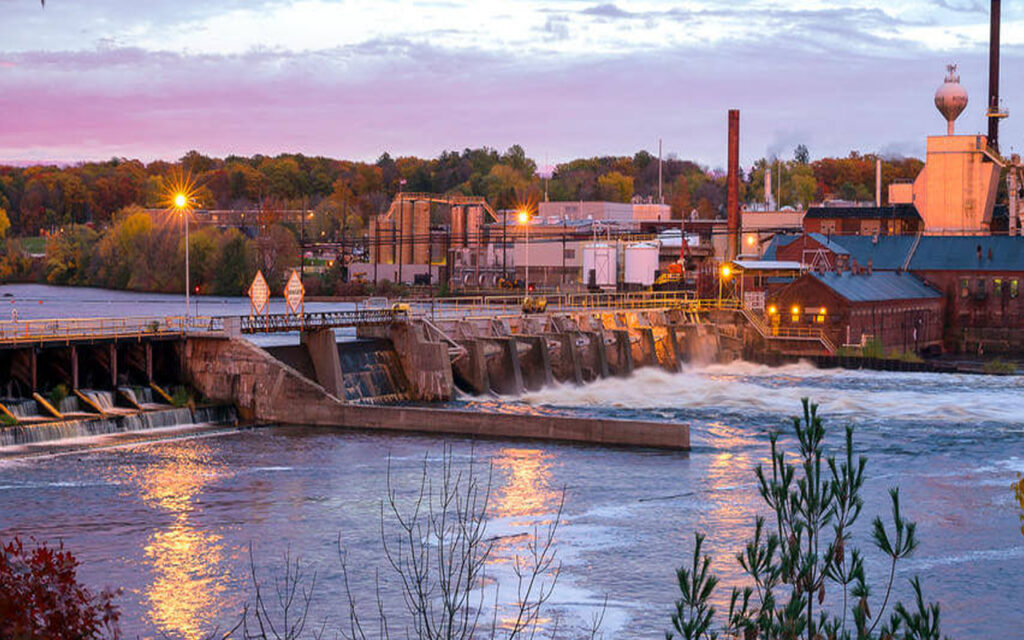
 The provincial government, through Newfoundland and Labrador Hydro, is extending its agreement with Corner Brook Pulp and Paper to buy electricity. The initial agreement was made in March, 2024 for Hydro to buy electricity from Deer Lake Power, which energizes the paper-making machines at the Corner Brook mill for 27.5 cents per kilowatt hour. The deal has now been extended until March 31, 2026. Hydro will continue to purchase excess green energy from Deer Lake Power, while the mill continues work to identify new revenue sources through viable wood-based projects “to unlock Newfoundland and Labrador’s high forest potential while further stabilizing the mill’s sustainability and future,” wrote the province’s Department of Fisheries, Forestry and Agriculture in a news release on Wednesday. The department said the agreement will not impact rate payers. The announcement comes after the mill was forced to pause operations due to a number of wildfires.
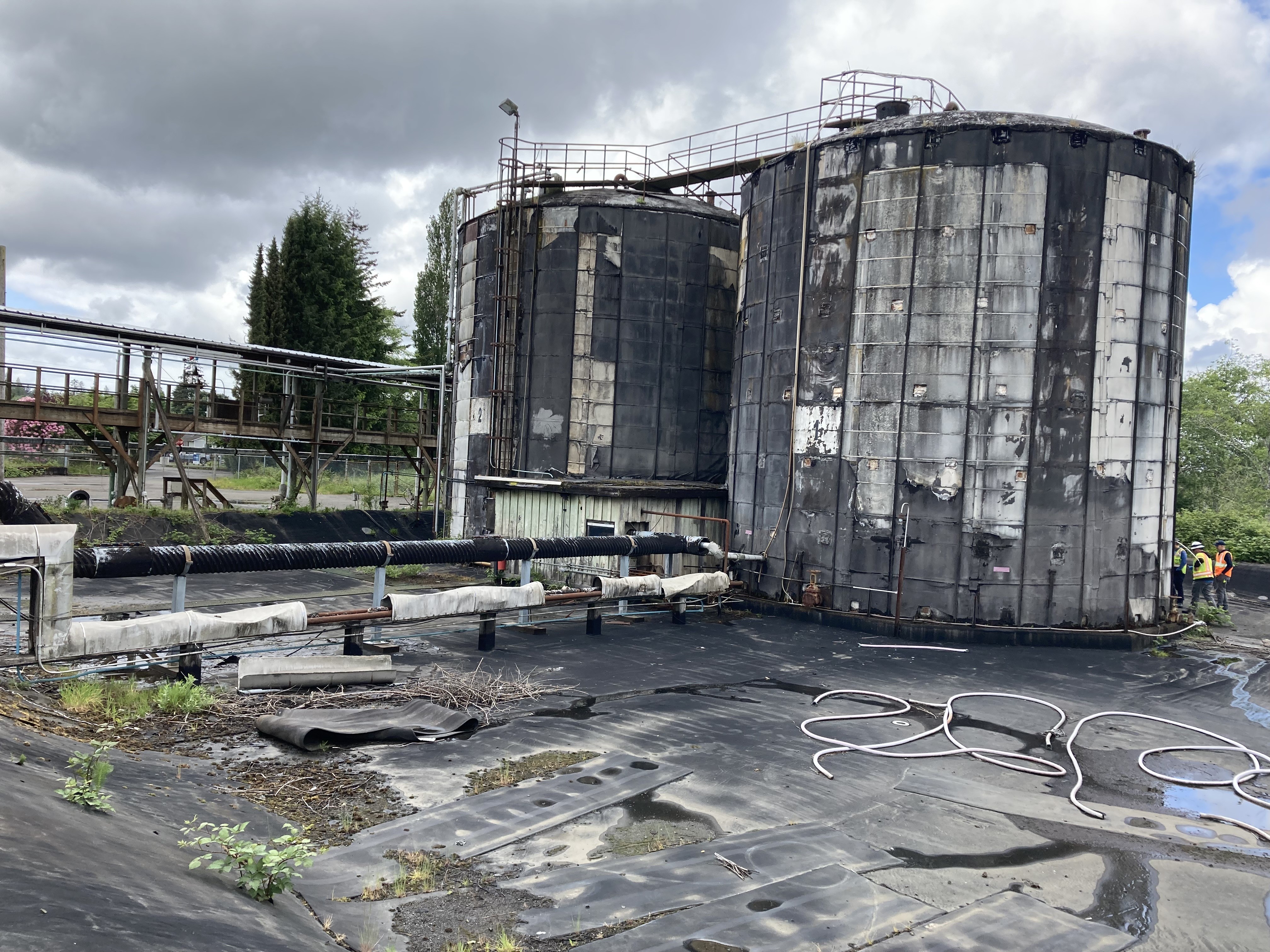
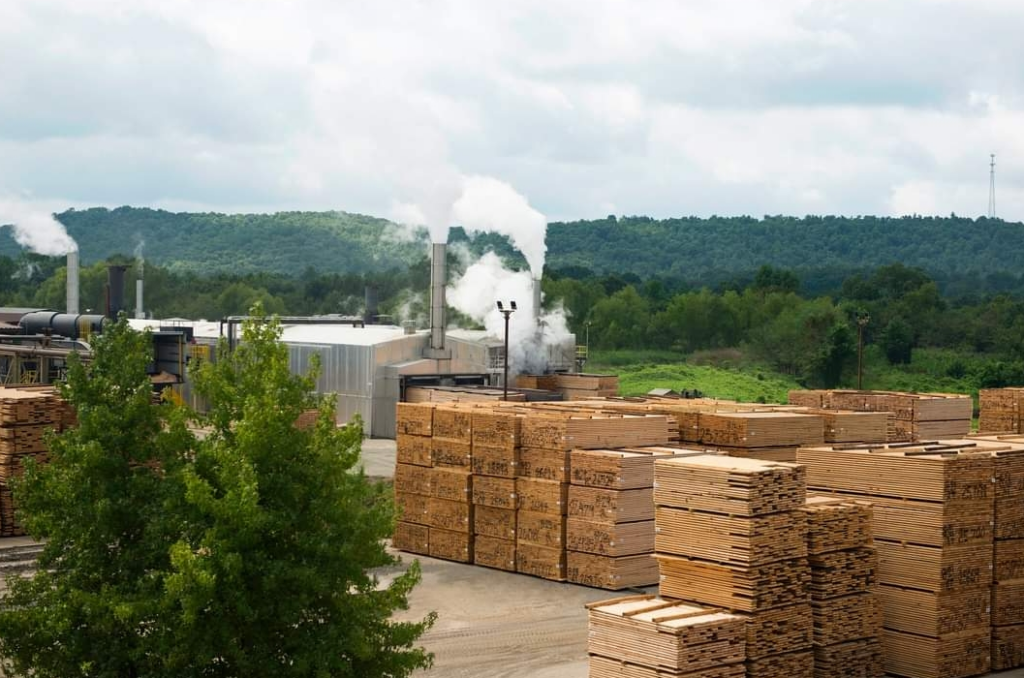
 JONESBORO — The Arkansas State University System board of trustees approved several policy changes during a meeting Friday at Arkansas State University. Trustees approved a policy to “ensure the efficient disposition of real property,” effective immediately. …Trustees also approved creation of a new hire and annual employee training policy — effective Jan. 1, 2026 — as the system doesn’t currently have a mandatory training policy. …Trustees approved naming the workforce training center at Arkansas State University Three Rivers for West Fraser for the next decade. …West Fraser “has made significant contributions to ASU Three Rivers, of a magnitude worthy of special gratitude and lasting recognition, including funding that will provide program support for workforce development and generous support through sponsorships, donations, resources, and collaboration that has created significant revenue for the college,” according to the resolution. …Over the past eight years, the college has collaborated on more than 15,000 training hours with West Fraser.
 Timber illegally sourced from Russia has been found in the UK housing supply chain, according to an investigation by Australian forensic supply chain specialist Source Certain. Imports of Russian timber were prohibited in 2022 following the invasion of Ukraine. However, the investigation identified a smuggling operation that concealed the timber’s origin by relabelling it as material from the Baltic States, including Estonia, Latvia and Lithuania. The findings raise concerns for the housing and construction sectors, where suppliers investing in certified and responsibly sourced timber face higher operational costs. Industry voices warn that without effective monitoring, compliant businesses are being undercut and the credibility of the wider supply chain is being damaged. In response, UK-based Think Timber has introduced a packaging system designed to provide traceability from forest to building site. Each pack incorporates a unique QR code that, when scanned, verifies the chain of custody and origin of the material.

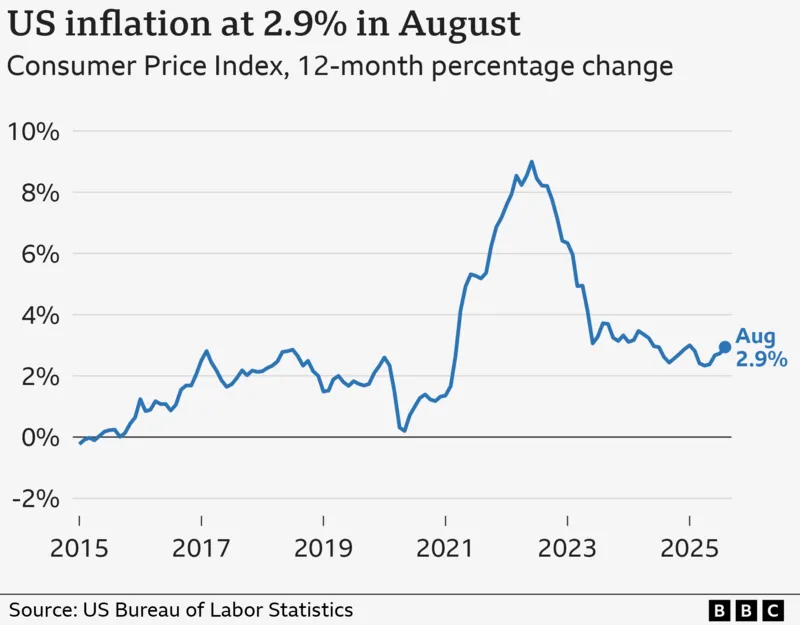
 Canada’s annual inflation rate rose to 1.9% in August, Statistics Canada said on Tuesday, the final piece of economic data to be released before the Bank of Canada’s next interest rate decision. The higher rate was largely expected. Gas prices, which dropped at a rate of more than 16% in July, were still declining in August — but at a slower pace than they had previously, contributing to the upward tick in the overall inflation rate. …With gas stripped away from the overall inflation rate, the numbers mostly ticked down in August. Economists anticipate that the central bank will cut rates by 25 basis points during its Wednesday meeting — which would mark the bank’s first cut since March. “This report was mostly a low-drama affair,” wrote Douglas Porter, chief economist at BMO, in a note to clients. The pace of price growth “won’t cause the Bank of Canada much stress,” Porter wrote.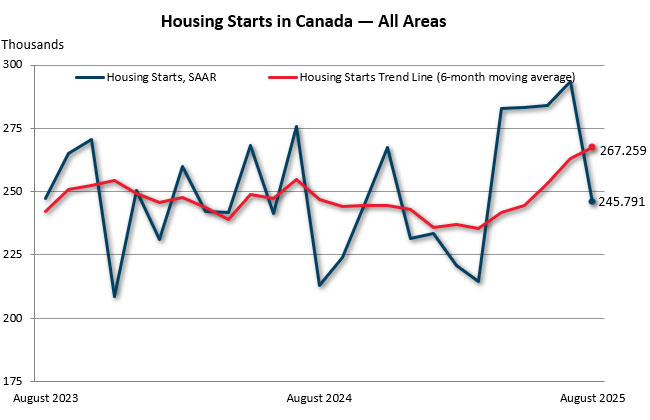




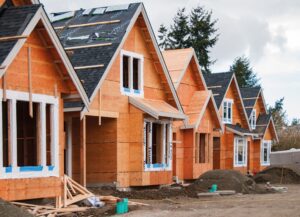 Prime Minister Mark Carney announced Sunday afternoon the launch of Build Canada Homes, the federal government’s new agency that will oversee federal housing programs. The agency was part of the Liberals’ election promise to double housing construction. The government is touting Build Canada Homes as a centralized agency to oversee new affordable housing programs initiated at the federal level. Carney said the agency will “supercharge housing construction across Canada” by helping to build supportive and transitional housing in collaboration with provinces, territories and Indigenous communities. It will also expand “deeply affordable and community housing” and partner with private developers to build homes for the middle class. The prime minister also announced that former Toronto city councillor Ana Bailão will be the CEO of Build Canada Homes. …Carney said $13 billion is earmarked for the new agency.
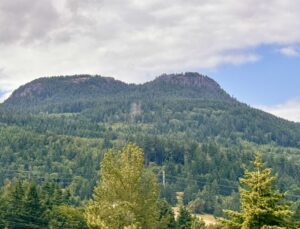 First Nations in the North Cowichan region on Vancouver Island say a motion by the municipality is undermining collaborative efforts on the future of logging in the region’s forest reserve. …Cindy Daniels, chief of Cowichan Tribes, said the move by the council “undermines the collaborative nature” of work to date on a joint plan for the forest. …The North Cowichan council has been in discussions for a collaborative framework with Quw’utsun Nation since 2021 and announced a commitment to establish a co-management strategy for the forest reserve in April 2024. …Gary Merkel, director of the Centre for Indigenous Land Stewardship at UBC…. “It’s a little bit ahead of itself that motion, but not too far. I mean, they haven’t said ‘we’re just going to go and log,’ they’ve allowed the possibility”. …”We are going to get a staff report outlining some of the implications and next steps,” North Cowichan Mayor Rob Douglas said.
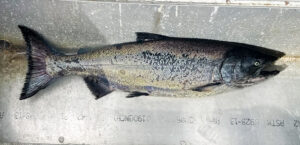 Researchers from Trent University are immersing themselves in forests and streams in northwestern Ontario to understand how forestry practices and climate change affect brook trout populations and freshwater ecosystems. The team is working in the Walkinshaw and Wolf watersheds, northeast of Thunder Bay. They are focusing on headwater streams, which are small rivers that feed larger waterways across the Great Lakes. “Northern freshwater ecosystems are currently experiencing major disturbances, two of which are forest harvest and climate change. One of the effects of climate change is an increase in water temperatures. And the consequences of these predicted increased temperatures on the stream ecosystem are still unclear,” said PhD student Celeste Milli, who is leading the fieldwork. …Milli said the research could help inform science-based policy decisions in Canada’s northern forests, ensuring that both forest ecosystems and freshwater resources remain resilient in a changing climate.
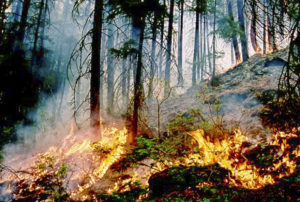 Michelle Conroy says she appreciates all the work the province’s firefighters have put into protecting Miramichi, as wildfires raged out of control. But the Progressive Conservative MLA for Miramichi East also wonders if their employer, the Department of Natural Resources, might have unintentionally made conditions in the forests worse by encouraging herbicide spraying so that New Brunswick’s powerful timber industry could have softwood plantations. …The idea that the ecosystem could had been thrown “out of balance,” was addressed by Deputy Minister Cade Libby. “Your comment is one we’ve heard quite a few times,” Libby said. “Yes, herbicides target broad-leafed plants. …But a working forest is a great way to mitigate forest fire risk.” The deputy minister said timber cutters use forestry roads that act as fire breaks and that they work on forests of various types and age classes that have less fuel load than virgin, old-growth forests do.
 US Secretary of Agriculture Rollins issued a
 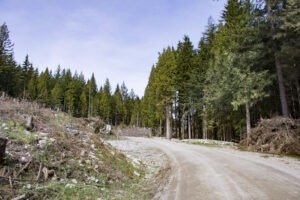 For Tom Schultz, the 21st chief of the U.S. Forest Service, repealing the Roadless Rule is not a matter of ideology but rather a matter of “common sense land management.” Leaving land alone and letting nature run its course is not management, Schultz explained, but a “false narrative.” “The idea that if I care about something, I walk away from it,” Schultz said. “I guess I don’t buy that.” The Roadless Rule… prevented the building of roads through nearly 60 million acres of Forest Service land, conserving a small percentage of the overall American landscape from further development. Today, after carve outs by several states, the total acreage is closer to 45 million. …Schultz spoke with Deseret News to explain why it’s important to repeal the provision, why the administration is working so “expeditiously” to do so and what the public might expect from the prospect.
  The Trump administration is looking to finalize a repeal of a longstanding Roadless Rule with a public comment period that
 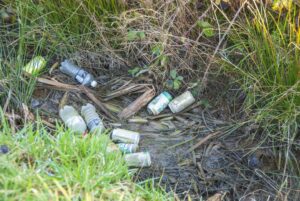 LINCOLN COUNTY, Oregon — Travelers exploring private timber lands along the Oregon Coast may encounter locked gates or restricted access, but this is not due to a desire to keep citizens off the property, the Lincoln County Sheriff’s Office said. The closures are a response to increasing incidents of littering, vehicle abandonment, theft of forest products, and criminal mischief. Common acts of vandalism include property destruction by 4x4s and ATVs in unauthorized areas and damage to road access gates, officials said. These actions not only destroy the natural beauty of the forests but also incur costs for cleanup and repairs, which are paid by private timber companies and taxpayers.
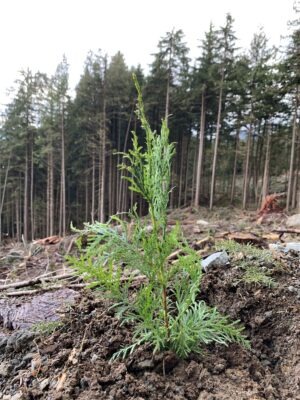 The increase in wildfires over the past few decades is changing the Colorado landscape in more ways than one. Not only do fires temporarily decimate the impacted areas but according to research out of Colorado State University, they are actually changing how, and if, forests regenerate post fire. “There are definitely some places where they’re coming back really well; it just takes a long time for trees to grow back,” said Camille Stevens-Rumann, CSU associate professor of Forest and Rangeland Stewardship. “But there are definitely other places that are not recovering and are not turning back into the forests that we expect them to be. …Reseeding efforts in these locations have shown mixed results, forcing researchers and forestry officials to look at alternative species. …“I think we do have to adapt and think about the fact that those forests are going to look differently.”
 The European Union Deforestation Regulation (EUDR), one of the world’s most comprehensive legislations to curb tropical deforestation, will take effect at the end of December 2025. Since its adoption in 2023, debates over its implementation and effectiveness have been loud and persistent. Some claim the requirements are unclear or impossible to meet, especially for smallholders, while others fear the regulation will disrupt trade or place heavy burdens on businesses. …Despite the challenges, governments, companies and smallholders worldwide are showing that EUDR compliance is not only possible — it is already underway. Building on our previous analysis of why the EUDR is a necessary regulation to tackle deforestation linked to commodity supply chains, this article focuses on the practicality of compliance and highlights concrete steps being taken to prepare. …Guidance from EU national enforcement authorities, such as the Netherlands’ report, show that compliance with the EUDR is not rocket science.
 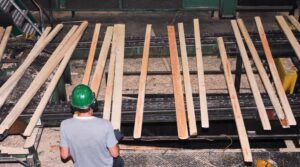 Austria’s softwood sector may face a production decline of up to 10% if the EU Deforestation Regulation (EUDR) takes effect in its current form at the end of the year. The regulation requires full traceability of wood products across the entire supply chain, which industry representatives say is unworkable according to Markus Schmölzer of the Austrian Sawmill Association. Although the sector expects a 2% production increase in 2025, the EUDR poses a direct threat to the entire wood value chain. A decline in softwood production would affect manufacturers of building components, furniture, panel boards, paper, and pellet products, especially during winter months. …The Austrian industry urges the EU to either suspend the regulation entirely or revise it through an “Omnibus” legislative package aimed at reducing bureaucracy. …While supporting the goal of halting global deforestation, the sector proposes targeted monitoring for high-risk regions and exemptions for low-risk countries such as Austria.
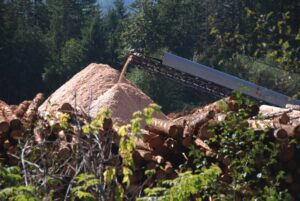 The European Commission has announced dates for virtual training sessions on the EUDR Information System, open to all interested parties. These sessions provide guidance on submitting due diligence statements under the European Union Deforestation Regulation (EUDR). While these sessions are available to all, WPAC anticipates that most of our members will meet their EUDR obligations through the Sustainable Biomass Program (SBP) system, which we helped to develop. EUDR establishes robust requirements for traceability, due diligence, and risk mitigation. SBP has developed a voluntary EUDR module integrated into its Data Transfer System (DTS), helping Certificate Holders prepare now for compliance ahead of the December 2025 implementation deadline. …Learn more about
 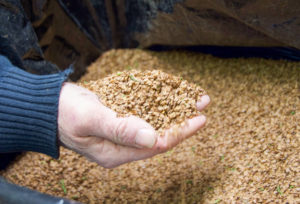 The UK’s largest and most advanced seed centre has opened in Cheshire. The store near Delamere Forest will process four tonnes of seeds every year, which Forestry England said was enough to grow millions of trees for decades to come. It added the centre was “a significant milestone in protecting the future resilience of our forests”. Forestry Minister Mary Creagh said the building was “nationally significant” because it was “part of our climate resilience”. Creagh added: “We are the largest wood importer in the world, and in a climate-constrained future we are going to have to grow more of our own.” The centre, funded through the Nature for Climate Fund and Forestry England, aims to provide seeds to grow climate-adapted trees. …Tristram Hilborn, chief operating officer of Forestry England, said: “What we need to consider for 100 a years’ time is the sort of trees that will thrive in that sort of climate.”
 In the Northern Hemisphere, the more than twofold difference between the atmospheric inversion and remote sensing–derived estimate of the net land carbon sink is an unresolved puzzle that challenges our fundamental understanding of the global carbon cycle. We provide several lines of evidence that much of this discrepancy can be resolved by a weak net land carbon sink that is distributed mainly in the Northern Hemisphere, together with a relatively small reduction in the magnitude of fossil fuel emissions and a small increase in ocean uptake. …A strong land carbon sink, as identified in past research, has often been used to support the potential of nature-based climate solutions in meeting climate stabilization targets. However, if the weak land sink hypothesis is correct, then the role of CO2 fertilization in enhancing forest carbon stocks might be overestimated. At the same time, projections of carbon accumulation in reforestation and afforestation projects may be optimistic too.