 Raymond James upgraded the shares of West Fraser, Canfor and Interfor as ‘lumber conditions begin to improve’. In related news: US building material prices rose in November; and US remodelling strengthened in Q4. In other headlines: CPKC announced 16 union agreements; Kruger, Kamloops conducted emergency dredging; and more on the Domtar’s Ignace sawmill curtailment. Meanwhile: Prime Minister Carney re-ups agreements with Chinese on energy and lumber; registration opens for International Pulp Week 2026; and researchers make progress in the search for a better biodegradable plastic.
In Forestry/Climate news: the Fraser Institute contrasts preventing climate change versus adapting to it; the USDA invests to reduce wildfire risk in Colorado; Western Washington has a new forest health plan; a judge blocks logging in Oregon; and a new study on deciduous tree dominance and wildfire carbon losses.
Finally, the 81st Annual Truck Loggers Association Convention kicked off yesterday with panels on forest product markets and the economy; closing the gap on fibre supply; inside BC politics; BC government initiatives update; and improving workplace safety.
Kelly McCloskey, Tree Frog News Editor

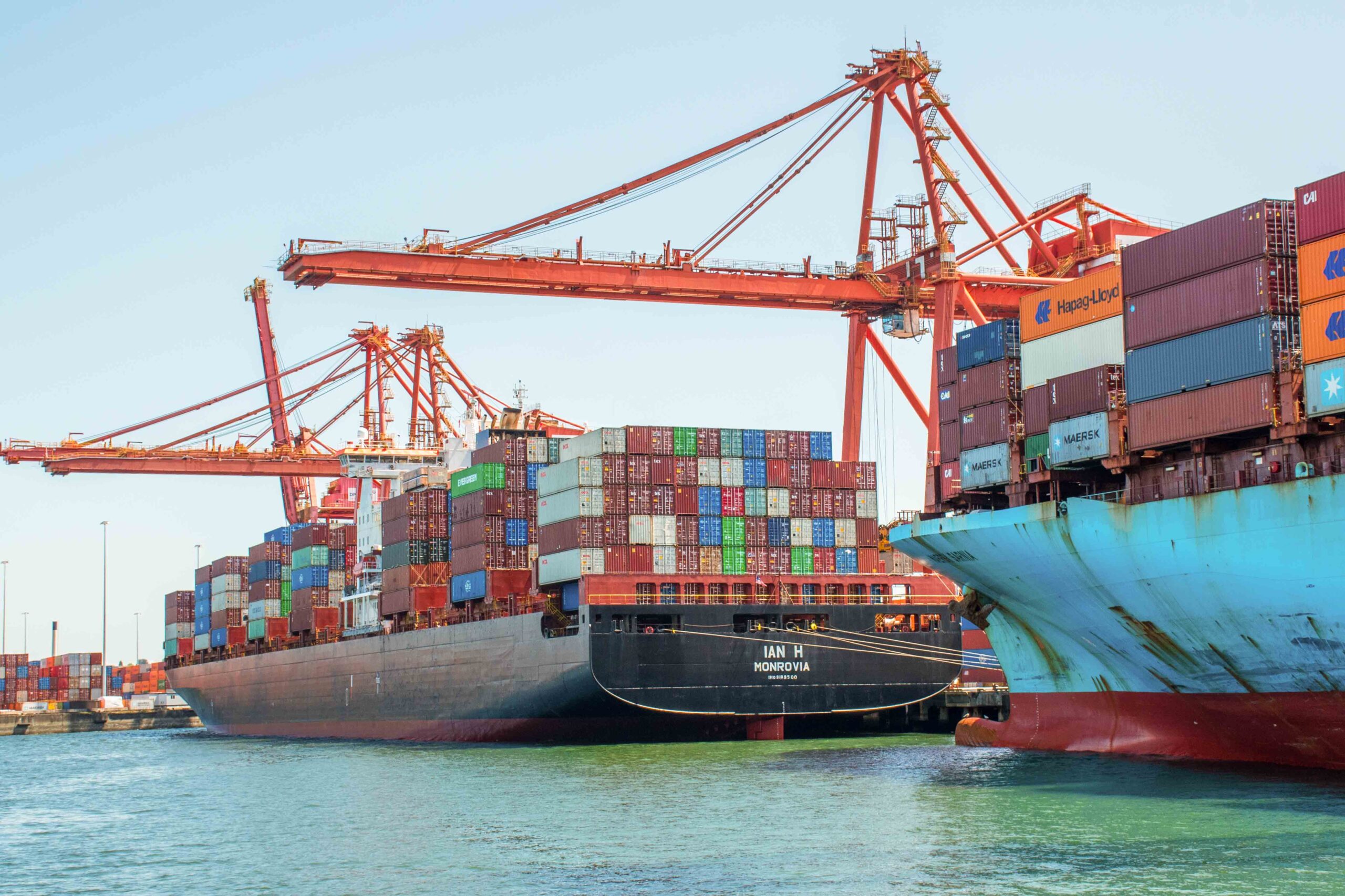
 With Canadian lumber producers facing crippling American duties and tariffs, Canadian sawmills that want to stay in business may have to develop markets outside the U.S. Since North America is the only major lumber market that still uses imperial measurements for lumber, this would require retooling logging and sawmill operations to metric. Some B.C. mills are already partway there. With Japan and China becoming saturated, Canadian lumber exporters will need to develop–or redevelop–markets beyond the Indo-Pacific. “We did this before,” said Rick Doman, chairman of Forest Innovation Investment (FII). In the 1990s and early 2000s, Canadian sawmills produced lumber for those markets, he said, but eventually lost them. “The North American market got so strong that we left those markets, and really the Nordic countries took over those markets,” Doman said. But the U.S. has since erected trade barriers in the form of duties and tariffs.
 Nathanson, Schachter & Thompson LLP is again ranked as a Tier 1 firm in Dispute Resolution in British Columbia by The Legal 500. We are included as one of four firms in British Columbia ranked as Tier 1. We are also the only firm in Tier 1 that received a Client Satisfaction accolade. Partners Irwin Nathanson, K.C. and Stephen Schachter, K.C. are included in the Hall of Fame category once again. They are the only two partners from the same firm included in this category. Partner Karen Carteri continues to be recognized as a Leading Partner, particularly for her work in complex shareholder and partnership disputes. Clients describe NST as a firm that “whole-heartedly embraces and delivers a hands-on and effective approach” while offering particular praise for partners Karen Carteri, Emily Hansen, Julia Lockhart and Kayla Strong.
 The U.S. Endowment for Forestry and Communities has announced a new collaboration with the Georgia Institute of Technology to address the far-reaching social, economic and environmental impacts of pulp and paper mill closures across the United States, particularly in the rural South, where these mills have long served as economic anchors. The Endowment and Georgia Tech are developing an integrated decision-making dashboard to help policymakers, community leaders and industry stakeholders quantify the effects of mill closures and identify data-driven pathways to offset them through the sustainable use of forestry residues… Over the past decade, nearly 50 paper mills have shut down nationwide … resulting in the loss of thousands of jobs and disrupted local supply chains that once connected family forest owners, loggers, sawmills and manufacturers… As markets for timber and forestry byproducts contract, landowners face reduced incentives for active management – conditions that can increase the risk of wildfire, invasive species and forest conversion to other uses.
 WASHINGTON — U.S. President Donald Trump said Tuesday the Canada-United States-Mexico Agreement on trade is “irrelevant” to him and Americans don’t need Canadian products. “It expires very shortly and we could have it or not,” Trump said while touring a Ford plant in Michigan. “It wouldn’t matter to me. I think they want it. I don’t really care about it.” Trump statements have rattled Canada and Mexico ahead of a mandatory review this year of the future of the continental trade pact, known as CUSMA. The president told reporters that “Canada wants it” but the United States doesn’t need anything from its northern neighbour. The three countries have started domestic consultations on the review and Dominic LeBlanc, the minister in charge of Canada-U.S. relations, is set to meet with U.S. counterparts in mid-January to launch formal CUSMA talks. The trade pact has shielded Canada and Mexico from the worst impacts of Trump’s tariffs.



 International Pulp Week (IPW) is the premier annual gathering of the global market pulp industry, hosted by the Pulp and Paper Products Council. As the leading event dedicated exclusively to the market pulp sector, IPW provides a unique platform for producers, end-users, and key stakeholders to exchange insights, strengthen relationships, and explore the trends shaping the industry’s future.


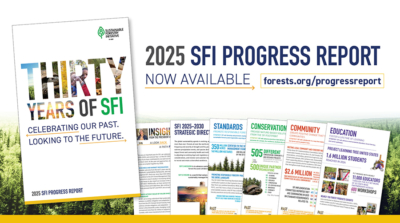
 Recent studies suggest that paper-based advertising may hold a more sustainable footprint than its digital counterpart. This revelation challenges the widely held assumption that ‘going paperless’ automatically equates to environmental responsibility. New data indicates that the full lifecycle impact of digital advertising – encompassing data centers, device manufacturing, and network infrastructure – generates a significantly larger carbon footprint than traditional print methods. The findings, originating from research conducted by the Öko-Institut in Germany and corroborated by analyses from The Telegraph, Emerce, and RetailTrends, highlight the often-overlooked environmental costs associated with the digital world. While paper production undeniably carries its own environmental burdens, advancements in sustainable forestry practices and paper recycling are mitigating these impacts. …Their findings consistently showed that paper-based advertising, particularly when utilizing recycled paper and responsible forestry practices, generated fewer greenhouse gas emissions than comparable digital campaigns.
  Japan-based materials experts have made impressive progress in the search for a better biodegradable plastic. The breakthrough starts with an abundant material: cellulose from wood pulp. Takuzo Aida, RIKEN Center for Emergent Matter Science research lead, said in a news release that “about one trillion tons” are naturally produced annually. Using it successfully as part of a new plastic could have a widespread impact, because most types of the material take decades to hundreds of years to break down. “This technology will help protect the Earth from plastic pollution,” Aida said in the RIKEN report. …Unlike other biodegradable plastics, RIKEN’s innovation also eliminates harmful microplastics, tiny particles that have saturated our world — found in soil, oceans, and even our bodies.




 In late August 2025, FREED (Field Research in Ecology and Evolution Diversified) at their University of Toronto (UofT) chapter hosted their fourth annual weeklong event in Algonquin Park. FREED, created in 2020, was founded to provide accessible, barrier-free outdoor and fieldwork opportunities for Indigenous, Black, and/or Racialized (BIPOC) undergraduates. Experiencing the outdoors and nature can be formative in building a connection to the land and pursuing a career in a related field but these experiences are often inaccessible to underrepresented communities due to financial, societal, cultural, or other potential barriers. …At the Algonquin Wildlife Research Station (AWRS), we welcomed a wonderful group of fifteen BIPOC undergraduate students bringing bright, inquisitive energy, teeming with excitement for the week to begin. The 7-day program was filled with activities to help students build skills and confidence in the outdoors and field work, as well as to build community and relationships amongst their peers and with the Land.
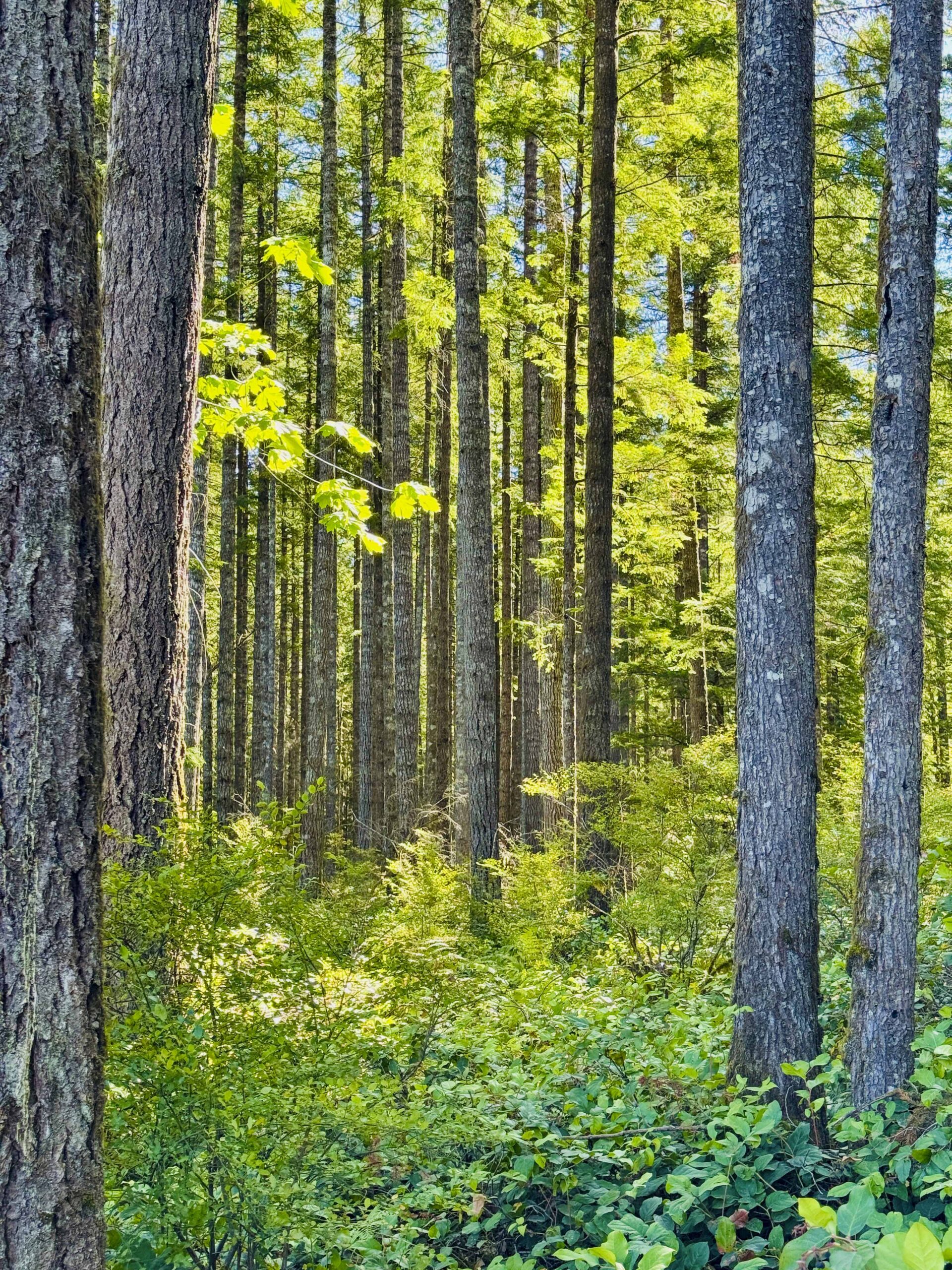 As climate change drives more frequent and severe wildfires across boreal forests in Alaska and northwestern Canada, scientists are asking a critical question: Will these ecosystems continue to store carbon or become a growing source of carbon emissions? New research published shows that when forests shift from coniferous—consisting mostly of pines, spruces and larches—to deciduous—consisting mostly of birches and aspens—they could release substantially less carbon when they burn. The study, led by researchers from the Center for Ecosystem Science and Society (ECOSS) at Northern Arizona University and published in Nature Climate Change, found that boreal forests dominated by deciduous species lose less than half as much carbon per unit area burned compared to historically dominant black spruce forests. Even under severe fire weather conditions, carbon losses in deciduous stands were consistently lower than those in conifer forests.
 PUEBLO, Colo. — The Pike-San Isabel National Forests & Cimarron and Comanche National Grasslands began a 10-year partnership and $7.3 million investment to implement forest health treatments as part of the War Department’s Readiness and Environmental Protection Integration (REPI) program. The partners will use $3 million in REPI funds, along with $4.3 million in partner contributions, to treat 2,000 acres of National Forest System land and nonfederal lands near the U.S. Air Force Academy and Cheyenne Mountain Space Force Station. The REPI program preserves military missions by avoiding land use conflicts near military installations, addressing environmental restrictions that limit military activities and increasing military installation resilience.
 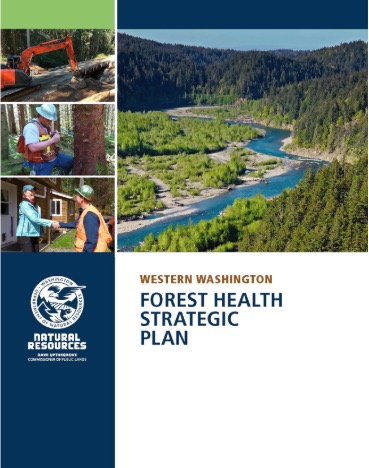 Western Washington forests are vital to the identity, economy, and quality of life vital to the region. From the Puget Sound to the Olympic Peninsula and Columbia Gorge, healthy forests provide clean air and water, sustain fish and wildlife habitat, store carbon, and support local jobs in forestry, recreation, and tourism. …The Western Washington Forest Health Strategic Plan is the result of an holistic and collaborative effort by the Washington State Department of Natural Resources to bring partners representing all lands and stakeholder groups together to identify priorities and strategies for how to steward and manage western Washington forests at a landscape scale. This plan builds on lessons learned from the development and implementation of the
 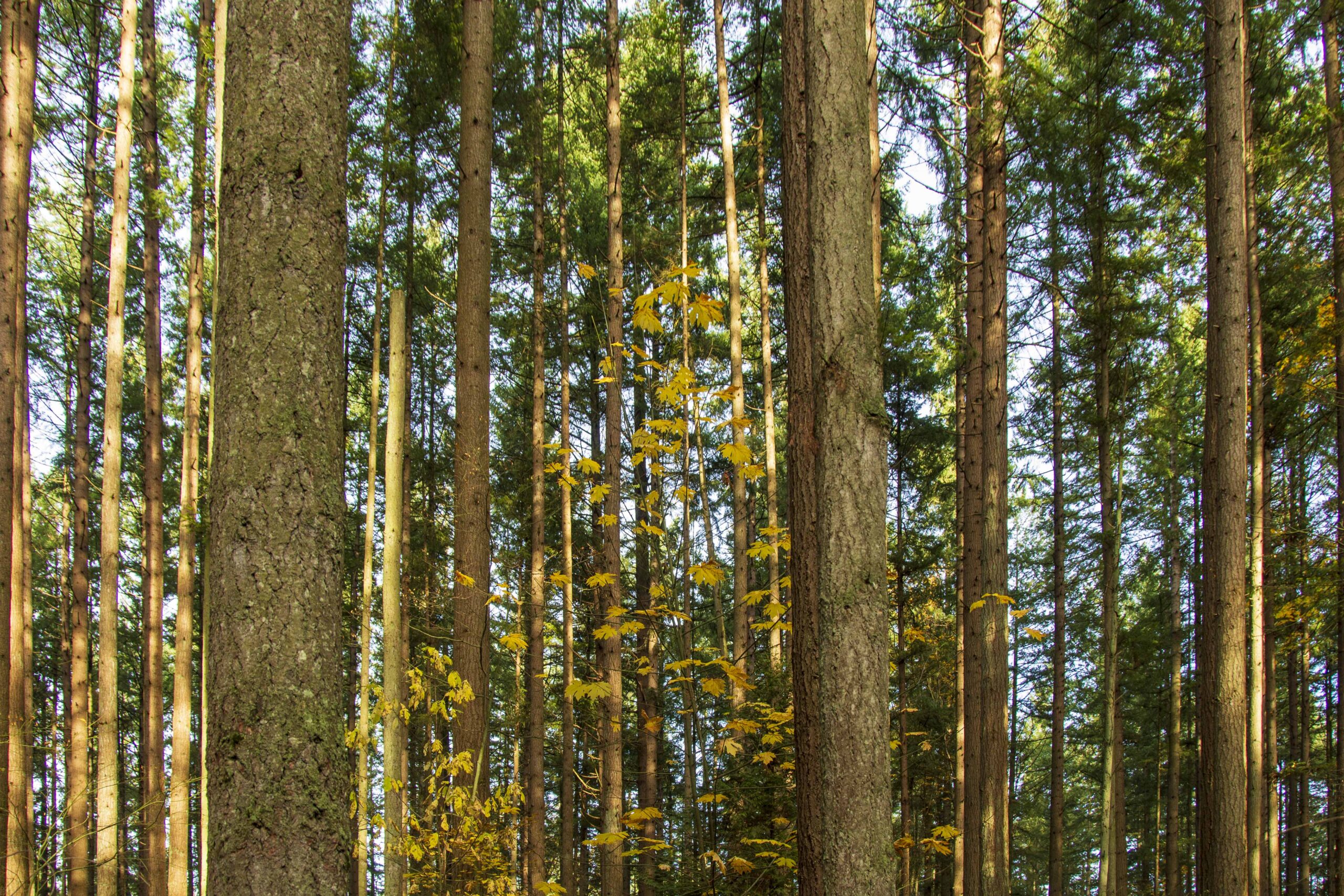 PORTLAND, Ore. — In a win for conservation groups, a federal judge
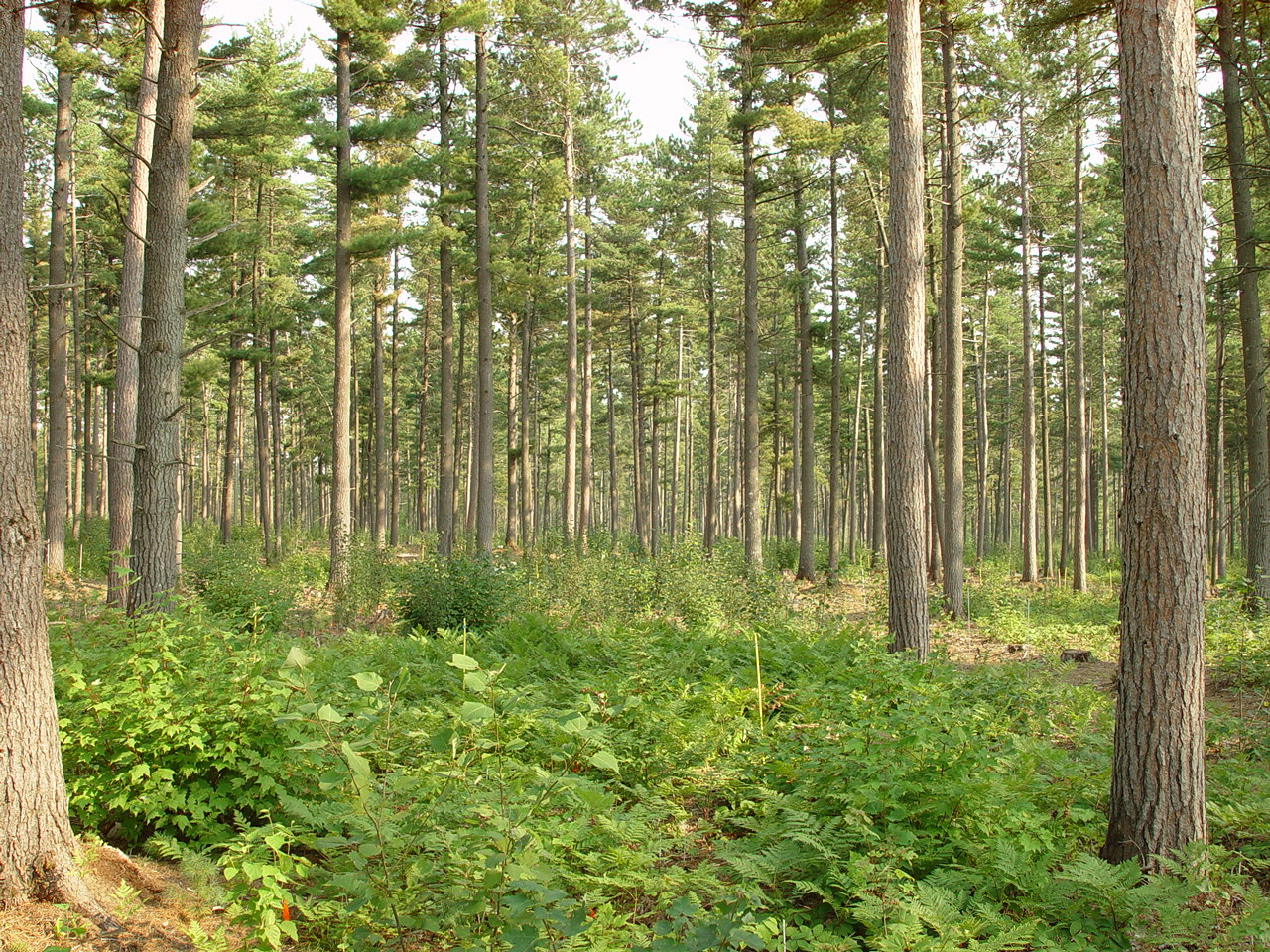 President Donald Trump’s administration has set in motion efforts to repeal the Roadless Rule, a 2001 administrative mandate that put 45 million acres of the least developed forest land under protection from logging and construction of roads. As the nation observes the rule’s 25th anniversary, Virginia’s federal lawmakers and advocates are calling for its preservation and say hundreds of thousands of acres of forests could be at stake if it is axed. The federal government has framed the proposed repeal as necessary for forest management against wildfires. …Environmental advocates have said since last summer that repealing the rule will lead to land degradation, sediment pollution, and create risks to clean water sources. It would also open up large swaths of the 400,000 acres of the protected forestland in Virginia to logging and potential new roads.
 The world is losing forests to fire at an unsustainable rate, experts have warned. …in recent decades [wildfire] scale, frequency and intensity in carbon-rich forests have surged. Research from the World Resources Institute (WRI) shows that fires now destroy more than twice as much tree cover as they did two decades ago. In 2024 alone, 135,000km² of forest burned – the most extreme wildfire year on record. Yet fires in other landscapes have not risen in the same way, according to research from the University of Tasmania. While the total area burned globally has fallen for decades as farms have expanded across Africa and slowed the spread of blazes – forests have become a new hotspot. …Four of the five worst years on record have occurred since 2020. Research from the WRI shows that 2024 was the first time that major fires raged across tropical, hot and humid forests such as the Amazon, and boreal forests, such as those spanning Canada’s vast coniferous regions.

 THUNDER BAY — The source of the bad smell detected across a broad section of the city last week remains unconfirmed. Residents of various neighbourhoods contacted the fire department and Enbridge gas the morning of Jan. 7 to report an unpleasant odour in the air. A spokesperson for the ministry of the environment, conservation and parks says it investigated after a complaint was filed with the Spills Action Centre. “No incidents or spills were reported to the ministry (that were) linked to the odour,” he told Newswatch, adding that the ministry would follow up if it received any new information. The spokesperson also said Thunder Bay Pulp & Paper confirmed it was operating normally at the time the bad smell occurred.