 A US-Canada trade deal may be ready by month end—without lumber and autos. In related news: Northern Ontario forestry remains in peril despite Kap Paper bailout; Trump’s tariffs put Canadian cabinet-makers and US cabinet-importers in jeopardy; and lawmakers in Georgia and Arkansas are seeking tariff relief. Meanwhile: the National Lumber and Building Material Dealers Association honoured Scott Yates with a distinguished service award; and Ontario’s Building Show 2025 explores the future of wood-based construction.
In Forestry news: the European Union plans to shorten by half its deforestation regulation delay; NGOs seek repeal of Protect Ontario By Unleashing Our Economy Act; forest development projects continue despite US government shutdown; and a BC MLA is outraged by cutting permit delays; while ENGOs seek biodiversity legislation.
Finally, winter is coming—does your safety program cover winter driving?
Kelly McCloskey, Tree Frog News Editor




 British Columbia’s forest sector is at a crossroads — facing tough challenges, but also leading the way in solutions that matter most to our province: housing, wildfire resilience, reconciliation, and sustainable economic growth. At the 2026 COFI Convention, leaders from across industry, government, and Indigenous and community partners will come together to rebuild competitiveness and chart the future of a strong, sustainable forest sector. Join us in Vancouver for the largest forest sector gathering in Western Canada. April 8 – 10, 2026 at the JW Marriot Parq Vancouver
 THUNDER BAY – Ontario’s MPPs are officially back at Queen’s Park for a new sitting of the provincial legislature, after breaking for the summer and forestry was top of mind for the region’s leaders. Opposition member Sol Mamakwa, MPP for Kiiwetinoong, questioned the Ford government on how they plan to help 160 unionized workers affected by the shutdown at the sawmill in Ear Falls. “Our government is disappointed of the news coming from Ear Falls. Immediately following the announcement of the mill, the premier and I reached out to company officials and Mayor (Kevin) Kahoot offering support for the workers and the community,” Associate Minister of Forestry and Forest Products Kevin Holland said. …The tariff hike contributed to ongoing market challenges in the sector forcing Interforb to suspend operations at the sawmill indefinitely.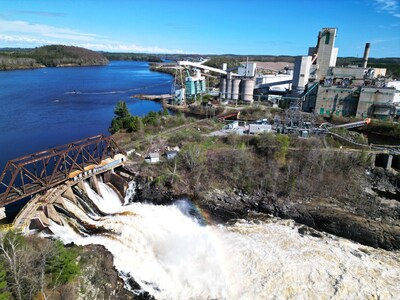


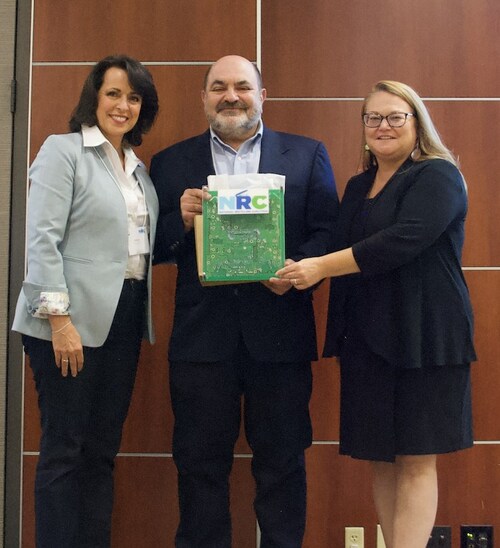
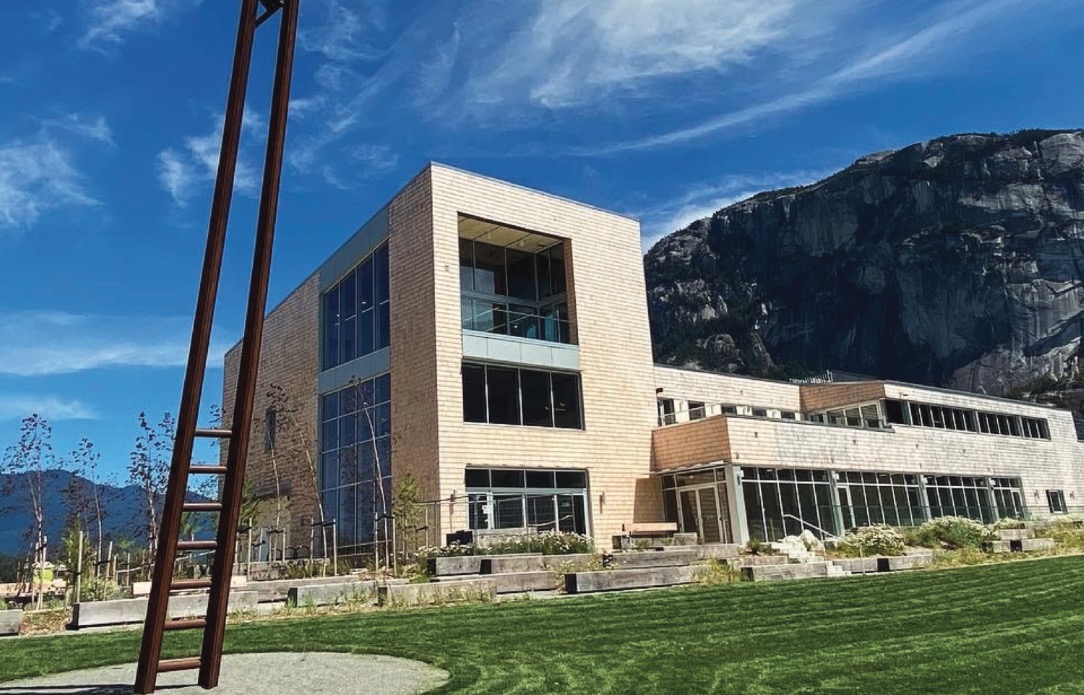 At the recent 2025 Vancouver Regional Construction Association (VRCA)




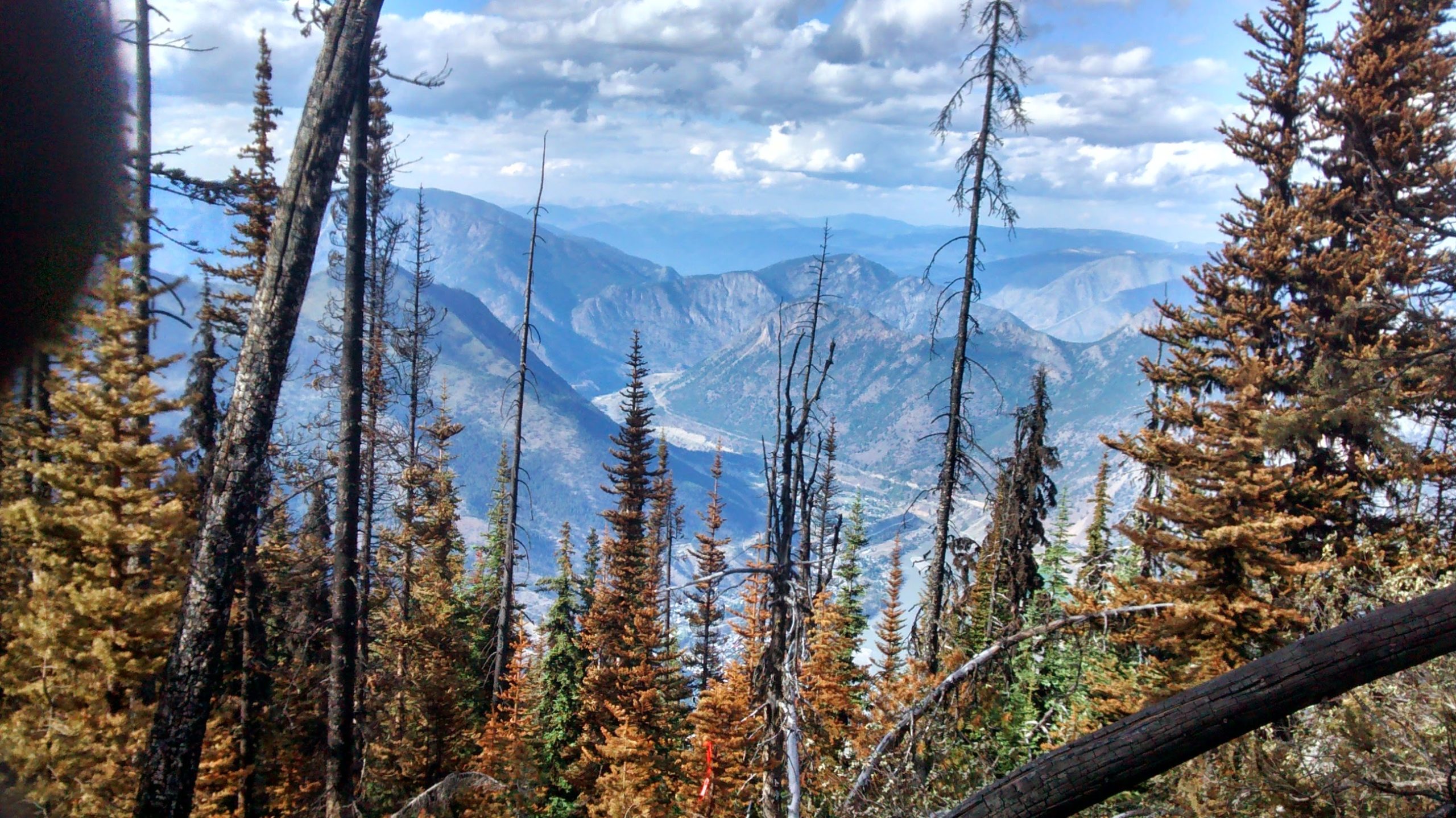 The Northwest Territories could see more difficult wildfire seasons ahead – all the way into the next century, according to recent research. One




 The BC Forest History Association is pleased to welcome Dr. Barry Cooke, Research Scientist with the Canadian Forest Service, as our second speaker of 2025. Dr. Cooke is one of Canada’s leading experts on modeling insect outbreak processes and patterns, with more than 30 years of experience studying spruce budworm population dynamics and forest insect ecology. He has authored over 90 scientific publications, advancing our understanding of budworms, beetles, and other major forest pests through spatial simulation modeling. Join us for this free online presentation, “A History of Debate on Budworms: A BC Perspective.” Tuesday, October 21st 2025 – 7:00 to 8:00 PST
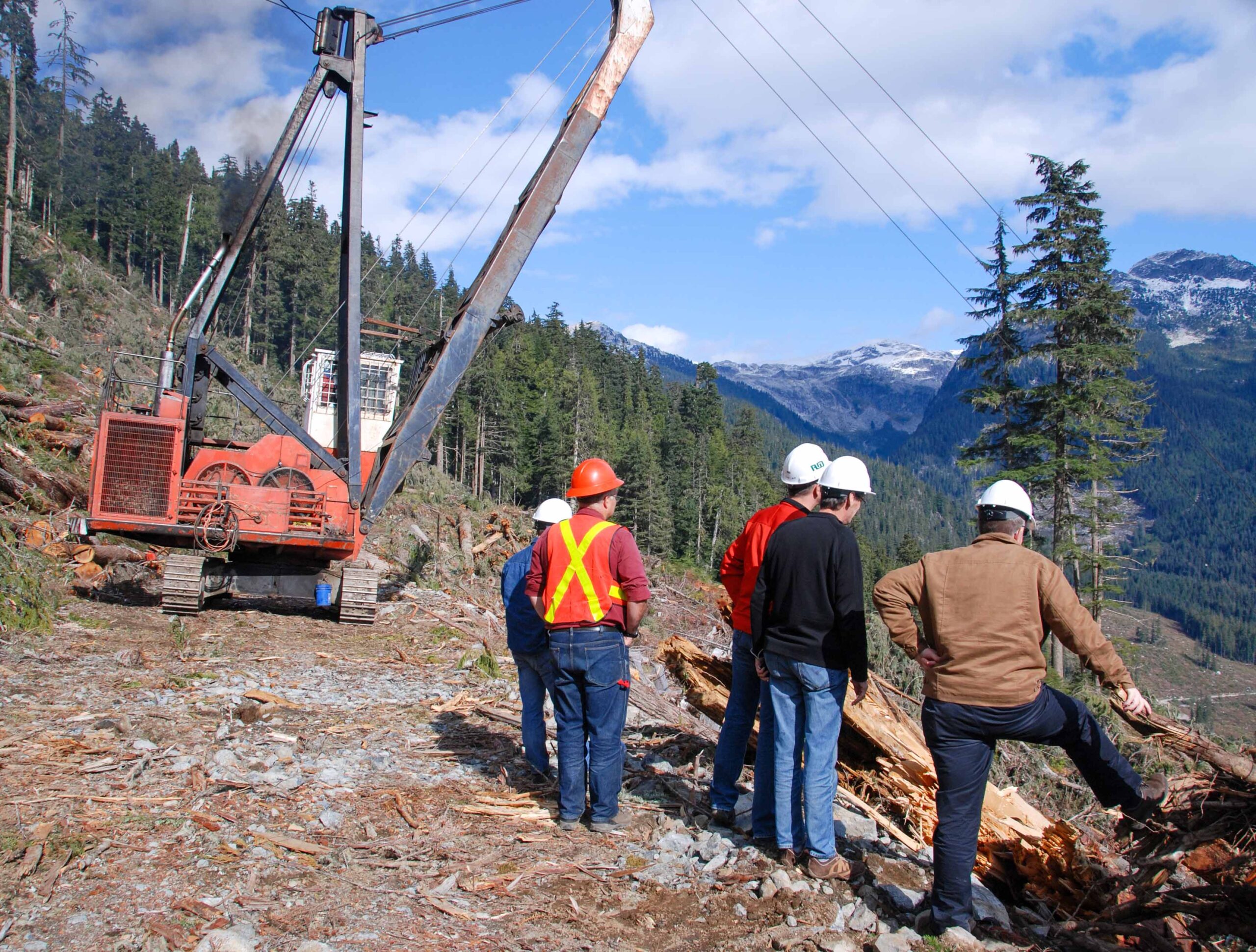 BANFF – A large swath of land will be logged at the base of Sulphur Mountain this winter to help further protect the Banff townsite from a future runaway wildfire similar to one that destroyed part of Jasper last year. As part of Parks Canada’s ongoing work to reduce the threat of wildfire to the townsite, the plan calls for 125 hectares to be logged and thinned in the Spray and Middle Springs area over the next two winters, including about 79 ha this winter. The entire project – which aims to slow the spread of an approaching wildfire and aid in suppression efforts to protect the Banff townsite – is slated to begin by the end of November and wrap up by spring 2027. …The Town of Banff has directed almost $1.5 million to be spent in 2025 wildfire mitigation work in 2025 within the four-km2 townsite.
:quality(65))
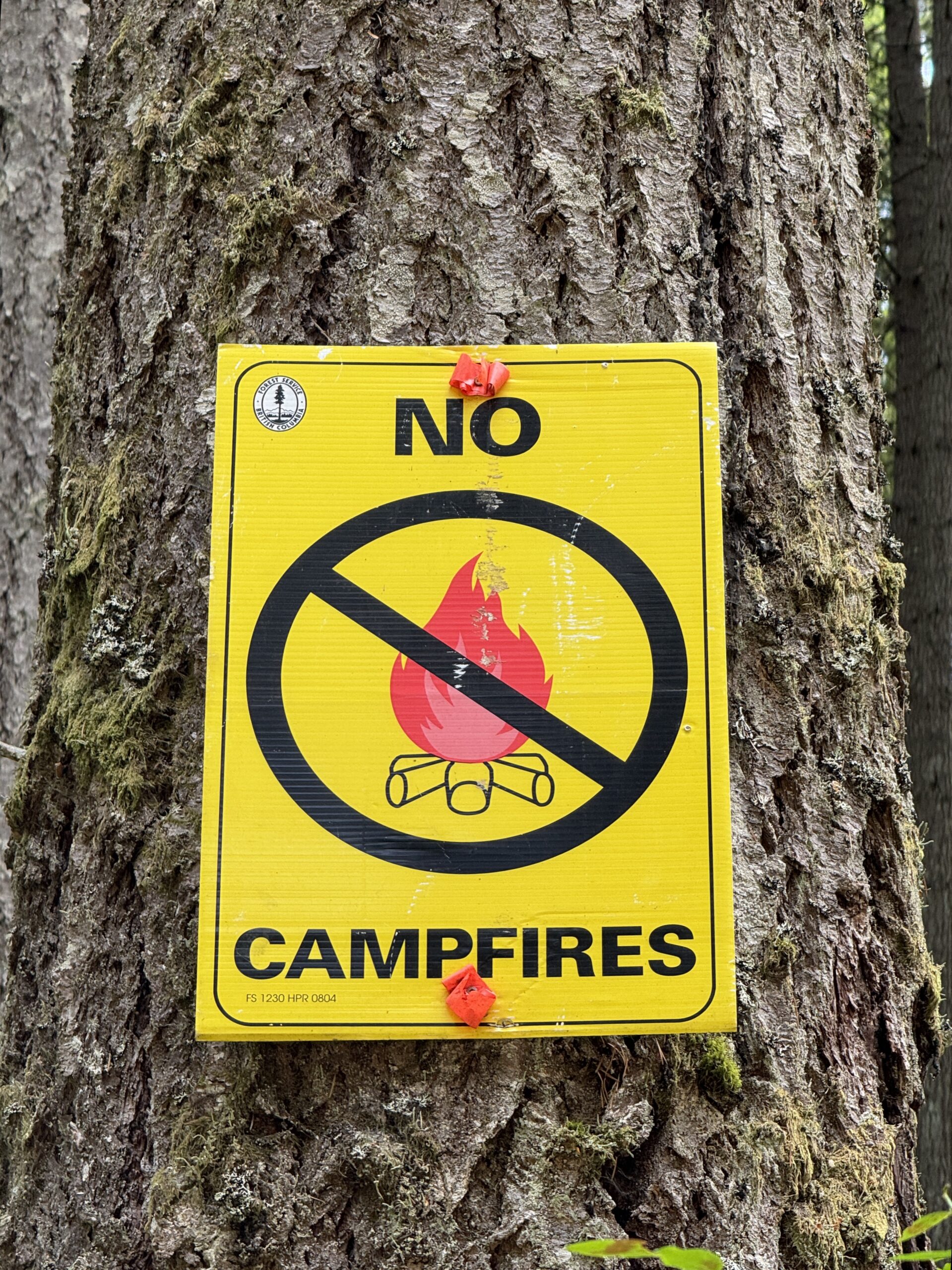 Atlantic Canada’s wildfires are growing and a scientist at the University of New Brunswick (UNB) says the combination of climate change and regional forest management are making things worse. Anthony Taylor is a forestry expert at the UNB. He studies the impact of climate change and forest composition. “We should expect more weather like this into the future,” Taylor said. “That’s largely a consequence of inaction on climate change over the past 20 or 30 years.” Taylor said the weather and drought conditions in the Maritimes can be blamed on the climate change already baked into the system and people should expect more warming in coming decades. He said weather impacts wildfires more than any other variable but the next biggest factor is ignition. “More than 90 per cent of our fires that do occur, including this year, are from human ignition,” Taylor said. “Obviously we want to try to reduce and stop climate change but the next best thing after that is to be fire smart around the woods.”
 The man charged after an investigation into the largest wildfire in Nova Scotia history has been fined $25,000. Dalton Stewart, 23, chose not to speak when he was handed the sentence Thursday in Barrington provincial court. The sentence — a joint recommendation from the Crown and defence — also includes an order to complete educational training on wildfire prevention.
 As the European Commission prepares a further postponement of its Deforestation-free Regulation (EUDR), proposals to simplify the law are abundant in Brussels. The undersigned organizations, representing the U.S. forestry and forest products sector value chain, urge the Commission to avoid a rushed process and take the time necessary to pursue simplification with great care. An additional year provides a valuable opportunity for the Commission to engage in productive dialogue with forest owners and operators in highly forested, low-risk countries like the U.S. to understand implementation challenges and reduce unintended consequences. “Simplifying a law as significant as the EUDR requires thoughtful and purposeful review,” said Eric Gee, executive director of the Southern Forest Products Association (SFPA). “A measured approach will help ensure that any changes both strengthen the law’s effectiveness and uphold fairness for producers in low-risk, sustainably managed regions like the Southeastern United States.”

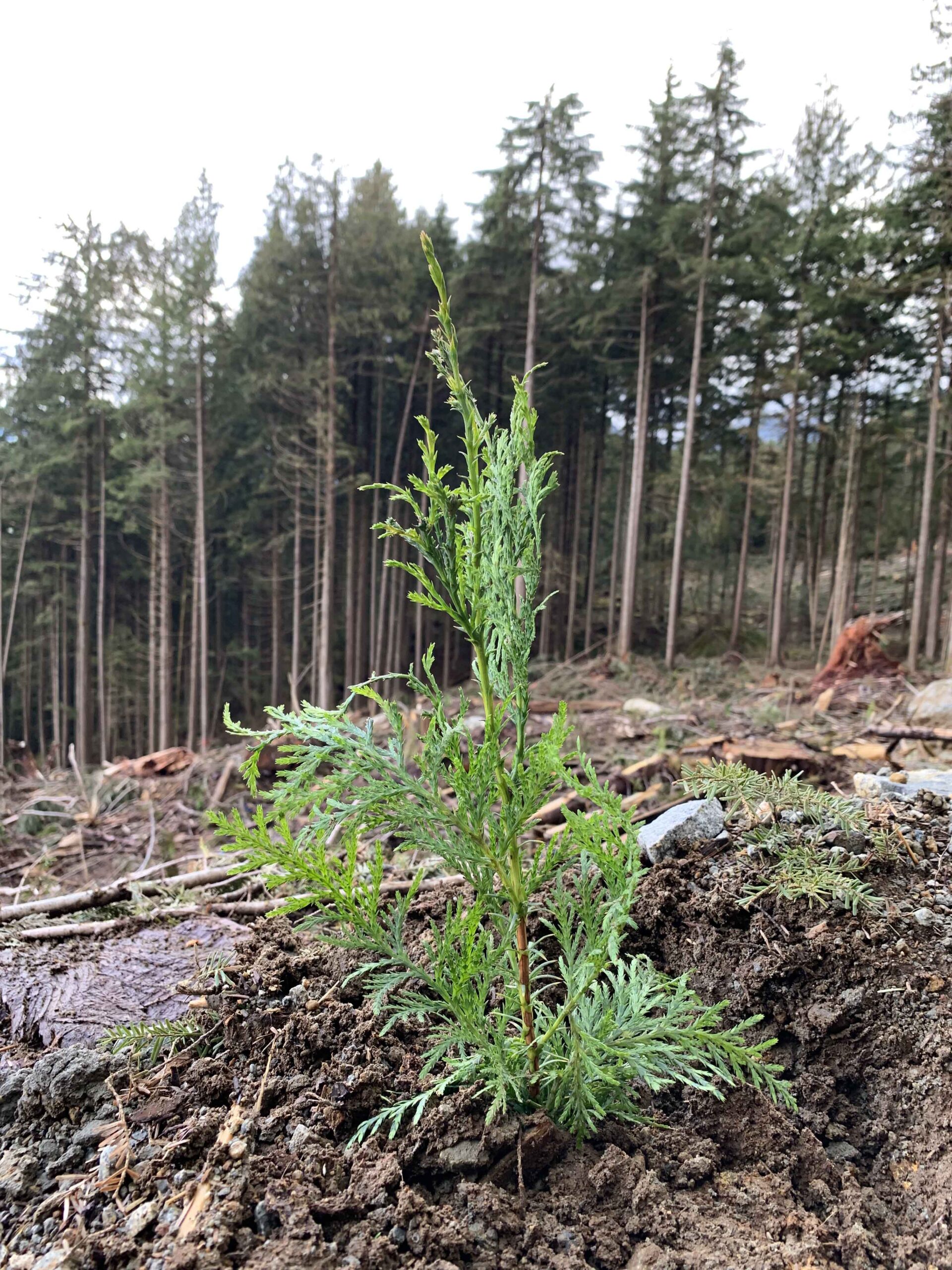 As the planet heats up, we need to reduce emissions of greenhouse gases. …‘nature-based climate solutions’ are human interventions that utilize natural processes to draw down carbon from the atmosphere. According to William Anderegg, director of the Wilkes Center for Climate Science and Policy at the University of Utah, planting forests is an especially promising option. “The central opportunity here is that we can leverage nature,” Anderegg says, “and forests globally have pretty large potential to help with climate change mitigation.” [However], Anderegg says …there are many problems with the programs that seek to plant forests as a climate solution.
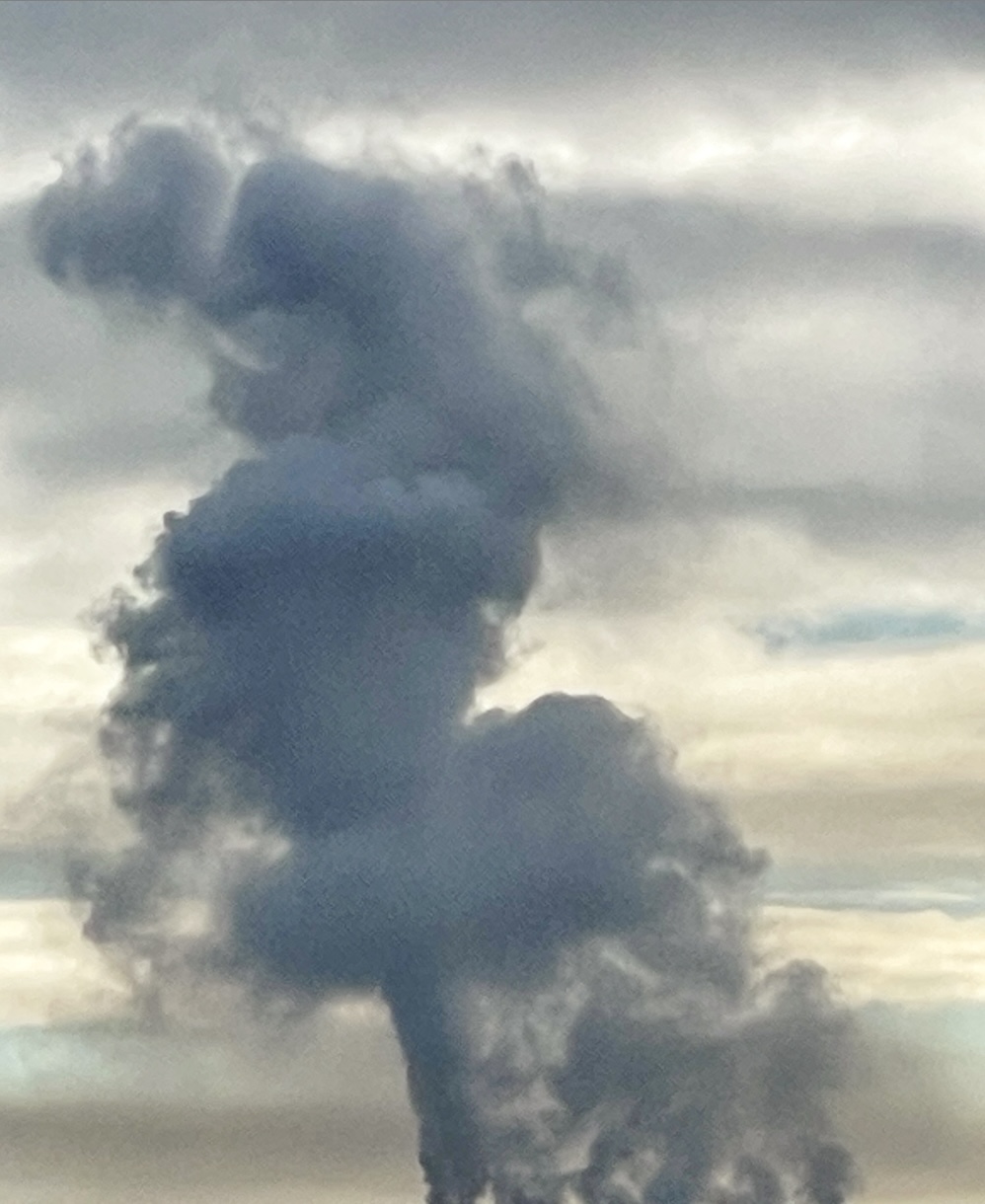 GENEVA — Heat-trapping carbon dioxide levels in the atmosphere jumped by the highest amount on record last year, soaring to a level not seen in human civilization and “turbo-charging” the Earth’s climate and causing more extreme weather, the United Nations weather agency said Wednesday. The World Meteorological Organization said in its latest bulletin on greenhouse gases, an annual study released ahead of the U.N.’s annual climate conference, that CO2 growth rates have now tripled since the 1960s, and reached levels that existed more than 800,000 years ago. Emissions from burning coal, oil and gas, alongside more wildfires, have helped fan a “vicious climate cycle,” and people and industries continue to spew heat-trapping gases while the planet’s oceans and forests lose their ability to absorb them, the WMO report said.
 GLOSTER, Miss. — A group of Gloster residents has filed a federal lawsuit against Drax Biomass and its subsidiaries, alleging that the company’s Amite BioEnergy wood pellet facility in the town has unlawfully released massive amounts of toxic pollutants into their community, violating the federal Clean Air Act and Mississippi law. According to a statement from the law firm that filed the claim, Singleton Schreiber, the lawsuit seeks “injunctive relief, civil penalties, and damages for the harm plaintiffs have suffered, including diminished property values, and the loss of safe use and enjoyment of their homes.” Drax responded to inquiries with the following statement: “We are aware of the lawsuit filed in Mississippi. While we cannot comment on the details of ongoing legal matters, our commitment to the communities where we operate remains unchanged. We strive to be a good neighbor in our communities and to support their wellbeing and prosperity.”