 Federal and Provincial governments have agreed to support Ontario’s Kapuskasing Paper Mill, averting its closure. In related news: Carney and Trump meet tomorrow to talk trade and tariffs; Derek Nighbor says Canada needs an outcomes-based regulatory framework; the Decorative Hardwoods industry wants Section 232 tariffs broadened; while the Canadian Lumber Trade Alliance and New Brunswick lumber producers voiced their concern and displeasure. Meanwhile: the Forest Enhancement Society of BC is looking for new projects; and Erik Wilson joins PLIB as Executive VP.
In Forestry news: BC and ʼNa̱mǥis First Nation reach decision-making agreement; rescinding the roadless rule may threaten Virginia and Ohio’s national forests; a forester pushes back on Washington’s buffer rule for non-fish streams; Oregon’s Douglas firs face unprecedented dieback; and California’s Garnet Fire may have sterilized the soil. Meanwhile: agri-food companies say the EU deforestation law delay will endanger forests.
Finally; Forested Future – a documentary on US hardwood forests is premiering this Fall.
Kelly McCloskey, Tree Frog News Editor
 In other news:
 Vancouver, B.C. – The British Columbia Lumber Trade Council (BCLTC) expressed deep disappointment today following the United States government’s decision to impose additional tariffs of 10 percent on Canadian softwood lumber under Section 232 of the Trade Expansion Act. This action comes despite the fact that Canadian lumber has never posed a national security risk to the United States. Canada is a trusted ally and a secure supplier, and U.S. producers already meet most of the domestic demand. Canadian exports simply fill the gap that U.S. production cannot cover, preventing supply shortages that would harm American consumers. “These tariffs will not improve U.S. national security — they will only drive-up lumber costs, making housing even less affordable for American families and undermining the integrated trade relationship that benefits both our countries.” – Kurt Niquidet, President, BC Lumber Trade Council. …This will impose needless strain on the North American market, threaten jobs on both sides of the border, and make it harder to address the housing supply crisis in the United States.
 WASHINGTON, D.C. — On Oct. 1, 2025, nine presidents and CEOs representing American manufacturers of hardwood plywood, engineered wood flooring, and hardwood veneer asked President Trump to add their products to the recently announced Section 232 tariffs on wood products. The current 232 tariff proposal focuses on cabinets, vanities, lumber, upholstered furniture, and other products. Section 232 tariffs are trade restrictions, such as import duties, that the President of the United States can impose on goods that are found to threaten national security. According to the group of companies, more than 100,000 American manufacturing jobs are threatened by the “flood of dumped and subsidized decorative hardwood product imports from outside of North America.” The group pointed to the news that Roseburg Forest Products had closed its last hardwood plywood mill and exited the hardwood plywood market as a result of these imports, which the company said dominate 80% of the U.S. market.





 The September monthly update from the Softwood Lumber Board includes these headlines and more: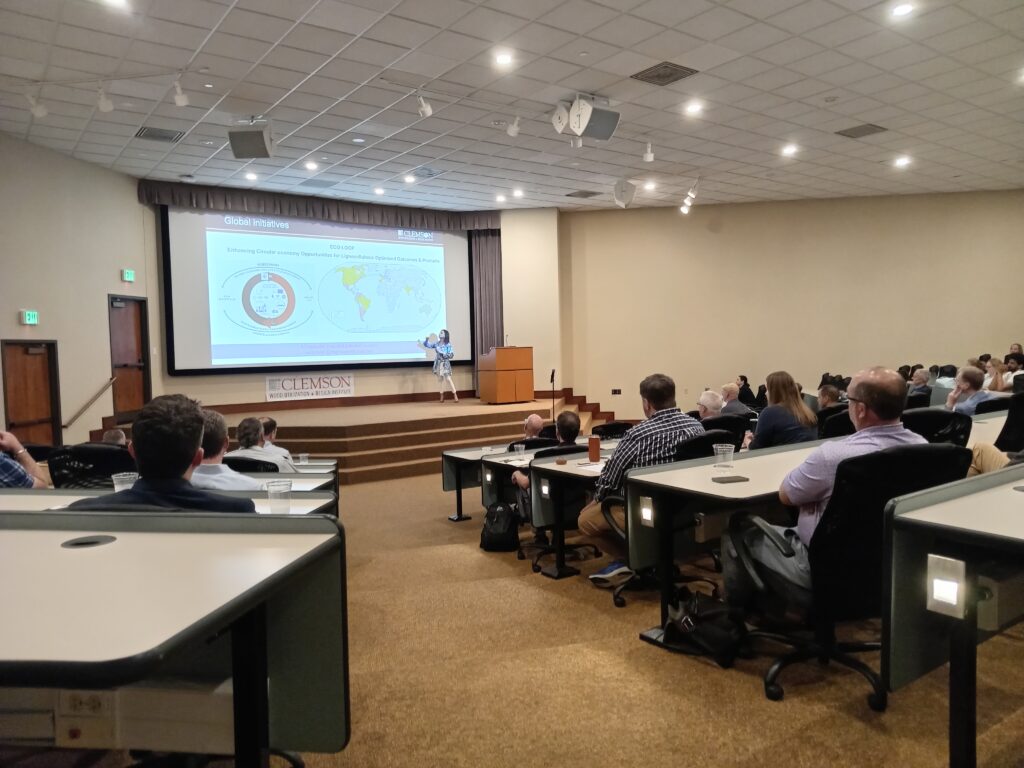
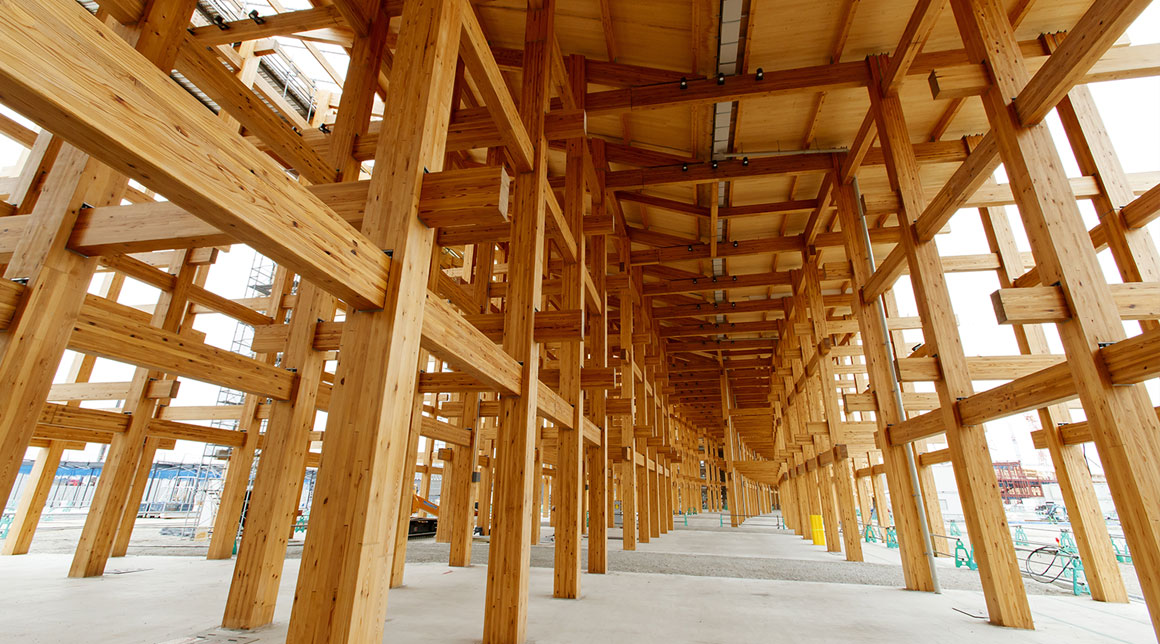
 In this newsletter you’ll find:
 ʼNa̱mǥis First Nation and the Province are one step closer to a joint decision-making agreement that will support predictable harvesting, job creation and sustainable forestry operations on the north Island. “The best way to move fibre is by working together and that is what we are accomplishing with the ʼNa̱mǥis First Nation,” said Ravi Parmar, Minister of Forests. “I am optimistic that this draft agreement will create good-paying jobs and help us in our efforts to provide stability and certainty for our coastal forestry sector, as we deal with Donald Trump’s attack on our forestry sector.” ʼNa̱mǥis First Nation and the Province have developed a first-of-its-kind draft Section 7 joint decision-making agreement for the forestry sector under the Declaration on the Rights of Indigenous Peoples Act (Declaration Act) and Forest Range and Practices Act.
  The Forest Enhancement Society of BC (FESBC) is accepting expressions of interest (EOI) for projects to assist the Province of British Columbia in advancing the environmental and resource stewardship of British Columbia’s forests. These projects must occur on provincial crown land and support one or more of the core purposes of the Society, which include:
 Don’t miss the September BCCFA newsletter with these headlines and more:
 Look for these stories and more in the Woodlots BC News:
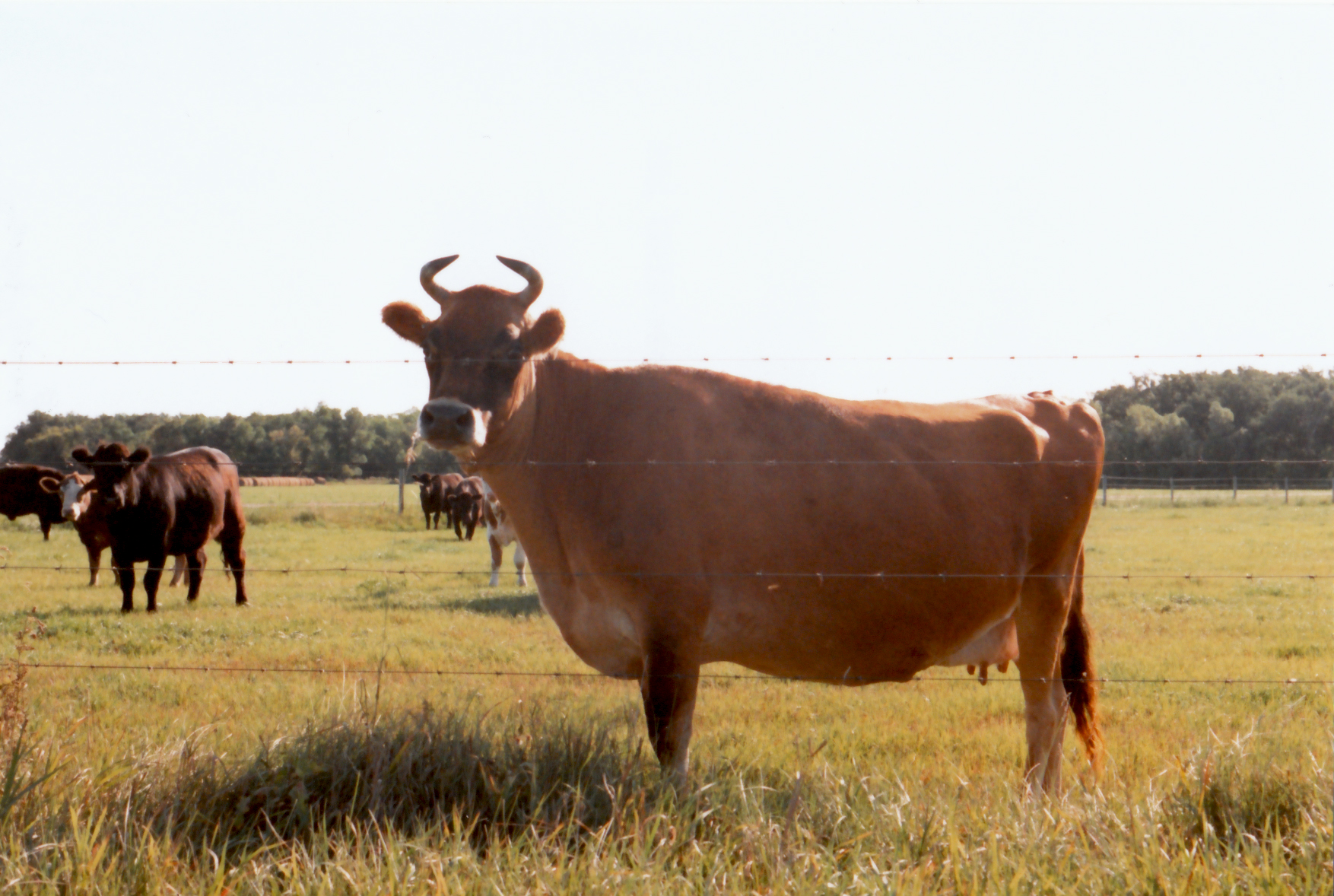 …the carcasses of 11 cattle were found on a logging road near Quesnel earlier this week… The owner of the animals, who holds tenure for an area of Crown land in B.C.’s Cariboo region, discovered the cows had ingested a nitrate-based fertilizer used in forestry to encourage tree growth, said Kevin Boon, of the B.C. Cattlemen’s Association. “They licked it, thinking it was salt, and died of nitrate poisoning,” he said. …Boon said the rancher … fears more may have been poisoned… The fertilizer is usually applied in the winter or early spring, while cows aren’t grazing in B.C.’s forests. It appears to have been done earlier this year, due to a “lack of understanding,” said Boon, emphasizing that it doesn’t appear to be deliberate. “When you have multiple tenure-holders on the land, there needs to be communication with the stakeholders,” he said. …B.C. Forests Ministry is aware of the situation and is investigating…
 Date: Wednesday, October 8, 2025 | Doors: 6 pm | Event: 7 pm | Reception: 8:30 pm | Location: Hollywood Theatre, 3123 W. Broadway, Vancouver
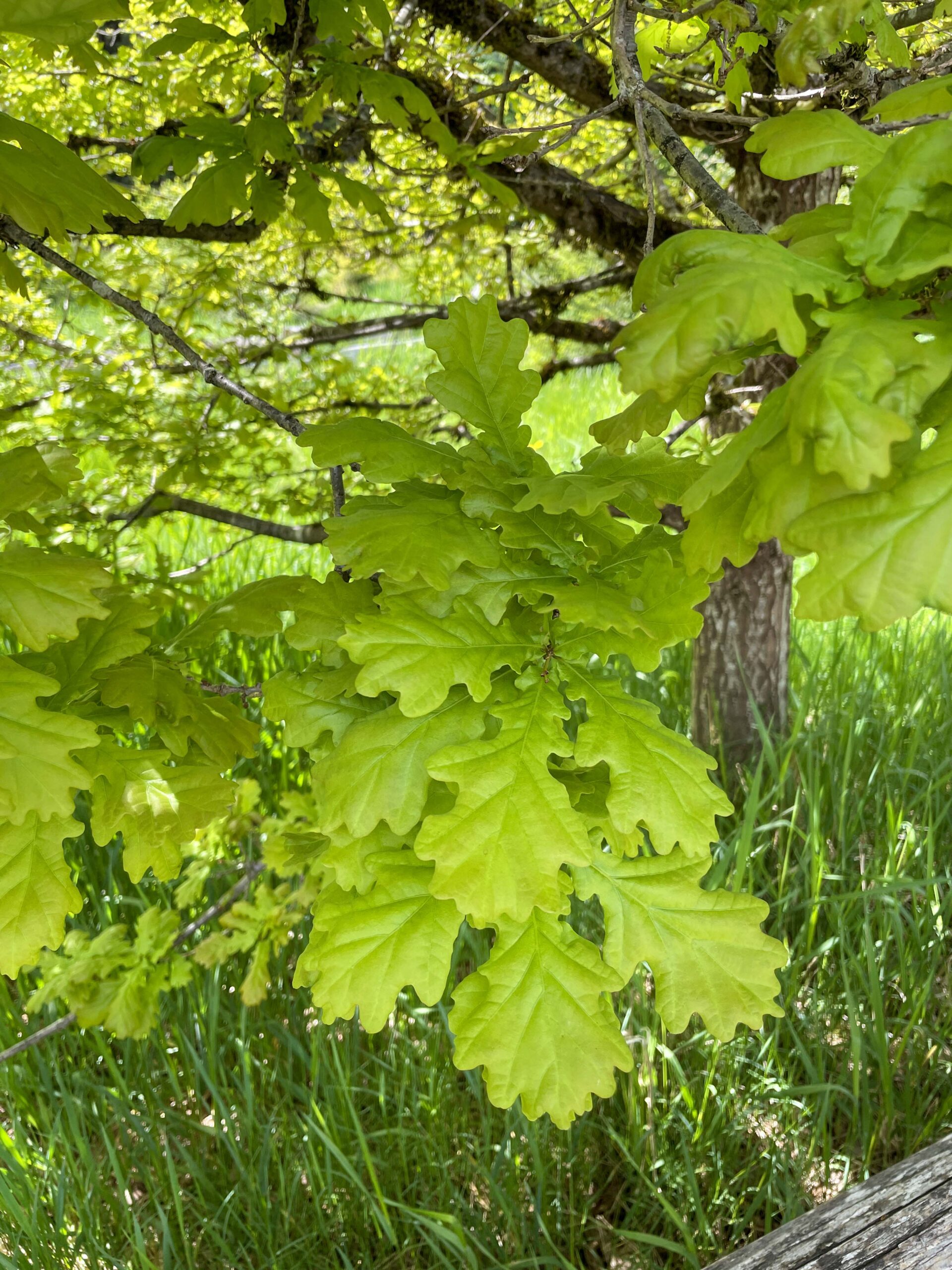 A group of University of Toronto forestry students collected acorns from a giant White Oak tree at Queen’s Park on Wednesday as part of an effort to preserve the diversity of Toronto’s native trees. Eric Davies, a forest ecologist at the University of Toronto, led a group of undergraduate students in the university’s foresters club as they gathered about six litres of acorns from a tree in Queen’s Park North, one of four remaining large White Oaks in the park. White Oaks, a common deciduous tree species in North America, are the largest and oldest trees in the green spaces outside the Ontario Legislature. …Davies said timing is key, as White Oaks produce acorns about once every five to 10 years — this year being one of them. …Davies said the students will donate most of the acorns to the City of Toronto’s tree seed diversity program in the next two weeks. Some of the acorns will be kept at U of T to be grown there, he added.
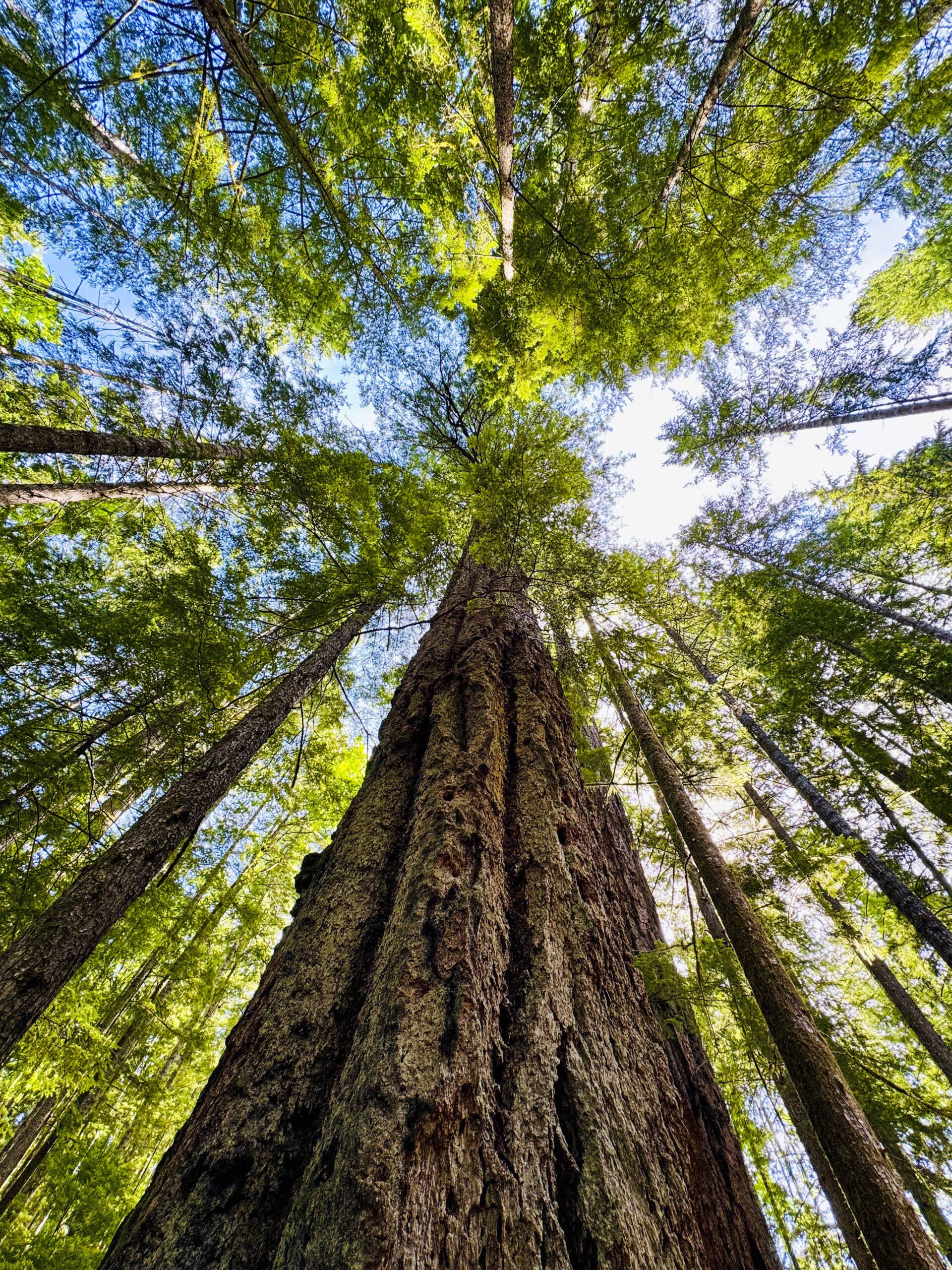 Drought and insects have killed an unprecedented number of Oregon’s Douglas fir trees during the last decade, costing billions in timber value, damaging infrastructure and ramping up wildfire danger. Beginning in 2015 and accelerating with the 2021 heat dome, roughly 635,000 acres of forest have been impacted by what’s known as Douglas fir “dieback” in southwest Oregon and the Willamette Valley. “It’s hitting trees of all sizes, but it’s hitting larger and older trees the hardest,” Max Bennett, a retired forest researcher with Oregon State University, told members of the Oregon Legislature on Sept. 30. “What we’re seeing now is unprecedented.” The dieback has led to $1.1 billion in lost timber value, $500 million in potential road hazard costs and created a tinderbox of forest fuel capable of spawning the West’s most destructive wildfires, a group of foresters and researchers told the House Committee on Agriculture, Land Use, Natural Resources and Water.
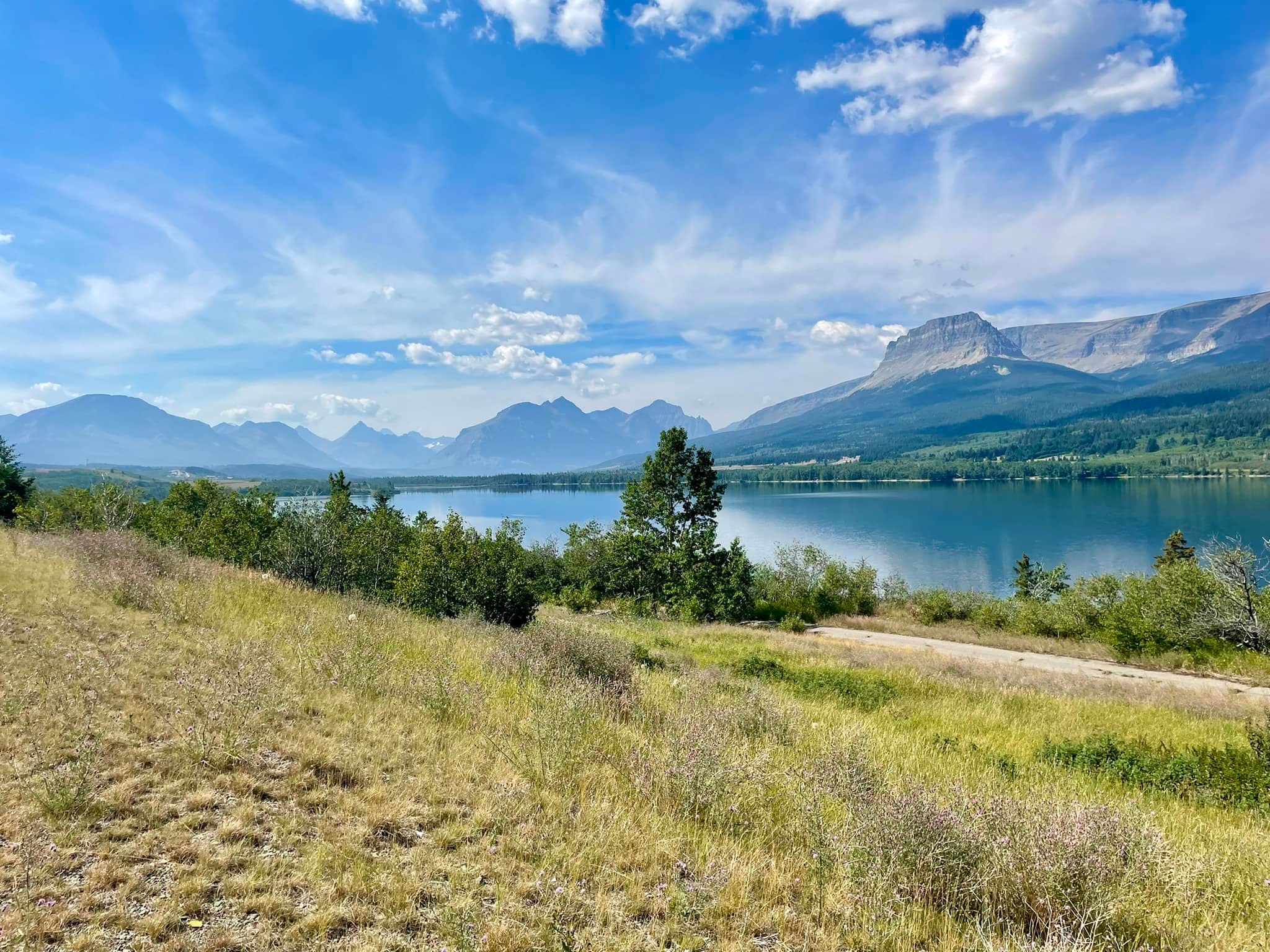 A coalition of conservation groups’ attempt to stop a forest project in Montana’s Bitterroot National Forest fell flat on Tuesday when a magistrate judge recommended the court toss their claims. In her findings and recommendations, U.S. Magistrate Judge Kathleen DeSoto noted inconsistencies in the conservation groups’ arguments across different filings, leading to many of their claims being waived. “Therefore, defendants argue, plaintiffs have conceded these issues,” DeSoto wrote. “Defendants further point out that several of plaintiffs’ arguments are raised for the first time on reply.” The groups challenged the planned Mud Creek Vegetation Management Project, claiming it violates multiple federal conservation acts by failing to provide exact details of where logging and burning will take place, as well as what effects it will have on the environment. The project will include logging, thinning, controlled burns and road construction on 48,000 acres of federal forest. It is intended to mitigate wildfire risk.
_-_%D8%A7%D8%B3%D8%AA%D8%A7%D9%86_%D9%82%D9%85.JPG)
 A breakthrough in the creation of an oral contraceptive for wildlife has been made by British researchers – in a significant step towards ethical grey squirrel management. Scientists at the Animal and Plant Health Agency (APHA) have achieved infertility in rats through free feeding of an oral immunocontraceptive, and say initial studies show the formula has also succeeded in attaining a reaction in grey squirrels. Funded by the UK Squirrel Accord (UKSA), the research will develop a vaccine-based contraceptive and species-specific feeder to reduce grey squirrel numbers for the protection of UK red squirrels, trees and woodland ecosystems. …Fertility control is used as a safe and non-lethal option to tackle wildlife problems. …This contraceptive affects an animal’s immune system to prevent it creating the sex hormones and causes infertility in both males and females. Developing a formula that can survive the body’s digestive processes and make it into the bloodstream is a real challenge.
 Josep “Pep” Canadell, executive director of the Global Carbon Project, says he believes countries large and small need to think twice before pledging to collectively plant billions of trees as a primary emissions-reduction strategy to meet climate action goals. “We have somehow sold reforestation as an easier path [to fighting climate change], and it’s not easy at all,” Canadell said. “In my view, it’s not even easier than carbon capture and storage, a technology we’re still developing. That’s because when you bring humans into landscapes and try managing these landscapes, this stuff becomes very complex.” Canadell is the co-author of a
 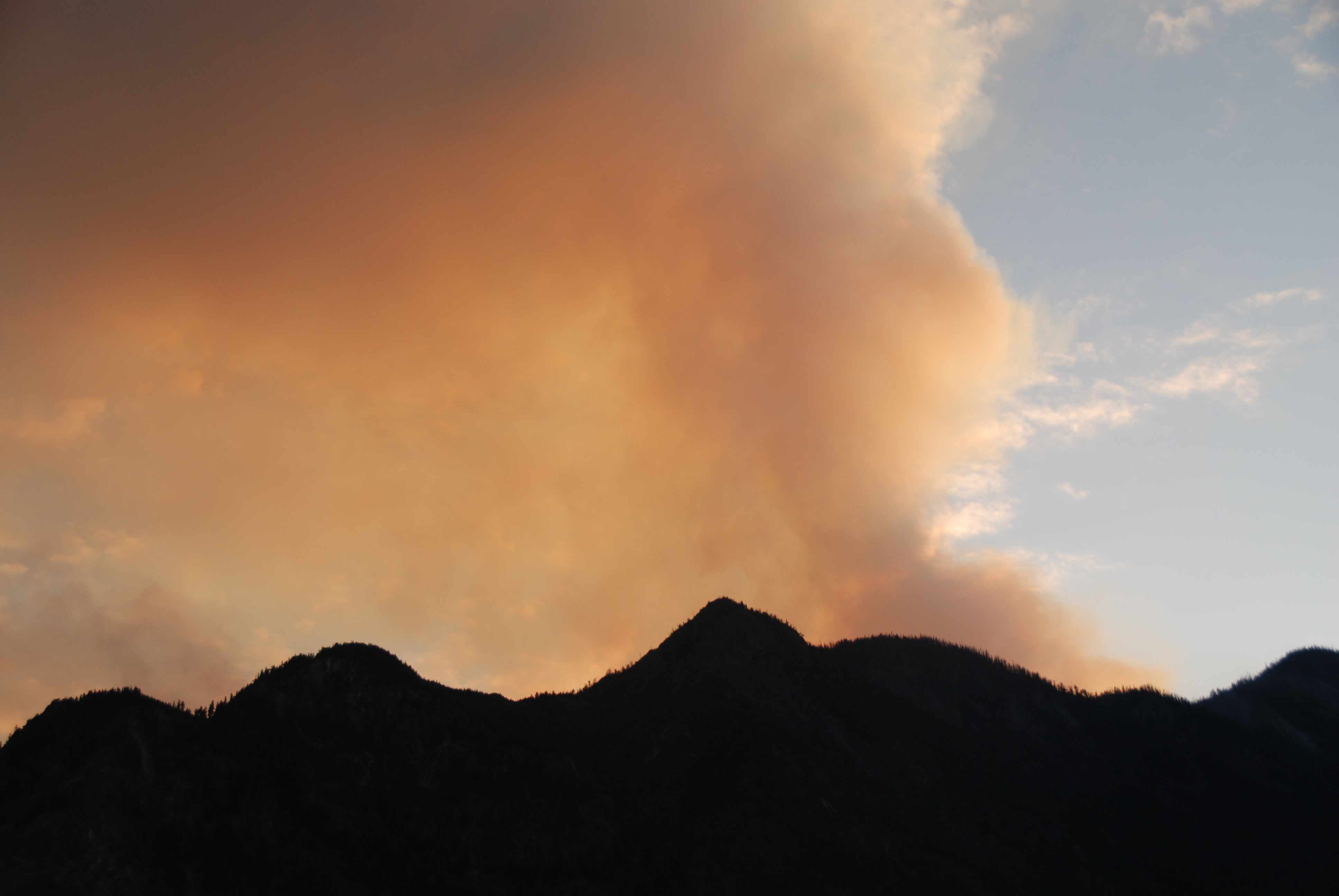 Nova Scotia’s Department of Natural Resources says more evacuations are possible as a fire near Lake George in the Annapolis Valley continues to burn out of control. Residents of … Aylesford Lake’s southwest end have been told to prepare to evacuate. The fire in Kings County, which broke out Sunday, is estimated to be 150 hectares. It had been pegged at 300 hectares Monday night but officials at a briefing Tuesday afternoon said that was the result of an overestimation due to dense smoke conditions. Jim Rudderham, DNR’s director of fleet and forest protection, told reporters the cause of the fire has not been determined but it’s presumed human activity is responsible since there has been no lightning in the area. “It’s frustrating for us and for everybody when this happens,” Rudderham said. No buildings have been damaged but 275 civic addresses have been evacuated and 56 others are under an evacuation alert. Some of those addresses are cottages.