
WorkSafeBC surplus spurs debate over possible breaks in forestry premiums. In other Business news: New Brunswick Premier Susan Holt and BC Forests Minister Ravi Parmar are open to lumber quotas to end the US trade fight; the US investigates Brazil’s forestry practices; AF&PA warns that EU rules risk $3.5B in exports; and the USDA commits $80M to expand timber markets. Meanwhile: Nova Scotia promises more wood heat and buildings following Northern Pulp’s asset sale; BC Premier Eby shuffles his cabinet; Cascades invests in its Quebec tissue plant; and US single-family housing starts fall while multifamily climbs.
In Forestry/Wildfire news: wilderness groups call for reform on private forest land; Canada partners with Trees for Life on urban planting; Woodlots BC seeks new board members; longleaf pine seed prospects are poor in the US Southeast; the Grand Canyon’s North Rim fire sparks debate on forest health; Sooke, BC’s fire danger rating hits extreme; Mount Hood hikers are ordered to evacuate; and the University of Oregon’s mass timber innovation project earns national recognition.
Finally, the Globe & Mail Editorial Board say it’s time to fight fire with fire in Canada.
Kelly McCloskey, Tree Frog News Editor

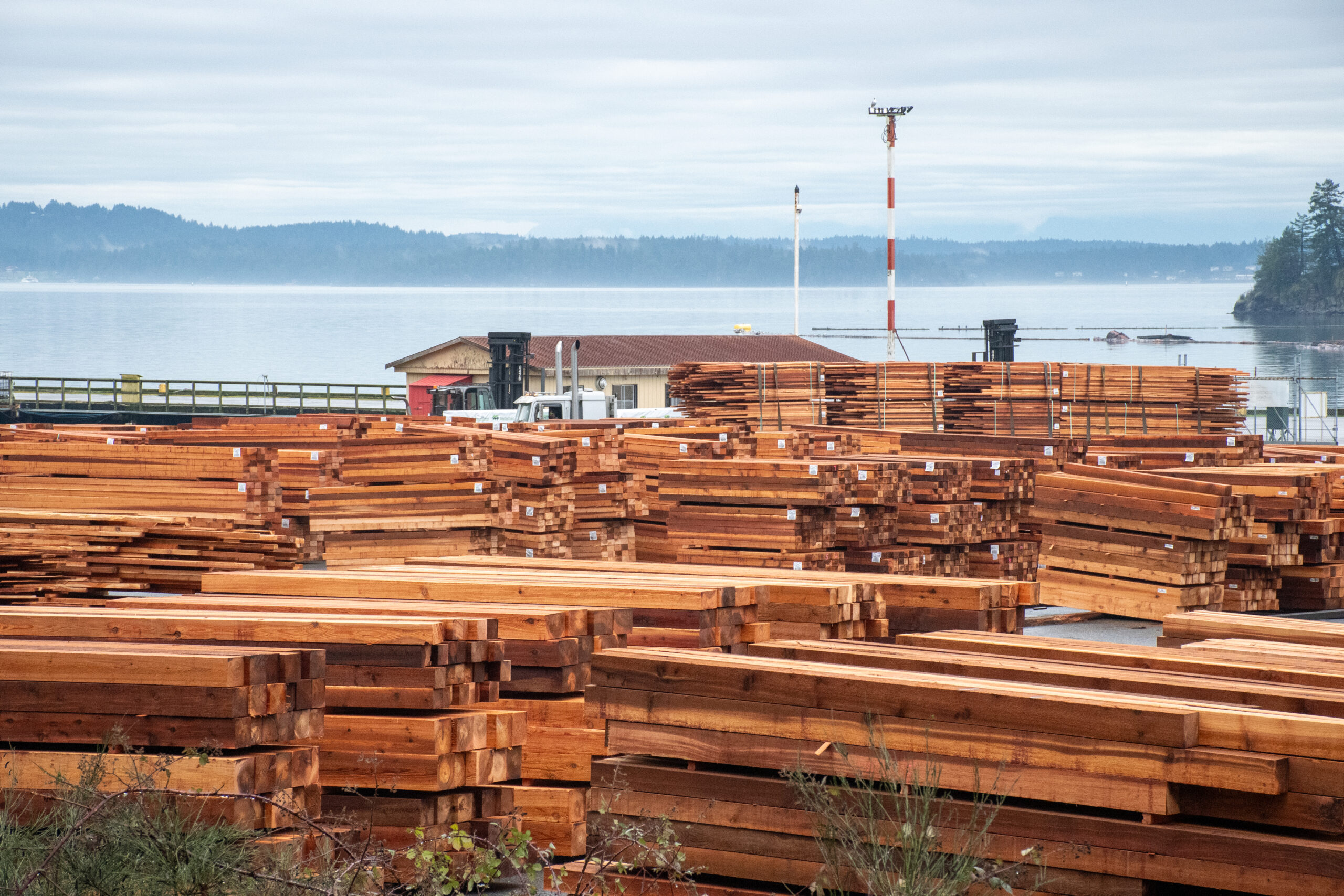 B.C.’s employers in forestry-related businesses, sawmilling, stone cutting and oil and gas field servicing could be seen as the biggest beneficiaries of WorkSafeBC’s $2 billion surplus as the corporation proposes cuts to their service premiums approaching 40 per cent or more. WorkSafeBC’s policy is to maintain enough of a surplus “to avoid rate volatility” during economically difficult times. The corporation’s 2024 surplus, however, is equivalent to 141 per cent of liabilities, far more than its 130 per cent target. The corporation says its strong financial position has been helped along by “higher than-required investment returns,” according to WorkSafe’s statement, which is similar to workers-compensation agencies across the country. Ontario’s Workplace Safety and Insurance Board has used its 2024 surplus to issue $4 billion in rebates, over two rounds, to employers and in May, the Workers’ Compensation Board of Manitoba did likewise with $122 million in rebates, which is something the Canadian Federation of Business would like to see.
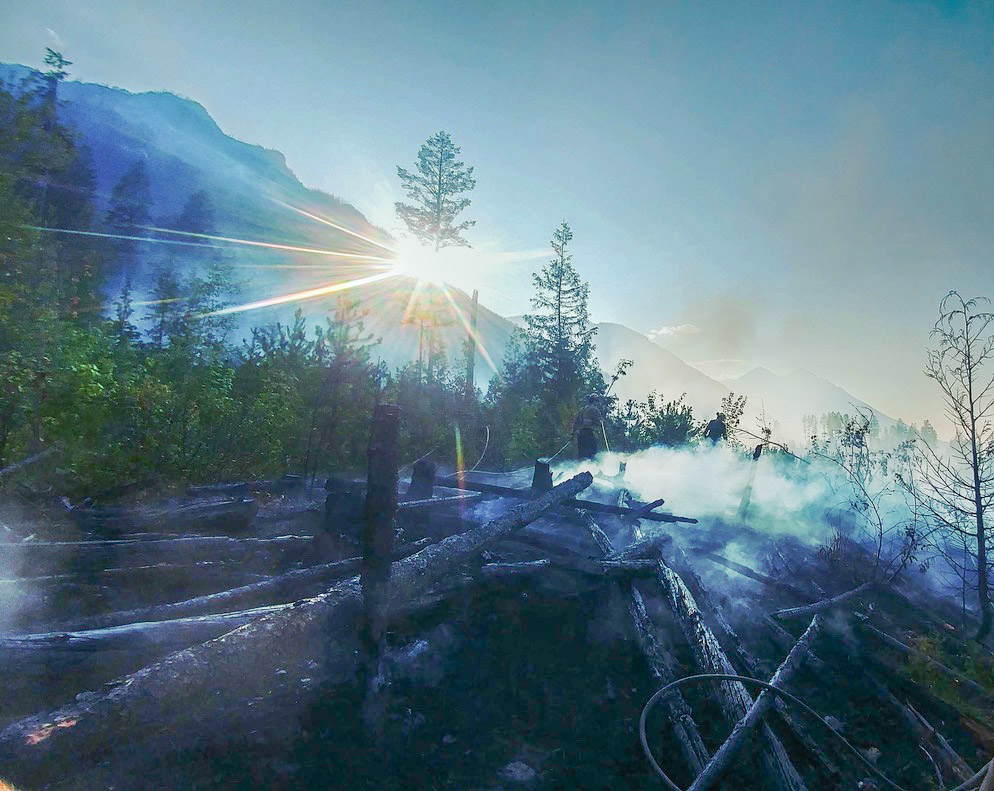
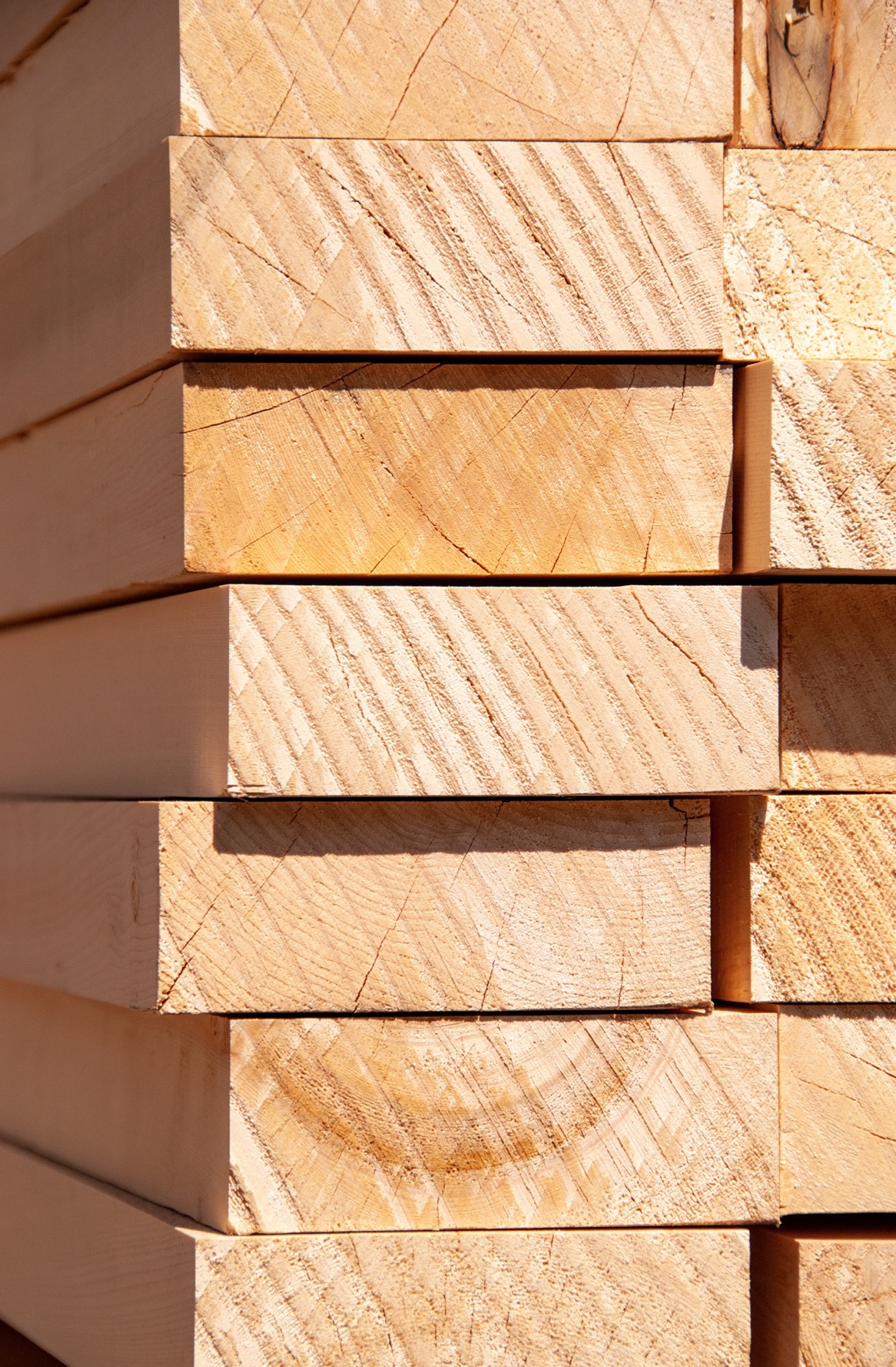 NAPLES, Idaho — A fast-moving fire broke out Sunday, scorching 20 acres and causing millions of dollars in damage to two family-run logging businesses, according to one of the families affected. The Clover Fire was 75% contained by 2 p.m. Monday, roughly 24 hours after it began, according to Lizz Bloxsom, an incident command trainee with the Idaho Department of Lands. Full containment is expected by 8 p.m. this evening, ahead of a storm forecast to bring strong winds overnight. …Most of the damage occurred on the neighboring properties of the Sandelin family and the Tweet family. The Sandelins run the small logging business, UTR Land Management, and the Tweets run a family-owned business, SGA Cabin & Timber. A member of the Sandelin family, who requested to remain unnamed, said damage to the lumberyard — including a razed sawmill and barn, over 300 truckloads of lumber, and industrial machinery — will cost their family millions of dollars.

 Don’t miss the BC Wood newsletter. Headlines include:
 Join us for our 22nd Annual GBM September 4th to 6th, where we will host international buyers and specifiers from all around the world, to meet our Canadian suppliers in Whistler. If you are an industry member and thinking about exhibiting to get yourself in front of these buyers and decision-makers, ACT FAST! We only have 5 booth spaces left, and they will go on a first-come basis. Industry surveys from 2024 indicated an anticipated $37 million in new sales from contacts made at the GBM. We anticipate many “new to GBM” Buyers again this year, and with hard work of our overseas staff, the continued assistance of the federal International Trade Commissioner Service and the provincial Trade & Investment Representatives abroad, we expect an excellent group of Buyers from across the globe. As usual, we will host BC Wood’s AGM, deliver Specifier Workshops and the exclusive Building Connections program.
 The Province is making wood construction and heating a priority in public buildings. All departments have been directed to look for every opportunity to use mass timber, wood pellets, biomass, biofuels and other products made with wood that is leftover from sustainable harvesting and sawmilling. “Government is leading by example and using more wood products in our own buildings. It’s one of many steps our government is taking to make Nova Scotia more self-reliant and energy secure and to grow our economy and create jobs through innovation in our forestry sector,” said Public Works Minister Fred Tilley. Departments will prioritize wood products in new construction, renovations and conversions from oil heat. They will also make it a priority where applicable in projects that are partially or completely funded by the government. This focus aligns with the Nova Scotia Loyal program, reduces reliance on imports and enhances export markets.
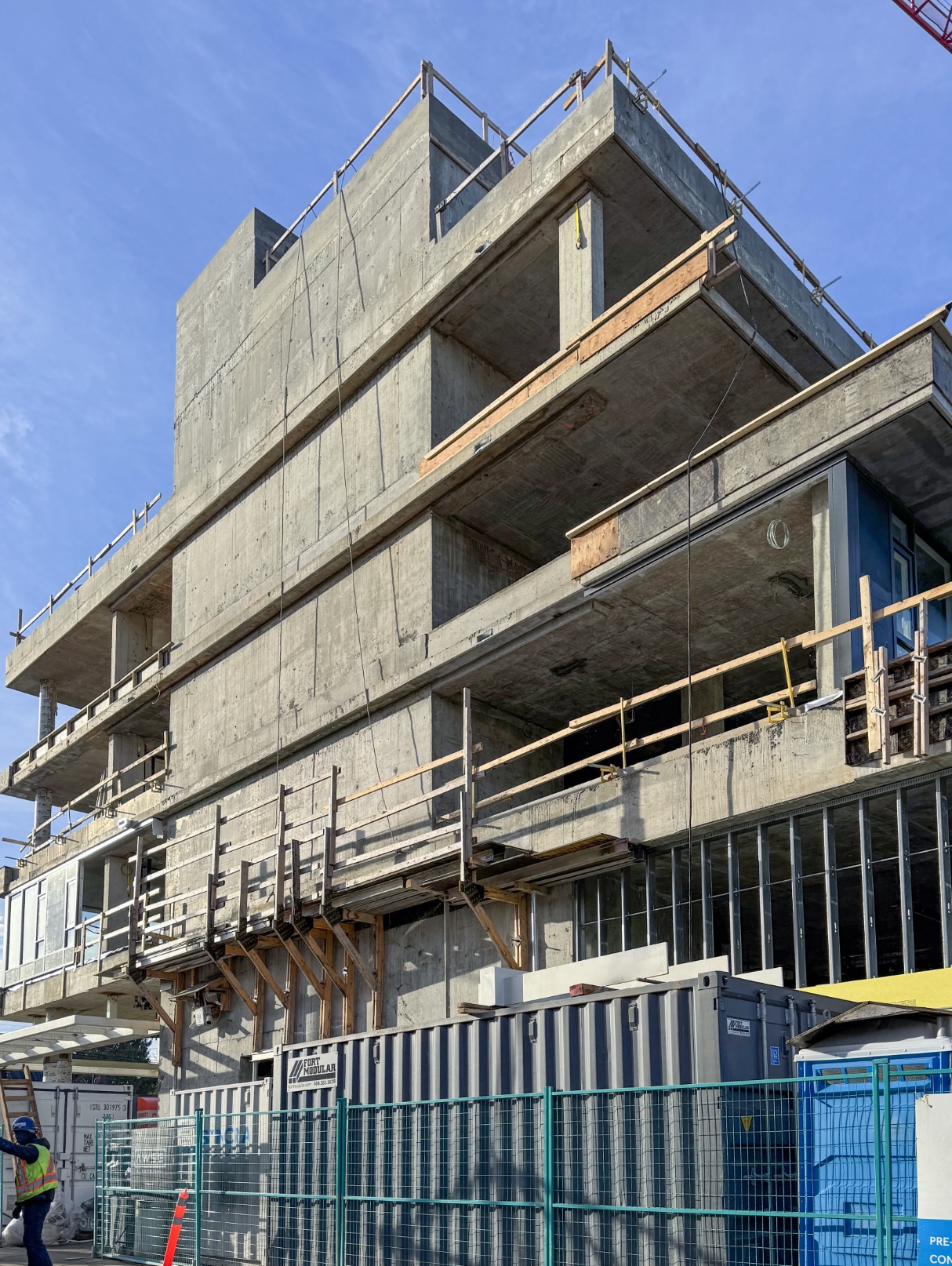 Replacing concrete and steel with mass timber in buildings could significantly reduce global carbon emissions and spur the expansion of intensively managed forests, a new study by Yale School of the Environment research scientists found. Published in


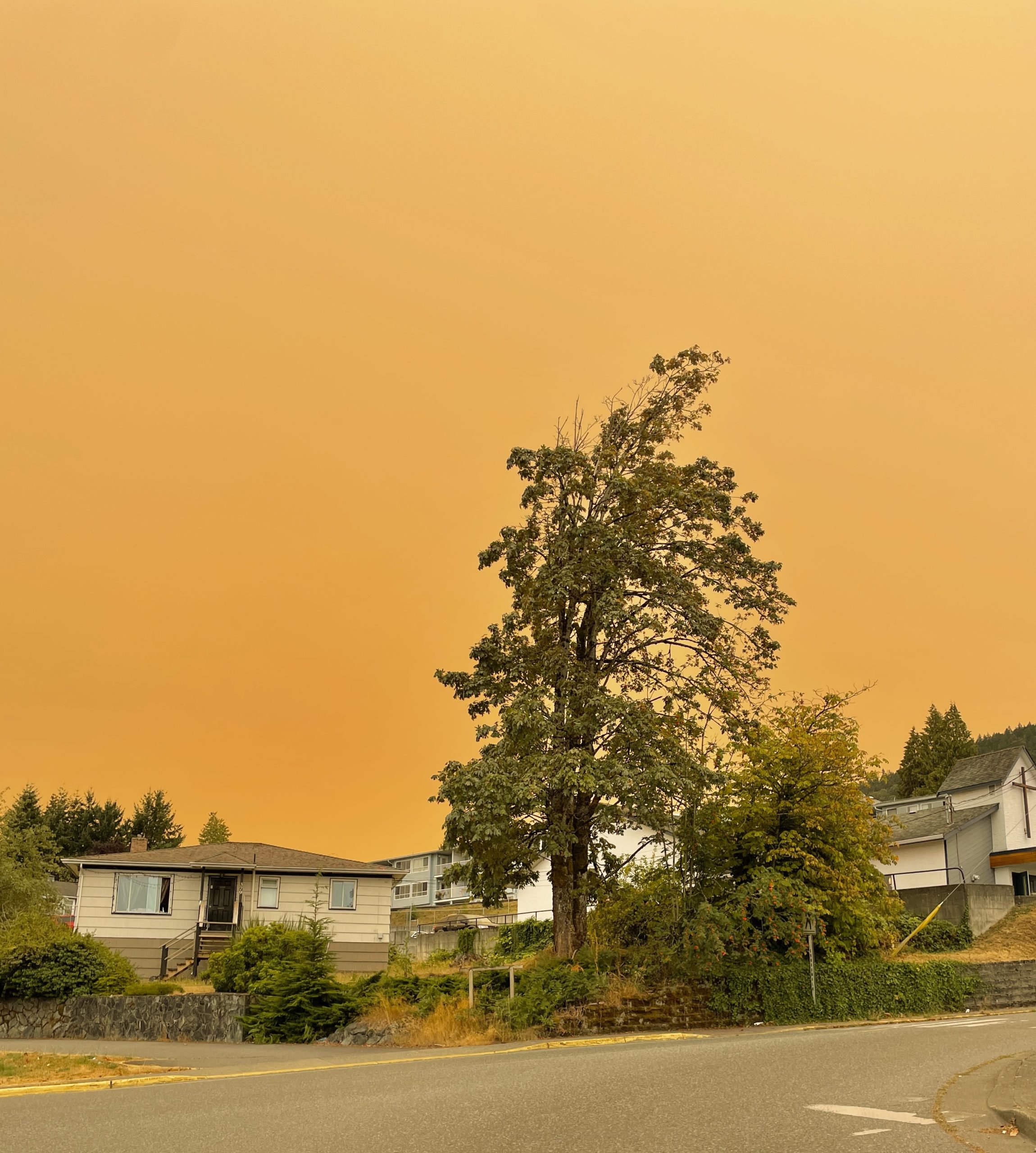 Hundreds of wildfires are burning across the Western states, Alaska and Canada as fire season perks up amid a sprawling heat wave and widespread dry conditions. …Fires are being fueled by widespread high temperatures and dry conditions. …The preparedness level is at 4 out of 5 for the U.S., and 5 out of 5 in Canada. Intense fire behavior was reported in 10 western US states over recent days in regions afflicted by heat and drought. …Alaska has seen major wildfire activity over the past week, with more than 300,000 of the 750,000 acres burned this year going up in flames, according to the Alaska Division of Forestry & Fire Protection. …After a bit of a lull in firestorms in late June to early July, Canadian wildfires returned in a big way. More than 350 fires are burning out of control across the western two-thirds of the nation. Among the most concerning fires flaring, many are in Manitoba. [A Washington Post subscription is required for full access to this story]
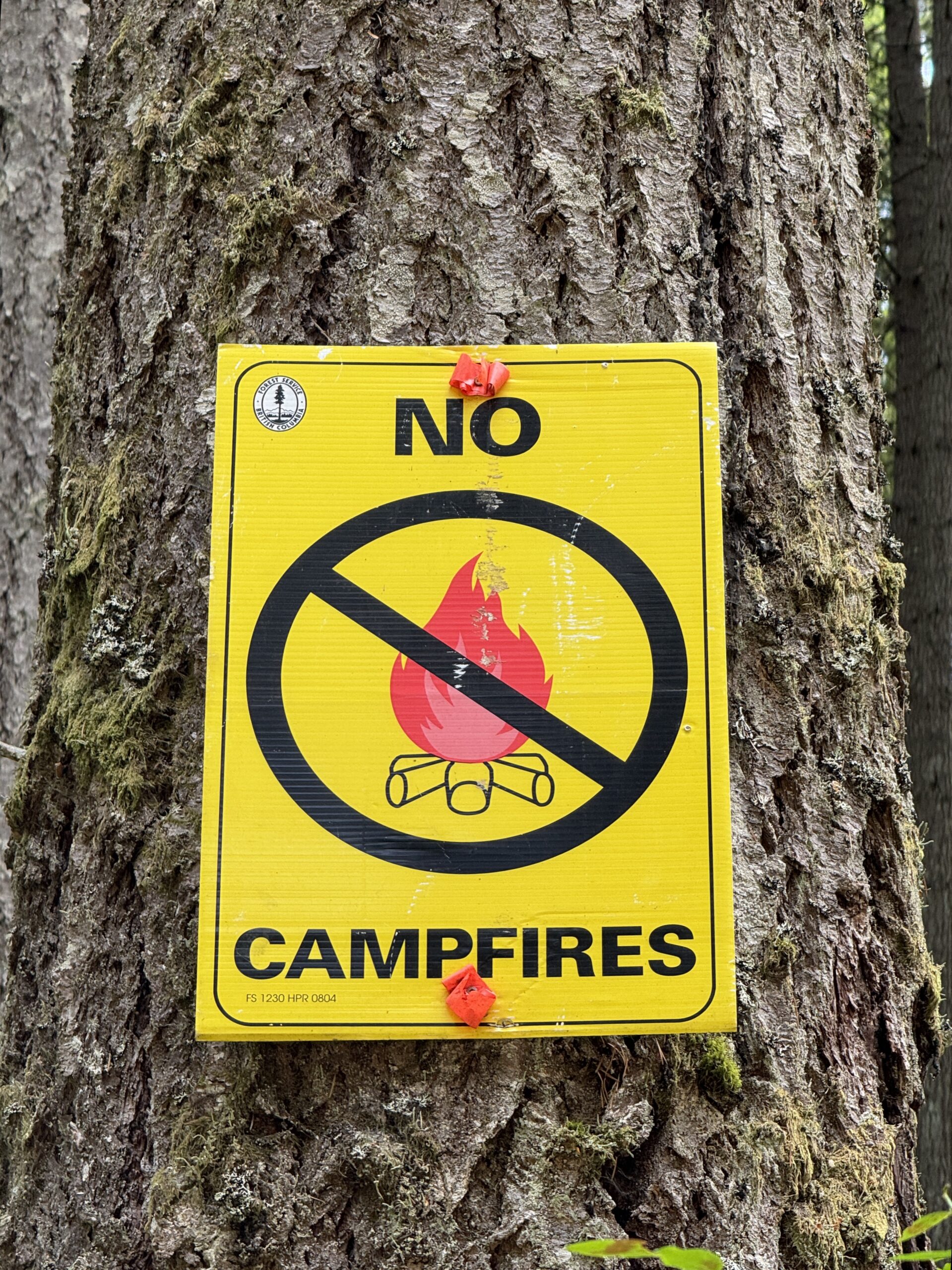 The Coastal Fire Centre will put a campfire ban into effect this week. The ban will be in place starting at noon on Thursday, July 17, noted a Coastal Fire Centre information bulletin issued Tuesday, July 15. Campfires will be prohibited on Vancouver Island and throughout the Coastal Fire Centre region with the exception of Haida Gwaii and the portion of the Central Coast Regional District within the North Island Central Forest District. Existing open fire prohibitions in the Coastal Fire Centre’s jurisdiction enacted May 30 will remain in place, and fireworks and burn barrels are restricted in most areas. “Open fire is the largest cause of human-caused fires provincially,” noted the information bulletin. “Human-caused wildfires are entirely preventable and may divert crucial resources from naturally occurring and/or existing wildfires.” The campfire ban and previous burning bans will be in place until Oct. 31 or until the orders are rescinded.
 A new peer-reviewed scientific study [

 Oregon’s forestry board has long had the power to hire and fire the state forester, who oversees logging and environmental protections on state lands, as well as firefighting across millions of acres of public and private land. But the board lost that hiring-and-firing power this session with Senate Bill 1051, which handed it over to the governor. This bill has left many forestry board members wondering how much authority they still have. “Right now, after the passage of this senate bill, I have very little reason to trust your office,” vice chair Brenda McComb told members of Gov. Tina Kotek’s staff at the board’s Wednesday meeting. There’s a lot riding on forest management in Oregon. Revenues raised from logging trees on state lands help fund rural schools and some county budgets. Timber sales are also a key revenue source for the Oregon Department of Forestry, which fights fires on about 12 million acres of private land.
 Could President Donald Trump’s strategies help revive Washington’s diminished timber industry? For nearly a century, Washington’s timber industry produced everything from paper and two-by-fours to the massive wood beams that hold up the Tacoma Dome. Lumber mills were the backbone of logging towns throughout the Northwest. But the industry has been on a long decline since the 1990s. Now, Trump wants to reduce foreign competition and increase US logging to bring back those jobs. To find out whether it could work, KUOW visited a sawmill in Morton, a small town in the foothills of Mount Rainier. …Today, the state has about 100,000 timber-related jobs, including mills. That means Washington has lost about a quarter of its timber jobs in the last thirty years. The loss has been devastating to rural communities built around those sawmills, like Morton, Washington. …The Hampton Mill is still the economic heart of the community today. It’s survived the waves of closures over the years.
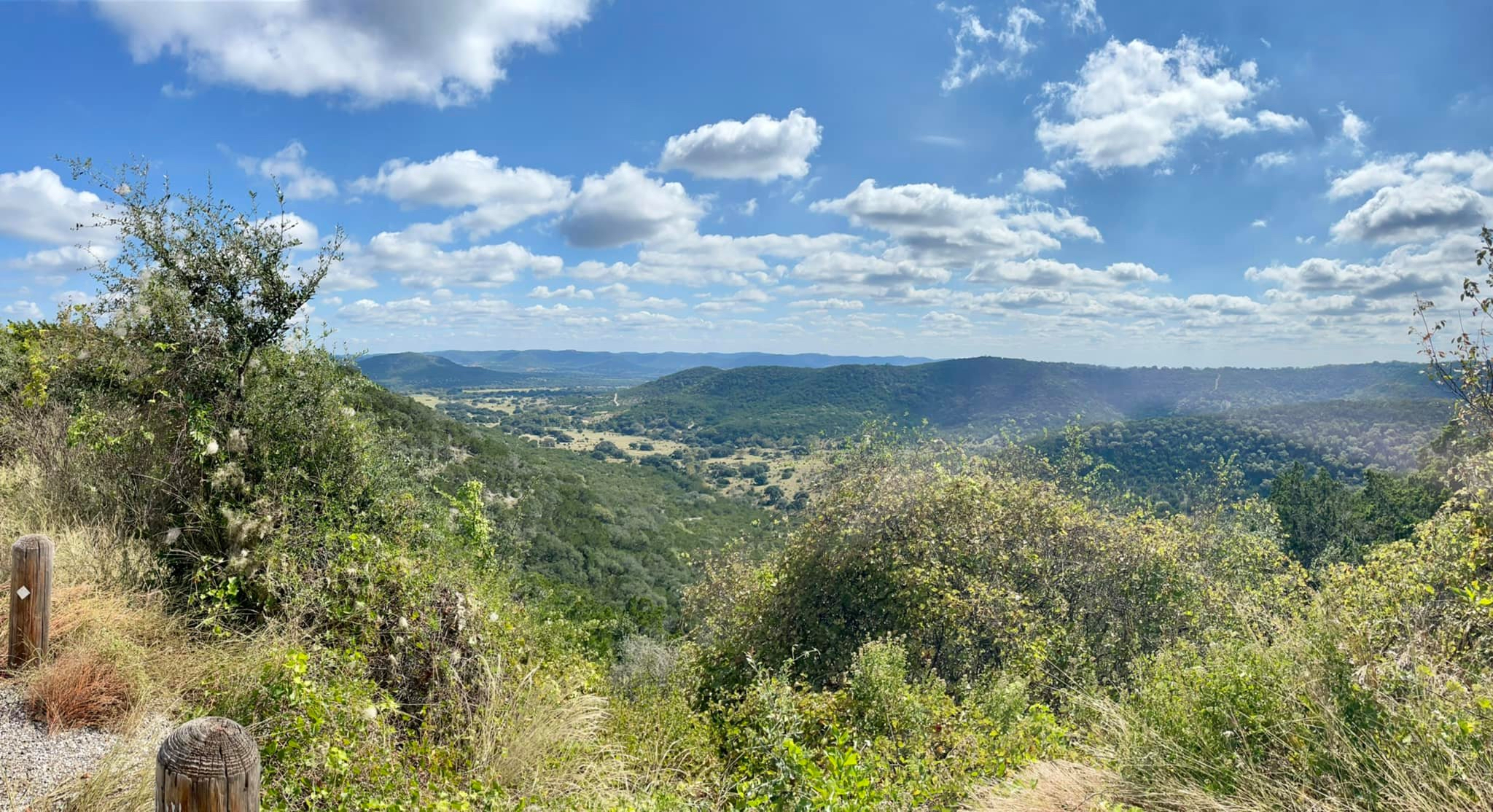 WASHINGTON, D.C. — Colorado Senator Michael Bennet and Representative Joe Neguse, along with other politicians, introduced the Joint Chiefs Reauthorization Act. This legislation would reauthorize the program to better support forest and grassland restoration projects on both public and private lands. “Our Western forests, grasslands, and watersheds are as important to our economy as the Lincoln Tunnel is to New York, but they are under threat from a changing climate and consistent federal underinvestment,” said Bennet. …Bennet mentioned that strengthening the program will ensure that restoring landscapes, protecting water supplies, and reducing wildfire risks can continue for future generations. “Western and Northern Colorado are all too familiar with the increasing frequency and intensity of wildfires,” said Neguse.


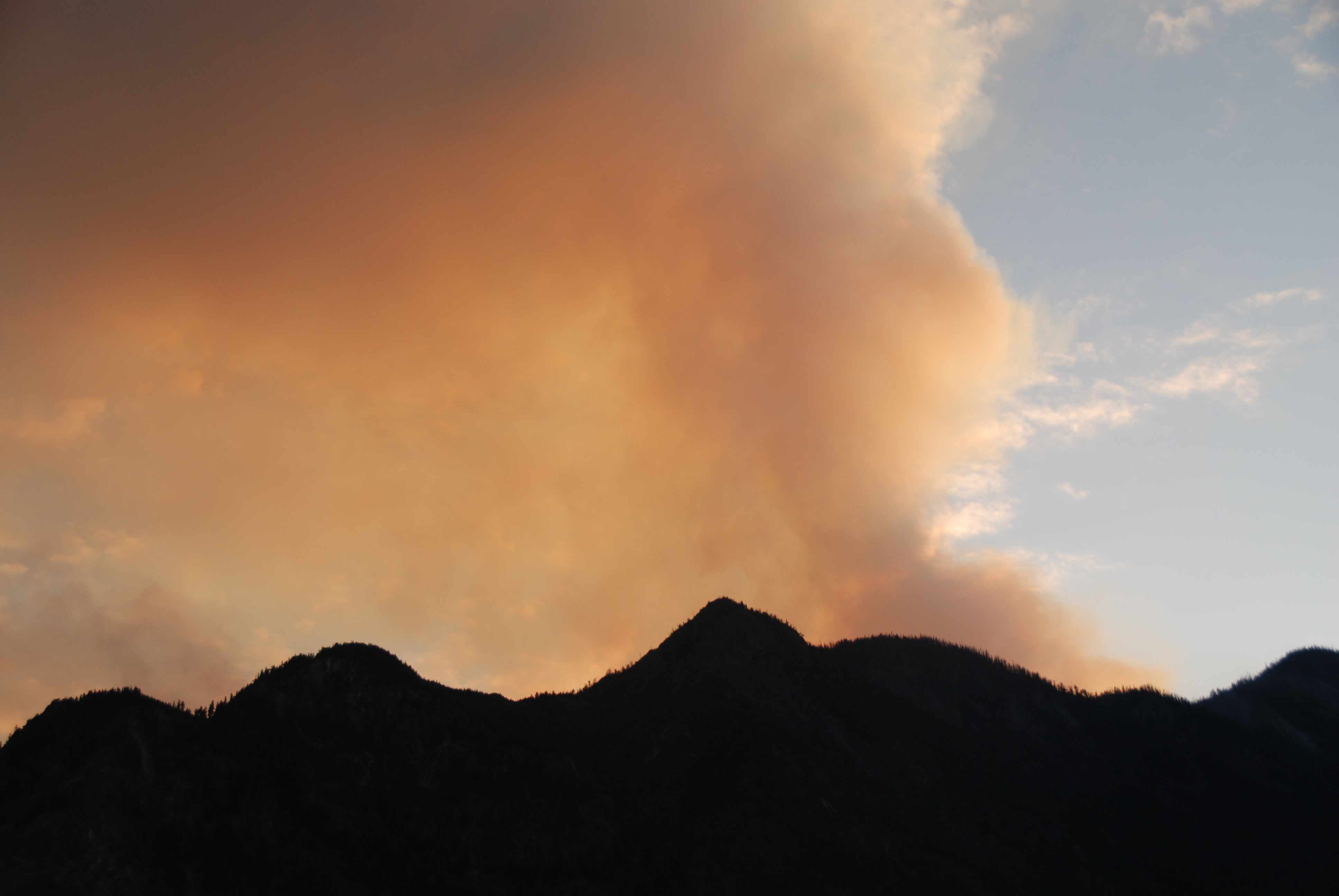 BRUSSELS – Wildfires have scorched hotspots in several Mediterranean countries this month, with blazes forcing thousands of people into lockdown in Catalonia in Spain, and encroaching on France’s second-biggest city of Marseille. …European wildfires have burnt 227,000 hectares of land since the beginning of the year – more than double the average for this time of year over the past two decades, according to the EU’s European Forest Fire Information System. …It’s not yet clear if 2025 will be a record year, as that will depend on how the fire season evolves in the coming months. The number of fires in Europe has also surged this year so far, with 1,118 blazes detected as of July 8, versus 716 in the same period last year, EFFIS said. …Scientists say the Mediterranean region’s hotter, drier summers put it at high risk of wildfires. …Climate change exacerbates this risk , by creating hotter and drier background conditions.

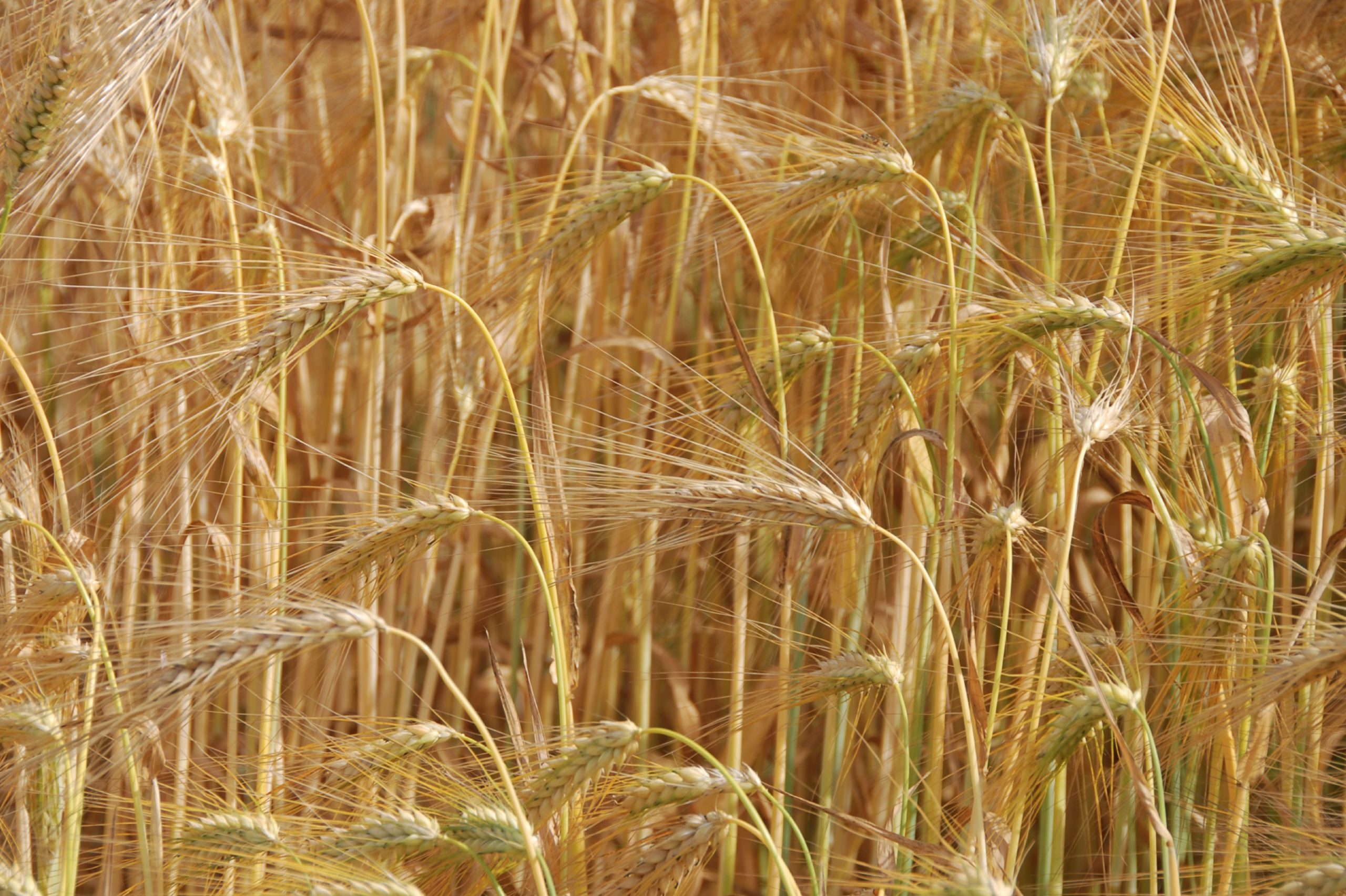 A Norwegian start up is showing how a little black powder could have a big impact on farming — from healthier livestock to stronger soils and a more climate-friendly future. Why it matters: The ongoing emphasis on reducing antibiotic use in livestock production and increasing soil health means farmers are looking for new tools to help them achieve this. Obiochar, based in rural Norway about 120 kilometres north of Oslo, is using a fully automated system to turn biomass – in this case dead trees from nearby forests that can’t be used by the lumber industry – into a powerful tool for agriculture. And while biochar itself isn’t new, Obiochar ‘s unique, dual-focused approach to using biochar is setting it apart from its competitors. The company is developing biochar products both for livestock gut health in the form of feed additives and soil enhancement as an amendment.
 Summer camps and daycares are being forced to shift their plans amid stifling heat and poor air quality caused by wildfire smoke drifting across Central Canada, the Prairies and other parts of the country. Special air quality statements or warnings were in effect Tuesday for a second day across several provinces and territories, combined with heat warnings that stretched from Ontario to Prince Edward Island. Smoky air in the Toronto area prompted many camps to field calls from concerned parents and make last-minute changes, especially on Monday, when the city was under a warning due to the Air Quality Health Index reaching the “very high risk” rating of over 10. Adib Razavi, director of Toronto Athletic Camps, said they received hundreds of calls on Monday morning from parents who wanted to know how their kids’ activities were being adjusted.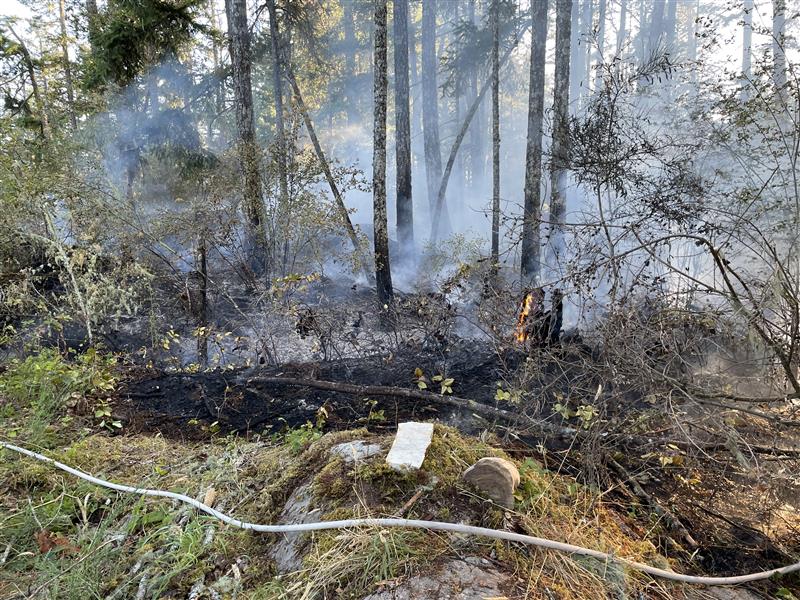
 DRYDEN — Ten new forest fires in Northwestern Ontario over the weekend brought the total number of active fires in the region to 52. The Ministry of Natural Resources reports that one of the new outbreaks is an extension of a wildfire burning in Manitoba. That province’s EA061 fire has burned 278,000 hectares there, and 228 hectares in Ontario, as of Sunday evening. It’s located about 10 kilometres west of Bulging Lake in Woodland Caribou Provincial Park. Among other new fires of note in the Northwest, a 394-hectare blaze is burning four kilometres northwest of Grist Lake in the MNR’s Red Lake sector. The ministry reports the wildland fire hazard is low to moderate in most of the region, except for along the Ontario-Manitoba border from the Rainy River area to Opasquia Provincial Park, 250 kilometres north of Red Lake, where the hazard is mainly high.
  The Laguna Fire approximately 25 miles west of Abiquiú has grown to more than 15,000 acres, and prompted evacuation orders more than two weeks after Santa Fe National Forest officials announced their plans to let the fire safely grow instead of suppressing it immediately. On June 30, the Santa Fe National Forest announced that lightning caused the 176-acre fire and that they were going to “actively manage” the blaze, hoping to encourage low-intensity fire to spread across a roughly 13,000 mile area. Noting that the fire was burning in an area that had undergone a National Environmental Policy Act review, and had previously been subject to prescribed burns and thinning, Santa Fe National Forest Deputy Forest Supervisor Anthony Madrid said the fire presented “an opportunity to create a resilient ecosystem that reduces the future risk of catastrophic severe wildfire to communities.”