
Cascades will permanently close its Niagara Falls, New York, corrugated medium facility, affecting 123 workers. In related news: Newfoundland’s Corner Brook pulp mill faces contamination claim; the US Hardwood Forestry Fund winds down after 35 years; and the US moves forward on trade cases targeting hardwood plywood from China et al. Meanwhile, Trump has pushed his tariff deadline to August 1; the Bank of America warns tariffs could raise US homebuilding costs; Oregon researchers say wood outperforms plastic in healthcare settings; and Ireland launches a new timber construction R&D strategy.
In Forestry/Wildfire news: BC’s fire season is quieter than past years but risks persist; BC Timber Sales proposes logging and fire mitigation near Nelson; Montana advances a forest conservation deal with Green Diamond; New Zealand supports Manitoba’s wildfire efforts; Spain reports progress on the Paüls wildfire, and France battles a fire near Marseille. Meanwhile: Canada’s wood pellet industry conference touts biomass for a low-carbon future; while David Suzuki says the fight against climate change is lost.
Finally, could support-exoskeletons reduce forestry’s injury rate? Texas researchers say yes.
Kelly McCloskey, Tree Frog News Editor
 OTTAWA — The federal government is taking steps to help people who have lost important documents as a result of wildfires this year. Lena Diab, the federal minister of immigration, refugees and citizenship, announced special measures to help people displaced by wildfires and evacuations earlier this year. According to Diab’s announcement, Canadian citizens and permanent residents whose documents like passports, citizenship certificates and permanent resident cards were lost or damaged because of wildfires this year can apply for free replacements. …Temporary residents… who were impacted by wildfires can also apply to restore or extend their status in Canada or renew their permits free of charge. The 90-day requirement for temporary residents to apply for the restoration of their status is also being waived for people impacted by wildfires, and foreign emergency workers coming to help fight wildfires in Canada are having their application and biometric fees waived.
 President Donald Trump’s trade war risks reigniting next week when a

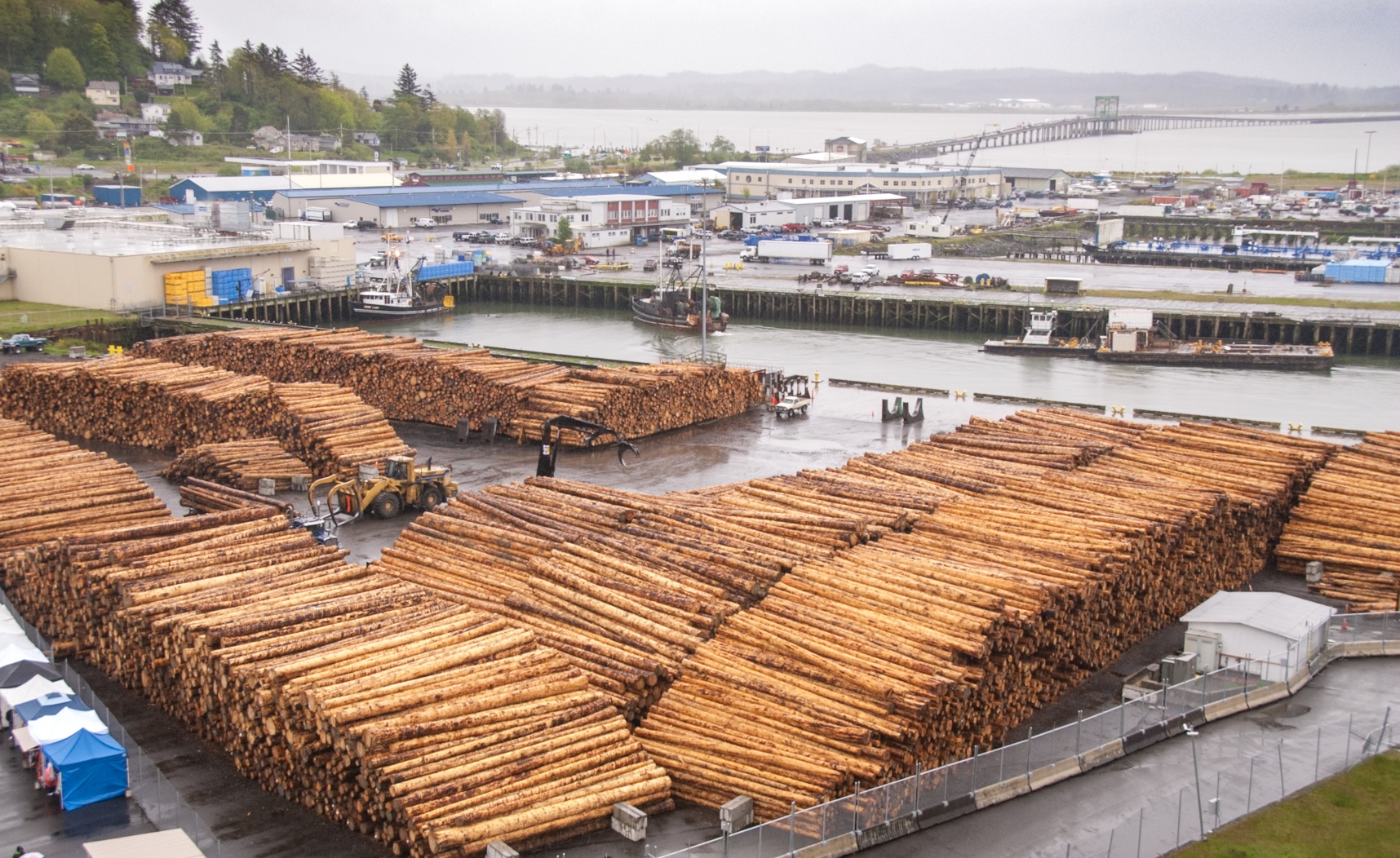 Congressional Republicans have passed their domestic policy bill that makes sweeping changes to entitlement programs like Medicaid and SNAP, significantly increases funding for immigration enforcement efforts and cuts funding for a number of environmental programs. …In Oregon, the impacts of the legislation will be significant. An analysis …found the state would be disproportionately hit by the cuts to Medicaid. The Senate’s version of the bill would also cut funds to the state’s timber counties, and could reshape Oregonian college tuition and student loans. …Oregon will see more logging, less timber money going to local communities and less support for private forest owners. …However much more is logged, Oregon counties will not get a cut. That’s a change from current practice. Many counties in rural areas rely on a cut of revenues from timber sales on federal public lands to pay for schools, law enforcement and public infrastructure.
 The fashion industry is often seen as a voracious, thirsty villain that extracts billions of liters of water out of the environment. …These conditions are the biggest ‘WHY’ for Spinnova, a Finnish startup that works tirelessly to create technology for sustainable natural fibers to match its growing demand. …But before we delve into the details, would you believe the core idea for Spinnova was actually born from… a spiderweb? Back in 2009, Juha Salmela, a cellulose expert from Finland attended an Oxford University conference. He heard a presentation from a leading spider researcher, who explained the similarities between spiderweb’s protein and nanocellulose. And, that happened to be his Eureka moment. What if wood fiber could be spun into textile fiber in a similar manner? Fast forward to 2023, the wood-based Spinnova fiber was born. …The process at Spinnova starts with sourcing cellulose-rich raw materials such as FSC-certified wood pulp.


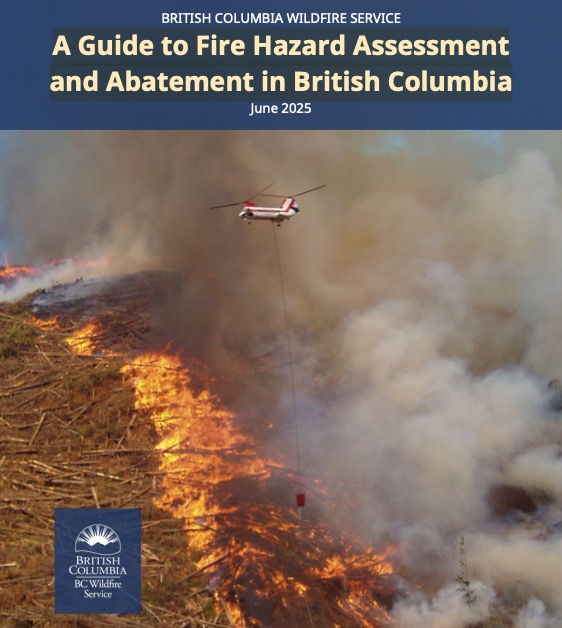 Fire hazard assessments and hazard abatement are key activities in reducing the potential threat of wildfires arising from fuels left on the land base following industrial activities. Under the Wildfire Act a person carrying out an industrial activity or prescribed activity is required to assess and abate fire hazards as necessary. The BC Wildfire Service has developed
  At
At 
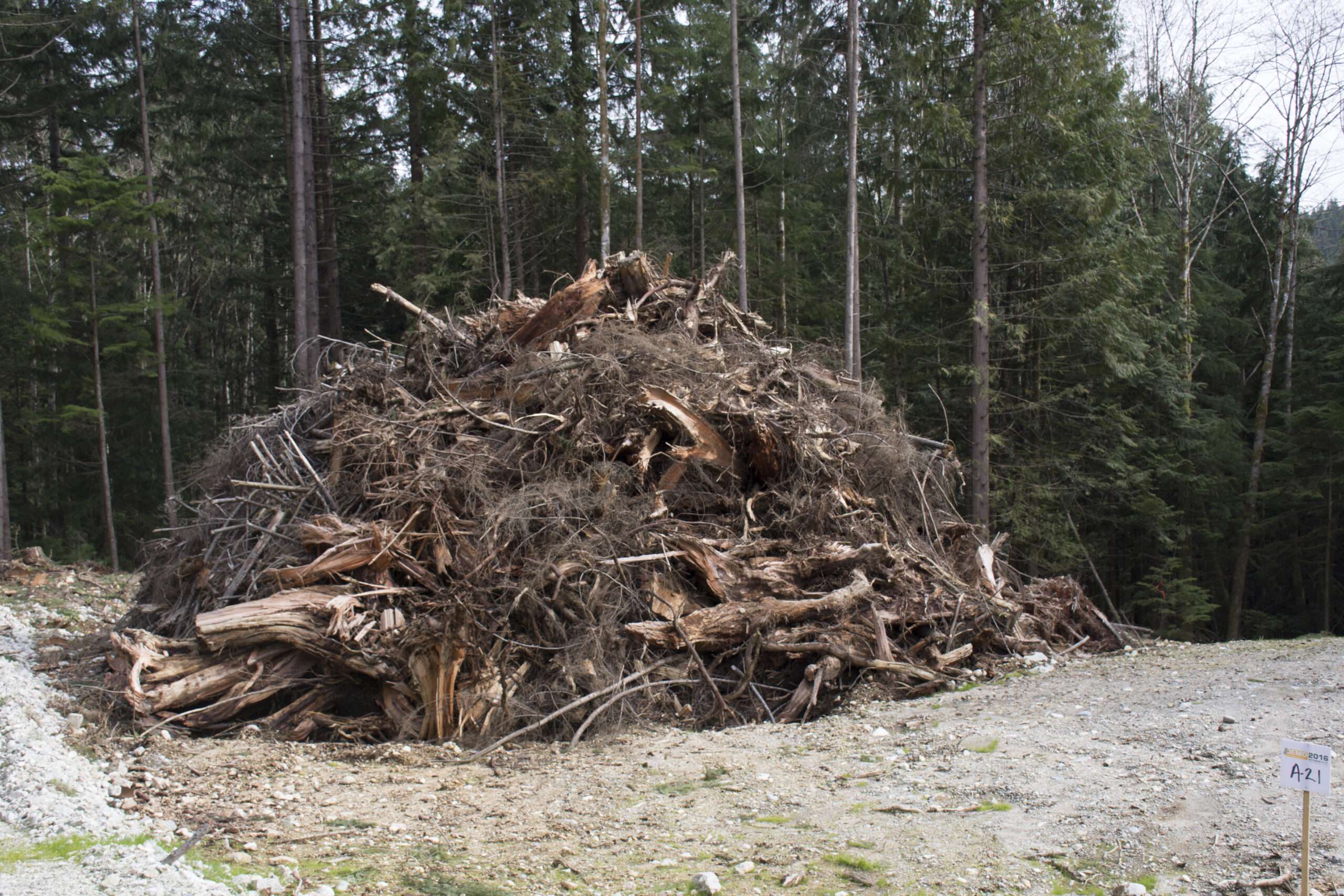 On the Easter long weekend, there was a wildfire on Egmont Forest Service Road that had to be controlled by the local fire department because a logging slash pile being burned was left unattended. How big does a wildfire have to get before the shíshálh Nation or the province will finally fulfill their promises to the residents around North Lake in Egmont? …Four years ago we participated in a community engagement process with BC Timber Sales and the shíshálh Nation regarding the cutting of 60,000 cubic metres (thousands of trees) around North and Klein Lakes. …One of the bigger concerns that we had was the removal of hundreds of large burn piles created by the logging. We were promised by both BCTS and the shíshálh Nation that the burn piles would be dealt with after the logging ended. It is now two years later and the burn piles have not been removed.
  In the face of a backlash, Utah Republican Sen. Mike Lee has revamped his public land sell-off measure to target only Bureau of Land Management holdings while also declaring, “we’re just getting started.” A reconciliation budget proposal revised by Lee’s Senate Energy and Natural Resources Committee targets BLM land within five miles of undefined “population centers.” It puts checkerboard BLM holdings back on a priority list for his “mandatory disposal” measure and takes lands under permit for grazing off the auction block. The revision would shift 15% of revenue to local governments and conservation. The bill would appropriate $5 million to carry out the mandatory sales, which are designed to be offered within 60 days of passage and regularly thereafter. …But opposition to Lee’s measure comes from “all walks of life,” said Land Tawney, former president and CEO of Backcountry Hunters and Anglers. That includes “Democrats, Independents, Republicans, hunters, anglers, bird watchers, kayakers, ranchers [and] loggers,” he said.
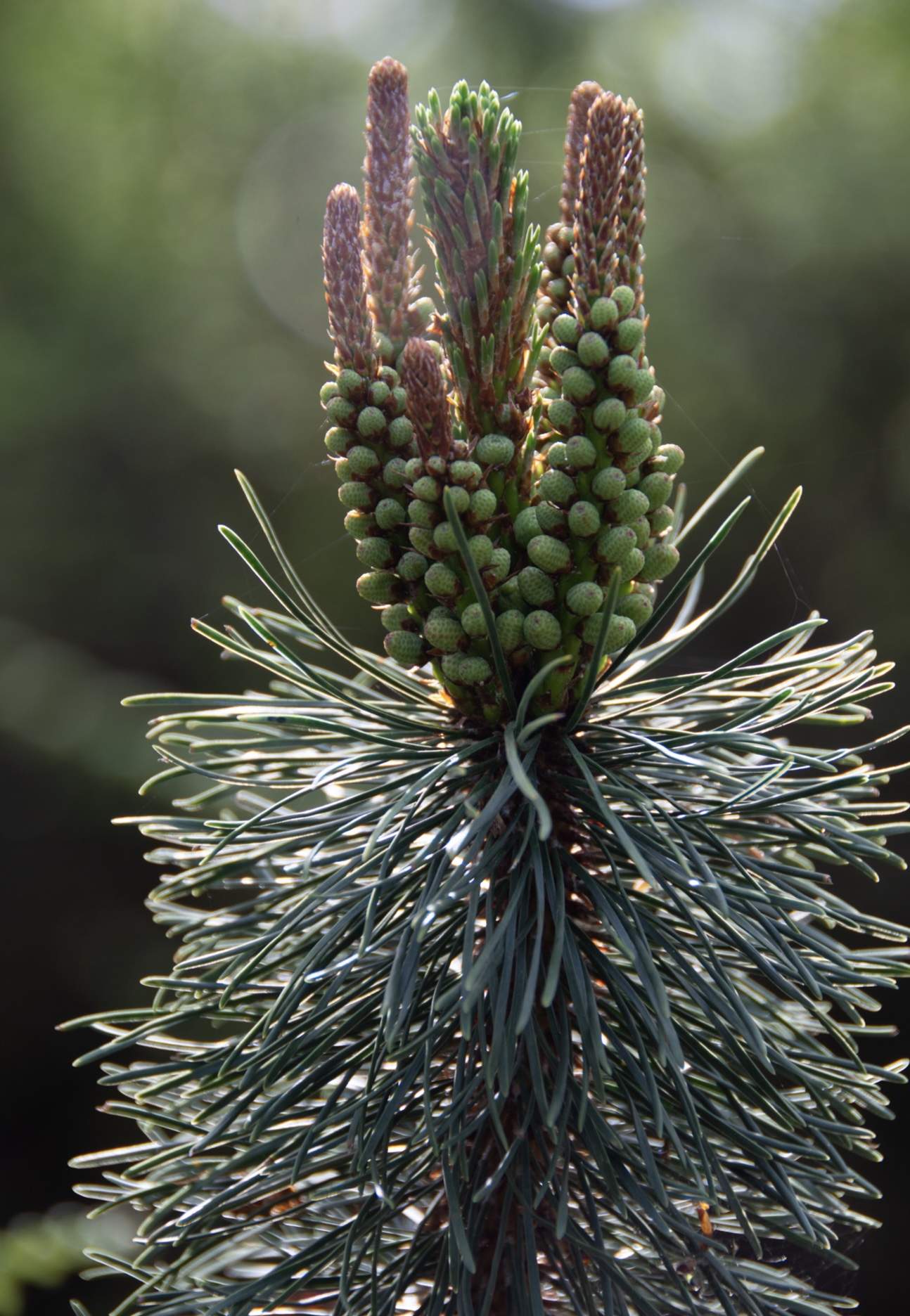 In the parched summer of 1988, wildfires ripped through more than one-third of Yellowstone National Park during the most severe fire year in park history. Approximately 1.2 million acres scorched by September. …While new forests sprouted in most of Yellowstone’s charred woodlands, recent research has identified that 16 percent of the forests consumed by the fires still have few trees. A recent study found that much of this land has transformed into green meadows full of grasses and wildflowers. Of the roughly 965 square miles of forest killed by the fires, 158 remain unforested, largely due to a lack of available seeds to start the next generation of trees. Seventy square miles of the previously forested land is now open meadow… The forests that [recovered quickly] were full of lodgepole pines with serotinous cones. …Alternatively, the areas that remain unforested were mainly above 8,200 feet in elevation and dominated by subalpine fir, Engelmenn spruce and non-serotinous lodgepole pines.
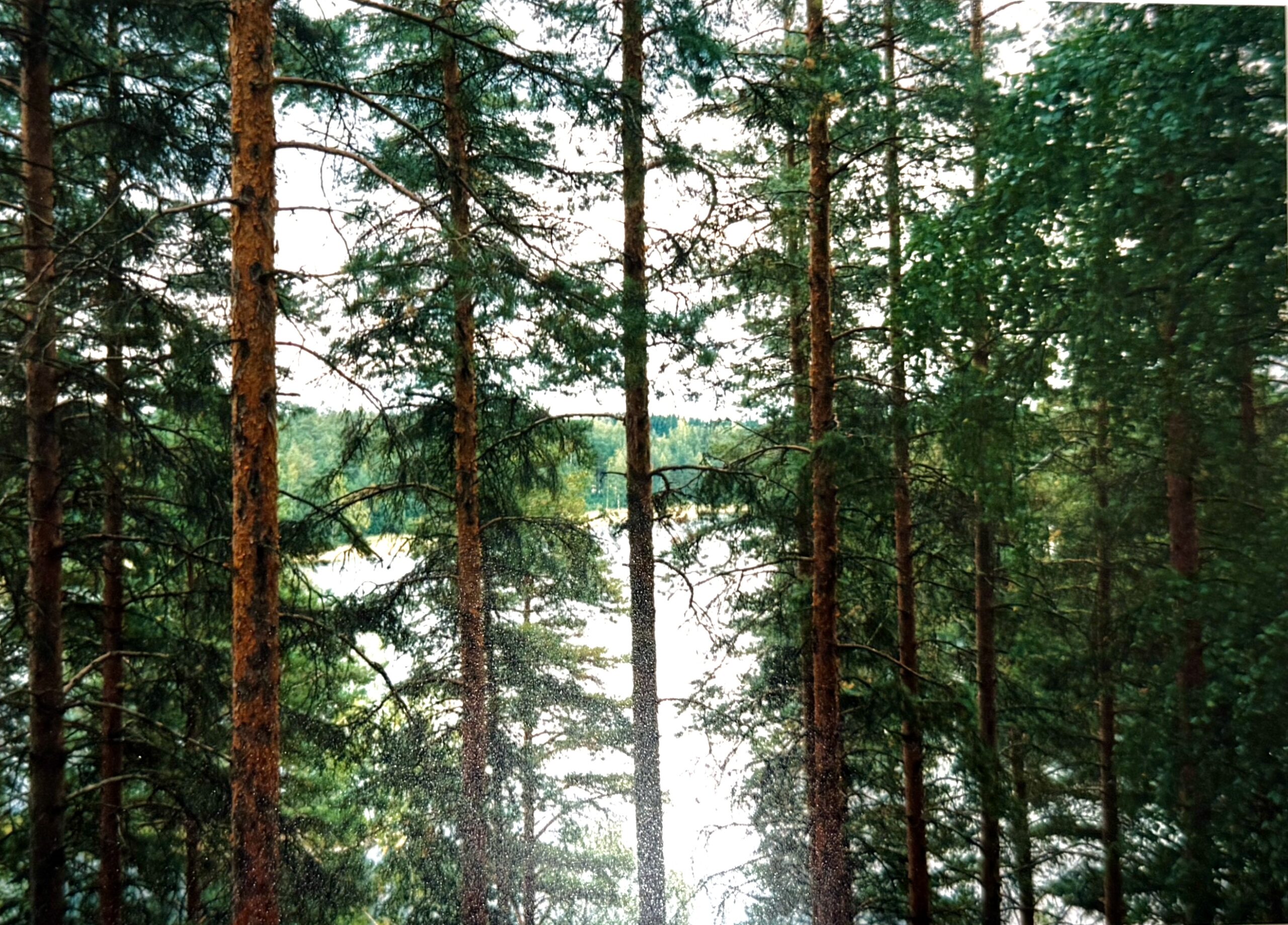 The Ministry of Agriculture and Forestry has unveiled a broad package of measures aimed to boosting forest growth and pollution-absorbing carbon sinks. The moves will help Finland reach its goal of carbon neutrality by 2035, as required by law and stipulated in the government programme, ministry officials said on Friday. The agency is led by Minister of Agriculture and Forestry Sari Essayah, chair of the Christian Democrats. The government of Prime Minister Petteri Orpo (NCP) approved the financing of forest-related climate measures during its mid-term policy review session last spring and in its second supplementary budget of 2025. The measures include moves to step up fertilisation of forests and expansion of the forest cover in an effort to increase carbon sequestration, in other words woodlands’ capacity to absorb and store carbon from emissions that would otherwise contribute to global warming.
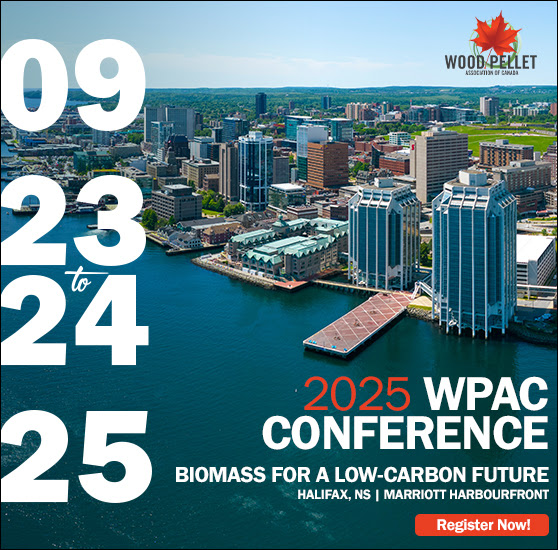 The Wood Pellet Association of Canada will host the largest gathering of the Canadian wood pellet industry. Biomass and wood pellets play a key role in ensuring Canada has renewable and responsible energy. Join us in Halifax, Nova Scotia, September 23-24, 2025.
 In 2023, the Canada wildfires that incinerated more than 17 million hectares of boreal forest were so hot they … smoldered underground all winter. That heat created vast columns of rising air, carrying dust, volatile organic compounds, and huge quantities of a simple particle with the potential to exacerbate climate change: black carbon. Commonly known as soot, black carbon is a type of pollution formed by the incomplete combustion of fossil fuels or biomass such as trees. It’s a risk to human health, having been linked to respiratory and cardiovascular diseases. It’s also a potent short-term warming agent. Black carbon absorbs copious heat from the sun and, when it coats a layer of ice or snow, reduces its ability to reflect solar energy back into space. …The research on black carbon needs to be updated as more becomes known about the aerosol, and that makes tracking wildfire smoke even more important.

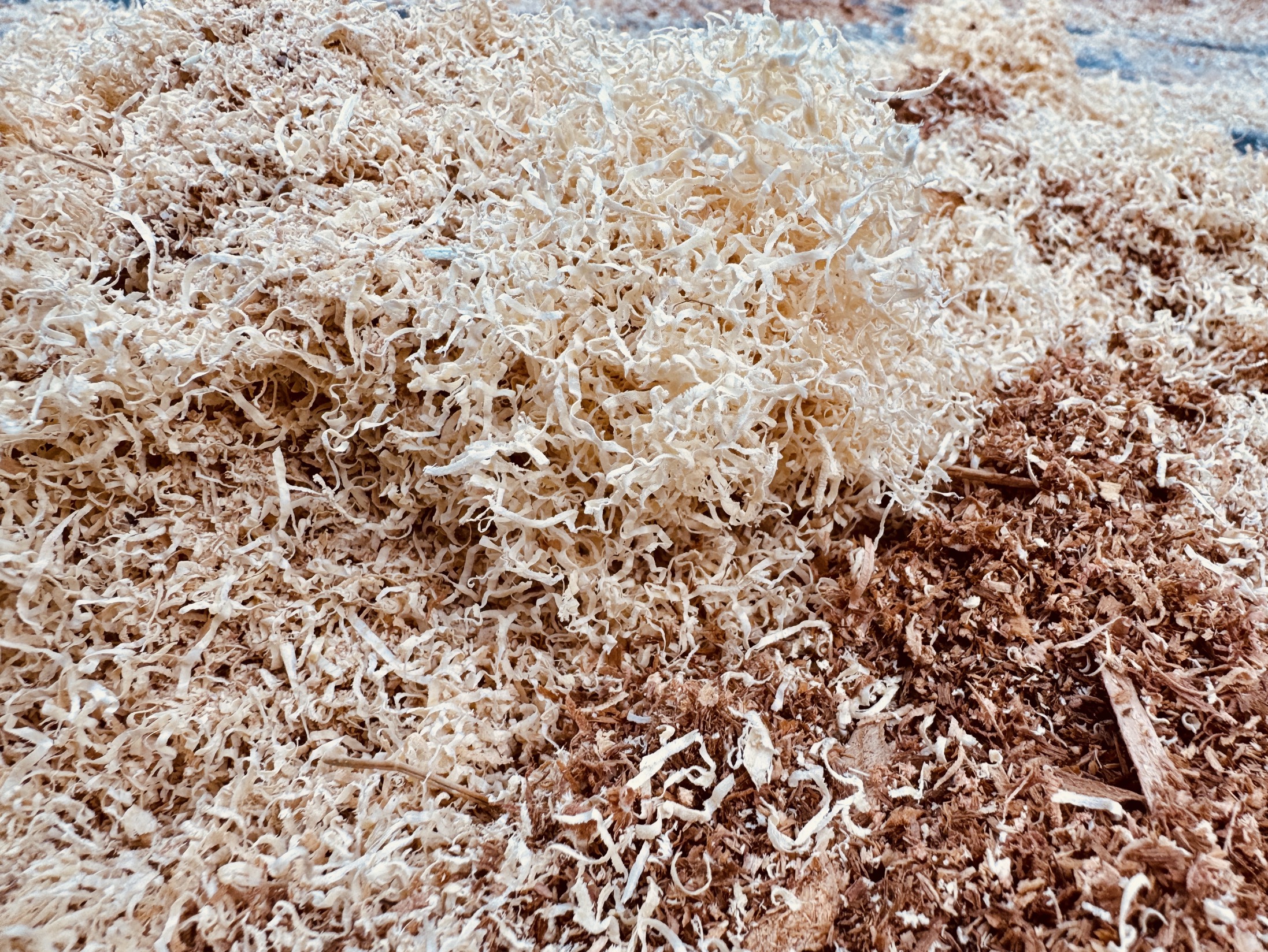 EGANVILLE, Ontario — The Government of Ontario is protecting workers and jobs in the forest sector by investing over $9.1 million in five research, innovation and modernization projects in Eastern Ontario. The investments from the Forest Biomass Program will help boost Ontario’s forest sector’s competitive advantage by creating new jobs, increasing productivity and opening up opportunities for revenue streams in new markets. …The government’s investment is supporting projects related to underused wood and mill by-products, known as forest biomass. …These projects will help create good-paying local jobs while supporting the delivery of high-quality, made-in-Ontario products to market at a lower cost. In addition, they will strengthen Eastern Ontario’s economy by creating added demand for the harvesting, hauling and trucking industries, and develop new opportunities for Indigenous communities to participate in the growing forestry industry.
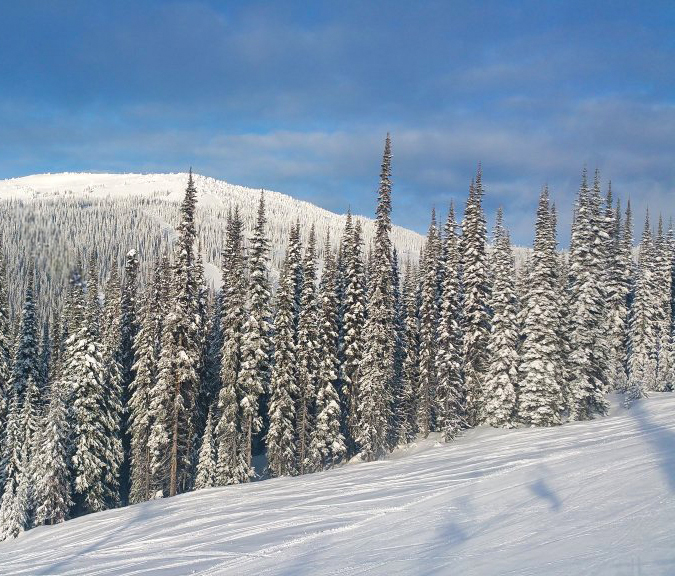 Many forests are losing their winter snowpack as global temperatures rise, and that could substantially slow their growth – and reduce the amount of carbon they remove from the atmosphere. Current projections “are not incorporating that complexity of winter climate change, so they are likely overestimating what the future carbon storage will be”, says
 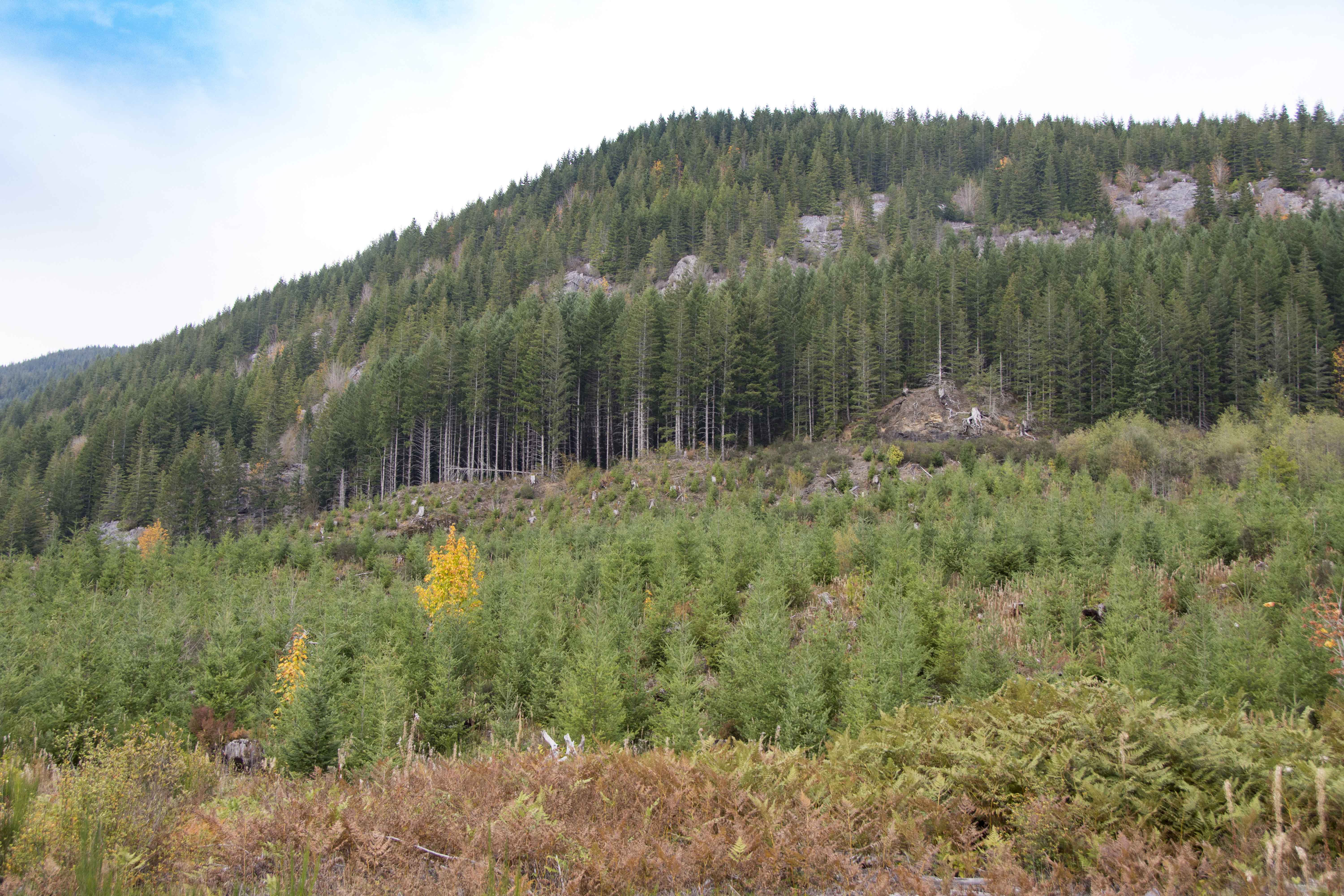 Young forests regrowing from land where mature woodlands have been cut down have a key role to play in removing billions of tons of atmospheric carbon dioxide (CO2) and combating climate change, a new study reveals. …Forest regeneration offers a cost-effective method for carbon removal, but rates vary by location and forest age. Researchers have discovered that young secondary forests, particularly those aged between 20 and 40 years, exhibit the highest rates of carbon removal—locking away up to eight times more carbon per hectare than newly regenerating forests. …Their study reveals that if 800 million hectares of restorable forest begin regenerating in 2025, up to 20.3 billion metric tons of carbon could be removed by 2050, but delays sharply reduce this potential.
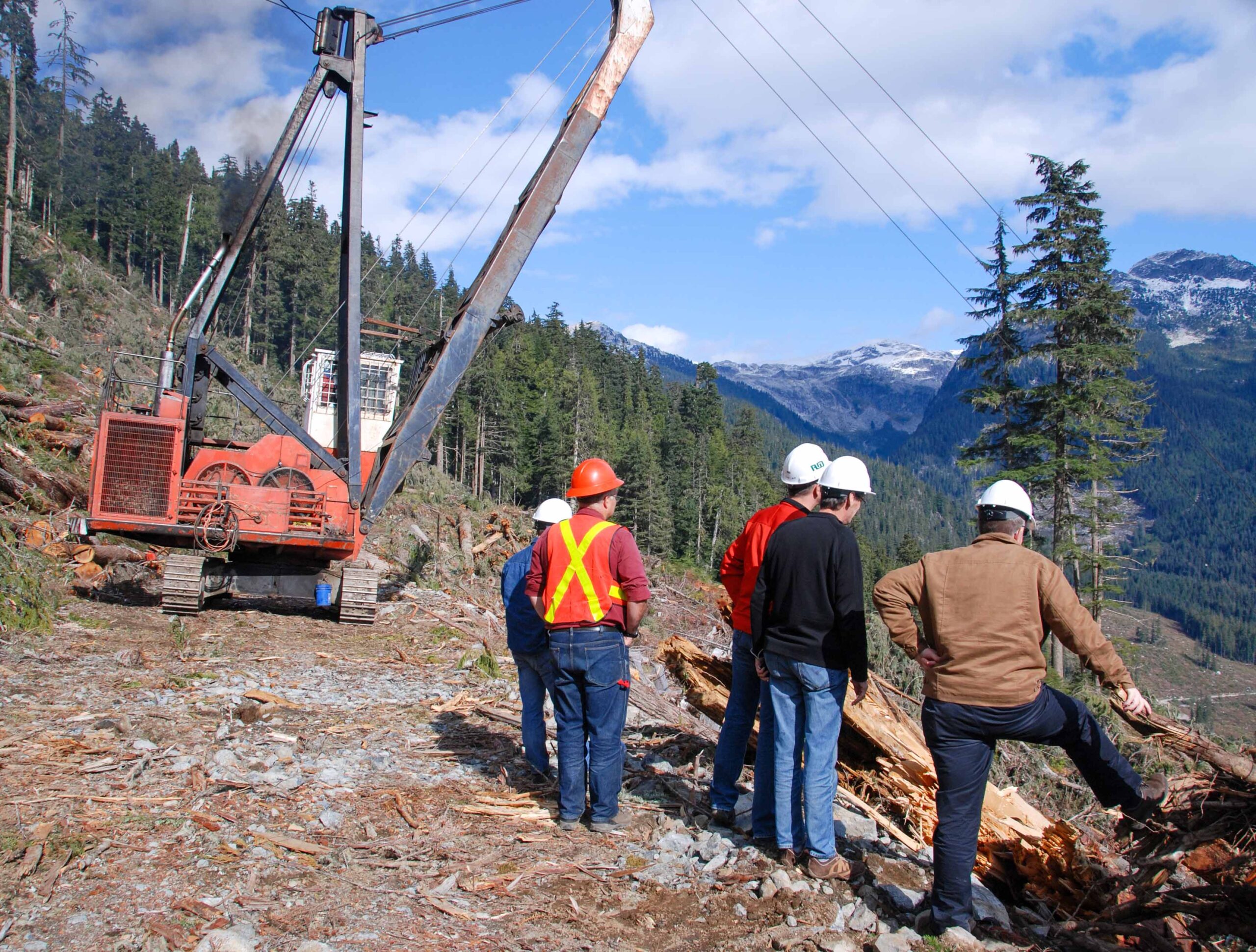 Overlapping work activities are one of forestry’s most complex safety challenges; without proper controls, phase congestion can pose serious hazards to workers. However, with proper management, forestry operations can achieve safe, efficient phase integration. “Preventing injuries and fatalities takes ongoing commitment to coordinated planning, qualified supervision, worker training, and clear communication, says Tom Pawloski, manager of prevention programs and services at WorkSafeBC. Phase congestion occurs when multiple harvesting phases overlap in the same or nearby area, often due to insufficient time or distance between phases. It often builds gradually and can go unnoticed until a serious incident occurs. …When phases aren’t properly coordinated, workers face greater risks of being struck by or caught between equipment or missing other hazards. …Safe phase integration begins before work starts. …”Phase congestion doesn’t always show up right away … staying proactive, adjusting plans as conditions change, and maintaining clear communication is essential to keeping workers safe,” Pawlowski says.
 Halifax spent more than $160,000 on the wrong type of wildfire protective gear, and the union for municipal firefighters says the mix-up is just one example that the department is not properly preparing for wildfires. In the aftermath of the
 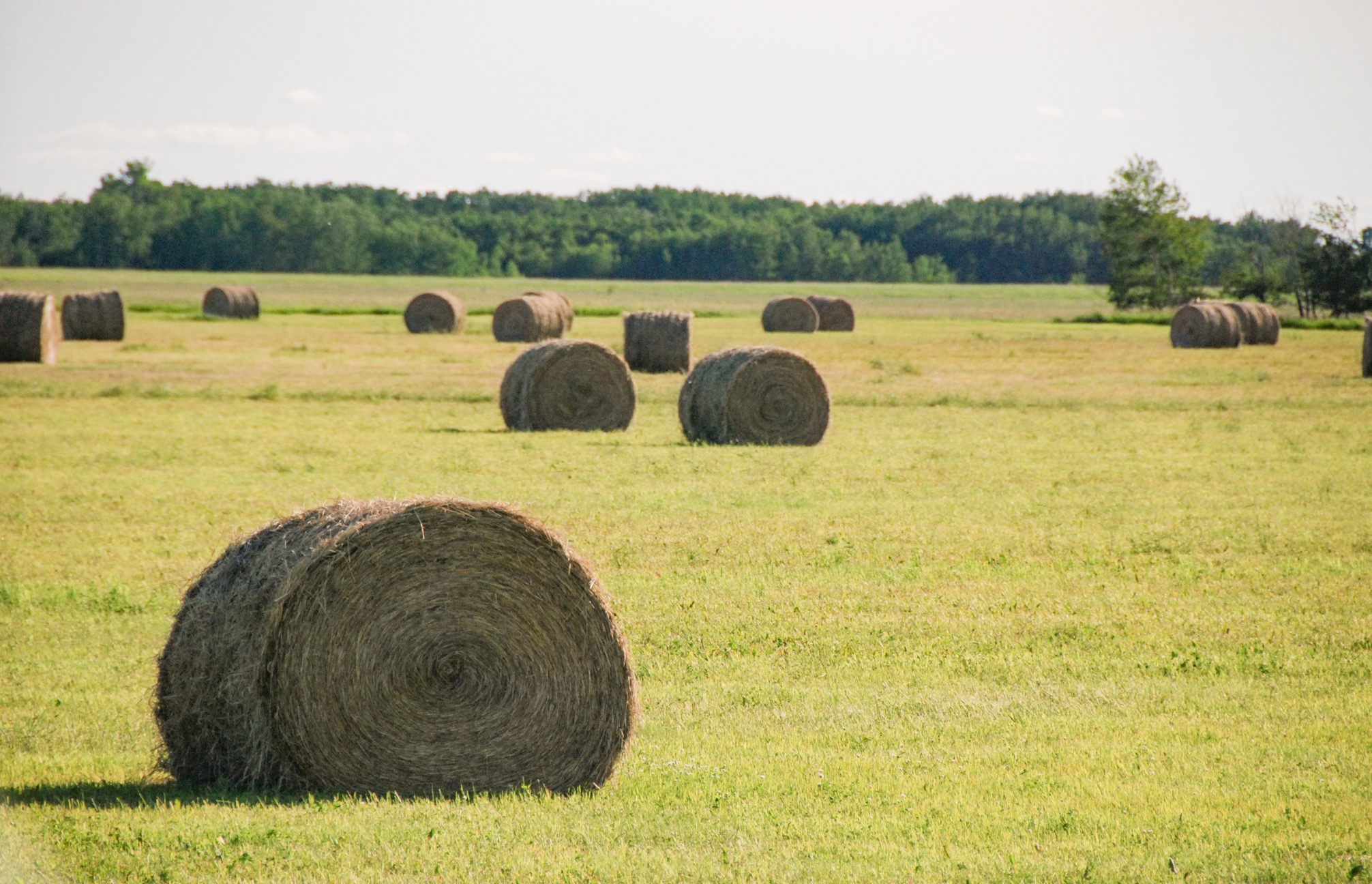 The herbicide ingredient used to replace glyphosate in Roundup and other weedkiller products can kill gut bacteria and damage organs in multiple ways, new research shows. The ingredient, diquat, is widely employed in the US as a weedkiller in vineyards and orchards, and is increasingly sprayed elsewhere as the use of controversial herbicide substances such as glyphosate and paraquat drops in the US. But the new piece of data suggests diquat is more toxic than glyphosate, and the substance is banned over its risks in the UK, EU, China and many other countries. …Despite the risks amid a rise in diquat’s use, the EPA is not reviewing the chemical, and even non-profits that push for tighter pesticide regulations have largely focused their attention elsewhere.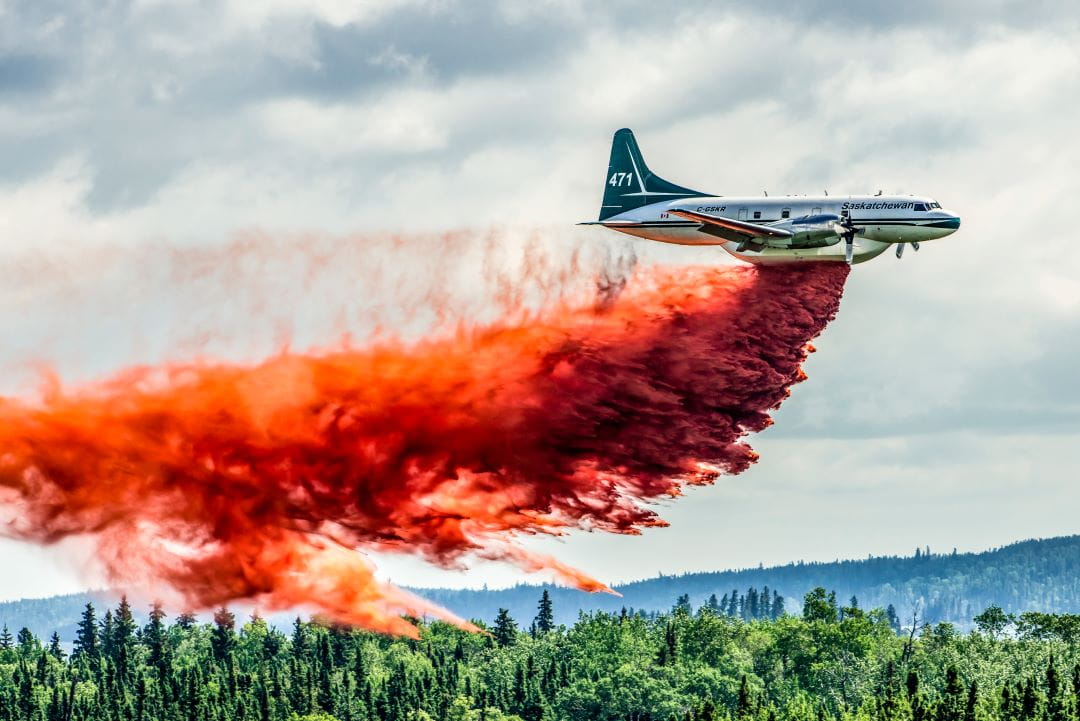


 Firefighters across Europe continue to battle forest fires amid blistering heatwaves, as blazes broke out in Germany, Greece and Turkey on Saturday. Hundreds of German firefighters have been battling blazes for days in the forested regions of Thuringia and Saxony, including the Gohrischheide nature reserve near the Brandenburg border. …Firefighters in Greece made progress in containing a wildfire that broke out on Friday afternoon in eastern Attica. …Strong winds and dry conditions have raised the risk of wildfires across Greece, prompting heightened vigilance by emergency services. In Turkey, firefighters have reportedly brought several large wildfires under control in the western Izmir province. …Ground crews, supported by planes and helicopters, worked around the clock for three days to contain the fires, according to the Turkish forestry directorate. …Turkey also reportedly sent two aircraft and 11 fire engines along with support vehicles to Syria on Saturday to help in the firefighting efforts there.