 Experts agree that the G7’s Wildfire Charter is positive but needs to shift from response to prevention. In related news: Tom Fletcher speaks to fighting fires in a fog of misinformation; Statistics Canada assesses GPD impact of 2023 fires; Ontario improves working conditions for firefighters; Oregon passes bill to repeal Wildfire Hazard Map; and American Scientists give mixed review of US wildfire orders. Meanwhile, Senator Mike Lee vows to resurrect US public lands sale; ENGOs say logging continues in BC’s caribou habitat; and the WWF asks business to help reverse forest loss.
In Business news: Domtar reaches settlement agreement with Michigan over waste materials; a California nonprofit scales back wood pellet mill plans; the US investigates hardwood plywood trade; and Mackenzie, BC rebounds after mill closures. Meanwhile: the US economy shrank more than expected in Q1, 2025; Deloitte says a mild recession is likely in Canada; the latest newsletter from Woodlots BC; and Canadian retail lumberman Michael Westrum dies at 79.
Finally, researchers explore use of tree bark waste to reduce radar detection.
Kelly McCloskey, Tree Frog News Editor
 With roughly 2,000 wildfires in B.C. each year, forestry workers are often operating in or near fire-affected areas. It’s up to employers to ensure their crews are properly trained and prepared to recognize the risks and respond safely. …Employers are responsible for identifying hazards, assessing risks, and ensuring effective controls are in place — along with providing training, supervision, and fit-for-use equipment.
 The U.S. Senate unanimously passed a bill to reauthorize a program that has provided billions to schools, roads and other services in rural Oregon and Idaho. The U.S. Forest Service’s “Secure Rural Schools and Self-Determination Program,” was initially crafted in 2000 to help offset the loss of timber revenue in rural counties. The program expired at the end of 2023, but the recently passed “Secure Rural Schools Reauthorization Act of 2025” would reauthorize the funding for more than 4,000 school districts and 700 counties across the country through the 2026 fiscal year. The bill’s lead sponsors include U.S. Sens. Ron Wyden and Jeff Merkley, both Oregon Democrats, and U.S. Sens. Jim Risch and Mike Crapo, both Idaho Republicans. …This year, bill sponsors are urging the U.S. House to reauthorize the program. Without its passage in the House, rural counties in Oregon, Idaho and across the country will fall short of funds that support local services.
 …In August 2024, a lumber mill owned by K & D Products and nestled in Panguitch, Garfield County’s largest city, went up in flames. Reports stated that, while the blaze didn’t get to the timber, the site’s machinery was severely damaged. The destruction landed a heavy blow to the community and the Frandsen family, who have owned and operated the mill for generations. …Between the area’s lumber heritage and the need to balance out tourism’s seasonal employment waves, Fiala gained enthusiastic support from state and local governments to build another sawmill. With his business partner, Barco — a logging company — Fiala acquired 25 acres north of Panguitch and began clearing space and bringing in power, water and gas. When the K & D Products sawmill burned during Fiala’s development, he spoke to the Frandsens and together they worked out a way for Fiala to take over what was left of the old mill and utilize it for his new business.
 GEORGETOWN COUNTY, S.C. —

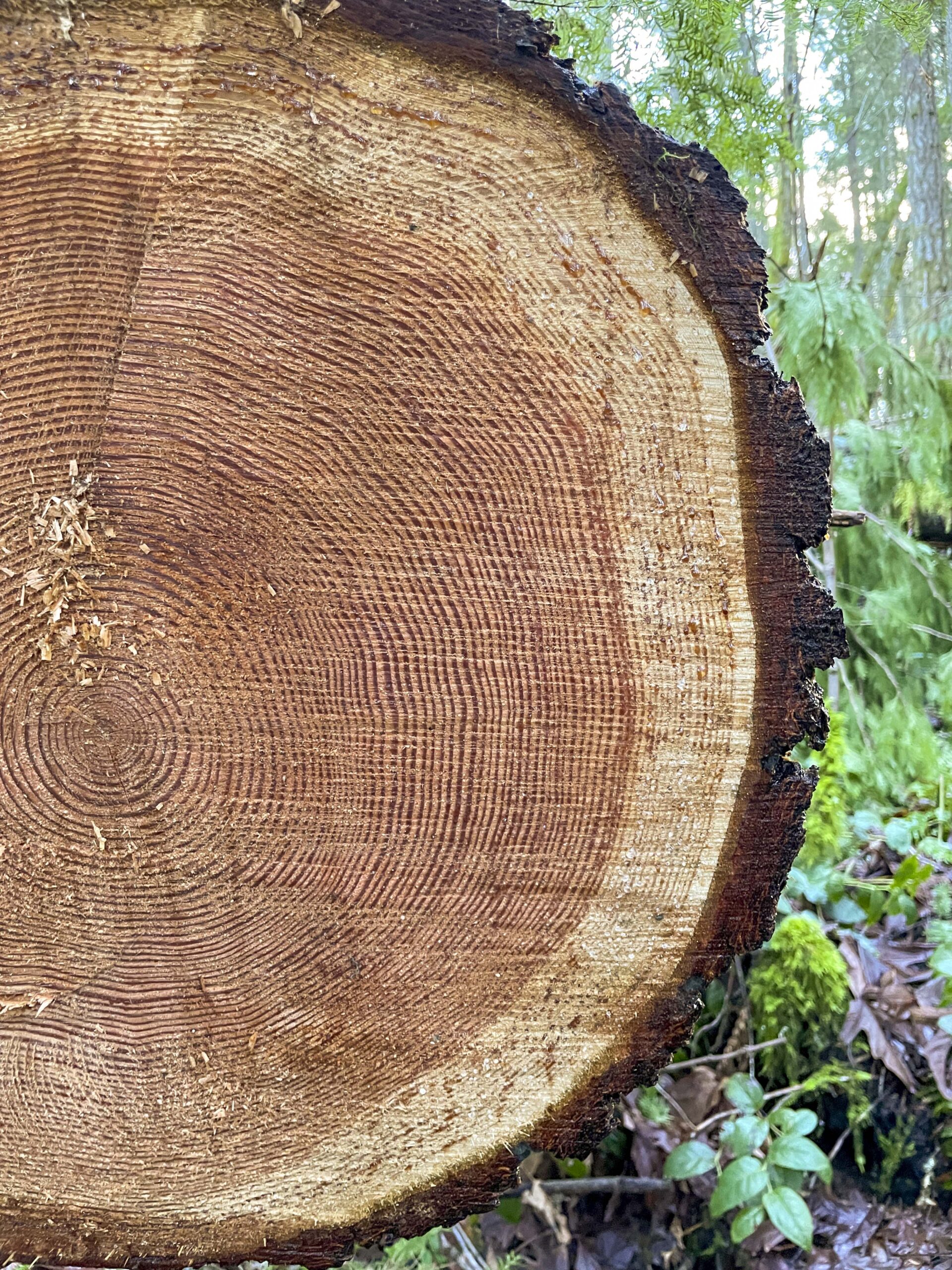 Although a casual observer just sees the bark on a tree, a lumber expert might envision the potential for boards inside, thinking of the bark largely as waste. In many cases, bark does turn into waste in the logging industry. That’s lots of waste, because bark can account for up to 15% of a tree’s weight, and “only a fraction of this is currently being utilized, primarily for landscaping or for energy; the rest is left at the harvest or handling site to naturally decompose,” according to Sumanth Ranganathan, Dr.-Ing, a biochemical engineer at Scion, a research institute in Rotorua, New Zealand, and his colleagues. For some trees, though, that wasted bark is a potential treasure-trove of biopharmaceuticals, from anti-inflammatories to cancer-fighting drugs. …Each year, the country’s logging industry produces about 2.5 million metric tons of bark. Ranganathan’s team envisions feeding that into a bark-based biorefinery.
 New film reveals the roots of B.C.’s wildfire crisis—and what we must do to stop it. A powerful new documentary exploring the causes and consequences of British Columbia’s escalating wildfire crisis will premiere to the public at the Vernon Performing Arts Centre Thursday June 26 at 7:00 pm. Titled B.C. is Burning, the 45-minute film delivers a sobering but hopeful look at what’s fueling today’s megafires—and the science-based solutions that could protect our forests, our communities, and our future. B.C. is Burning was independently produced and funded through community support, with Homestead Foods generously contributing half of the total budget. We also gratefully acknowledge major support from Skyline Helicopters, Padoin Reforestation, and Kalesnikoff.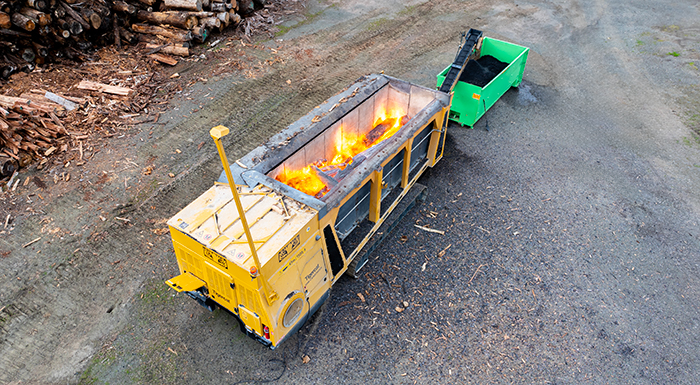
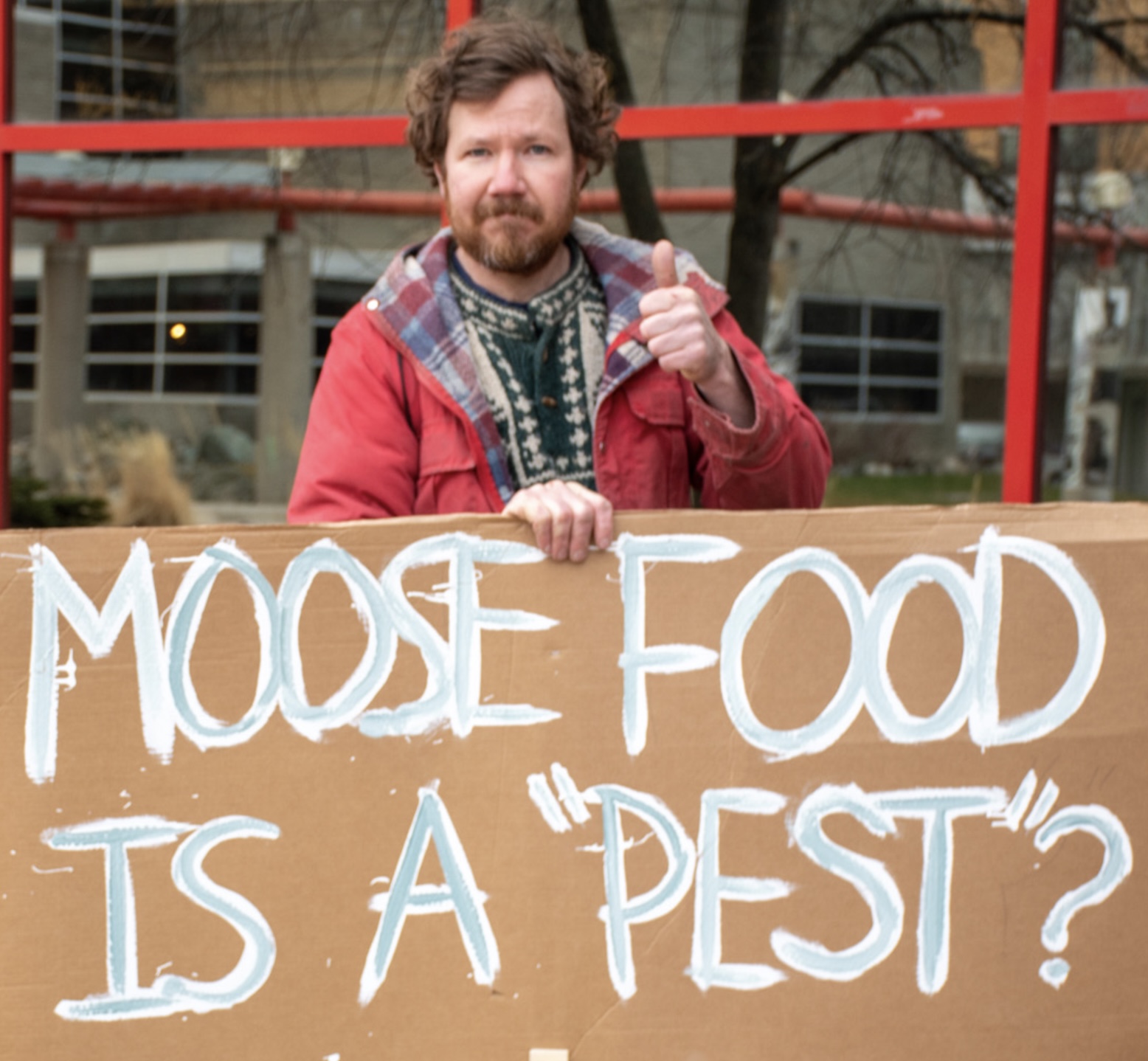
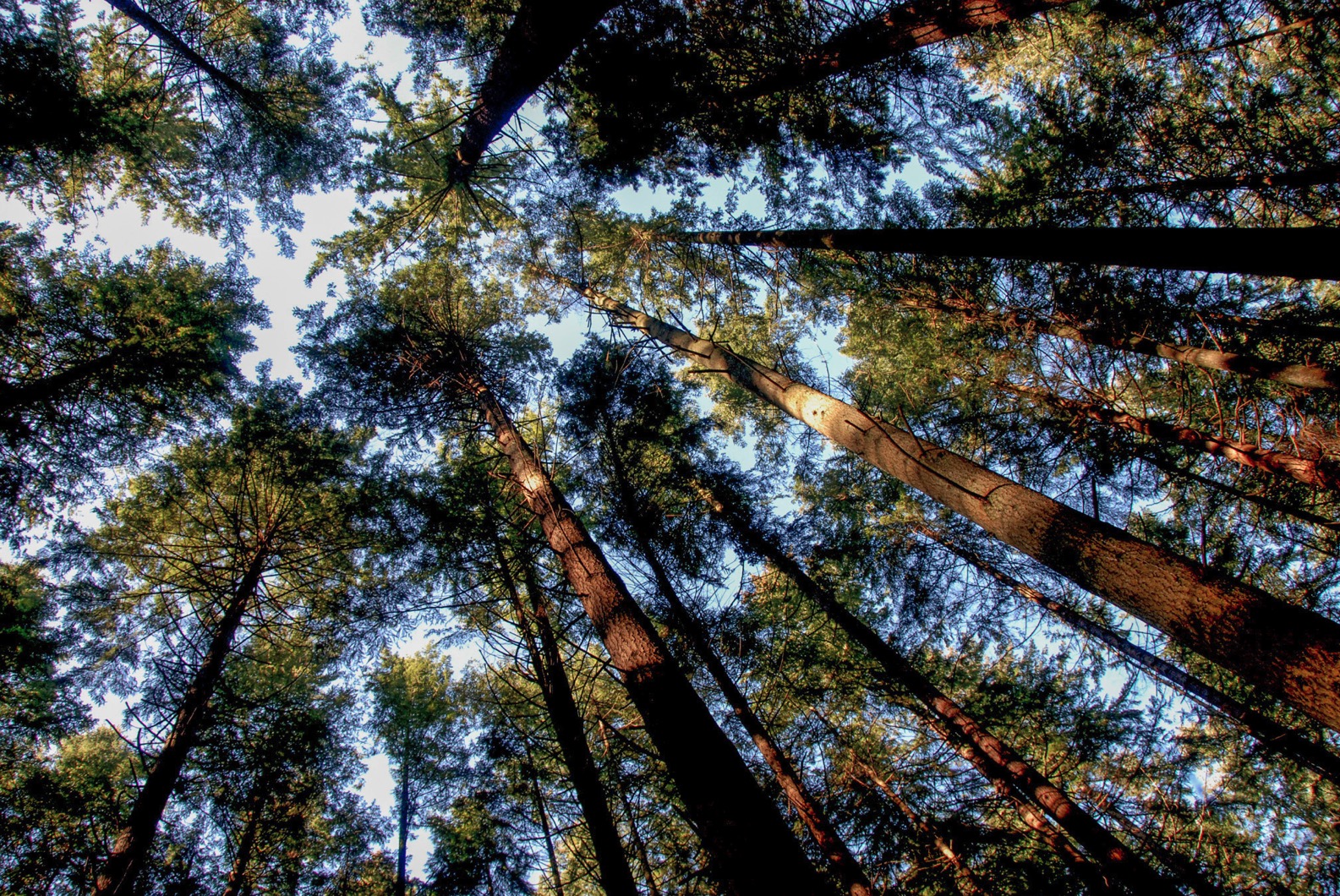 Elphinstone and West Howe Sound community associations’ efforts to have B.C. Timber Sales (BCTS) defer the 35.2 hectare Elphinstone Highlands cutblock (TA0519) from its current Q1 sales schedule received support from the Sunshine Coast Regional District (SCRD) board. Provision of a letter of support for the deferral requests was endorsed at the board’s June 12 meeting. According to the BCTS Chinook area sales schedule released April 17, TA0519 was slated to go to auction by June 30. In a June 18 email response to Coast Reporter, the Ministry of Forests stated that “Sales schedules are issued to notify of upcoming proposed timber sales auctions. BC Timber Sales starts accepting bids when a licence is placed on BC Bid for auction… TA0519 is a partial harvest/commercial thin sale and was pulled from BC Bid due to an administrative error. It is anticipated that TA0519 will be reposted this fiscal year.”

 Several aircraft used to fight forest fires in Ontario are sitting in airport hangars and on tarmacs due to a pilot shortage. JP Hornick, president of the Ontario Public Service Employees Union (OPSEU), said the province is now short three water bomber pilots and six helicopter pilots due to low pay and poor working conditions. “The Ontario pilots are the lowest paid in the country, and what the government has put on the table would bring them up to a whopping second lowest paid position across the country,” Hornick said. That pilot shortage has meant one of Ontario’s nine Canadair CL-415 water bombers has been grounded. Three of the province’s eight helicopters used for firefighting have also been grounded. Hornick said two of the five bush planes used by the Ministry of Natural Resources (MNR) have also been grounded because only three pilots are available to fly them.
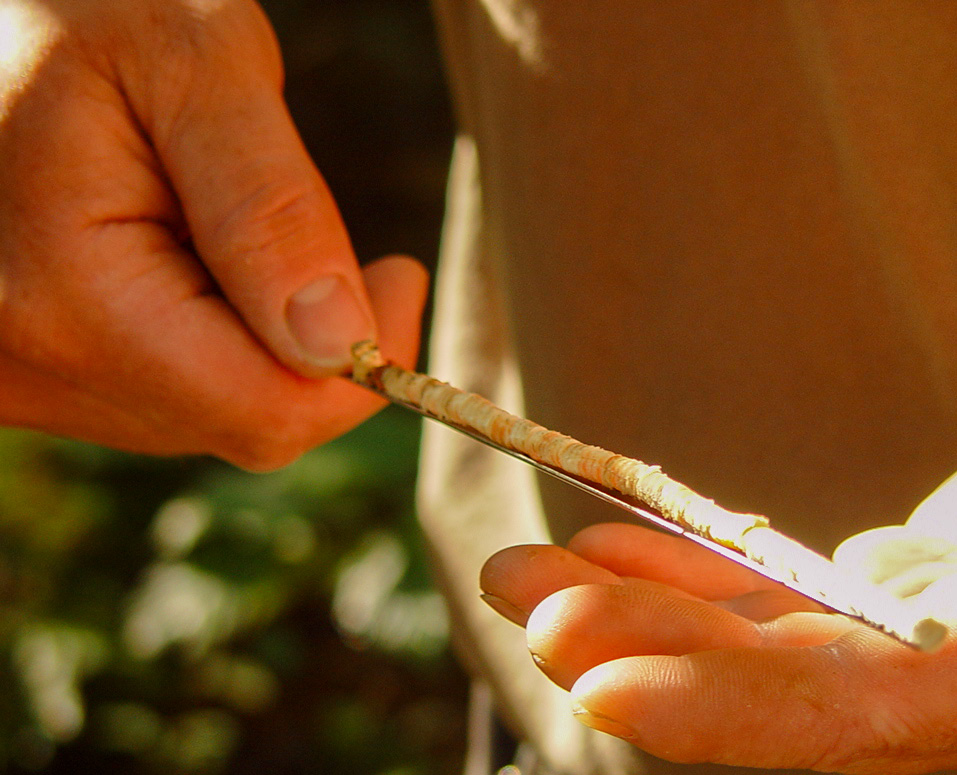 Chris Watson of Lorneville, a rural community in southwest Saint John, recently saw what he believed to be a centuries-old red spruce near Spruce Lake. He drilled a small hole into the trunk by hand and took a pencil-sized sample to have it tested. Ben Phillips, environmental lecturer at Mount Allison University, began a process known as dendochronology on the sample — a study that measures the age of trees by counting small lines otherwise known as tree rings. “This tree, I can confidently say, is over 400 years old,” Phillips, who runs the Acadian Forest Dendochronology Lab on campus, said about the sample he got from Watson. “It is probably in the top 10 oldest trees in the province that I know of.” …Both Phillips and Ilana Urquhart, Nature Trust of New Brunswick conservation co-ordinator, want to see legislation put in place in New Brunswick that would protect areas with old growth, specifically.


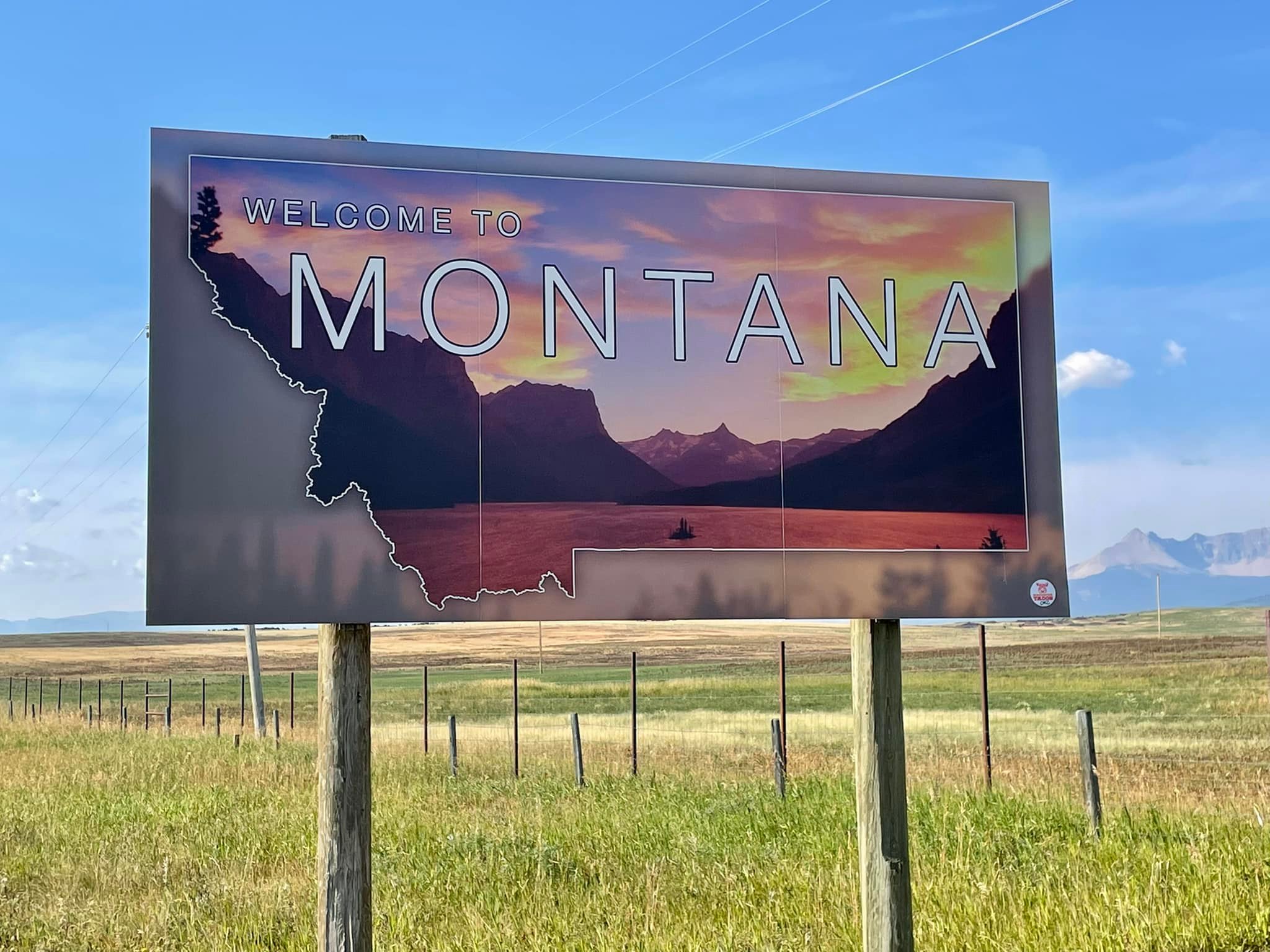 Less than two weeks have passed since the public learned of a Senate proposal to sell off public lands, and now, the U.S. Department of Agriculture has removed roadless protections for more than 58 million acres of federal land across the nation. …Helena Hunters and Anglers …decided to call an emergency meeting for Tuesday to discuss the implications of the announcement. If roadless areas were truly gone, the group might not continue their yearly monitoring of roadless areas. Montana has almost 6.4 million acres of inventoried roadless areas… Helena Hunters and Anglers has been monitoring some of those roadless areas for the past few years to assess their condition, and some of the findings aren’t good. …A number of other conservation organizations immediately criticized the action, calling it another handout to corporations to the detriment of the American public and future generations. The Colorado-based Center for Western Priorities said Rollins’ reasons were suspect.
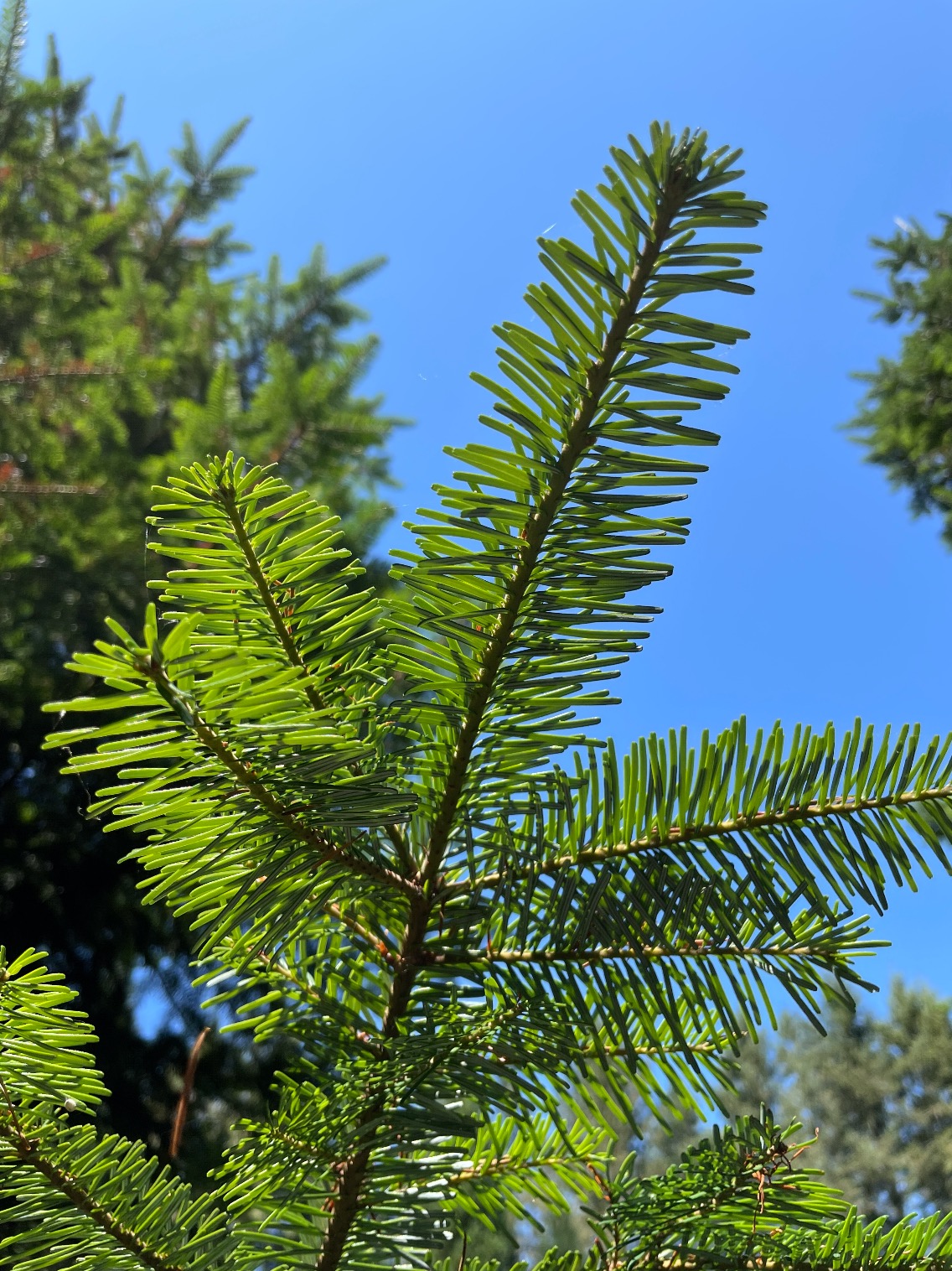 The U.S. Forest Service is headed for obsolescence due to recent personnel reductions, proposed budget cuts and re-organization plans. The ability of the Forest Service to meet its legislatively mandated multiple-use mission to the American public is being systematically dismantled. …over the last several months we’ve seen an agency deliberately dismantled by indiscriminate firings, forced retirements and coerced resignations. …The gutting of the Forest Service is a national crisis that will take years or decades to recover from once we, as a society, choose to stop the damage to our federal system of governance. We must individually and collectively speak out to all our elected officials and demand a stop to the out-of-control damage being done. We need to begin to rebuild a federal government that we can rely on to deliver critical services to the American public, including the Forest Service, and protect our wild landscapes from destruction.
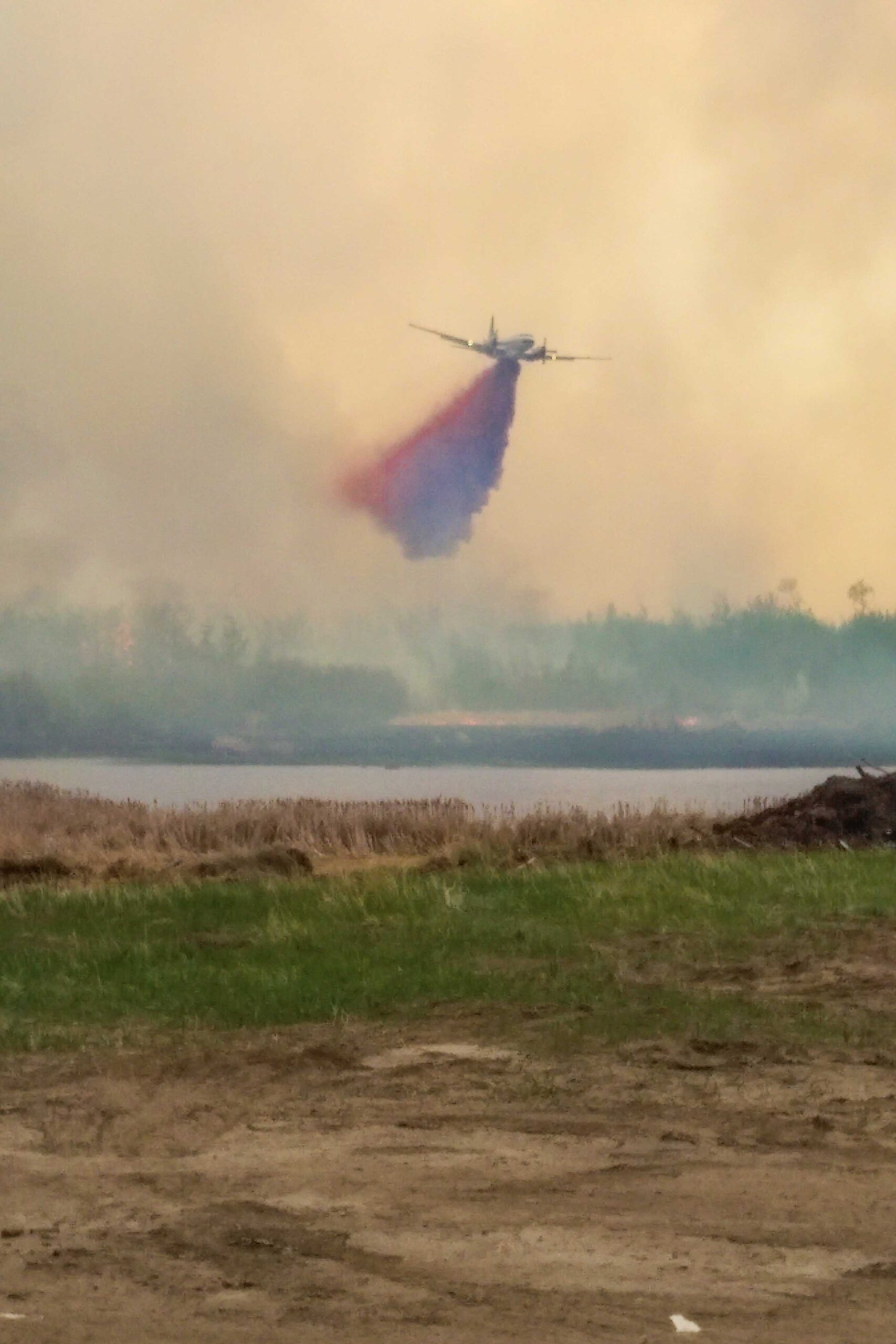 HELENA — Aerial resources have been critical in reaching the Jericho Mountain Fire, and Helena has … a tanker base that can support the largest firefighting planes. …The around three thousand gallons of retardant the average plane holds is just one of the reasons it is so effective. Another factor is the team on the ground who get it refueled and refilled and back in the air in just minutes. …The tanker base typically opens for operations on July 7th but kicked off their wildfire season on June 15th nearly a month early this year due to the Jericho Mountain Fire. Once they got the call, the team had the base operational in two hours. So far the tanker base has already helped planes drop more than 32-thousand gallons of retardant this year compared to zero at this time last year.
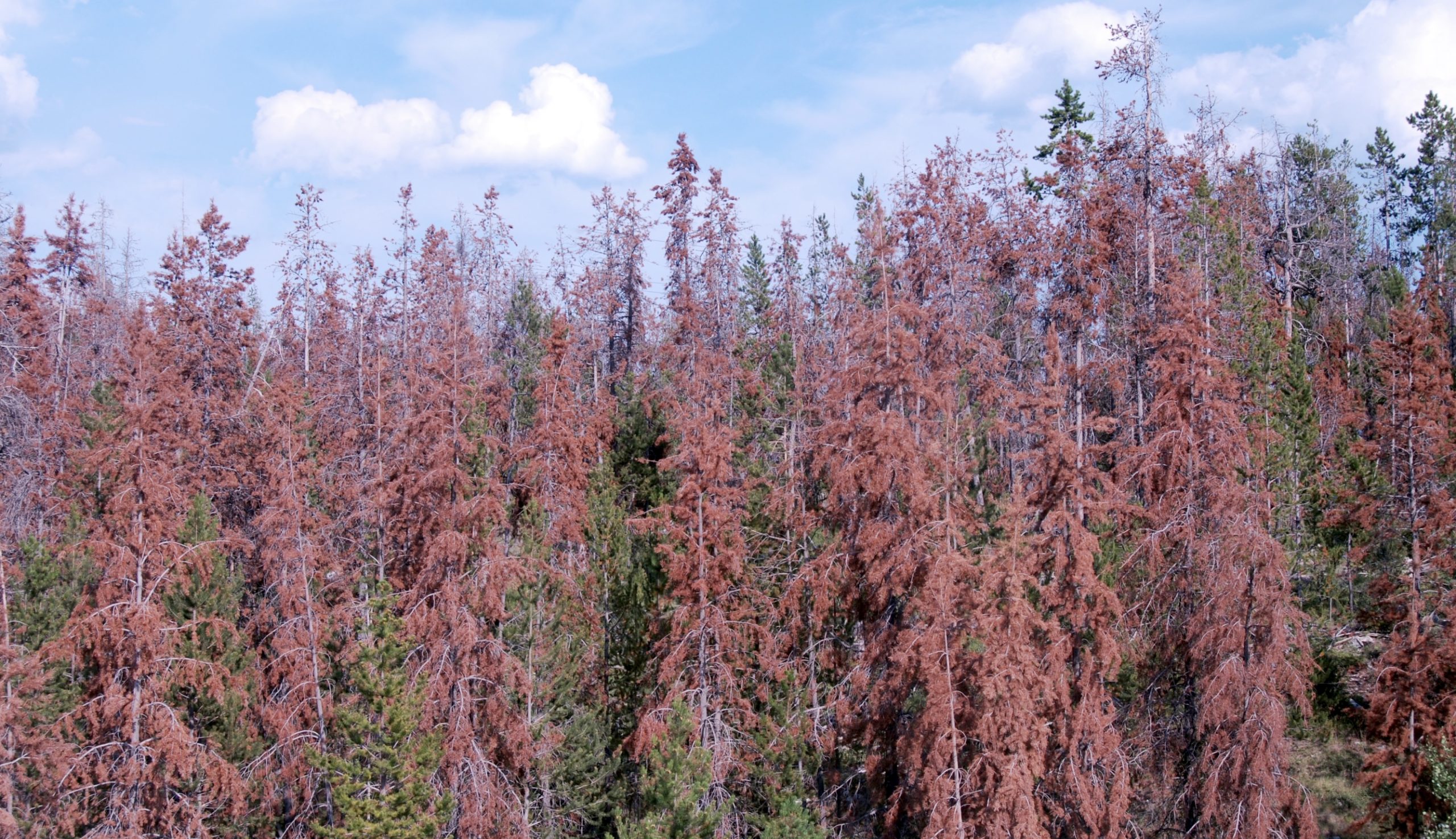 SALEM, Ore. – Researchers are taking to the skies this month to survey Oregon’s forests for damage from pests and other threats, according to the Oregon Department of Forestry and USDA Forest Service. Forest officials said that the Pacific Northwest Aerial Detection Survey is the longest continuous annual survey of its kind in the U.S. Airborne researchers use fixed-wing aircraft to identify trees in distress, flying between 1,500 to 2,500 feet above ground. “Oregon has about 30 million acres of forest so flying in a grid pattern over it allows us to find problems even in remote areas hard to reach by vehicle or on foot,” said Christine Buhl, ODF Forest Entomologist. The survey has highlighted a concerning trend of increasing tree deaths due to drought stress and beetle attacks.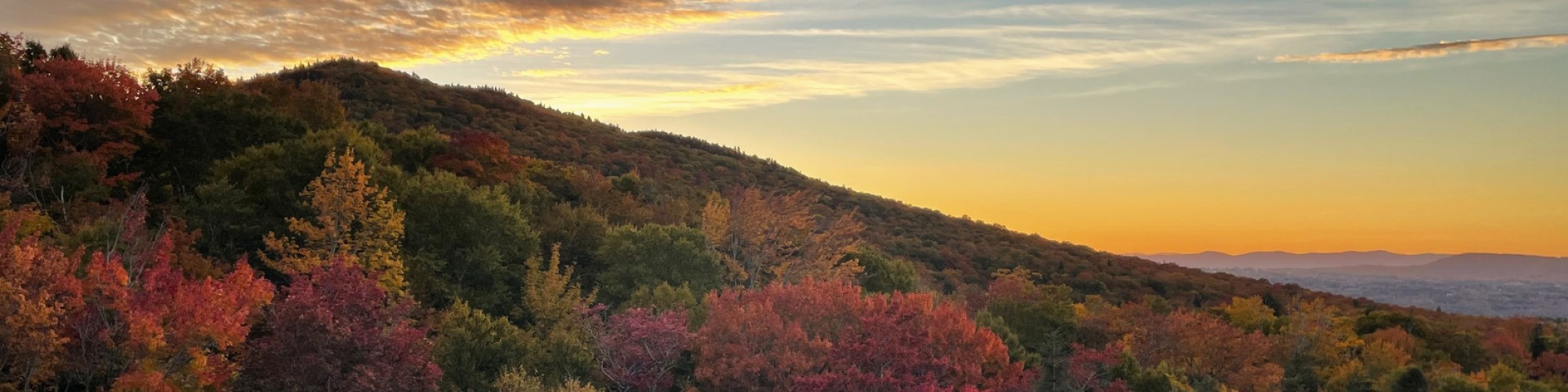

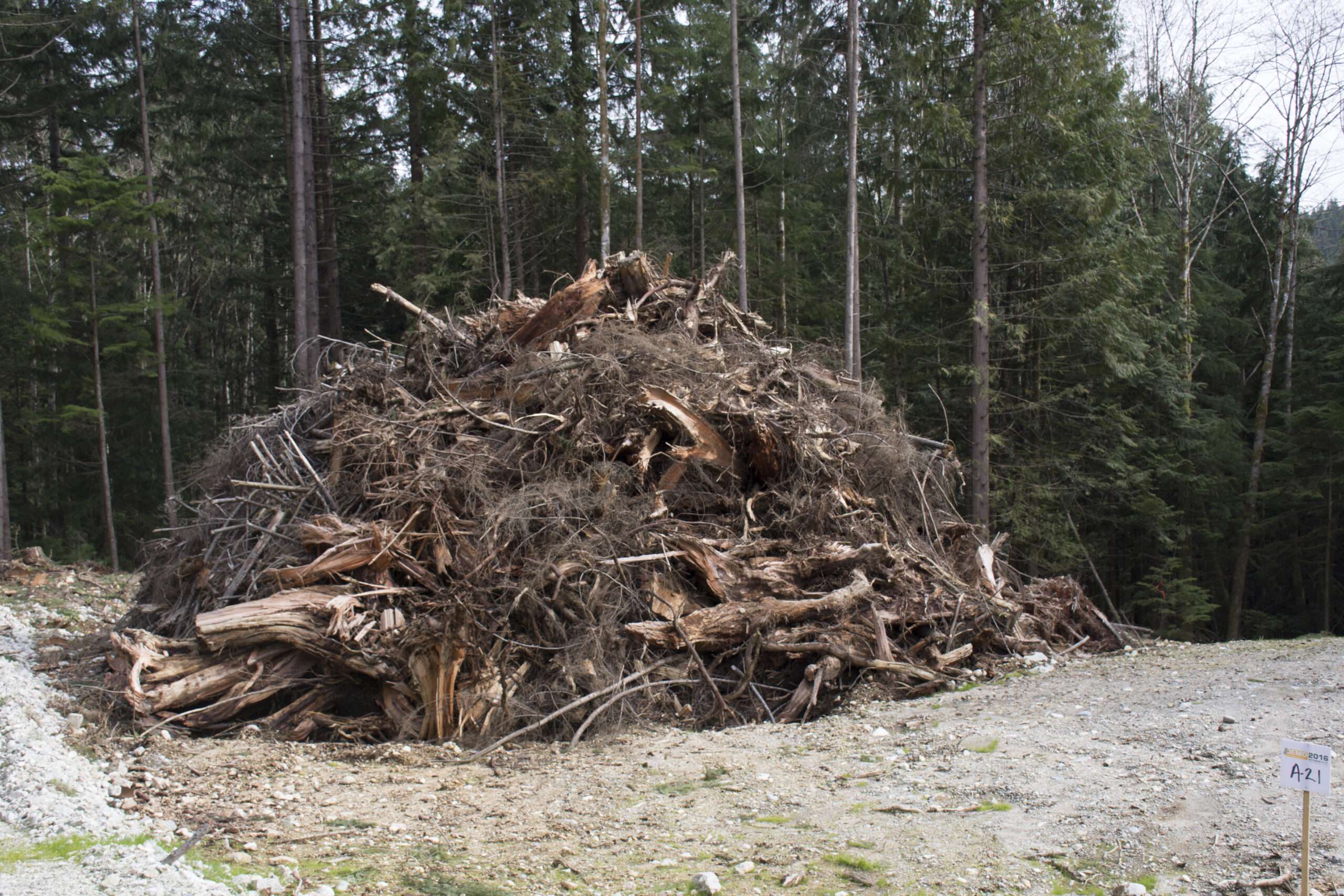 The world’s sawmills and plantation forests offer a powerful weapon against climate change, a new study has found. A paper published in Nature Geosciences found that burying the vast quantities of wood waste produced in the course of logging and processing trees could markedly slow Earth’s heating. Heat waves like the one currently afflicting the East Coast in the U.S. have been made far more likely by centuries of unchecked burning of fossil fuels — which release heat-trapping chemicals like carbon dioxide. …But in addition to the need to halt that burning, researchers found that burying waste from trees … offers an unparalleled way to counteract its impacts. …the study burying waste could reduce the Earth’s heating by 0.42 degrees Celsius, or about one-sixth of the estimated 3 degrees Celsius that scientists believe the Earth is on track to heat up by the end of the century.
 A
A 


 In the recent WorkSafeBC Health and Safety News, you’ll find these stories and more:
 PANGUITCH, Utah — The France Canyon fire has increased to 23,353 acres and is currently at 10% containment, according to the latest information posted by the U.S. Forest Service – Dixie National Forest. Officials say fire activity increased at around 2 p.m. on Sunday, June 22, pushing eastward into the Kings Creek Campground area. Firefighters had to conduct a tactical firing operation to protect the campground. A total of 749 personnel are battling the fire and working on securing structures within Wilson Peak, the Hillsdale and Johnson Canyons. Firefighters are also working to keep the fire west of East Fork Road. Efforts are also underway to protect the Bryce Woodland community on the southwest side of the wildfire perimeter.
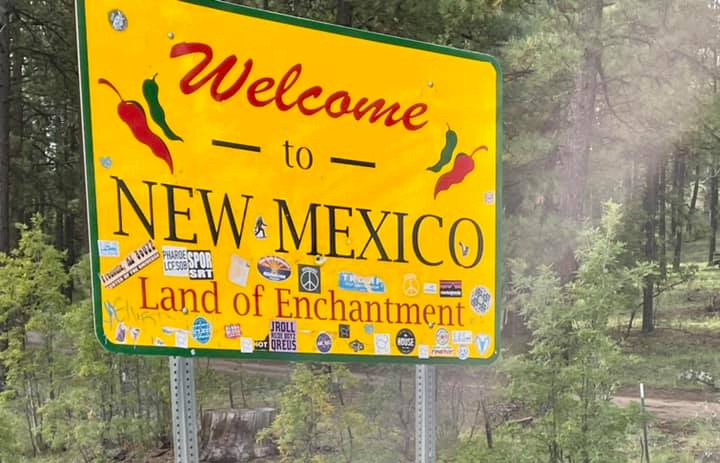 Forest fires have broken out in parts of New Mexico that state forecasters had already warned would see an elevated wildfire risk this summer due to high temperatures, low snowpack and ongoing drought. At least 25 New Mexico jurisdictions imposed some level of fire restriction this spring. State Forester Laura McCarthy said the peak of fire season is still a week away, beginning June 26. …On Tuesday, New Mexico Governor Michelle Lujan Grisham declared a state of emergency in response to the Trout Fire, which is burning in the Gila National Forest, forcing residents to evacuate. The Buck Fire also has burned more than 57,000 acres in the same area of Southwest New Mexico. The governor has urged localities to ban fireworks and restrict water usage. …”If you look at every single big fire we’ve had, there was either a lightning strike or a person behind it,” she added.