As Canada suffered one of the most destructive fire seasons in its history, Eleanor Olszewski, the federal emergency management minister, floated the idea of creating a federal agency to co-ordinate the country’s response to natural disasters, including wildfire. …Kim Connors, who retired this year as executive director of the Canadian Interagency Forest Fire Centre, spent more than four decades fighting wildfires, including as director of provincial wildfire programs in New Brunswick and Saskatchewan. He spoke to The Globe and Mail about why he opposes Ms. Olszewski’s proposal, and why Canadians should start preparing now for next year’s fire season. …We really need to focus on the mitigation side and building true whole-of-society programs that are strong in practice, not just in rhetoric. …Ottawa needs to establish long-term funding to support FireSmart Canada in reaching all provinces and territories and within the national parks. [A subscription to the Globe and Mail is required for full story access]



 FORT MILL, South Carolina — In a major stride towards its ambitious 2030 sustainability strategy, Domtar released its sustainability report. The report, entitled
  In this newsletter you’ll find:
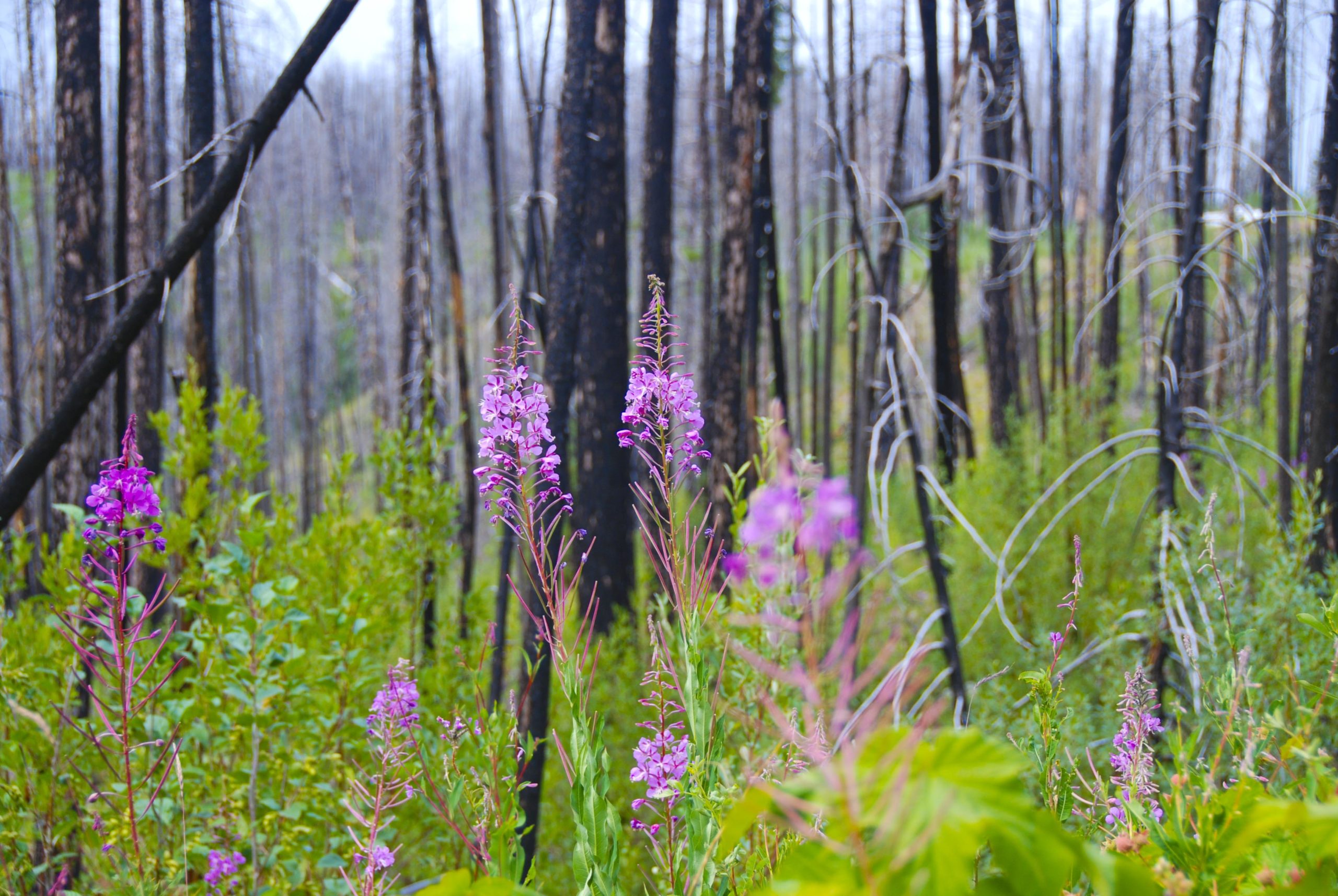 Wildfire is part of the natural lifecycle of a forest; but as Manitoba continues to battle the embers of its most devastating fire season in more than 30 years, its leaders are starting to consider a more active role in managing this critical resource to stave off the flames. In early October, as more than 70 wildland fires still smouldered across the province, Premier Wab Kinew and a handful of cabinet ministers released Manitoba’s first all-encompassing plan to slash carbon emissions in the next 25 years. Among the promised initiatives was a


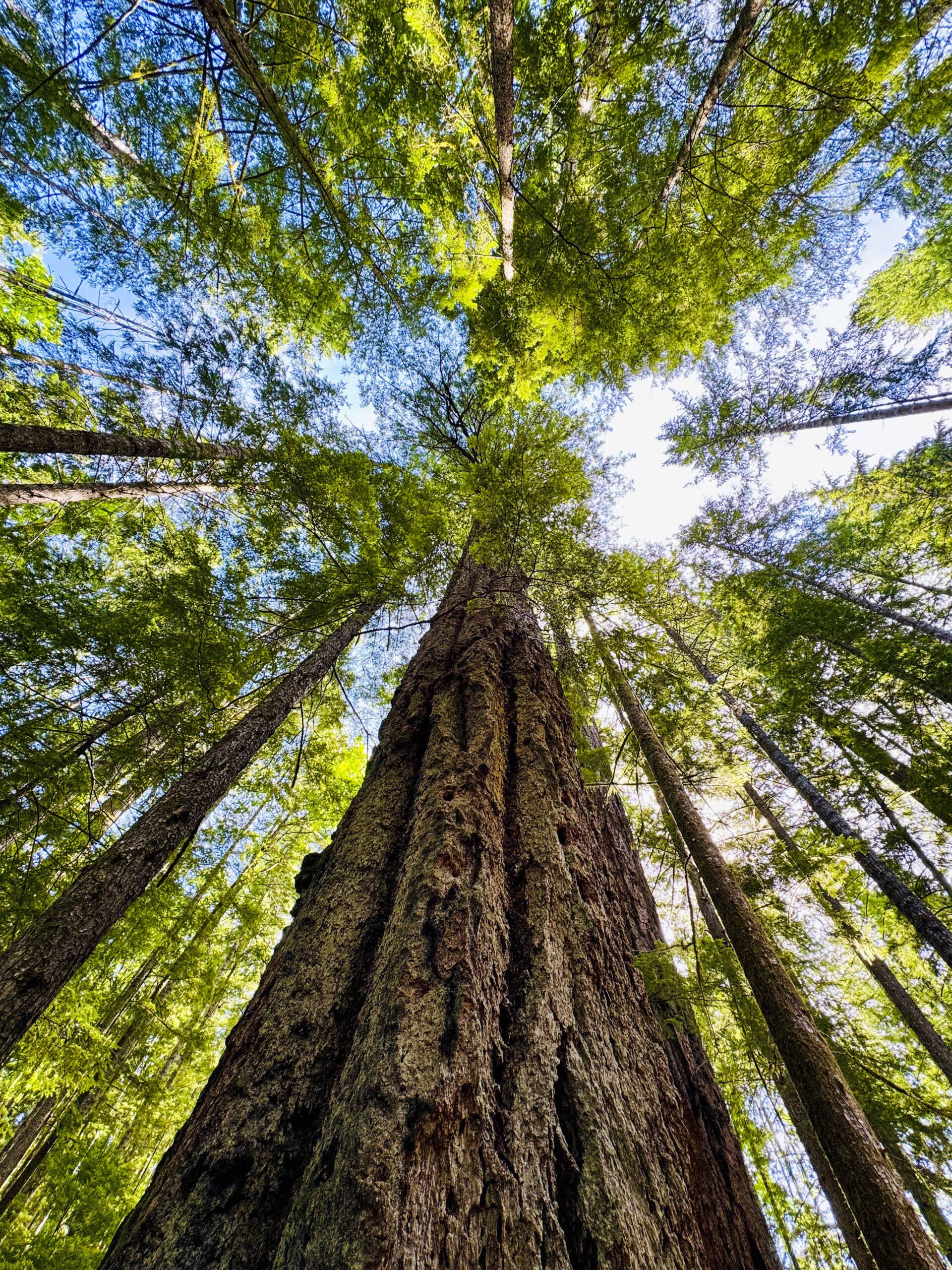 Last week, the Wildwood Ecoforest, located in Yellow Point just north of Ladysmith, got considerably closer to its original size. A successful campaign to raise $850,000 has allowed the
  NANAIMO, B.C. – Mosaic Forest Management addressed community concerns about alternative road access following an incident on October 5th that halted safety work at the Bamfield Main Road worksite. The Ministry of Transportation and Transit has assumed control of the Bamfield Main Road repairs under Section 8 of the Transportation Act, with Mosaic providing technical support. The project is targeted for completion by month’s end. The Brenner Main/Museum Main corridor … remains restricted to limited Mosaic crews and one industrial user with pre-existing access. …“We understand people are frustrated seeing what appears to be a drivable road,” said D’Arcy Henderson, Senior Vice President, Timberlands and Chief Operating Officer. “But we’ve identified dangerous trees and boulders that could fall at any time. Making the Brenner corridor safe for public use would require the same weeks of intensive work currently underway on Bamfield Main. We cannot split our resources and double the timeline.”
 CASTLEGAR, BC — A BC Timber Sales manager for the Kootenay-Boundary admits they may have a hard time selling wood in the coming months as local mills cope with additional U.S. tariffs. George Edney told Castlegar city council this week that his organization, which manages and auctions 20% of the timber on Crown land, will have sales opening next week in the Boundary. …Interfor has curtailed its Grand Forks operations indefinitely due to “persistently weak market conditions.” …Edney said if the wood they offer in the Boundary doesn’t sell at the upset price, they can drop the price and try again, or they can withdraw it altogether, although typically they want the wood in the market. …Edney said they sold 581,000 cubic meters that BC Timber Sales in the Kootenays in 2024-25. Their target volume for 2025-26 is 715,000 cubic metres.



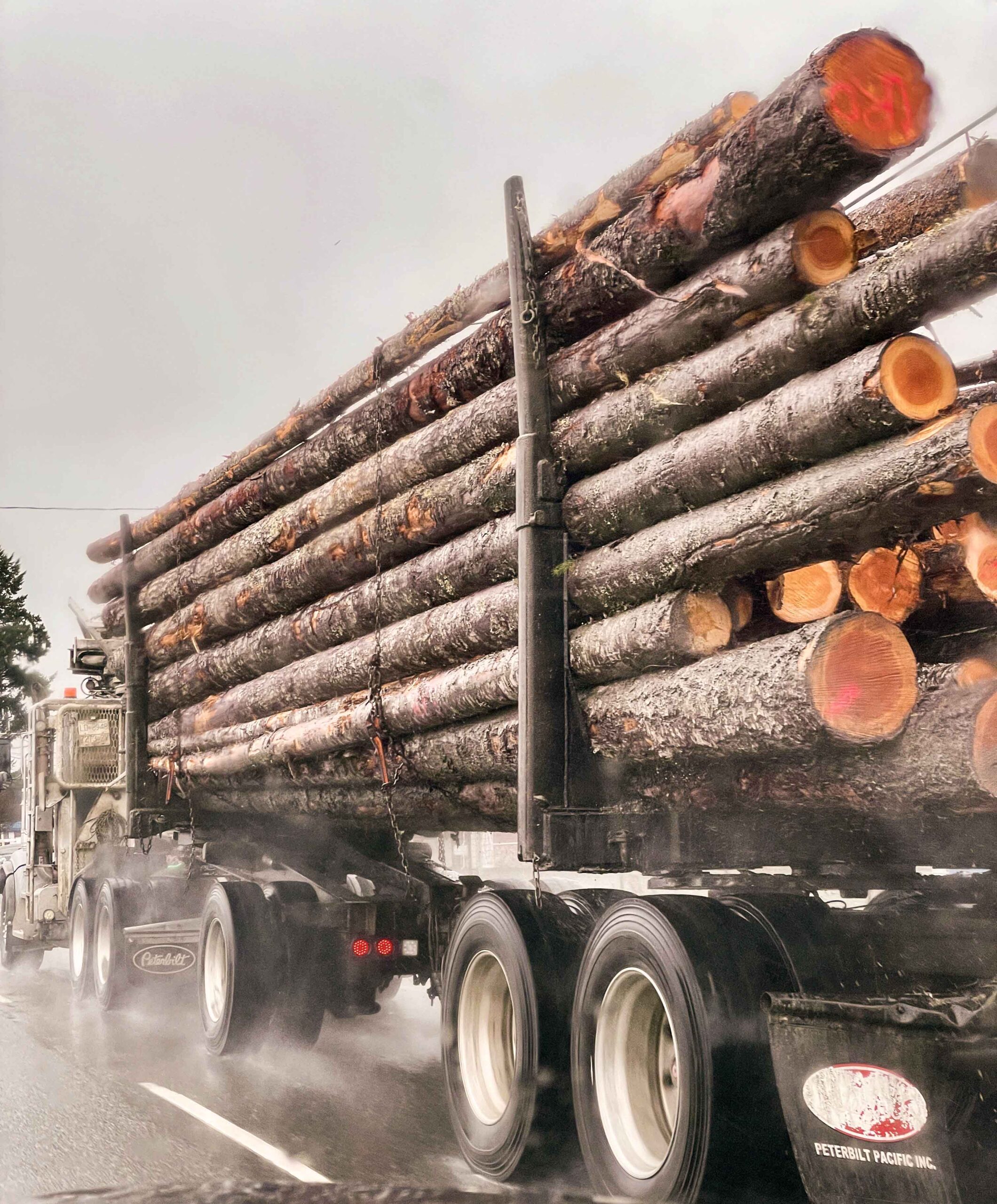 Anderson Creek Timber is currently hauling logs from its property located just south of Nelson above the Rail Trail at Mountain Station. The work will continue for another three-to-four weeks, said Doug Thorburn, a forester with Monticola Forest Ltd. that manages Anderson Creek’s forest properties. … The 600-hectare Anderson Creek Timber property is private land and is therefore governed by B.C.’s Private Managed Forest Land Act, which provides much less regulation than the Forest Act in areas such as biodiversity, watershed protection, wildlife protection and harvest guidelines. …Anderson Creek Timber and Kalesnikoff, which has a public Crown land tenure over much of the Anderson Creek watershed, are working on a watershed assessment for the area… The reason the company has not done public information sessions about its logging plans … is that on privately owned land, compared with public land, there is less obligation to do so.
 The Forest Enhancement Society of BC (FESBC) is accepting expressions of interest (EOI) for projects to assist the Province of British Columbia in advancing the environmental and resource stewardship of British Columbia’s forests. These projects must occur on provincial crown land and support one or more of the core purposes of the Society, which include:
 ʼNa̱mǥis First Nation and the Province are one step closer to a joint decision-making agreement that will support predictable harvesting, job creation and sustainable forestry operations on the north Island. “The best way to move fibre is by working together and that is what we are accomplishing with the ʼNa̱mǥis First Nation,” said Ravi Parmar, Minister of Forests. “I am optimistic that this draft agreement will create good-paying jobs and help us in our efforts to provide stability and certainty for our coastal forestry sector, as we deal with Donald Trump’s attack on our forestry sector.” ʼNa̱mǥis First Nation and the Province have developed a first-of-its-kind draft Section 7 joint decision-making agreement for the forestry sector under the Declaration on the Rights of Indigenous Peoples Act (Declaration Act) and Forest Range and Practices Act.
 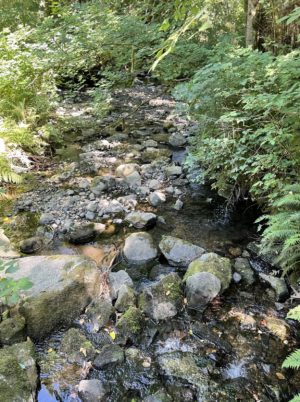 The Chemainus River reveals its secrets in strange and unexpected ways. For years, I have wandered the forests near my North Cowichan home in search of the last few ancient trees, finding a few nice specimens here and there. In the heavily logged, 5,000-hectare Municipal Forest Reserve — popularly known as the Six Mountains, an hour north of Victoria — they are as elusive as the last rhinos of Sumatra. With a bit of luck, I hope my persistence may yet pay off. I don’t know it at the time, but my quest will launch me on a journey from the river’s headwaters to its mouth in pursuit of questions fundamental to the Chemainus and its future. How have human activities like industrial logging shaped the river, its watershed, and its salmon? …In my search for answers, I will discover modern challenges that bedevil other B.C. coastal rivers.
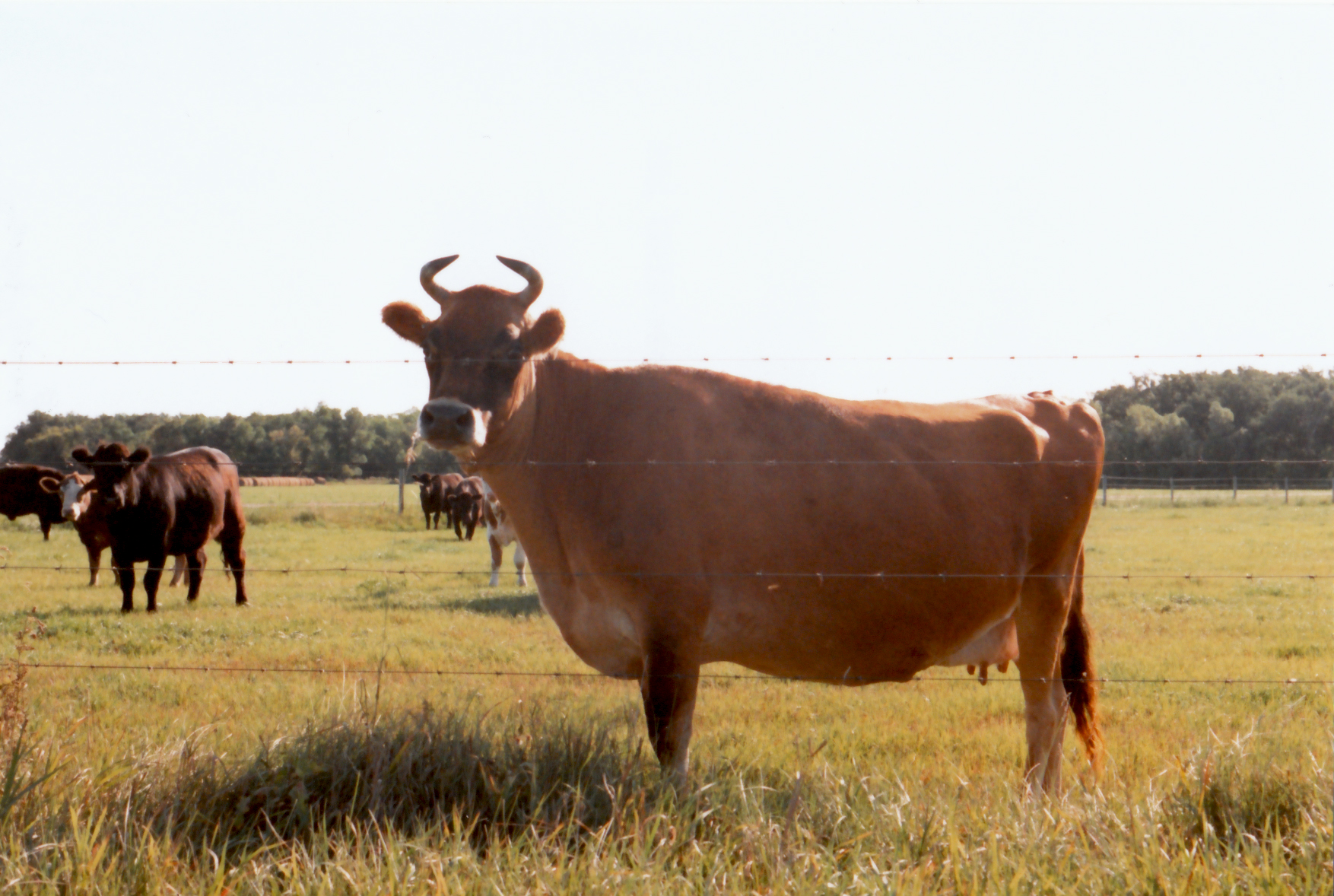 …the carcasses of 11 cattle were found on a logging road near Quesnel earlier this week… The owner of the animals, who holds tenure for an area of Crown land in B.C.’s Cariboo region, discovered the cows had ingested a nitrate-based fertilizer used in forestry to encourage tree growth, said Kevin Boon, of the B.C. Cattlemen’s Association. “They licked it, thinking it was salt, and died of nitrate poisoning,” he said. …Boon said the rancher … fears more may have been poisoned… The fertilizer is usually applied in the winter or early spring, while cows aren’t grazing in B.C.’s forests. It appears to have been done earlier this year, due to a “lack of understanding,” said Boon, emphasizing that it doesn’t appear to be deliberate. “When you have multiple tenure-holders on the land, there needs to be communication with the stakeholders,” he said. …B.C. Forests Ministry is aware of the situation and is investigating…
 Look for these stories and more in the Woodlots BC News:
 Don’t miss the September BCCFA newsletter with these headlines and more:
 Date: Wednesday, October 8, 2025 | Doors: 6 pm | Event: 7 pm | Reception: 8:30 pm | Location: Hollywood Theatre, 3123 W. Broadway, Vancouver
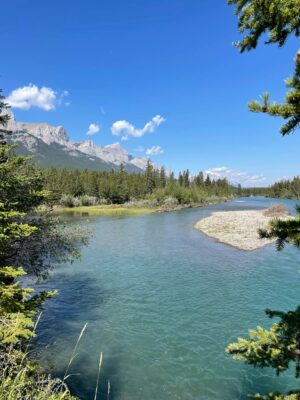 Do you remember the hydrological cycle that you learned about in school? Rain and snow fall from the sky. Tree leaves and branches slow the fall of rain. In the spring, snow slowly melts, the melt slowed because trees shade the snow and cool the air. Some of the rain and melted snow infiltrate deep into the ground, aided by the presence of tree roots, to become part of the ground water that flows downhill, slowed by tree roots. …Transpiration from tree leaves, and evaporation from the land, lakes and ocean return the water to the sky and the cycle starts over again. But wait. Remove a major part of the trees from the cycle and what happens? Rain and snow land directly on the ground. Less rain infiltrates the soil and, with no tree roots, what ground water there is flows downhill more quickly.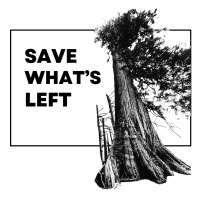


 A hazard assessment commissioned by the B.C. government has identified 45 kilometres of old logging roads at high risk of landslides reaching Highway 99 — in the same area where a rain-triggered slide killed five people south of Lillooet in 2021. The hazard assessment, completed in 2023, was obtained through a freedom of information request by Postmedia News after the B.C. Forests Ministry refused to release the report. The report produced by Westrek Geotechnical Services Ltd., recommended further inspection to determine the best way to deactivate the roads and reduce landslide risk… They assessed Hwy. 99 between Duffey Lake and Lillooet — is about 100 kilometres northeast by road from Whistler. …It’s important to determine whether these old logging roads are diverting water out of its natural path and if this poses a landslide threat, and straighten it out from top to bottom, said Calvin VanBuskirk, an engineer with decades of experience in how logging and roads alter water flow. [This story may require a Vancouver Sun subscription for full access]

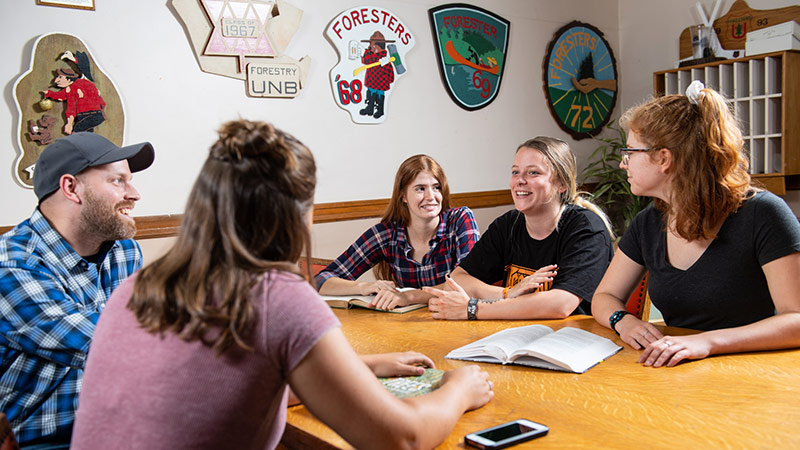

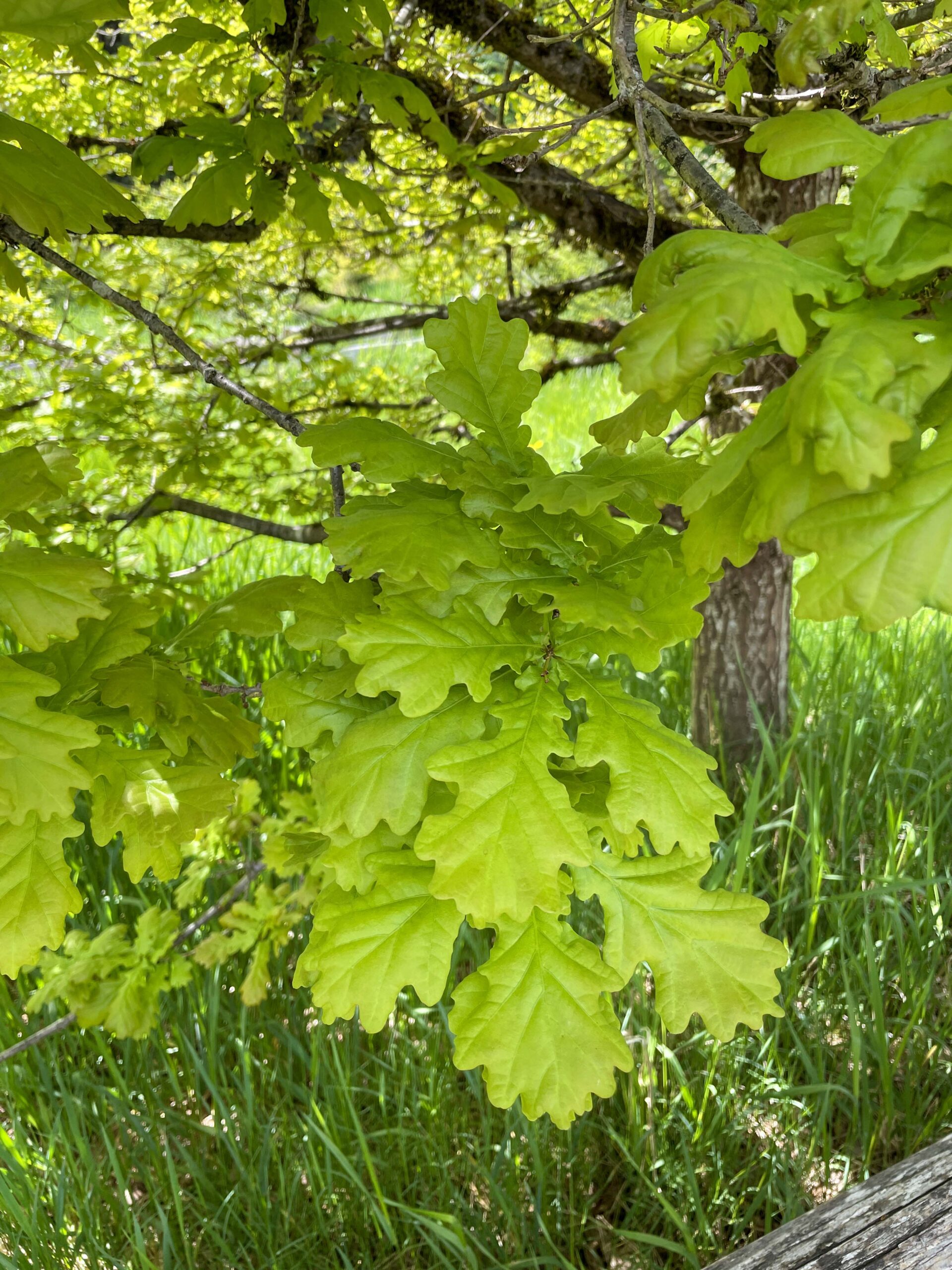 A group of University of Toronto forestry students collected acorns from a giant White Oak tree at Queen’s Park on Wednesday as part of an effort to preserve the diversity of Toronto’s native trees. Eric Davies, a forest ecologist at the University of Toronto, led a group of undergraduate students in the university’s foresters club as they gathered about six litres of acorns from a tree in Queen’s Park North, one of four remaining large White Oaks in the park. White Oaks, a common deciduous tree species in North America, are the largest and oldest trees in the green spaces outside the Ontario Legislature. …Davies said timing is key, as White Oaks produce acorns about once every five to 10 years — this year being one of them. …Davies said the students will donate most of the acorns to the City of Toronto’s tree seed diversity program in the next two weeks. Some of the acorns will be kept at U of T to be grown there, he added.
 US civil society groups are urging the European Commission to resist Washington’s pressure to delay the EU’s deforestation regulation (EUDR) or tweak the rules to grant the country preferential treatment, according to a letter seen by Euractiv. The missive, sent this morning to Commission President Ursula von der Leyen and the Commissioners responsible for green rules, the economy and trade, warns against any backtracking. “We are particularly concerned by the Commission’s apparent willingness to offer the U.S. special treatment under the EUDR as part of ongoing EU-U.S. trade negotiations,” the letter reads. The organisations refer to the joint statement issued by Brussels and Washington in September, which labels the US as posing “negligible risk to global deforestation.” Rick Jacobsen, senior manager for commodities policy at the US NGO Environmental Investigation Agency, told Euractiv that US interests have “ramped up the pressure campaign” to weaken the law before it even comes into force.
 ATLANTA — Forest Stewardship Council US announced the approval of the revised
 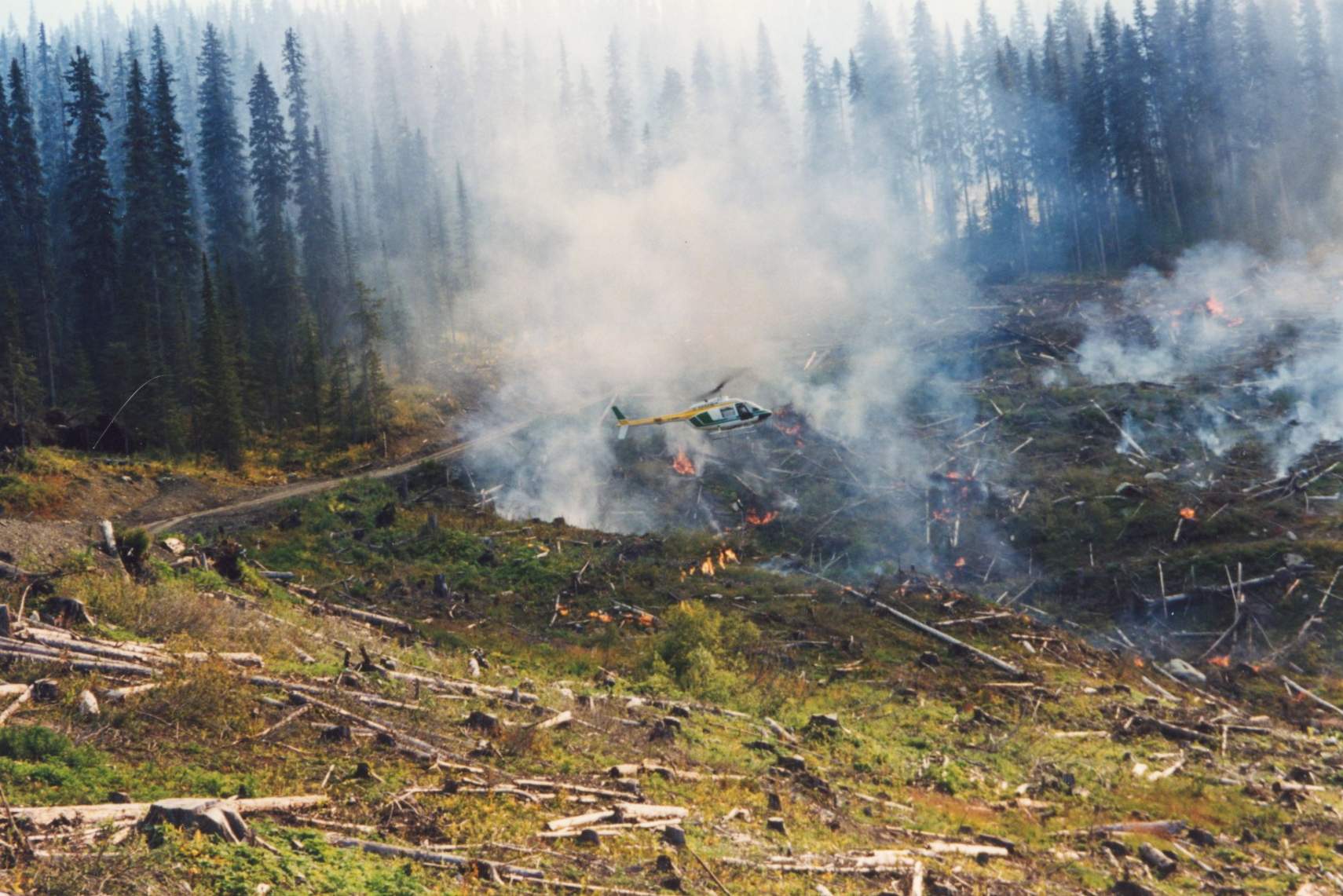 Despite the Trump administration’s pledge to aggressively clear overgrowth from national forests, the U.S. Forest Service is falling significantly short on wildfire mitigation work. By mid-September, the agency had only treated about 2.2 million acres through thinning and prescribed burns. That’s far short of the over 4 million acres treated during the last year of the Biden administration, and it’s also behind the agency’s annual average over the past decade. Forest Service Chief Tom Schultz blamed “operational challenges” and said agency resources were diverted to help battle blazes in Canada. However, Senator Ron Wyden of Oregon is blaming the slowdown in fuel treatments on the Trump administration firing thousands of Forest Service employees earlier this year. …the government shutdown has stopped wildfire prevention efforts across the country’s entire 193 million acres of national forest land [at] the ideal time for the agency to conduct safe prescribed burns across the West.
 Roughly 500 years ago in California’s High Sierra, pine cones dropped to the ground and a cycle began. …Half a millennia later, US Forest Service scientists began testing strategies to save these now ancient and massive trees in the little-known area east of Fresno called the Teakettle Experimental Forest. They had plans to light a huge prescribed burn to clear overgrowth next year. But then the Garnet Fire ignited and scorched all 3,000 federally protected acres on its path through the Sierra National Forest. …Scott Scherbinski, a biologist at the Climate & Wildfire Institute, said “It will be a start-over event for this forest.” …Malcolm North, a Forest Service ecologist said…fires with less intensity can be beneficial in California’s fire-adapted landscapes, but the Garnet Fire, when it burned through in September, may have killed most trees and sterilized the ground — making it unlikely the forest can rebound without intervention. [to access the full story a San Francisco Chronicle subscription is required]
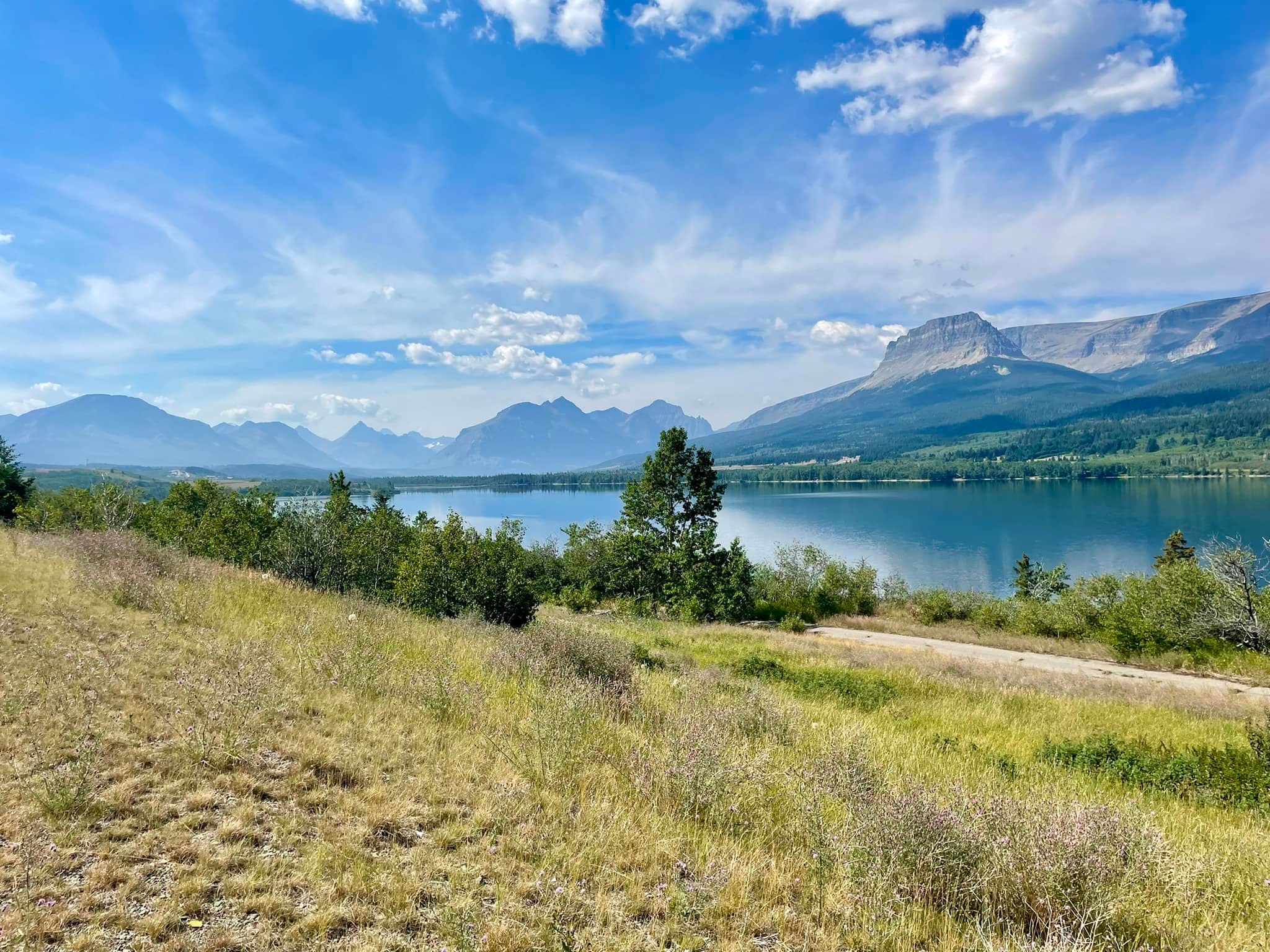 A coalition of conservation groups’ attempt to stop a forest project in Montana’s Bitterroot National Forest fell flat on Tuesday when a magistrate judge recommended the court toss their claims. In her findings and recommendations, U.S. Magistrate Judge Kathleen DeSoto noted inconsistencies in the conservation groups’ arguments across different filings, leading to many of their claims being waived. “Therefore, defendants argue, plaintiffs have conceded these issues,” DeSoto wrote. “Defendants further point out that several of plaintiffs’ arguments are raised for the first time on reply.” The groups challenged the planned Mud Creek Vegetation Management Project, claiming it violates multiple federal conservation acts by failing to provide exact details of where logging and burning will take place, as well as what effects it will have on the environment. The project will include logging, thinning, controlled burns and road construction on 48,000 acres of federal forest. It is intended to mitigate wildfire risk.
 Last April, a pair of teenage boys … set fire to wooden pallets someone had dumped in the woods. Within a few hours it became one of the fastest-moving and most destructive wildfires on record in the New Jersey Pinelands. By the time it was brought under control three weeks later, about 15,000 acres of preserved forest were destroyed, and thousands of people were forced to flee their homes and businesses. Most official accounts of what became known as the Jones Road Fire attribute its ferocious power to the intensifying cycles of drought and heat linked to climate change that continue to affect coastal areas. But forestry experts in New Jersey point to another cause. …On Sept. 18, the New Jersey Pinelands Commission took a big step toward more aggressive management of the state’s Pinelands National Preserve voting to thin out a 12,000-acre stretch of pine and oak woodland adjacent to the wildfire site.

 Europe’s sawn timber industry is grappling with growing strategic uncertainty and rising compliance costs while the EU prepares to delay implementation of its landmark anti-deforestation law for a second time. While the postponement of the regulation to December 2026 may offer temporary relief, it also threatens to erode market incentives for early adopters and undermine confidence in the bloc’s regulatory direction. Producers across the continent have already invested billions of euros to meet the regulation’s demanding traceability requirements—developing digital platforms, upgrading Enterprise Resource Planning (ERP) systems, and restructuring supply chains to prove that every cubic meter of wood originates from deforestation-free sources. …In a strongly worded letter to the EC’s Environment Commissioner Jessika Roswall, a
  Major agri-food companies including Nestle, Ferrero and Olam Agri have warned that European Union delays to its anti-deforestation law are endangering forests worldwide. The EU last month proposed delaying the launch of its anti-deforestation law for a second time, citing concerns about the readiness of information-technology systems needed to support the law. The delay could postpone the ban on imports of commodities such as palm oil linked to forest destruction for another year. The law faces major opposition from industry and EU trade partners such as the United States and Brazil. EU Commissioner Jessika Roswall said last week the delay was not linked to U.S. concerns about the policy. …Contrary to the EU’s aim of simplifying rules for business, any changes at this stage would introduce uncertainty, annoy shareholders and risk the rules being watered down further, the companies said. The EU deforestation law was due to take effect on December 30.
 A breakthrough in the creation of an oral contraceptive for wildlife has been made by British researchers – in a significant step towards ethical grey squirrel management. Scientists at the Animal and Plant Health Agency (APHA) have achieved infertility in rats through free feeding of an oral immunocontraceptive, and say initial studies show the formula has also succeeded in attaining a reaction in grey squirrels. Funded by the UK Squirrel Accord (UKSA), the research will develop a vaccine-based contraceptive and species-specific feeder to reduce grey squirrel numbers for the protection of UK red squirrels, trees and woodland ecosystems. …Fertility control is used as a safe and non-lethal option to tackle wildlife problems. …This contraceptive affects an animal’s immune system to prevent it creating the sex hormones and causes infertility in both males and females. Developing a formula that can survive the body’s digestive processes and make it into the bloodstream is a real challenge.