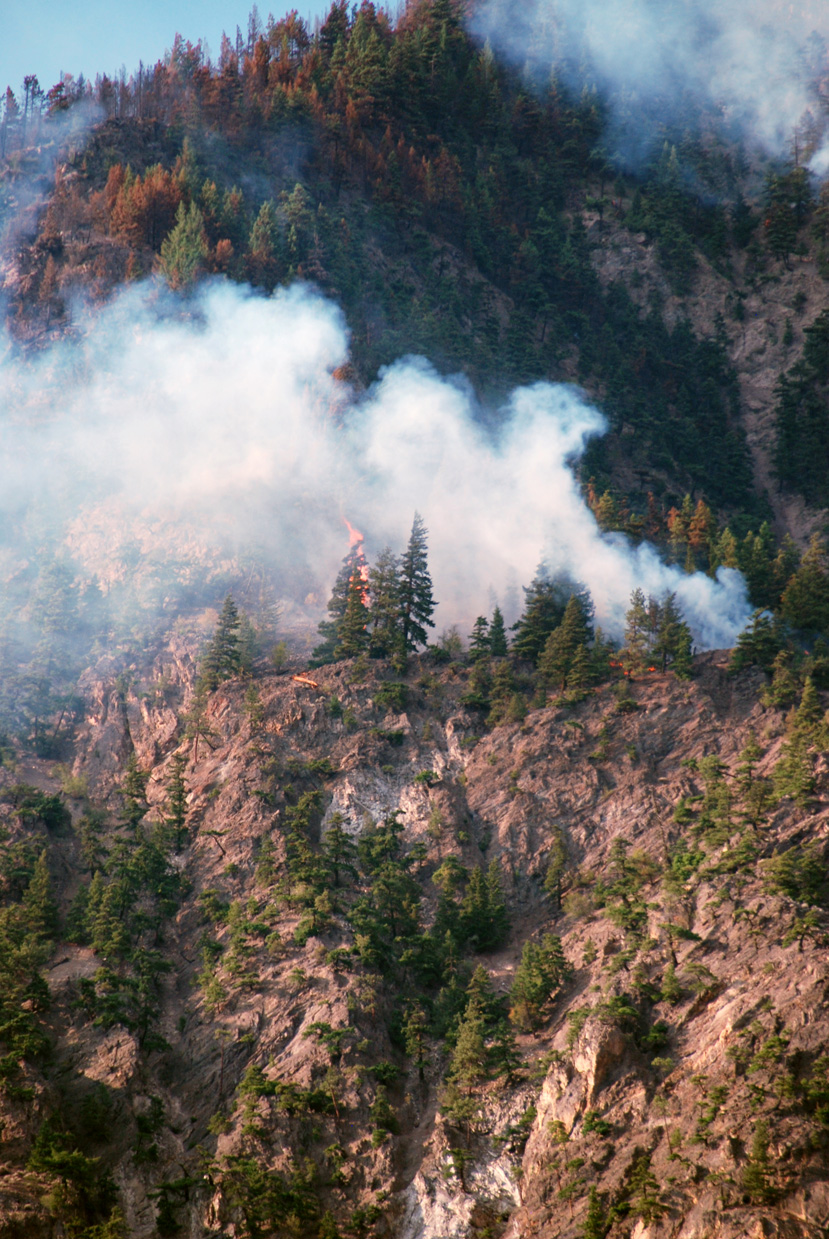
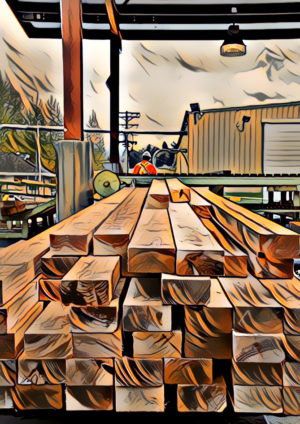
 100 MILE HOUSE, BC — West Fraser Mills (WFM) had just cause to fire a worker who violated a safety policy on May 13, 2024, and tried to minimize the risk involved, according to an arbitrator. …WFM had a lock-out procedure program and policy that were mandatory for employees performing work on energized equipment, including conveyor belts. …On May 28, WFM terminated the worker’s employment for cause. The union grieved, conceding that discipline was warranted but arguing that termination was excessive for an employee with 19 years of service and no safety-related discipline. …The arbitrator noted that the central issue as whether termination was an excessive response, pointing out that violation of safety rules constitutes a serious workplace offence and lock-out procedures are among the most important safety features in workplaces such as lumber mills. …The arbitrator also found that the worker’s conduct following the incident raised concerns over whether he would work safely if reinstated.
 In this newsletter you’ll find these stories and more:
 Wildfires are already burning in parts of Canada, and as they do, many communities are already facing the familiar thick haze as smoke drifts in. Smoke from wildfires has already led Environment Canada to issue air quality warnings for much of Ontario. In Toronto, smoke led to the city briefly having the worst air quality in the world. Anyone who has experienced wildfire smoke knows how it can leave you with a scratchy throat, stinging eyes and impact your lungs. However, smoke can also affect your brain. Tiny airborne pollutants found in smoke have been linked to increased risk of stroke, dementia and flare-ups in neurological diseases like multiple sclerosis, or MS. These effects can disproportionately impact older adults, people with disabilities, Indigenous Peoples and those living in low-income communities. This isn’t just about climate. It’s about equity, and health systems need to catch up.
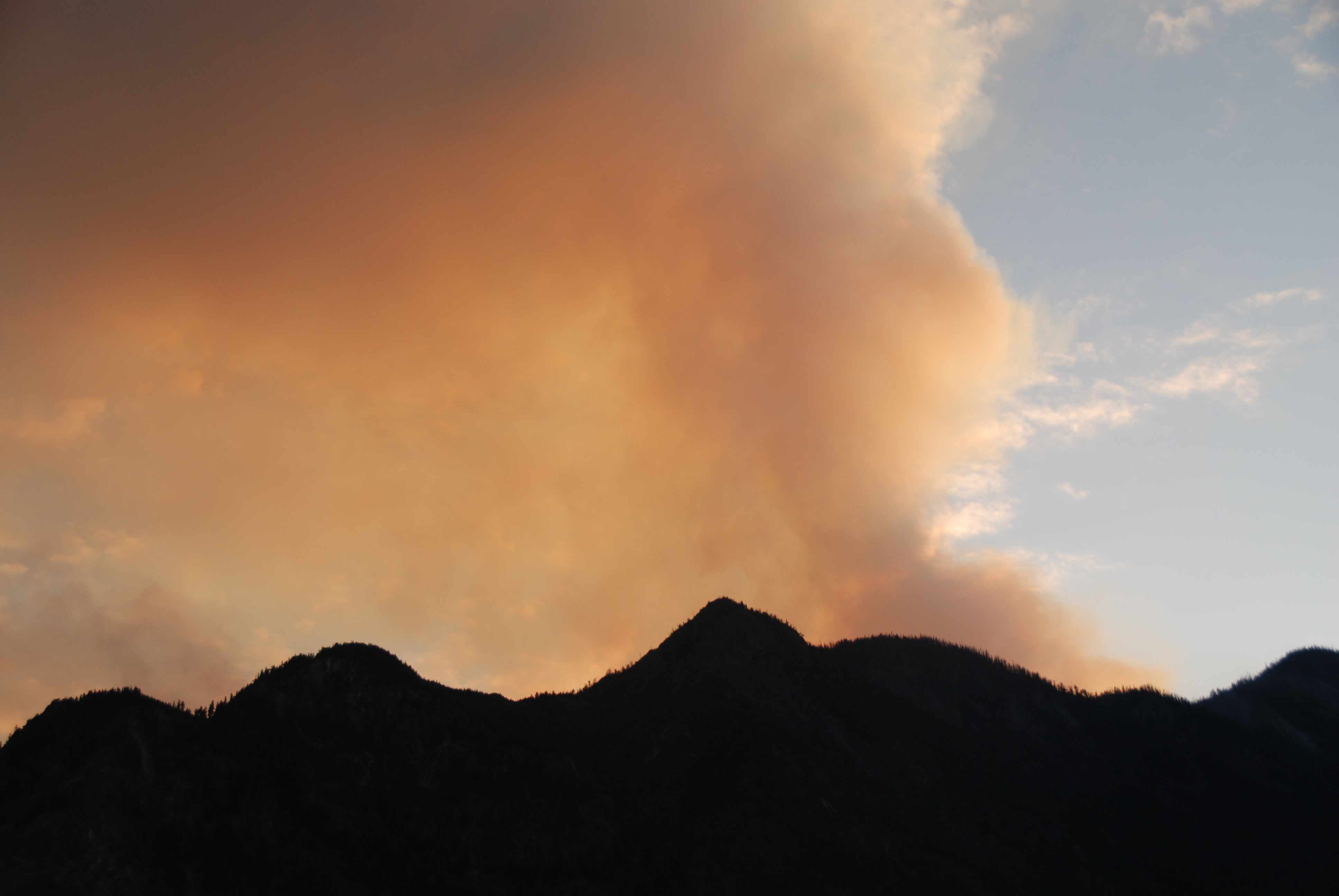
 The sun and sky had a much more eerie appearance to it on Saturday evening and Sunday morning. It was a sign that smoke from wildfires burning more than 4,000 miles (6,400km) away in central Canada had made it across the Atlantic to sit in the skies over the UK. BBC WeatherWatchers from all corners of the country were out capturing the spectacle. …The change in the appearance of the sun and sky is due to smoke particles in the atmosphere scattering the blue wavelengths of light more, allowing predominantly orange and red hues to reach our eyes. …The presence of wildfire smoke from North America over the UK, whilst not common, does occasionally happen during the summer months. …Here in the UK, the smoke plume is at too high an altitude to affect our air quality.
 CHICAGO and OTTAWA, ON – As devastating wildfires continue to increase throughout North America, the American and Canadian Lung Associations are collaborating for a second year to raise awareness about the health risks associated with wildfire smoke, educate people on how to protect themselves, and promote strategies to mitigate the occurrence of catastrophic wildfires. …To protect residents in both countries from the harmful health impacts of wildfires, the American Lung Association and the Canadian Lung Association are once again working together, concentrating their efforts on three key areas: awareness, education and advocacy.
 FLIN FLON, Manitoba — More than 25,000 residents in three provinces have been evacuated as dozens of wildfires remained active Sunday and diminished air quality in parts of Canada and the US, according to officials. Most of the evacuated residents were from Manitoba, which declared a state of emergency last week. About 17,000 people there were evacuated by Saturday along with 1,300 in Alberta. About 8,000 people in Saskatchewan had been relocated as leaders there warned the number could climb. Smoke was worsening air quality and reducing visibility in Canada and into some US states along the border. “Air quality and visibility due to wildfire smoke can fluctuate over short distances and can vary considerably from hour to hour,” Saskatchewan’s Public Safety Agency warned Sunday. “As smoke levels increase, health risks increase.” …In some parts of the U.S., air quality reached “unhealthy” levels Sunday in North Dakota and small swaths of Montana, Minnesota and South Dakota.
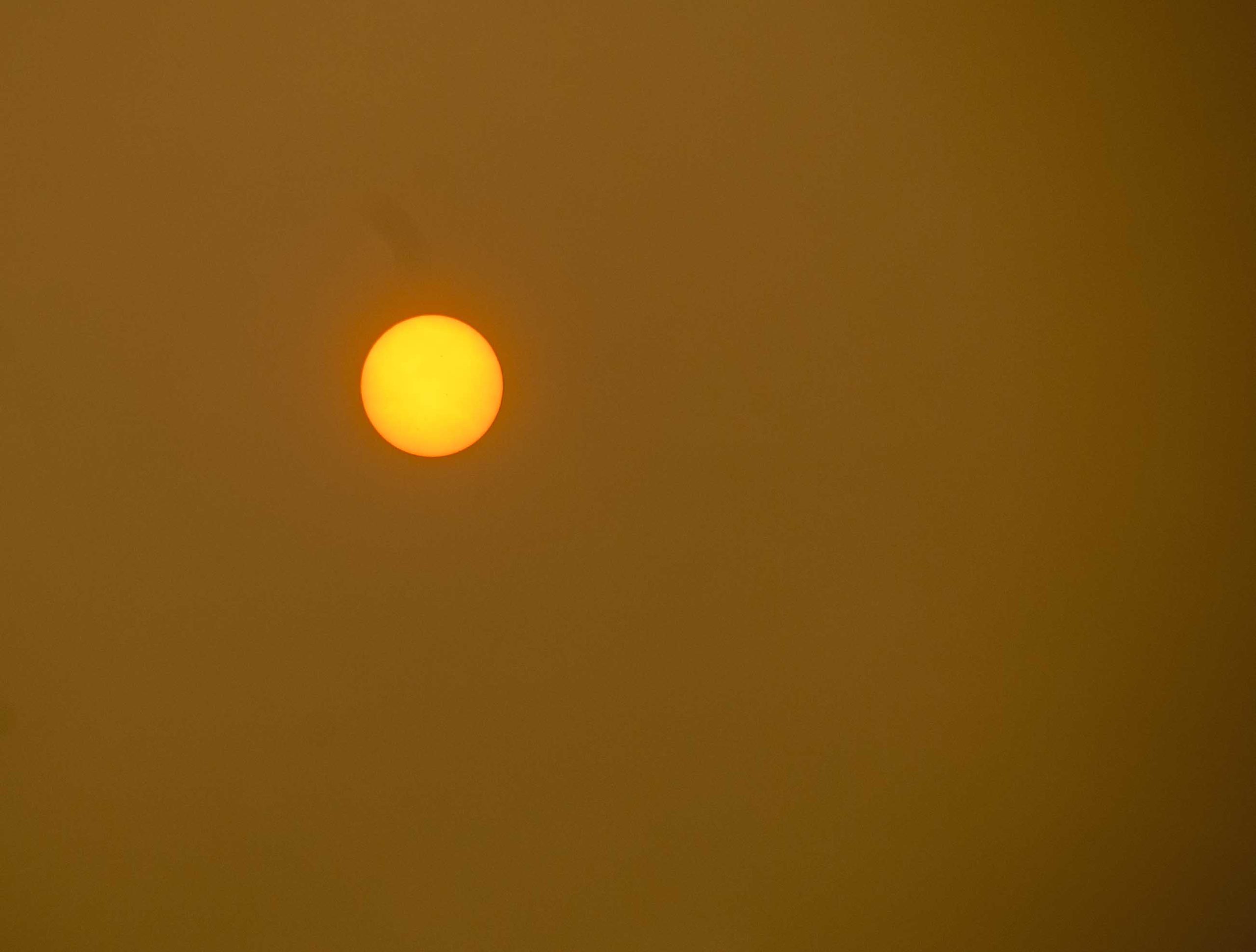 Smoke from Canadian wildfires continues to blanket parts of the Midwest and Great Plains, leading to air quality alerts across several states. More than 90 fires scattered across Canada are burning out of control, according to the Canadian Interagency Forest Fire Centre, a nonprofit that supports the government’s wildfire response. Active fires in the central Canadian province of Manitoba have forced roughly 17,000 people to evacuate. Winds high in the atmosphere pushed that smoke into the Upper Midwest on Friday, and the plumes continued to travel southeast over the weekend, reaching as far as the Georgia-Florida border. Some U.S. states may experience poor air quality through Monday, meaning sensitive groups such as pregnant people, newborns, older adults or those with respiratory or heart problems should limit their time outdoors. People in the affected areas may notice a campfire smell and hazy skies, as well as colorful sunrises and sunsets.

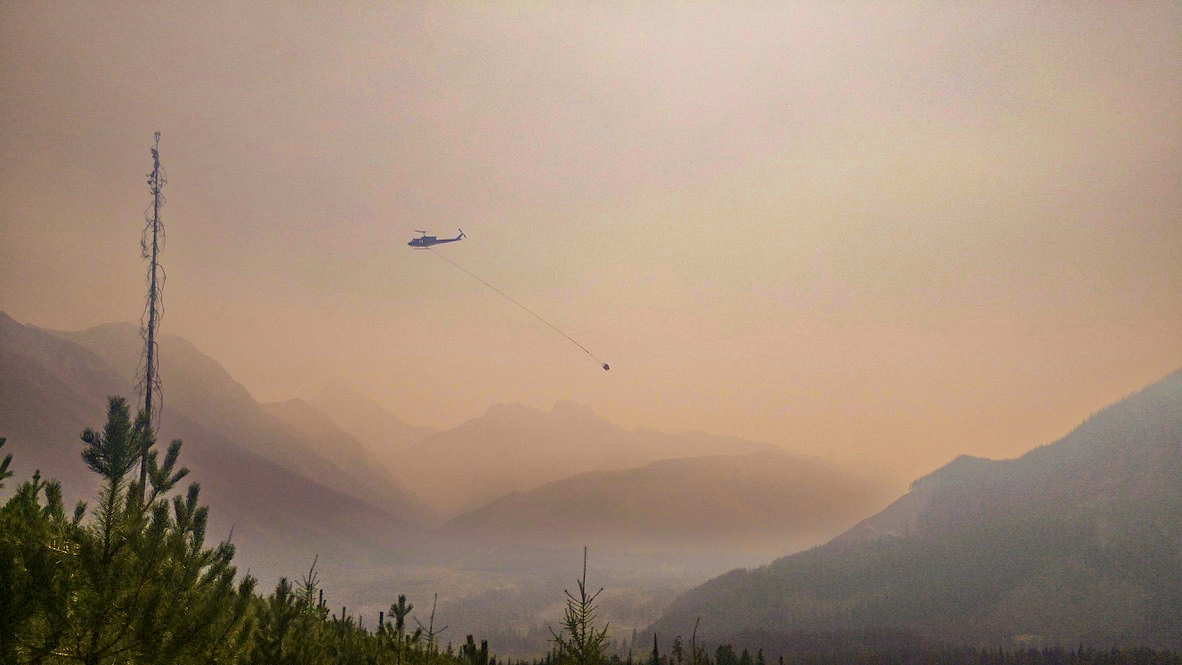 As Saskatchewan experiences one of its worst wildfire seasons on record, smoke continues to prompt air quality alerts for the public. …however, less than five per cent of personnel working the wildfires in Saskatchewan are wearing masks, and despite the health risks, that’s not likely to change any time soon. “Saskatchewan Public Safety Agency (SPSA) personnel have access to N95 masks if they wish to wear them on the fire line, but most choose to wear bandannas,” the SPSA wrote in an email to paNOW. Structural firefighters within urban centres are required to wear self-contained breathing apparatus (SCBA) to protect them from smoke inhalation and exposure to harmful airborne contaminants, but in Saskatchewan, using facial protection is voluntary for wildland firefighters, and there is no provincial protocol to use them. …N95 masks can help reduce exposure to fine particles, but don’t filter out harmful gases. Bandannas offer little to no protection.
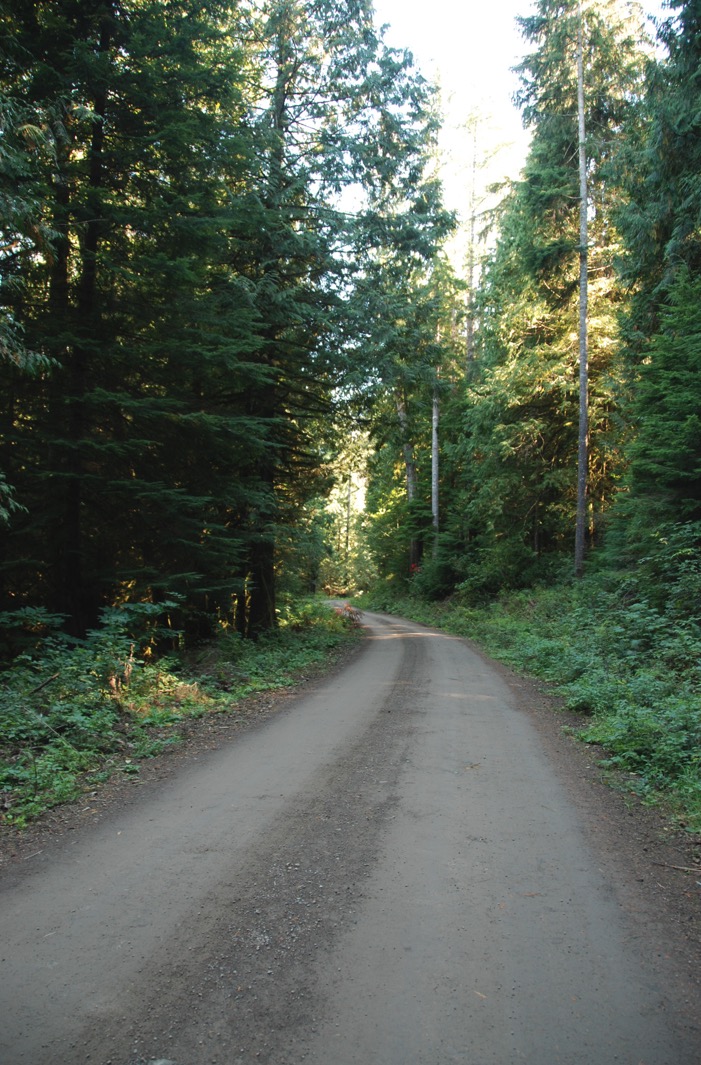 Pointing to several recent closures that caused major traffic disruptions on Highway 97, Okanagan MPs and MLAs are urging the provincial and federal governments to work together on a solution. The group of six politicians gathered outside Okanagan Lake West-South Kelowna MP Dan Albas’ office on Tuesday (Aug. 12) to offer their own idea — pave 201 Forest Service Road (201 FSR) between Kelowna and Penticton so it can be used during emergency closures of Highway 97. “People are going to be taking that road, as we’ve seen reported by local journalists, and they’re getting lost,” Albas pointed out. “So this is going to happen whether or not the federal and provincial governments decide to act, but we can’t tolerate that.” The 201 FSR is a long and winding route that many Okanagan residents use during extended closures of Highway 97.
 As the B.C. Day long weekend approaches, people are encouraged to stay informed about wildfire conditions, be prepared and plan travel. Warming summer temperatures and ongoing drought mean much of British Columbia is at heightened risk of wildfire, even after recent cooler temperatures and rain. Environment and Climate Change Canada (ECCC) has forecast hot temperatures this week in B.C., with heat warnings currently in place for parts of the province. People are encouraged to prepare for hot summer weather. To access the Province’s PreparedBC extreme-heat preparedness guide,

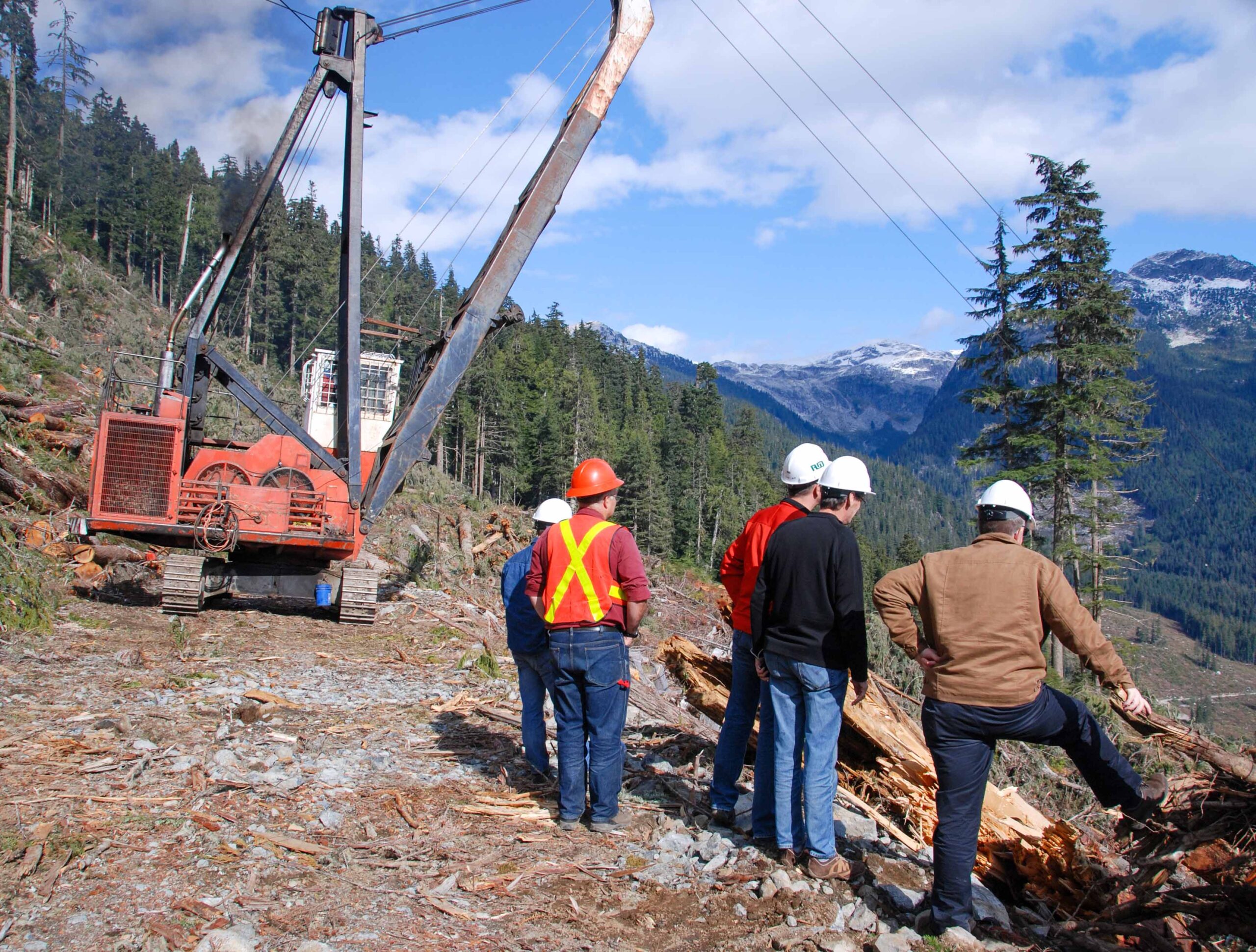 Overlapping work activities are one of forestry’s most complex safety challenges; without proper controls, phase congestion can pose serious hazards to workers. However, with proper management, forestry operations can achieve safe, efficient phase integration. “Preventing injuries and fatalities takes ongoing commitment to coordinated planning, qualified supervision, worker training, and clear communication, says Tom Pawloski, manager of prevention programs and services at WorkSafeBC. Phase congestion occurs when multiple harvesting phases overlap in the same or nearby area, often due to insufficient time or distance between phases. It often builds gradually and can go unnoticed until a serious incident occurs. …When phases aren’t properly coordinated, workers face greater risks of being struck by or caught between equipment or missing other hazards. …Safe phase integration begins before work starts. …”Phase congestion doesn’t always show up right away … staying proactive, adjusting plans as conditions change, and maintaining clear communication is essential to keeping workers safe,” Pawlowski says.

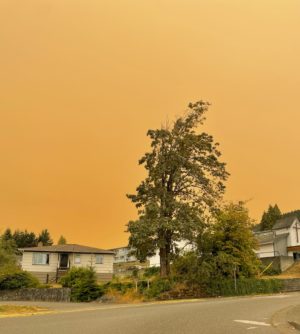 Wildfire smoke and extreme heat are combining to create a lethal cocktail of environmental conditions that multiply the risk of death in Metro Vancouver, a
  In the recent WorkSafeBC Health and Safety News, you’ll find these stories and more:
 The 2023 McDougall Creek wildfire caused serious damage to the Rose Valley reservoir, which provides source water to more than half of West Kelowna residents through the Rose Valley Water Treatment Plant. During a presentation to city council this week, Interior Health medical health officer Dr. Fatameh Sabet said that damage makes it harder to treat water coming from the reservoir. “We know the land surrounding the Rose Valley reservoir has been contaminated because of the wildfire in 2023 and it means the contaminated source of water can be harder to treat because of the sediment, nutrients, metals and organic matter as a result of burned material,” said Dr. Sabet. “Fortunately, the Rose Valley Water Treatment Plant was not damaged from the fire and it has been very helpful to compensate for damage to the watershed.” The plant ensures water is safe by not only controlling levels of manganese and disinfection byproduct, but other perspectives as well.
 With warmer, drier conditions expected to increase across B.C., people are advised to stay prepared for climate-related emergencies. …People are encouraged to prepare grab-and-go bags, create an emergency and evacuation plan, create an Emergency Support Services profile through their B.C. Services Card app and ensure they have renter’s or homeowner’s insurance for their property. …Warm and dry conditions are expected throughout the province this month, and with that comes an elevated risk of wildfire. Northeastern B.C. is continuing to experience prolonged drought and is expected to remain at high risk for wildfire this summer. …In addition to wildfire risk, the Province is also closely monitoring key indicators of drought risk, including snowpack.
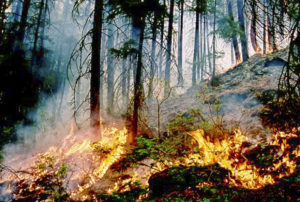 Fighting forest fires has always been a physically demanding and dangerous job. But it can take a toll on firefighters’ mental health as well. In 2023, the deaths of six wildland firefighters in B.C. highlighted the importance of mental health, both for frontline responders and support staff. Wildland firefighters are challenged with stress and exhaustion, but the loss of colleagues heavily contributed to the mental toll on firefighters during the 2023 wildfire season, said Jessa Barber, a former wildland firefighter who is now a safety officer with the BC Wildfire Service. …BC Wildfire said it is being proactive, implementing policies and practices to support the mental health of its staff. …One of these practices is the New Recruit Boot Camp, which prioritizes educating recruits about the risks and dangers of being a wildland firefighter both physically and mentally. Ongoing support is provided to recruits.
 North Cowichan/Duncan RCMP are investigating the drowning of a machinery operator in an industrial incident at the Crofton pulp mill on Wednesday. Police responded about noon to the Catalyst Pulp and Paper Mill after receiving a report that a piece of heavy equipment had fallen into the ocean with its operator trapped inside. Canadian Coast Guard divers attempted a rescue, but the 30-year-old man could not be revived. RCMP spokesperson Alex Bérubé said the B.C. Coroners Service and WorkSafeBC are both investigating what led to “this tragic outcome.”
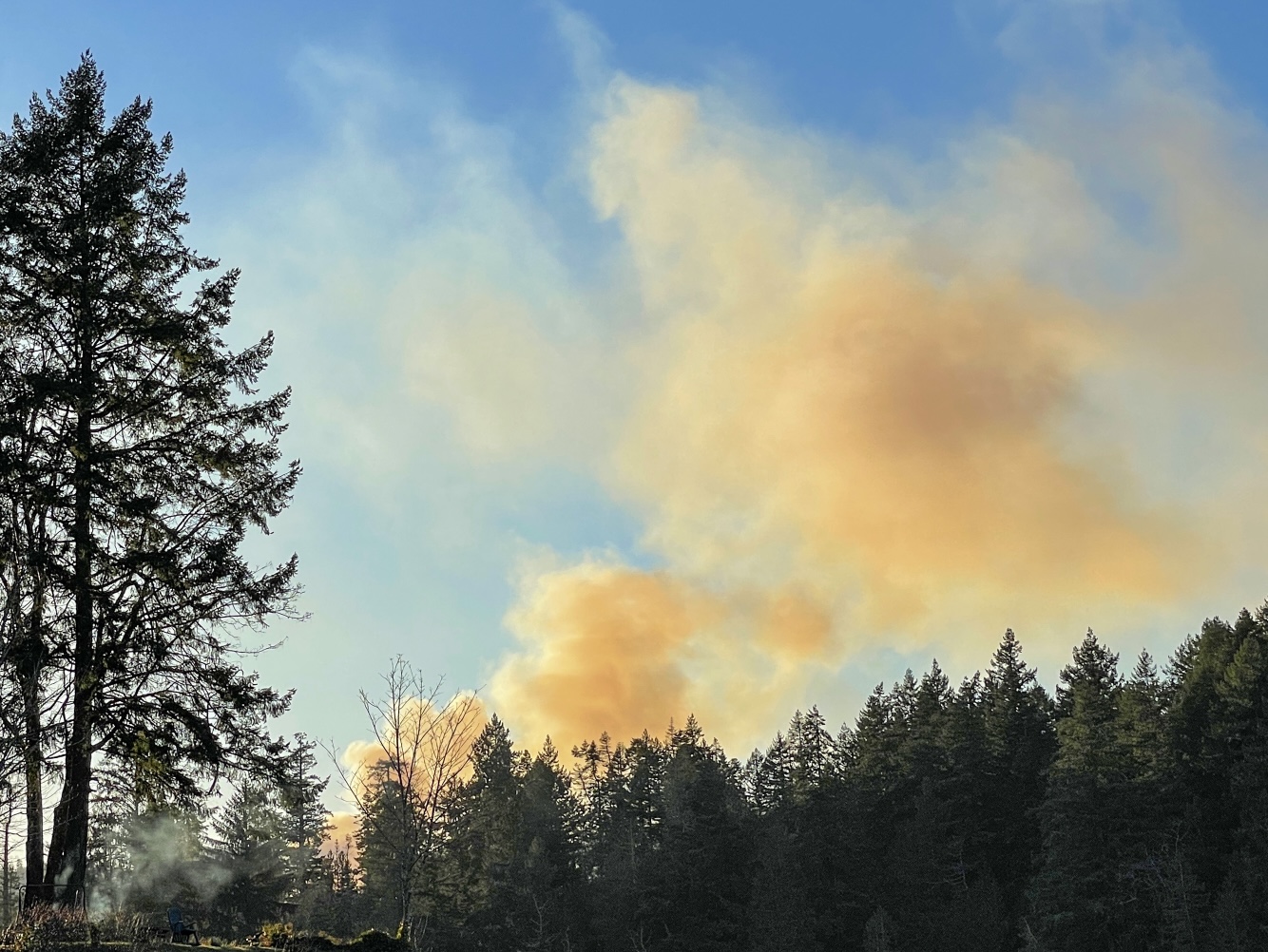 Saskatoon & Winnipeg — In response to the devastating wildfires threatening communities in central Canada. Dr. Murray Opdahl, a family physician and co-chair of CAPE Saskatchewan said, “It’s a dark day in … with so many of our communities at risk from these devastating wildfires. Wildfires and wildfire smoke pose immediate safety risks, and can have long-lasting impacts on people’s health and mental health. Our communities need immediate support during this crisis. We also need bold action to stop these wildfires from continuing to get worse each year. The science is clear: these increasingly severe wildfires are directly linked to climate change driven by fossil fuel emissions. What we’re witnessing isn’t natural; it’s the result of human activity warming our planet. I’m calling on all governments to take immediate action to protect people on the frontlines of this crisis—and to declare their commitment to accelerate the transition from fossil fuels to safer alternatives.”
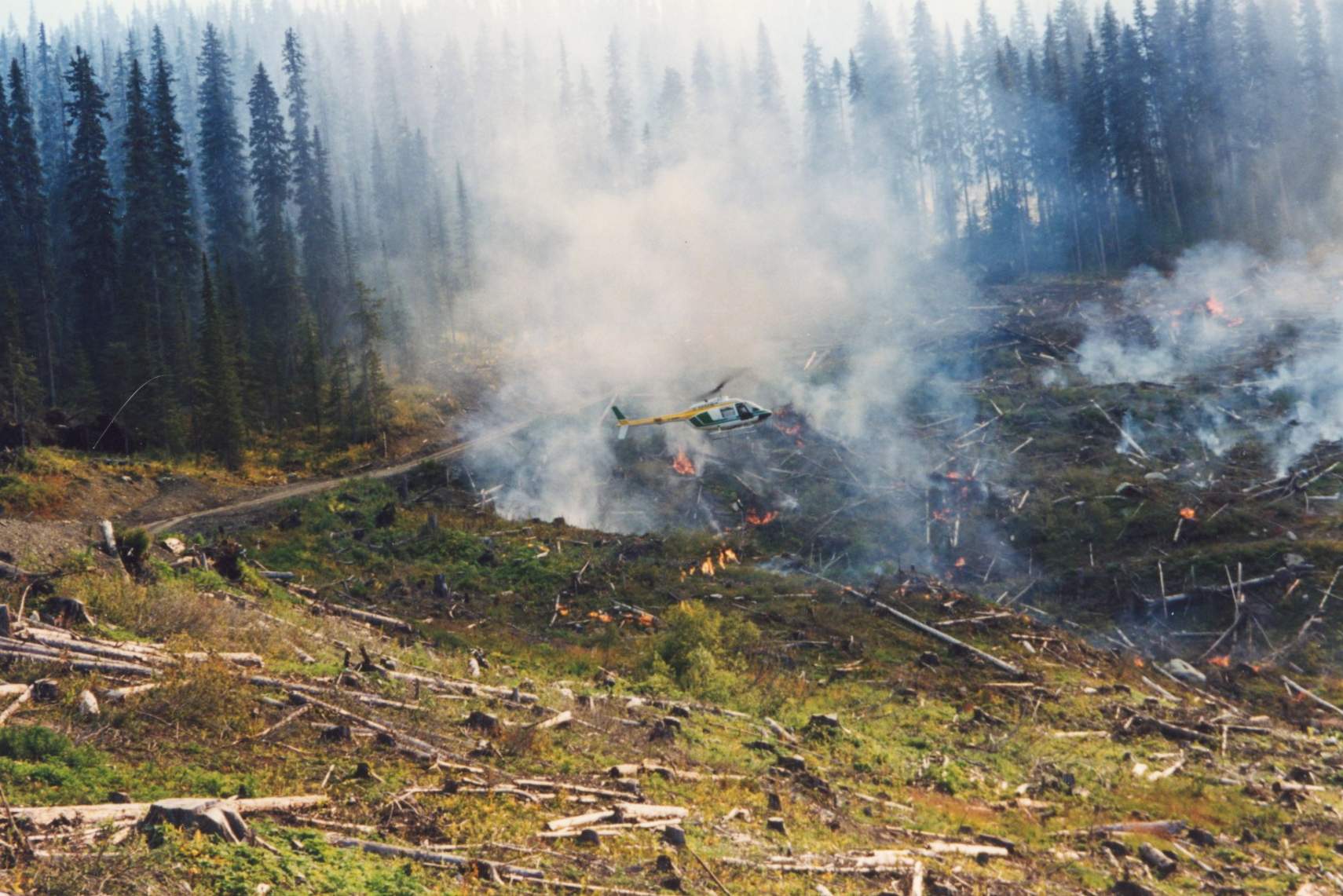 British Columbia’s worker protection agency says a planned burn by the province’s wildfire service during the devastating 2023 fire season could have killed or injured multiple firefighters who became “trapped by extreme fire behaviour” that cut off their escape. Inspection reports by WorkSafeBC say the BC Wildfire Service didn’t adequately ensure safety during the burn in the Shuswap region on Aug. 17 that year, and a group of trapped Brazilian firefighters had to retreat to a “safe zone.” WorkSafeBC says they had to burn off fuel around their truck and spend the night because of low visibility, smoke, fire activity and falling trees. They were picked up the next day by another crew that “cut their way into the site.” …The employer did not provide adequate information, instruction, training or supervision for the crews involved, the report says, and the incident “could have resulted in multiple serious injuries or fatalities of workers.”

 The Workers Compensation Amendment Act, 2019 (Bill 18) expanded the definition of “firefighter” and changed the definition of “worker” in the Workers Compensation Act, resulting in implications for society fire brigades that engage volunteer firefighters. Our Policy, Regulation and Research Department is releasing a discussion paper with proposed amendments to policy in the Assessment Manual to provide guidance on how WorkSafeBC determines the employer of a volunteer firefighter, and to remove outdated language. The discussion paper and information on how to provide feedback can be found here:
  WorkSafeBC is releasing a discussion paper concerning changes made to policy on duration of benefits (retirement age). To reflect legislative amendments to the Workers Compensation Act, policy changes related to retirement age determinations were effective on January 1, 2021. After reviewing the implementation of the initial changes, WorkSafeBC’s Board of Directors approved further policy changes, effective January 1, 2024, on WorkSafeBC’s determination of whether a worker “would retire” after the retirement dates set out in the Workers Compensation Act. The Board of Directors approved these policy changes in advance of public consultation. Our Policy, Regulation and Research Department is now consulting on the 2024 changes to determine whether further changes are necessary. The discussion paper and information on how to provide feedback can be found here:
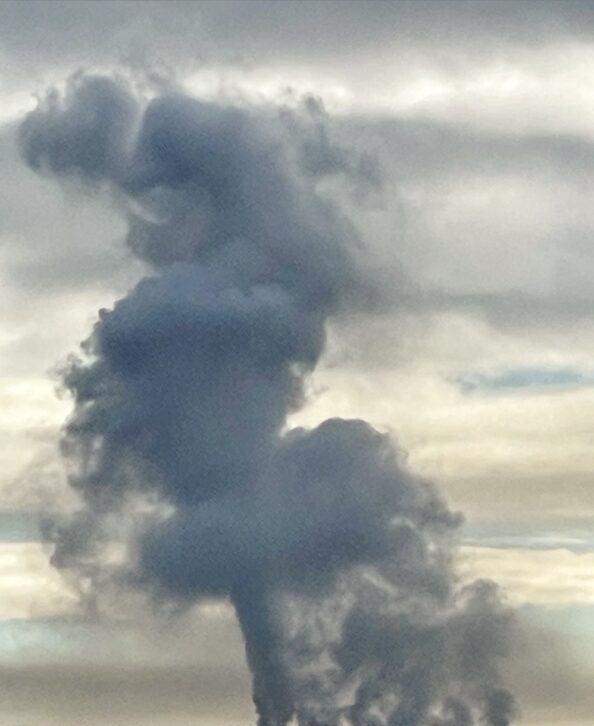 Apologies are in order if anyone blamed it on the dog. The Kruger pulp mill on Mission Flats Road says it is responsible for what some might have noticed was a stronger than usual odour in the air in Kamloops late Friday afternoon. According to Kruger spokesperson Paule Veilleux-Turcotte, the smell was the result of a failure in the mill’s odour control equipment. “The plant halted its operations to repair the equipment, but, despite shutting down, some residual levels of the gases would still have been noticeable within the community,” Veilleux-Turcotte said in an email to Castanet Kamloops. “Despite the equipment issues, operations remained in compliance with the site permit for the duration of the event.” Veilleux-Turcotte said the issue was fixed by about 10 p.m. on Friday night, and, upon confirmation of the repairs, the mill resumed operations. [END]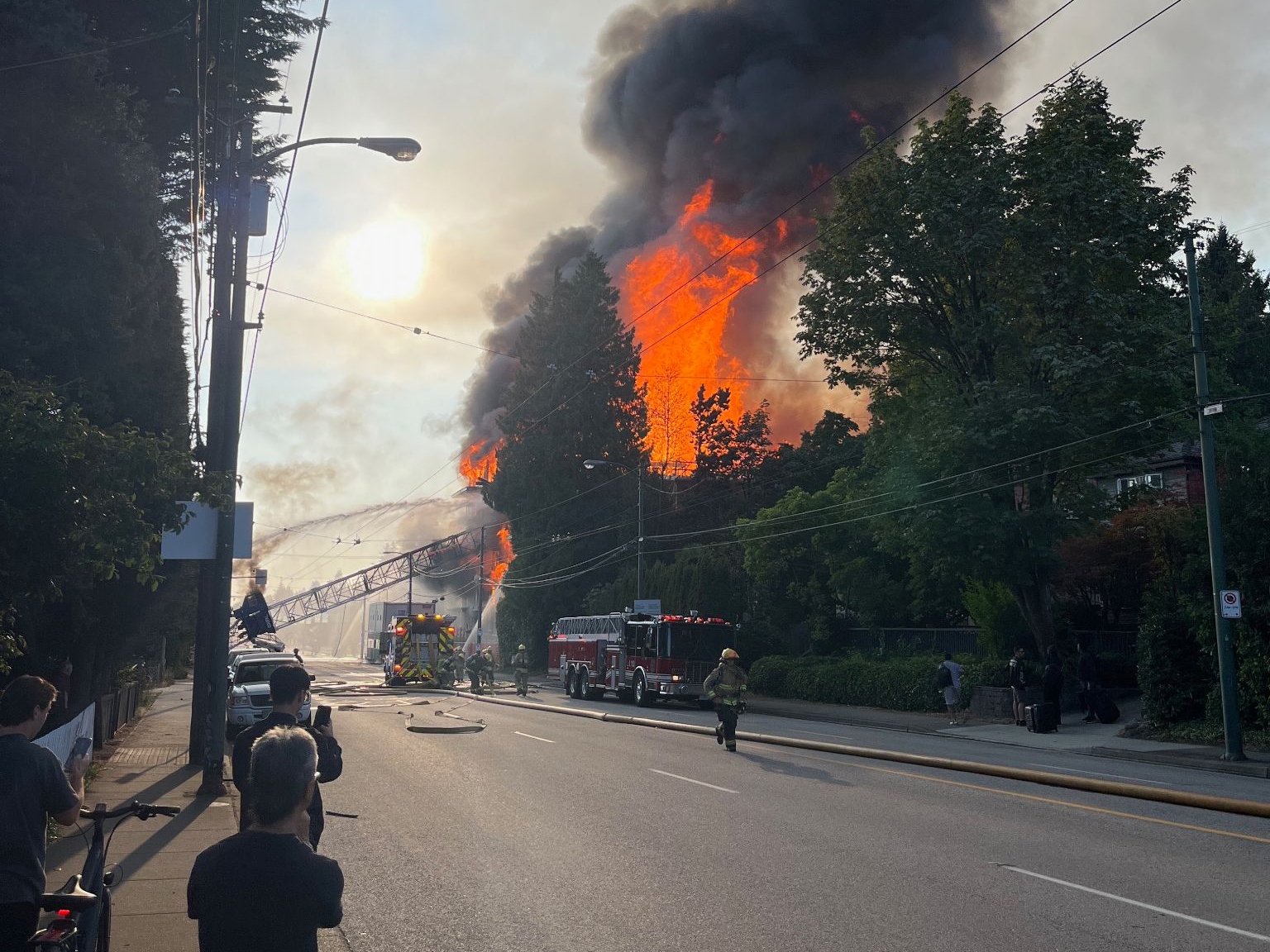
 Join us for the Interior Safety Conference (ISC) on Thursday, May 1, 2025! This annual event is a must-attend for BC forestry professionals, offering a unique opportunity to delve into safety-related issues and learn ways to enhance safety across the industry. This Year’s Theme: Building Safety Through Shared Experiences. Gain powerful insights and practical knowledge through a series of compelling presentations by industry experts and speakers. The conference is FREE for anyone working in any phase of the forest industry, from silviculture to harvesting to wood products manufacturing.
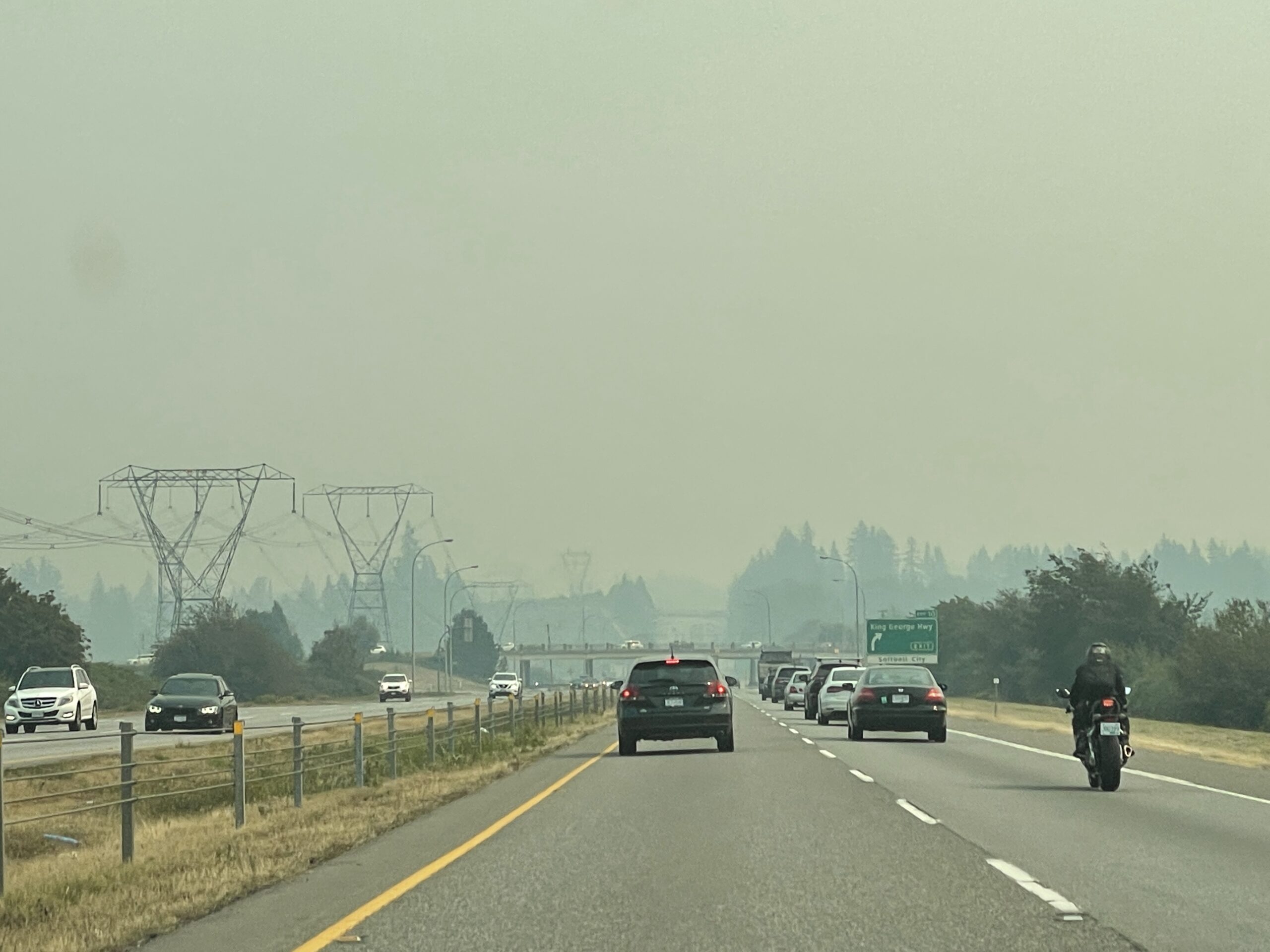 KENORA — Across Northwestern Ontario, the public is being urged to limit time outdoors due to “extremely high levels of air pollution.” The poor air quality is being caused by smoke from forest fires in the Prairies, according to an air quality warning issued by Environment Canada and the Province of Ontario Tuesday morning. The warning extends from east of Marathon — including Biigtigong Nishnaabeg — west to the Manitoba border and extends as far north as to include communities like Wunnumin Lake, Muskrat Dam and Deer Lake. Poor air quality is expected to persist through Thursday for most areas, according to the updated warning, extending the expected duration.
 Summer camps and daycares are being forced to shift their plans amid stifling heat and poor air quality caused by wildfire smoke drifting across Central Canada, the Prairies and other parts of the country. Special air quality statements or warnings were in effect Tuesday for a second day across several provinces and territories, combined with heat warnings that stretched from Ontario to Prince Edward Island. Smoky air in the Toronto area prompted many camps to field calls from concerned parents and make last-minute changes, especially on Monday, when the city was under a warning due to the Air Quality Health Index reaching the “very high risk” rating of over 10. Adib Razavi, director of Toronto Athletic Camps, said they received hundreds of calls on Monday morning from parents who wanted to know how their kids’ activities were being adjusted.


 Halifax spent more than $160,000 on the wrong type of wildfire protective gear, and the union for municipal firefighters says the mix-up is just one example that the department is not properly preparing for wildfires. In the aftermath of the
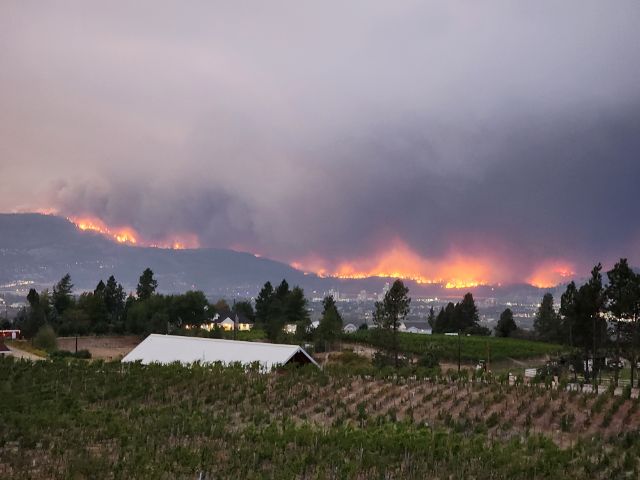 The smoke from the Los Angeles wildfires smelled like plastic and was so thick that it hid the ocean. Firefighters developed instant migraines, coughed up black goo and dropped to their knees, vomiting and dizzy. Seven months later, some are still jolted awake by wheezing fits in the middle of the night. …Fernando Allende, a 33-year-old whose U.S. Forest Service crew was among the first on the ground, figured he would bounce back from his nagging cough. But in June, while fighting another fire, he suddenly couldn’t breathe. …doctors discovered blood clots in his lungs and a mass pressing on his heart. They gave him a diagnosis usually seen in much older people: non-Hodgkin lymphoma, an aggressive cancer. It would be unthinkable for urban firefighters to [work] without wearing a mask. But people who fight wildfires spend weeks working in toxic smoke and ash wearing only a cloth bandanna, or nothing at all.
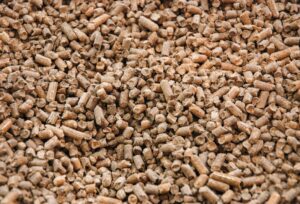 FREMONT, Nebraska — The remains of two girls and a relative who were killed in a massive explosion at a Nebraska biofuel plant were recovered Wednesday after crews battled smoldering wreckage and an unstable building for more than 24 hours. Fremont Mayor Joey Spellerberg said earlier at a news conference that the children were at the Horizon Biofuels plant ahead of a doctor’s appointment. …The plant makes animal bedding and wood pellets for heating and smoking food, using tons of wood waste. Spellerberg said authorities believe Tuesday’s blast was likely a wood dust explosion in the tall elevator tower. …The company has 10 employees, according to the Nebraska Manufacturing Extension Partnership.
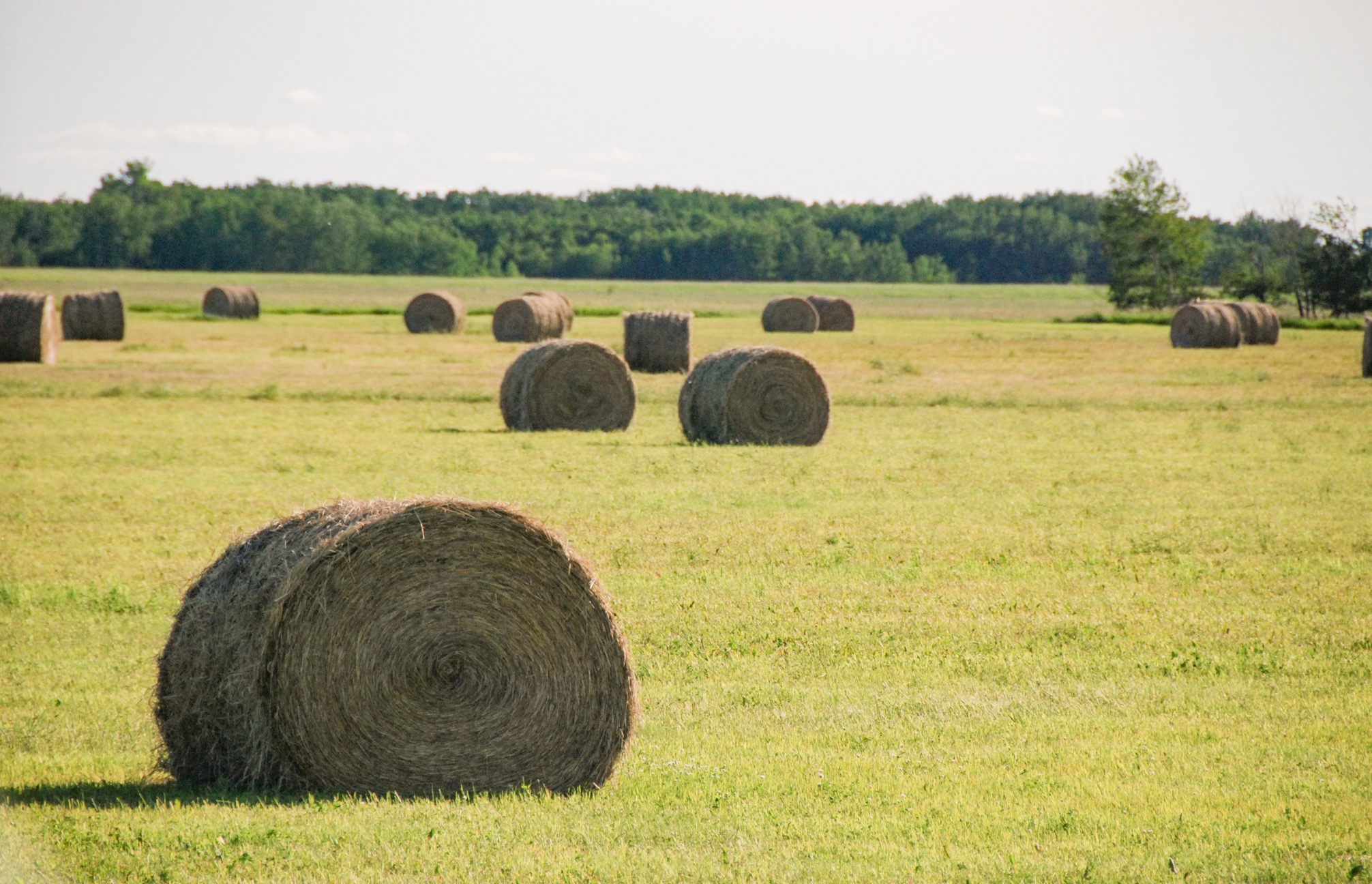 The herbicide ingredient used to replace glyphosate in Roundup and other weedkiller products can kill gut bacteria and damage organs in multiple ways, new research shows. The ingredient, diquat, is widely employed in the US as a weedkiller in vineyards and orchards, and is increasingly sprayed elsewhere as the use of controversial herbicide substances such as glyphosate and paraquat drops in the US. But the new piece of data suggests diquat is more toxic than glyphosate, and the substance is banned over its risks in the UK, EU, China and many other countries. …Despite the risks amid a rise in diquat’s use, the EPA is not reviewing the chemical, and even non-profits that push for tighter pesticide regulations have largely focused their attention elsewhere.
 Engineered wood manufacturers from across North America were named winners of APA – The Engineered Wood Association’s 2024 Safety and Health Awards — the premier safety award program for North America’s engineered wood products industry. The program promotes and recognizes operational excellence with the goal of reducing injury and illness rates. The Safest Company Award went to three members: Domtar won in the category of three or fewer mills, West Fraser won for companies with four to 10 mills, and LP earned the title for companies with 11 or more member mills. There were two winners in the prestigious Innovation in Safety Award category. Domtar’s Larouche, Quebec, mill won the Equipment-Based Innovation in Safety Award for their submission, “Distancing Handle,” while LP’s Jasper, Texas, mill won the Jack Wagner Process-Based Innovation in Safety Award for their submission, “Safety Champions – Future Leader Development – Safety Projects.”
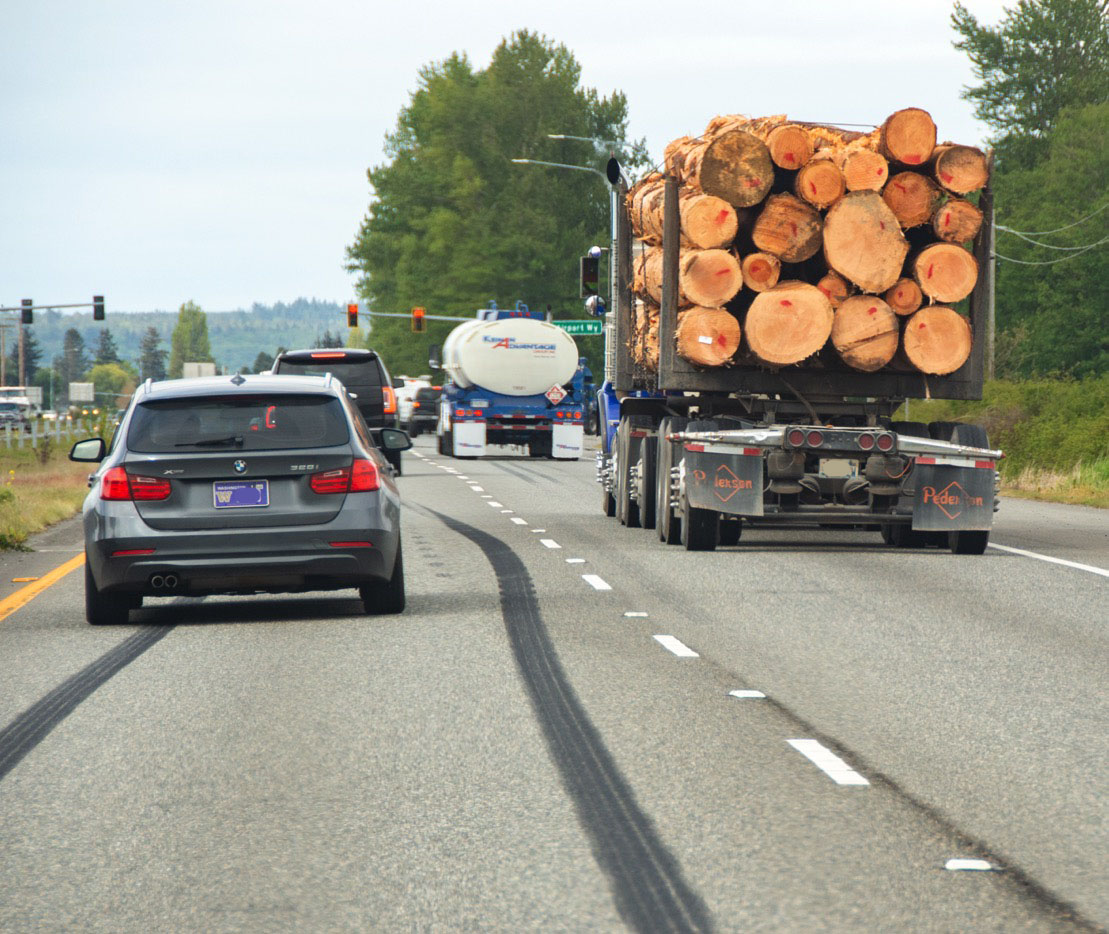 NAHB is joining with official safety sponsor Builders Mutual to highlight jobsite safety resources during
 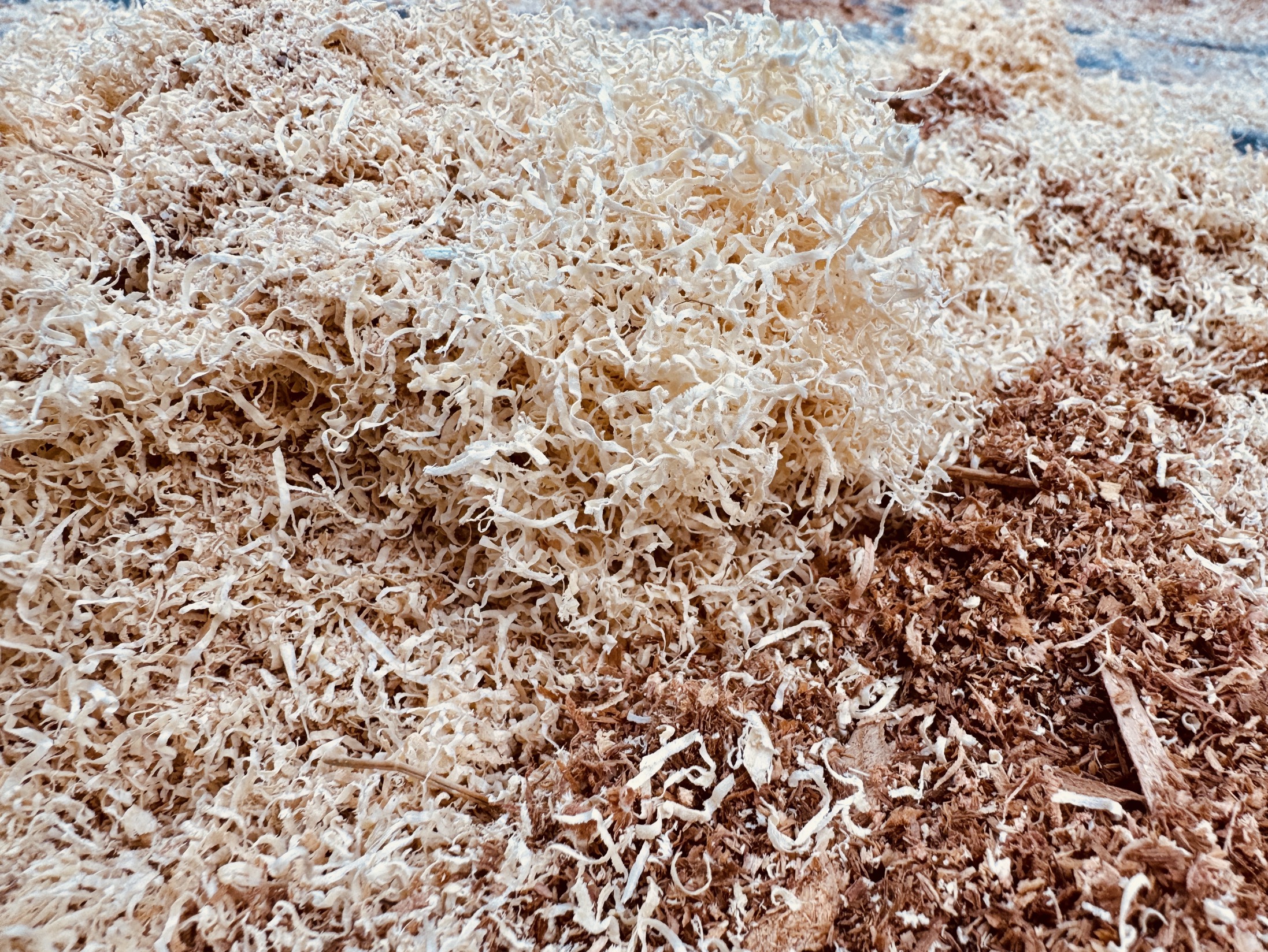 For the past 10 years, the National Fire Protection Association (NFPA) has been working to consolidate several industry-specific standards for combustible dust. In December 2024, the NFPA completed its goal by issuing “NFPA 660–Standard for Combustible Dusts and Particulate Solids.” This new standard combines six existing standards, including NFPA 61 (agricultural dust) and NFPA 664 (wood dust), into a single standard that covers all industries where combustible dust and particulates are generated, used and handled. Building permitting authorities, code enforcers and fire agencies use the NFPA standards to establish the basis of design and operation for new and existing industrial sites, so it’s important for pellet mill owners and operators to be aware of NFPA requirements, especially for new projects and plant modifications. NFPA 660 covers both administrative and engineering requirements at facilities with combustible dust, and its goal is to minimize fires and explosions, help companies maintain business continuity, and, most importantly, protect workers and the public.
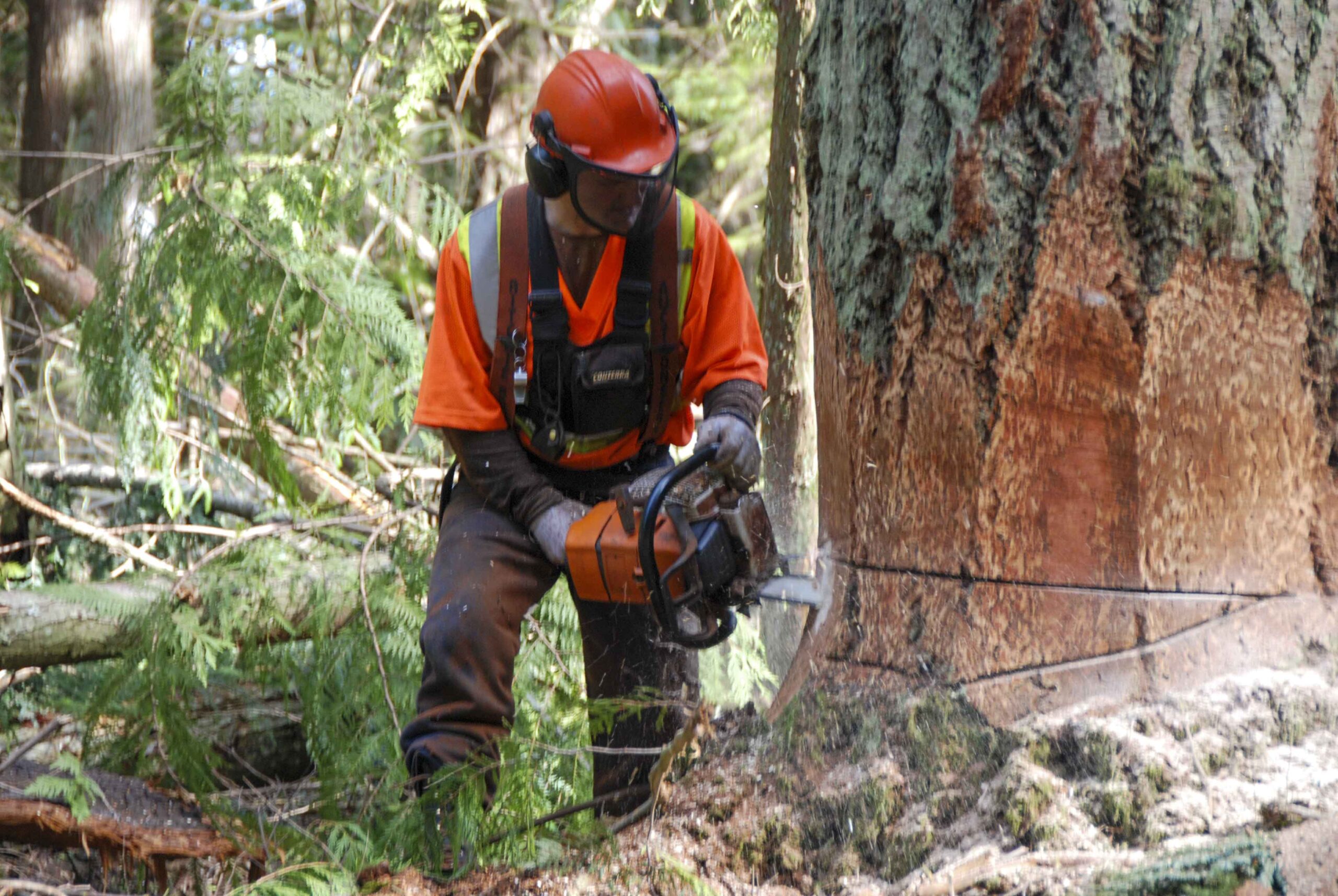 The same exoskeleton principles that protect grasshoppers, crabs and similar creatures could also help protect the 25,000 or so workers in the job with the highest injury and fatality rates in America: forestry. “Forestry is vitally important to our economy and our standard of living, but its workers pay a high price, with an injury rate that is 40 percent higher than the average of all other industries and fatality rates that are 20 to 30 times higher,” said Jeong Ho “Jay” Kim, PhD, a systems engineering expert with the Texas A&M University School of Public Health. In a recent
 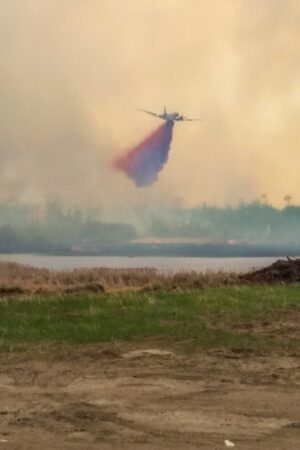 Wildfires driven by climate change contribute to as many as thousands of annual deaths and billions of dollars in economic costs from wildfire smoke in the United States, according to a new study. The annual range of deaths was 130 to 5,100, the study showed, with the highest in states such as Oregon and California. The paper, published Friday in the journal
  The trucking industry has been facing unprecedented challenges in recent years, with a shortage of qualified drivers, rising fuel and insurance costs… and now economic uncertainty caused by tariffs. …Now, one large lawsuit against a trucking company highlights a dangerous practice that has been going on. …The Estate of Sarah Susman v. Starker Forests, Inc., R&T Logging of Oregon, Wolf Cr. Timber Services, Shane Mcvay – is a $65 million wrongful death claim. Sarah Susman… was driving to work in September 2021 when a logging truck operated by a 67-year-old driver rolled over and lost its load. …Family members of the victim believe that the incident can be attributed to a dangerous injury practice referred to as “double brokering.” …Court filings explained that double-brokering is a practice within the trucking industry where multiple contractors pass hauling jobs between them with very little oversight or enforcement of safety regulations.
 FREMONT, Neb. — The U.S. Chemical Safety and Hazard Investigation Board (CSB) has opened a formal investigation into the July 29 explosion and fire at the Horizon Biofuels facility in Fremont that killed three people, officials announced Thursday. The blast fatally injured 32-year-old Dylan Danielson and his two young daughters who were inside the plant at the time. “This horrific incident should never have happened,” CSB Chairperson Steve Owens said in a statement. “We want to prevent a terrible tragedy like this from occurring again.” …The independent federal agency, whose members are appointed by the president and confirmed by the Senate, does not issue citations or fines but makes safety recommendations to companies, industry groups, labor organizations and agencies such as OSHA and the Environmental Protection Agency.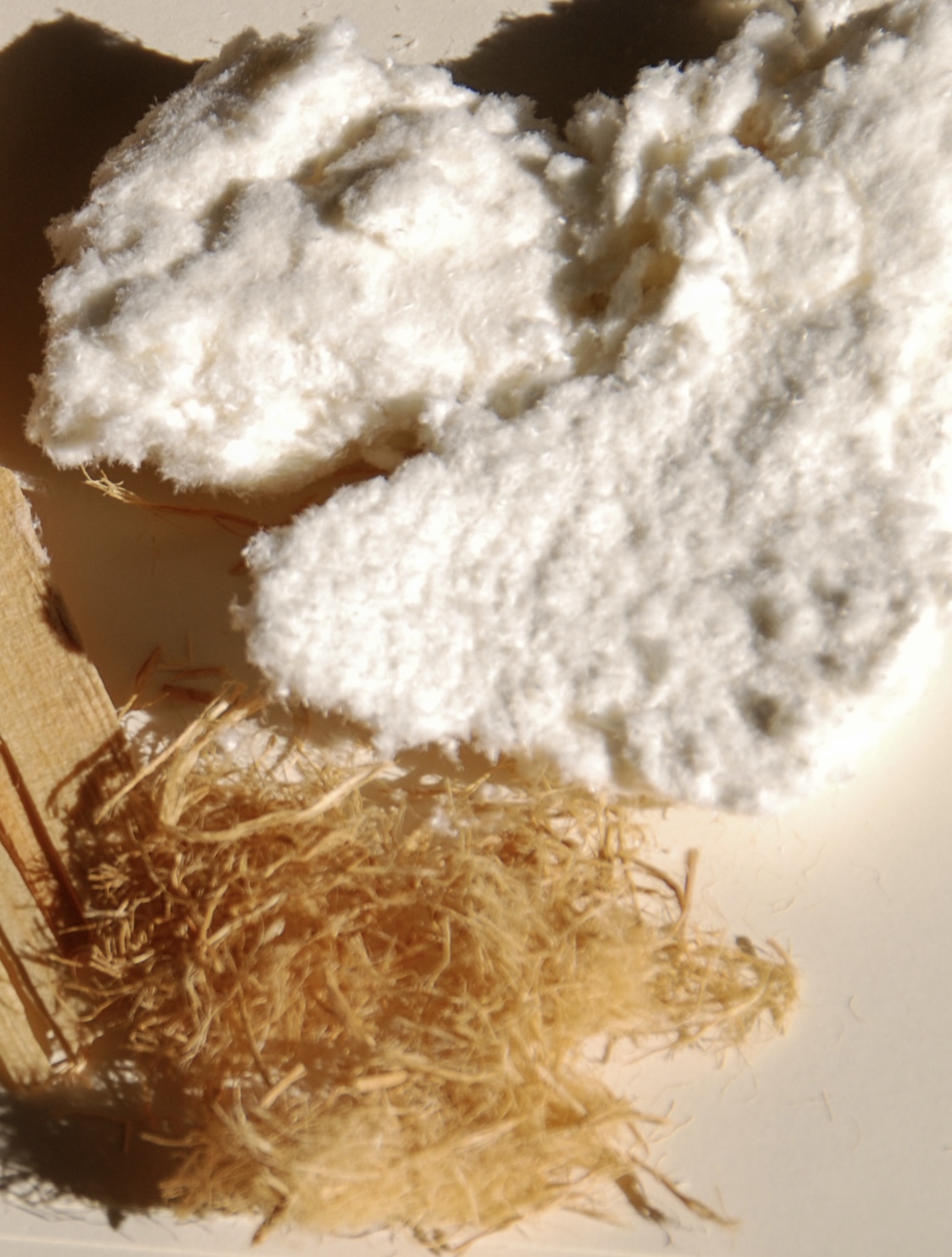
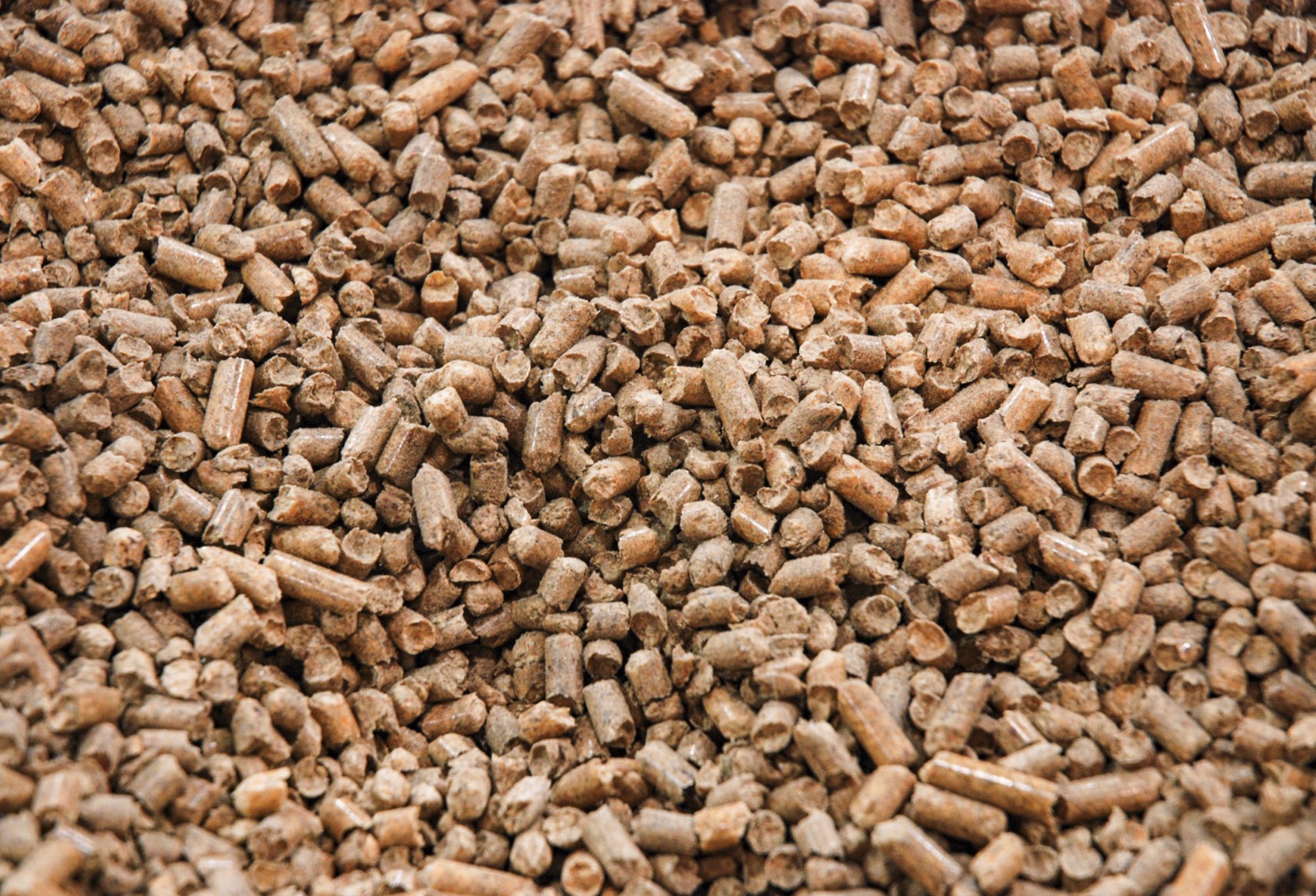
 FREMONT, Neb. – Two days after a horrific explosion at a biofuels plant left a man and two girls dead, the state fire marshal told First Alert 6 the incident started with a dust fire — and was an accident. “A preliminary investigation indicates an accidental dust explosion occurred during the manufacturing process. Additional investigation efforts are currently impeded due to the instability of the structure,” the Nebraska Fire Marshal agency said in a statement Thursday afternoon. The state has completed its initial investigation of the incident at Horizon Biofuels, which manufactures wood pellets and animal bedding. Occupational Safety and Health Administration , however, remains at the scene and must — by law — complete its investigation within six months. The
  OMAHA, Neb. —
  COLLEGE STATION, Texas — Forestry workers could benefit from the use of exoskeletons that support their back and upper limbs, results of a
 KINGSPORT, Tennessee – The Domtar Packaging Mill in Kingsport has operated for decades, and residents have noticed one significant aspect of the mill that some believe has caused community strife: the smell. The Tennessee Department of Environment and Conservation (TDEC) is currently investigating three complaints about the odor from Domtar between March 31 and April 1. The TDEC said: “Although TDEC does not regulate odors, we do want to ensure that the facility is complying with its permit conditions.” …At the last Kingsport Economic Development Board meeting on April 1, Domtar updated the board on the wastewater treatment system plan. …The short-term plan involves reducing mill material losses and flow and optimizing the current wastewater treatment system. Domtar says this will last around a year. The long-term plan involves building a new anaerobic digester system. Domtar estimates that this project could take up to 18 months.