 Trump wants to create a new federal agency that will be responsible for wildland fire fighting nationwide. In related news: preventing a wildfire catastrophe in Alberta’s Bow Valley; BC prepares for its wildfire season, as Forest Minister says BC Timber Sales can help restore BC’s forests; ENGOs say BC old-growth is worth billions; mixed reviews for US plan to increase logging in California, Pennsylvania, and Wisconsin; and an Idaho judge halts logging to protect grizzly habitat.
In Business news: the US Lumber Coalition says Canadian violations of US trade law are an attack on US workers; how companies like Brink Forest Products and the Groman Group are gapping with US tariffs; saving BC forestry will take radical thinking; and the EU pulp & paper industry weighs in on US tariffs. In Market news: US Consumer sentiment fell for the 4th straight month; and US homebuilders fear cost increases.
Finally, Can fungi fight fires? This Alberta town plans to find out.
Kelly McCloskey, Tree Frog News Editor

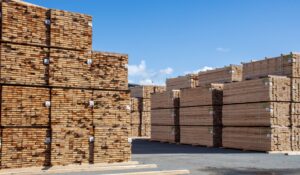 A coalition representing part of the US lumber industry is firing a shot at BC’s Forests Minister, who has suggested the State-side industry is not willing to engage. “
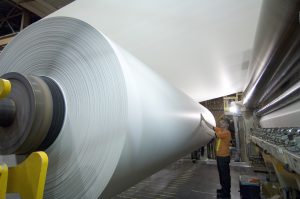 The European pulp and paper industry is struggling to assess the possible impact of tariffs. …Europe has a marginally negative trade balance with the US for pulp and paper. In 2024, it imported 2.6 million tonnes of P&P from the US. In the same year, it exported 2.3 million tonnes of P&P to the country. The largest trade deficits appear to be around pulp (-975,000 tonnes) and containerboard (-310,000 tonnes, mostly kraftliner). On the other hand, Europe has a surplus in graphic paper and cartonboard sales. …“The only certainty we have is that there will be negative consequences for businesses on both sides of the Atlantic. Trade wars are always detrimental for consumers, but we are a ‘made in Europe’ industry, with local capacities to meet the European demand,” he added. …Most market participants believe the stuttering trade war initiated by Trump will further hurt the already stagnating European economy.
 Marie Fallon, the general manager of AR Chambers Supply in Lawrenceville, is nervous about the future of her business. The threat of tariffs has prices fluctuating and she’s worried her supply sources are at risk. …As President Donald Trump’s international trade war rages on, Pennsylvania homebuilding and construction businesses are weathering the dizzying pace of cost increases and then abrupt pauses in tariffs as they try to ensure that long-term projects are completed. Pennsylvania is highly dependent on foreign countries for construction materials, with 63% of the state’s wood imports, 66% of its iron and steel, and 68% of its aluminum coming from Canada and Brazil. …Despite the whiplash changes, some in the industry see the new tariffs as good for the long-term outlook. Hodgkiss Lumber owner Jon Hodgkiss sees Trump’s tariffs as simply a temporary negotiating tactic that will give the US better trade deals.
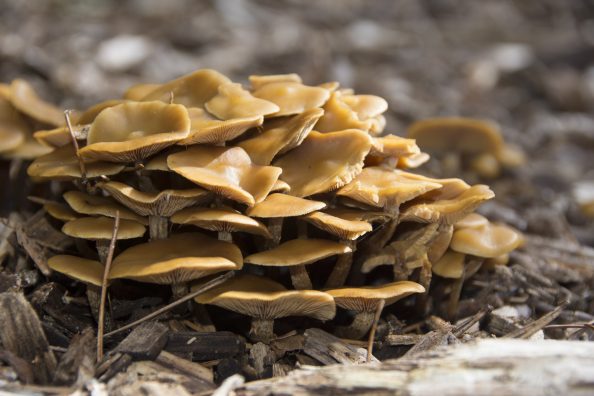 Officials in Fox Creek Alberta are trying to find ways to better protect the community from future fires. One option includes using fungi. …This summer, researchers from Lac La Biche, Alta.-based Portage College will go into the the boreal forest surrounding Fox Creek to collect local fungi. Spores from that fungi could later be used to inoculate wood in man-made slash piles. Forests are thinned to remove wood biomass so there is less material to burn during a wildfire. Wood that has been removed can be stored in massive slash piles, which can be fire risks themselves. Fungi could be used to break down the wood faster, returning them to soil, said Michael Schulz, research chair in environment and sustainability in the boreal forest at Portage College.
  The Bow Valley—encompassing Banff National Park, the Town of Banff, Canmore, and MD of Bighorn—is at imminent risk of a catastrophic wildfire. Despite commendable efforts in localized fire prevention (e.g., firebreaks, fireguards, neighbourhood mitigation), it is our opinion no comprehensive measures are in place to address the risk of an extreme wildfire—the kind that devastated Fort McMurray (2016) and Jasper (2024). A fire of that scale in this region would be both a national tragedy and a global environmental disaster. …Our call for action for our federal candidates: Acknowledge the real and rising risk of a Class 6 wildfire in the Bow Valley; While working with the Province and Indigenous Peoples, support federal investment in a landscape-scale fire mitigation strategy for the Bow Valley; Advance policy reform recognizing forests as carbon assets requiring active stewardship; and Champion this initiative as a model for national wildfire and carbon management.

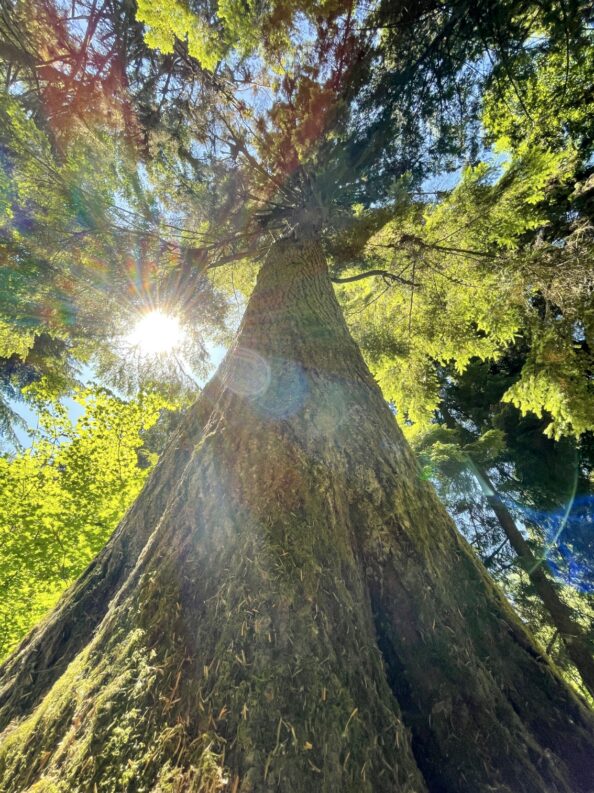 On March 31, the Supreme Court of B.C. released its decision on a historic case with implications for the future of resource management in Canada. The judge sided with the Haida Gwaii Management Council and Province of British Columbia against logging giant Teal Cedar Products Inc., which argued its profitability had unjustly diminished due to the former’s sustainability regulations and improved forestry stewardship standards. In its defence, Haida Gwaii Management Council and the province pointed to Teal’s careless logging and business practices, which it continued despite expert, repeated advice from Haida and Crown governments. Proceedings involved numerous expert witnesses … in 2023. Almost exactly two years later, the judge dismissed Teal’s claims. …If corporations were to earn the power to sue governments any time they passed new legislation to uphold sustainable and ecologically sound practices, then we would witness a nation-wide proliferation of lawsuits arising from every sector.
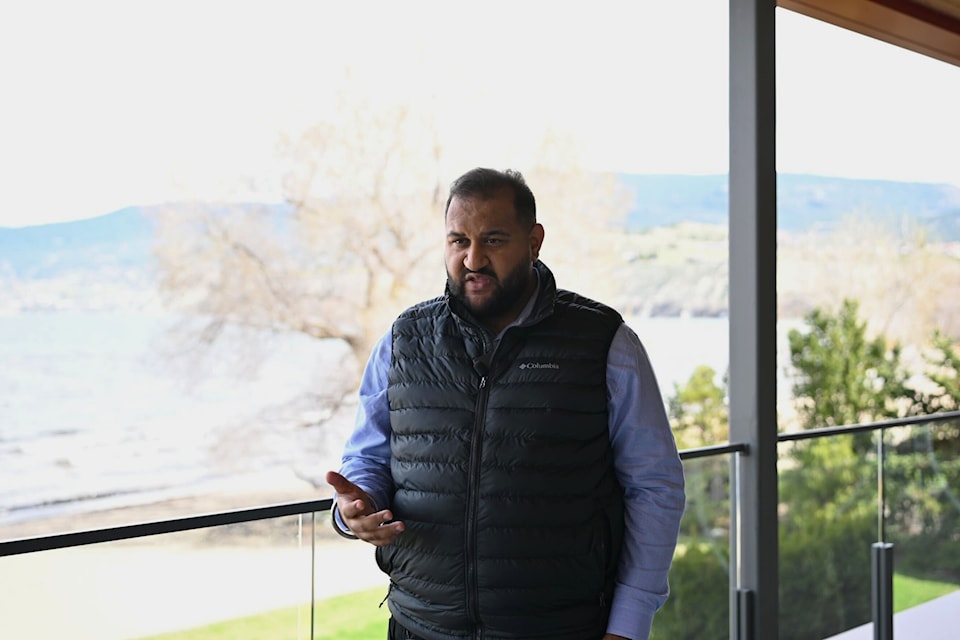
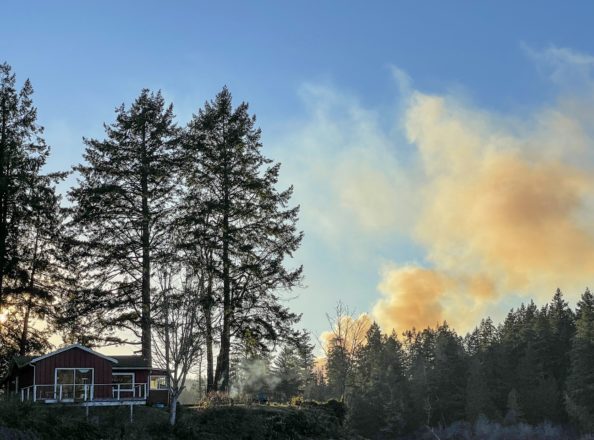 President Donald Trump wants to create a new federal agency that will be responsible for “all wildland fire fighting nationwide” by 2026, according to a draft executive order currently under review at the White House. The draft order, which was obtained by POLITICO and confirmed by three people familiar with the situation, would launch a national wildland firefighting task force in the next 90 days, combining resources from the Departments of Agriculture, Interior and Homeland Security. The White House’s eventual goal, according to the document, is to have Congress create a National Wildland Fire Agency in the next two years. The order aims to “eliminate red tape, reform our agencies and reforge our efforts around the priority to address fighting fire fast,” the document reads. It comes four months after wildfires devastated Los Angeles, a disaster that has created a sense of bipartisan urgency to improve forest management and cut down on wildfire risk. [A Politico subscription is required for full access]
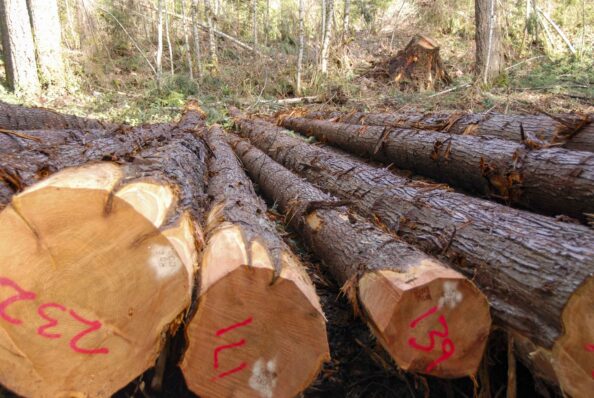 CALIFORNIA — State experts said they’re dubious about President Donald Trump’s claims that his directive opening up well over half of the country’s forests to logging will reduce wildfire risk and “save American lives.” Some, such as University of California Agriculture and Natural Resources climate-change scientist Daniel Swain, flatly called the administration’s rhetoric disingenuous and misleading. “It’s BS, frankly,” Swain told The Examiner. “Are we going to try and justify logging forests commercially under the guise of wildfire-risk reduction? …The Trump administration says the benefits of these actions are largely twofold: It will reinvigorate the economy by boosting a stagnant timber industry and significantly mitigate wildfires tearing through the West. …UC Berkeley wildfire researcher Scott Stephens said that logging can be a viable way to mitigate fire risk, as long as it’s done sustainably and arborists are strategic about what trees they’re chopping down.
 BONNERS FERRY, ID – A federal district court has stopped a logging project in northern Idaho that would have carved more roads into the area and harmed the Selkirk grizzly population habitat. Only about 50 grizzlies live in the region. Mike Garrity, executive director of the Alliance for the Wild Rockies, which has been in litigation with the U.S. Forest Service over this issue for nearly six years, said the project would have resulted in more roads than is allowed under the agency’s rules. “The Forest Plan, which is their management plan that governs the forest, limits road density in Selkirk grizzly bear habitat,” he said, “because most grizzly bears are killed within a third of a mile of a road, and it’s usually a logging road.” The court decision found the government had been violating road construction limits for years. Court documents show the goal of the Hanna Flats Good Neighbor Authority Project was to reduce wildfire risk.
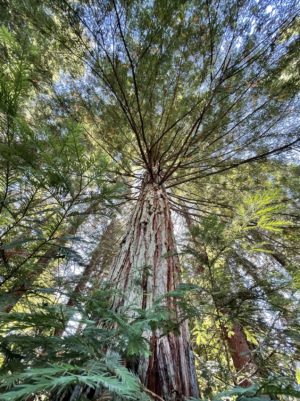 A federal order to increase US timber production by 25% will touch all 18 of the Golden’s State’s national forests, officials said. The USDA said it does not yet have information about how many acres in each forest will be affected. California’s national forests are on the chopping block — literally — in the wake of the Trump administration’s April 5 order to immediately expand timber production. Last week, US Secretary of Agriculture Brooke Rollins issued an emergency declaration that ordered the US Forest Service to open up some 112.5 million acres of national forestland to logging. The announcement included a grainy map of affected forests, which did not specify forest names or the amount of impacted acreage in each. However, USDA officials have confirmed that the order will touch all 18 of the Golden State’s national forests, which collectively span more than 20 million acres. [to access the full story a Los Angeles Times subscription is required]