 Canada has given the US and Mexico official notice that it wants the free trade deal between the three countries to be renewed. In a letter to his American and Mexican counterparts, Canada-US Trade Minister Dominic LeBlanc said the country is seeking renewal of CUSMA when it comes up for review on July 1. LeBlanc is in Washington Tuesday for a meeting with U.S. Trade Representative Jamieson Greer. All the signals from the White House over the past year and a half indicate that the Trump administration does not want a straightforward renewal of CUSMA and instead wants significant changes to its terms. …LeBlanc calls CUSMA “highly beneficial to each of our countries and to the integrated North American economy,” but goes on to acknowledge that the other countries may want to propose “improvements.” …Whatever happens on July 1, CUSMA is slated to remain in effect until 2036.
 Both B.C.’s attorney general and lawyers for the Cowichan Nation welcomed the Supreme Court of Canada’s decision not to hear a case out of New Brunswick on First Nations’ ownership claims of private industrial forest land. It comes as the BC government and Cowichan Nation pursue appeals after a contentious BC Supreme Court ruling that recognizes that the Cowichan Nation’s Aboriginal title extends to privately-owned property in the Richmond area. …BC Attorney General Niki Sharma said that the decision not to hear that case bodes well for the province’s appeal in the Cowichan case. The Crown-Indigenous Relations Department said the Wolastoqey decision allowed by the Supreme Court of Canada to stand was an important ruling, adding that “private property rights are fundamental.” …Richmond Mayor Malcolm Brodie hopes the rejection of the Wolastoqey Nation’s leave application “is a signal of the current thought process of the Supreme Court of Canada.”
 There’s no need to make the explanation of the carbon pricing, carbon capture and bitumen pipeline deal announced Friday by the federal and Alberta governments too complicated. It’s actually pretty simple. After all, notwithstanding their political differences, Prime Minister Mark Carney and Premier Danielle Smith have more objectives in common right now than they don’t, so it couldn’t have been that hard for them to reach an agreement. …Of course they weren’t going to have all that much trouble finding ways to grant the Canadian oilpatch its wish. …Carney needs to keep his coalition together as well. Instead of MAGA separatists on the right who would really rather be part of the US… he needs to appease moderate green voters in BC and Quebec and somehow hold the country together. …If Carney is sneakily giving Eby a veto, British Columbia’s premier doesn’t seem too happy about it.
 VANCOUVER, BC — Canfor Corporation announced today that its 77%-owned subsidiary, Vida AB, will permanently close its sawmill operations in Urshult and Orrefors, Sweden. “While this was a difficult decision, the closures are necessary given the ongoing imbalance between production capacity and access to fibre in southern Sweden,” said Karl-Johan Löwenadler, CEO of Vida AB. “By concentrating production in fewer more productive and efficient facilities, we will strengthen Vida’s competitiveness and better position the business for the future.” The closures will reduce Vida’s annual lumber production capacity by approximately 265,000 cubic metres. Following the closures, Vida will operate 13 sawmills across central and southern Sweden, along with its other facilities in packaging, specialty finishing, and logistics.
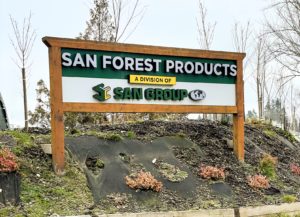 A B.C. forestry company embroiled in insolvency proceedings has been handed a $429,000 penalty and two-year ban from hiring migrant workers after it was found to have violated several federal regulations. The sanctions to San Industries (part of the San Group) came after federal inspectors found it had breached five sections of the Immigration and Refugee Protection Regulations, rules designed to protect temporary foreign workers. According to a May 15 decision, inspectors found pay or working conditions did not match what San Industries had advertised. The employer was also found not to be engaged in the business the workers were hired for and could not show that the job it had sought to fill matched its Labour Market Impact Assessment application. And in another violation, San Industries was found to have broken federal or provincial laws for hiring and recruiting employees. …At $429,000, the penalty is the province’s second-largest on record.
 The global trade landscape is shifting rapidly, which has created uncertainty and challenges for workers, industries and communities across Canada. …Workers whose jobs have been directly or indirectly impacted by global tariffs will receive support to help them adapt, retrain and succeed, as a result of a partnership agreement announced today by Wayne Long, Secretary of State, alongside Jean-Claude D’Amours, New Brunswick’s Minister of Training and Labour. …Specifically, $13.8 million over three years will be invested through the new Canada–New Brunswick Workforce Tariff Response to support workers in the softwood lumber, mining, construction and transportation sectors, as well as other directly and indirectly tariff-affected industries. This new funding will help over 1,500 workers in New Brunswick build new skills and seize emerging opportunities.
 Businesses big and small have started receiving tariff refunds after the U.S. Supreme Court ruled that President Donald Trump lacked the constitutional authority to impose higher import taxes on goods from nearly every other country. The process could grind to a halt, however, after the Trump administration said Friday that it intended to appeal a federal judge’s order to allow all companies that paid the invalidated duties to seek refunds, not just the ones that filed lawsuits. Until the Department of Justice informed the judge of its planned appeal, the refund system overseen by U.S. Customs and Border Protection had been working fairly smoothly. Refunds reached the bank accounts of the first successful applicants on May 12. …Applications for refunds totaling $85 billion — more than half of the $166 billion the agency estimated the government owes to companies that paid the tariffs on imported goods — were accepted for processing as of May 22
 European negotiators agreed late on Tuesday to implement the controversial trade agreement concluded last summer with the US. However, the deal — signed in the Scottish city of Turnberry — remains fragile as long as US President Donald Trump continues to use tariffs as a tool of political pressure. Diplomats and MEPs reached an agreement late on Tuesday to implement the contentious EU-US agreement, which eliminates duties on most US industrial goods imported into Europe. …The so-called “Turnberry Agreement,” criticised by MEPs as unbalanced, raises US tariffs on EU goods to as much as 15%. …In the final compromise text, the Commission would be able to suspend the trade agreement — at the request of either Parliament or a member state — if the US fails to lift tariffs on European steel and aluminium products by the end of 2026.
 KINGSPORT, Tennessee — Domtar Paper has filed a response to


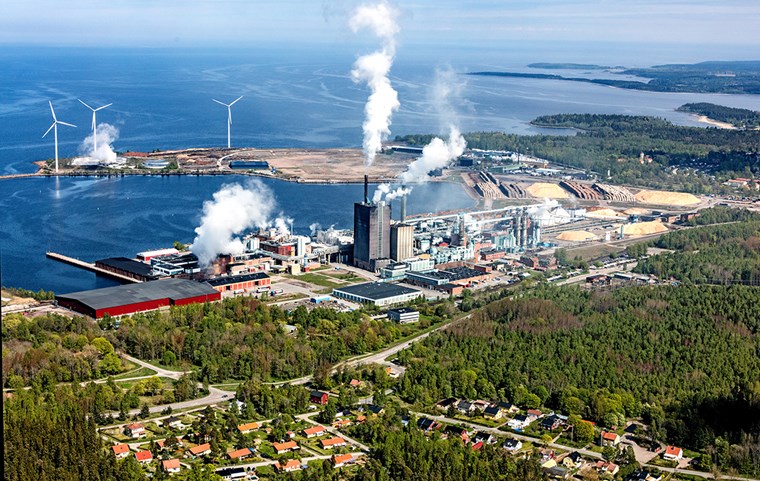
 ARNEBURG, Germany — Valmet will deliver a new ash crystallization plant for Mercer Stendal mill in Arneburg, Germany. This investment is part of Mercer’s long-term vision to further reduce the mill’s emissions and improve its performance. Ash crystallization plant contributes to this target by helping to close the mill’s chemical circulation, reducing the need for make-up chemicals, and by helping to extend the recovery boiler maintenance intervals to 24 months and beyond. …Martin Zenker, mill manager, said “The new ash crystallization plant will help us to further improve both operational and environmental performance.” …Mercer Stendal mill in Arneburg, Germany was started up in 2004 and today has a capacity of 740,000 tonnes per year of bleached softwood kraft pulp. The biomass power plant at the site is one of the largest of its kind in Germany with an output of 148 megawatts.

 Framing lumber sales were slow to get started after the long holiday weekend in the US in most markets. Many buyers paused early to assess market conditions – especially prospects for shipping any new orders – before resuming moderate replenishment as the week progressed. Prices shifted modestly. Recent trends in sales of western S-P-F were little changed. Discounts grew increasingly tougher for buyers to procure as order files lengthened and mills cleared existing accumulations. …Lumber futures were little changed week to date, with the front month trading near par with the cash market in most deliverable species. …Southern pine mill sales outpaced producers’ ability to ship the loads, and backlogs of sold lumber continued to accumulate throughout the distribution pipeline. Prices shifted mildly with sales frequently reported on both sides of last week’s reported levels. …In the Inland market, prices were predominantly flat, or mildly higher in a few cases.
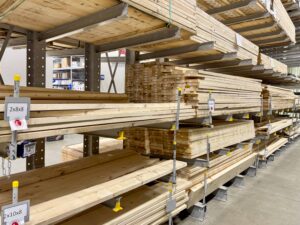 Rising mortgage rates aren’t the only thing freezing the housing market. Builders are contending with a fresh wave of sticker shock on the job site, as soaring prices for copper, lumber, diesel and aluminum drive up the cost of putting homes in the ground. A mix of geopolitical turmoil, tariffs and supply-chain disruptions is rippling through construction materials markets at a moment when affordability is already stretched thin, the Wall Street Journal reported. The result is higher costs for developers, more uncertainty for homebuilders and even fewer paths to affordable homeownership. Copper has become one of the industry’s biggest headaches. …Lumber prices are climbing again, too. Canadian sawmill closures and tariffs tied to the long-running U.S.-Canada softwood dispute have tightened supply heading into peak building season. …The broader concern for developers is that construction inflation could become self-reinforcing. Higher material costs feed broader inflation fears, which in turn keep borrowing costs elevated.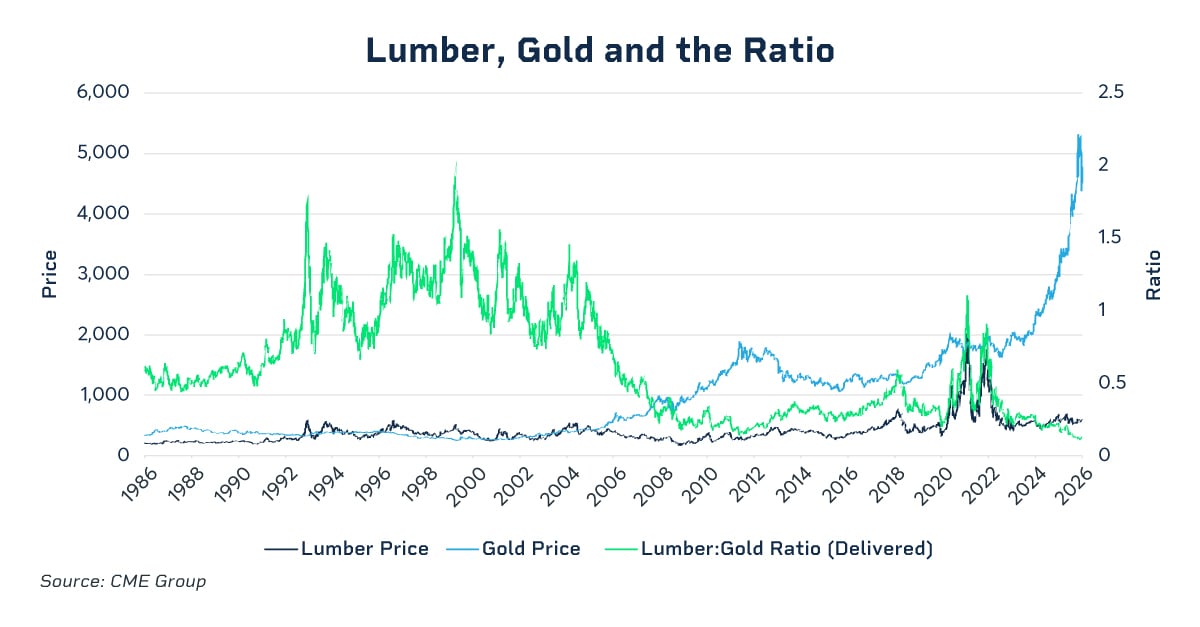

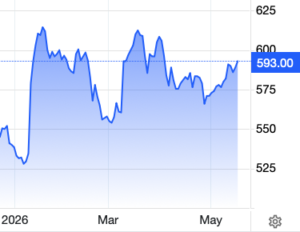 Lumber futures have been trading below $600 per thousand board feet since early April, as weaker consumer sentiment and uncertainty surrounding developments in the Middle East weigh on demand. At the same time, supply constraints in several regions have partially offset the decline in demand. Profitability for Canadian mills remains under pressure from elevated duties and tariffs. The US has recently outlined preliminary antidumping and countervailing duties on Canadian softwood lumber, with the antidumping rate reduced from 20.6% to 10.7% and the countervailing duty trimmed from 14.6% to 14.2%, bringing the combined rate to about 25.9%. Including an existing 10% Section 232 tariff, total effective duties on Canadian imports are expected to remain near 35.9% once they take effect in August. Despite these measures aimed at supporting domestic producers, US sawmill utilisation remains relatively weak at around 64%, with capacity use trending lower since 2017.
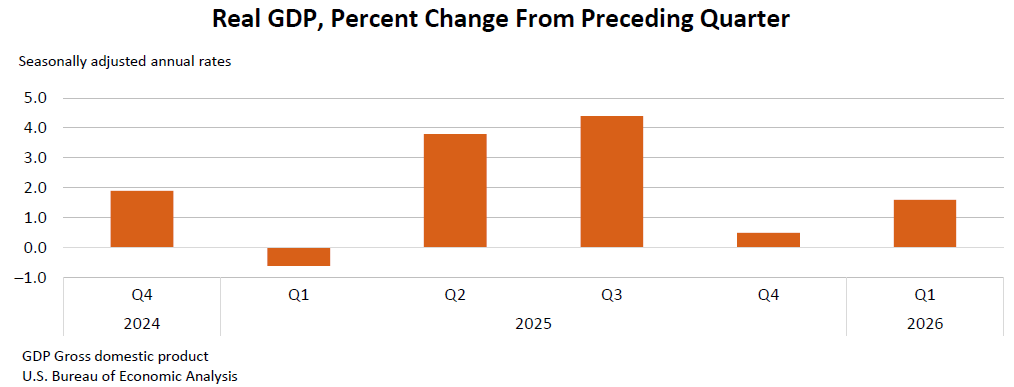

 Mortgage rates this week rose to the highest level since August, more bad news for home shoppers during what is usually the busiest time of the year for home sales. The average rate on a 30-year fixed mortgage rose to 6.51% this week, from 6.36% last week,
 US housing starts declined in April as construction of single-family homes dropped by the most in nearly a year, suggesting builders are growing cautious amid higher mortgage rates. New residential construction decreased 2.8% last month to an annualised rate of 1.47 million homes, according to government figures released on Thursday. Starts of single-family homes declined 9%, the most since August, to an annualised 930,000 pace. Multifamily housing starts, however, rose more than 10% to the highest level since May 2023. The report also showed single-family permits, a leading indicator of future construction, fell 2.6% to the lowest level since August. The figures suggest home builders remain focused on working off a still-elevated inventory of new properties. …Numerous challenges remain for a sustained pickup in home building, including rising mortgage rates, flagging consumer confidence and stretched household budgets.
 Sentiment within Germany’s timber industry remained under pressure in April, with businesses increasingly pessimistic about the months ahead despite a slight improvement in current trading conditions. …Compared with Germany’s wider manufacturing sector, the timber industry continues to underperform, with the ifo Institute’s broader manufacturing index remaining significantly stronger. The picture across the wood sector remains uneven. Companies involved in prefabricated timber construction were the only group to report positive current business conditions, while sawmills, furniture manufacturers and timber packaging businesses continued to report weak trading environments. HDH linked the relatively stronger outlook in timber construction to improving housing activity. …However, the furniture sector continues to struggle with weak consumer confidence and declining construction completions. …Despite isolated signs of recovery in construction-related segments, HDH said overall business confidence remains at a persistently low level.
 We studied the efficiency and productivity of BC’s secondary wood manufacturing sector using Data Envelopment Analysis (DEA) and Malmquist total factor productivity index (MPI), while incorporating data from both a survey on individual firms and Statistics Canada’s sectoral data. DEA results showed that BC’s secondary wood manufacturing firms had low efficiency and the factor contributing to the inefficiency was more lack of technical capability than scale of operations in most of the business types. The MPI results reveal that SWM consistently underperforms relative to the sawmill and panel sectors, with a clear divergence emerging after the 2007–2009 financial crisis. Weak productivity growth is largely attributable to limited and inconsistent technical change, reflecting a lack of innovation and adoption of new technologies. Policies aimed at supporting the sector could focus on factors improving firms’ technical efficiency and frontier such as process optimization, technology adoption and innovation, and training and skill development.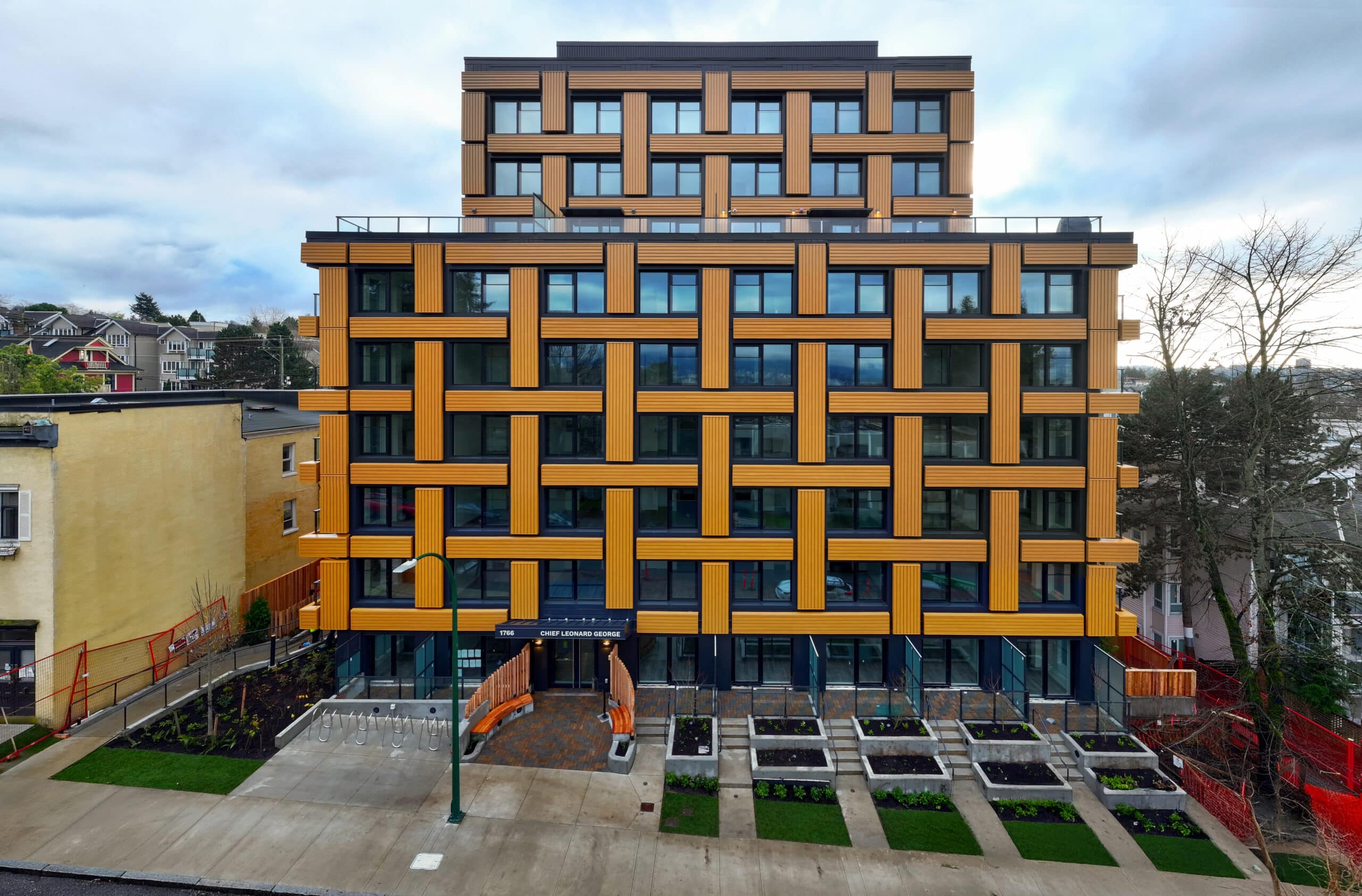
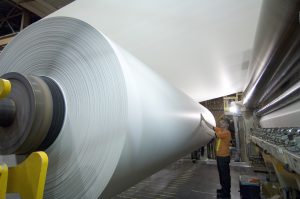 The American Forest & Paper Association (AF&PA), Washington, has released its 66th Annual Paper Industry Capacity and Fiber Consumption Survey. …The report shows that fiber consumption declined by 3.5% in 2025, with recovered fiber consumption decreasing by 4% and wood pulp consumption falling by 3.2%. The printing-writing paper operating rate improved, reaching 82.8% in 2025, while containerboard operating rates remained steady at 91.9%. Packaging paper production also increased by 1.7%, while boxboard production essentially was flat at 12.4 million tons and tissue production remained near 7.8 million tons. Despite the resilience shown by these sectors, US paper and paperboard production declined 3.7% last year, to 66.3 million tons, AF&PA says. …Containerboard production fell 4.4% to 36.1 million tons, and containerboard capacity declined 5.1% in 2025. …Printing-writing capacity fell 13.9% last year to 7.7 million tons. …Tissue production declined 0.8% in 2025 to 7.8 million tons, though, over time, it has represented a growing share of total US paper and paperboard capacity.
 The Finnish Sawmill Industry Association is urging the government to accelerate wood construction and broaden the use of domestic wood in building, saying Finland is not using wood construction enough to raise value added for domestic wood, support investment and strengthen regional vitality. It calls for the Ministry of Economic Affairs and Employment to lead a national wood-construction program and appoint a high-level cross-government steering group, the Finnish Sawmill Industry Association reported. The association links wood construction to Finland’s competitiveness and industrial policy and says the market’s development should be treated as part of efforts to cut emissions from the built environment. It also calls for increasing the use of domestic wood more broadly in construction, beyond wood construction in a narrow sense. …It calls for regulation and permitting processes to be developed in a direction it says enables investments and links wood construction to Finland’s clean-transition investment goals.
  Globally, fires in 2025 burned the second-lowest area on record since 2002 and emitted the third-lowest CO2 total. Yet, a third successive year of extreme wildfire emissions prevailed in Canada, and catastrophic fires in Los Angeles, South Korea and Europe killed over 90 people and forced over 300,000 evacuations. At the global scale, land area burned by wildfire has declined in since 2002, mainly owing to reduced savannah burning in Africa. However, wildfires are expanding in extratropical forests, and show increasing intensity combined with extreme socioeconomic and environmental impacts1–3. In these areas, wildfire disasters are exacerbated by human land use and the wildland–urban interface4. Many regions are experiencing episodes of extreme wildfires with high rates of spread and intensity associated with substantial loss of life, infrastructure, or carbon stores, even in years with below-average burned area. These hallmarks define an era of declining global burned area but also of rising prominence of extreme and deadly wildfires.
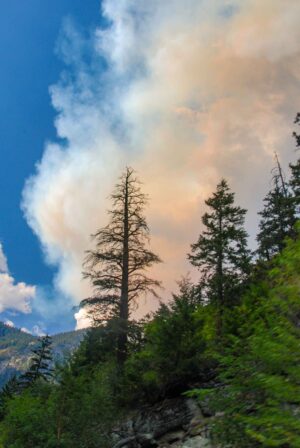 Despite budget cuts and extensive restructuring, the US Forest Service says it is ready to support Canada with any requests for wildfire assistance. The British Columbia Wildfire Service is also prepared to do the same, irrespective of strained trade relations, said BC Minister of Forests Ravi Parmar, who is responsible for the province’s wildfire service. …”Let me be very clear when it comes to fighting fires, we will always be there to support Americans in their time of need.” Parmar said that despite strained trade relations, he expects Americans will respond if called upon for support. …The US and Canada have a long history of supporting one another during difficult fire seasons, but this year the US Forest Service is facing budget cuts and restructuring. …”Any budget changes do not affect our firefighting capacity or limit our ability to provide support under our long-standing agreements,” the US Forest Service said.
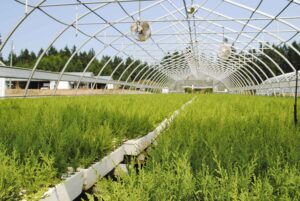 MANITOBA — A northern Manitoba tree-planting program is trying to replace trees destroyed by wildfires, but the cancellation of the federal two billion trees program is making that more challenging. In 2016, this forest in Manitoba’s Interlake region, about 300 kilometres northwest of Winnipeg, was devastated by a jack pine budworm infestation. It was starting to regenerate when wildfire ravaged the Devils Lake area in 2021. Areas just north are already burning this spring. Marley Moose says she felt sad when she returned to the forest three years ago as part of a tree-planting program through Nekoté LP, an Indigenous-owned corporation representing seven Swampy Cree First Nations in northern and central Manitoba. According to the Canadian Tree Nursery Association (CTNA), the country is losing trees faster than nature can grow them or people can plant them.
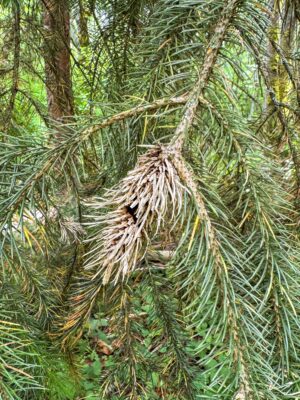 WHISTLER — As Western spruce budworm populations continue to spread through Whistler’s forests at historically unprecedented levels, the BC government is preparing to spray thousands of hectares around the resort municipality with a biological insecticide to blunt the outbreak. The Ministry of Forests is planning to aerially treat areas using Bacillus thuringiensis var. kurstaki (Btk)—a naturally occurring soil bacterium used for decades to control defoliating insects. Taylor Holt, the provincial resource coordinator, said… the aerial overview surveys in 2025 picked up 275,000 hectares of damage. [It’s] nearly three times as much damage as noted ever historically.” …Cheakamus Community Forest (CCF) executive director Heather Beresford, said. “So this is really the only viable treatment.” Still, she acknowledged the decision comes with uncomfortable trade-offs between wanting to prevent dead trees from posing a wildfire risk and protecting local non-budworm species who will be affected by spraying BtK.
 A province-wide public tour this June will bring a citizen-led proposal for forest management reform to communities across BC, with stops in Campbell River on June 11, Quadra Island on June 13 and Courtenay on June 15. Jennifer Houghton, campaign director of the New Forest Act Proposal, will lead a series of public presentations called the 2026 New Forest Act Roadshow on the future of B.C.’s forests, watersheds and forest-dependent communities. …“Right now, B.C.’s forest laws are built around maximizing timber extraction,” Houghton said. “The New Forest Act is a proposal to shift forestry toward ecological limits, stable communities, and long-term ecological function instead of short-term liquidation. …Spearheaded by the Boundary Forest Watershed Stewardship Society, the proposal has been developed with contributions from forest ecologists, including forester Herb Hammond. …More information the full

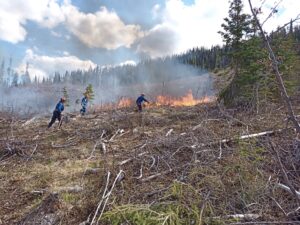 The Forest Service is withholding tens of millions of dollars in wildfire and forestry assistance from states that haven’t signed onto Trump administration directives prohibiting diversity initiatives and climate change programs. As weather forecasters predict an especially severe wildfire season, the Forest Service is in talks with Western states about the holdup on the wildfire mitigation grants and cooperative agreements on forest management, according to state and federal officials. …The new requirements are a particular problem with Democratic-led states, which won’t sign onto the new requirements, in some cases because state laws conflict with the restrictions like the ban on diversity, equity and inclusion programs. But forestry leaders in Idaho have also raised concerns, saying requirements to make sure subcontractors are also following the Trump directives put an undue burden on states. [to access the full story an E&E News subscription is required]
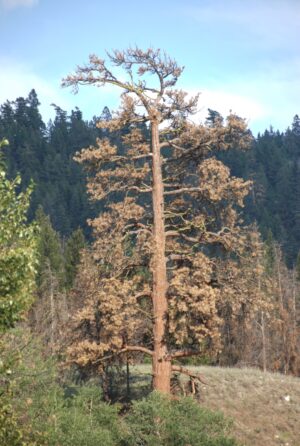 DENVER — A longstanding specter of the Colorado mountains is gaining ground in a new conquest of ponderosa pine forests. An outbreak of the mountain pine beetle is spreading quickly and expected to continue this summer under “prime conditions,” according to a
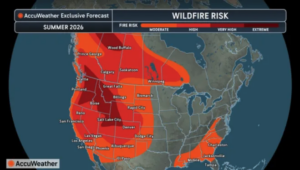 AccuWeather has released its latest outlook on what Oregon could expect for the 2026 fire season, forecasting another active year for wildfires for much of the western half of America. Experts said that 2026 may see fewer fires overall, however, drought conditions, dry vegetation and extreme heat are likely to cause fires to spread more quickly and grow larger before crews are able to contain them, resulting in more land burned. According to the company’s newly released wildfire forecast, between 65,000 and 80,000 wildfires are expected nationwide this year, burning an estimated 5.5 million to 8 million acres. That compares to 77,850 fires that burned 5.1 million acres in 2025. …Forecasters said the highest wildfire risk this year is expected across the Southwest, Rockies, Great Basin and Interior Northwest, including parts of Oregon and Washington. AccuWeather meteorologists said drought and prolonged heat are continuing to intensify wildfire conditions across much of the west.

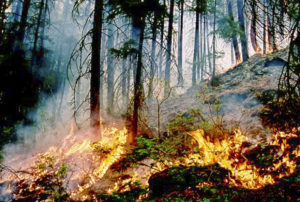 PORTUGAL — Devastating wildfires gripped Portugal in 2025, when more than a quarter of a million hectares of land burned. With fears that this year could be even worse, Portugal has mounted an intensive nationwide operation to clear fallen trees and dry leaves – the tinder that wildfires thrive on. Citizens are being asked to clear the land around their homes – known to be one of the most effective ways of saving lives – as well as flagging up blocked roads to authorities as these could prevent emergency services from getting to them. …As part of this anticipatory approach, specialist reconnaissance teams will be deployed in each of the country’s sub-regions, tasked with providing the operations commander with essential information on the risk and type of fire. …999 fires were recorded on Portuguese soil in 2025, burning 284,012 hectares. The burned area was twice that of 2024, making 2025 the second-worst year of the last decade.
 NEW BRUNSWICK — NB Power says it has green lit a plan to buy 300,000 tonnes of wood pellets this year in efforts to convert its largest power plant in northern New Brunswick from coal to biomass. The Crown utility says it’s now in procurement talks with five potential suppliers, all within Eastern Canada, to supply the Belledune Generating Station. That’s as the Holt government has quietly issued a Crown timber sub-licence to one of those five, a partnership between Eel River Bar First Nation, Pabineau First Nation, and Arbec Forest Products. The trio, together behind what’s being called the Belledune Biocoal Joint Venture Group, has also recently filed an environmental impact assessment with the Department of Environment and Local Government to build a torrefied wood pellet production facility at the Port of Belledune in support of NB Power’s transition away from coal burning power generation.
 After a series of record-breaking US heatwaves, the 2026 bee swarm season in North America has started 17 days earlier than last year, pushing beekeepers to adapt to a rapidly shifting season while raising new questions about how honeybees are responding to the climate crisis. According to a
  Across the UNECE region, understanding how wood energy use relates to forest resources and energy supply remains a central question for policy. These relationships are reflected in material flows from forests and forest-based industries into energy supply. Drawing on data from the Joint Wood Energy Enquiry (JWEE), this report shows that increasing wood energy consumption has coincided with declining reliance on roundwood and a growing contribution from industrial by-products, processed wood-based fuels and post-consumer recovered wood. Over the same period, the share of forest net annual increment directly used for energy remained broadly stable, even as wood energy increased its contribution to total primary energy supply. Together, these developments point to changes in the composition of feedstocks, uses and consuming sectors rather than a simple intensification of harvest pressure, while cross-country differences reflect variation in forest endowments, industrial structures and trade patterns.


 LONGVIEW, Washington — Recovery crews on Friday located the ninth and final person missing at the site of the Nippon Dynawave industrial incident, bringing the death toll from the tragedy to 11. …The ruptured tank spilled up to 570,000 gallons of white liquor, a strong alkaline liquid made mostly of sodium hydroxide and sodium sulfide used in the papermaking process to dissolve wood chips. Officials said the liquid made it into the nearby Columbia River and several nearby ditches, sloughs, and dikes. …Longview city officials reassured residents on Thursday that the city’s water was safe, and the Washington State Department of Ecology stated that the water treatment plant would shut down automatically before contaminated water could enter the public water system. …Response crews have documented some impacts to fish and wildlife in drainage systems adjacent to the incident area. Officials said approximately 200 dead fish have been collected.
 This week’s chemical blast that killed at least eight workers at Longview’s Nippon Dynawave Packaging highlights the potential dangers in the timber and paper manufacturing industries. …“We work in a highly hazardous atmosphere, in a highly hazardous industry,” Brian Wood, director of support services for Nippon Dynawave, said. …The industries involved in the range of economic activities from cutting timber to manufacturing paper have shed jobs in recent decades, yet this sector continues to have some of the deadliest occupations. The disaster in Longview highlights the dangerous chemicals used in paper making. In 2024, 13 people were killed while working at their paper manufacturing job, according to the US Bureau of Labor and Statistics. Across the country jobs in the sector have plummeted. In the last quarter century, BLS figures show paper manufacturing employment fell by 230,000 jobs to sit around 355,000 across the country. Industry researchers estimate as many as 45 mills closed last year.

 MAINE — The fire and subsequent explosion at a Maine lumber mill that killed a firefighter and injured a dozen other people was accidental and originated at the base of a silo, authorities said Tuesday. …Rapid ignition of particulate material resulted in an explosion in the silo that caused it to lift from its concrete base and release large amounts of sawdust and other materials, the Maine State Fire Marshal’s Office said. The silo then toppled and the surrounding area became engulfed in fire, the office said. Investigators will return to the facility in the coming months to conduct a more detailed examination, the fire marshal’s office said. “Investigators also determined the facility’s fire suppression system, which was located near the top of the silo, did not activate because temperatures at that elevation did not reach the activation threshold after the fire originated at the base of the silo,” the office’s statement said.
 MAINE — According to the Fire Marshal’s Office, multiple departments sustained damage to their fire trucks and equipment during the Searsmont incident, impacting departments that are already limited on resources. “Seeing the ploom of black smoke, it immediately puts a lump in your throat,” said Belmont Fire Chief Ron Harford, as he reflected on Friday’s fire and explosion at Robbins Lumber. In the aftermath of the Searsmont fire, the Belmont Fire Department is supporting injured firefighter Katherine Paige and navigating the loss of a critical tank truck. …”Searsmont’s going to be hugely affected because they’ve lost two of their immediate mutual aid town’s trucks, plus their tank truck,” said Harford. On top of that, Chief Harford says the department lost between $50 to $60 thousand worth of equipment that was on the truck. …”Mr. Cross [Fallen Firefighter Andrew Cross] is our biggest loss. He was a tremendous firefighter a tremendous person,” said Harford.