Steven MacKinnon
OTTAWA — Two days after Transport Minister Steven MacKinnon unveiled his omnibus bid to expand his government’s efforts to streamline and accelerate the approval of major projects, MPs are set to get their first chance to go on the parliamentary record with their initial thoughts — and concerns — about what Prime Minister Carney has framed as “one of, if not the most consequential” bills to hit the House of Commons this session. The Building Canada Strong Act would expand the government’s power to fast track projects deemed to be in the “national interest,” and “would let Ottawa issue a single conditions document instead of separate permits from multiple departments, letting projects bypass individual reviews under existing laws. …In a rare move, the government has signalled that it wants to send the bill to a special legislative committee for further review, which could spark concern from opposition member by effectively preempting any proposal to divvy it up.
- In related coverage: Five things to know about the Liberals’ new Building Canada Strong Act
 Canadian Prime Minister Carney welcomed the European Union’s ambition to make Ottawa an associate member and said Canadian lawmakers would ultimately vote on the final structure of the alliance. …Carney did not name President Trump in his speech, but he nodded to his US counterpart’s use of tariffs by saying, “Economic integration is now being weaponized — tariffs being used to exert pressure.” …His comments come shortly after Trump described the prospect of Canada becoming the first associate member of the EU as “laughable” and threatened the bloc with tariffs if he deemed the move to be a “hostile act.” …European Commission President Ursula von der Leyen said that the 27-nation bloc wanted to bring the relationship with Canada “to the highest level possible.” …Associate membership doesn’t currently exist as a formal category under EU treaties, and any such arrangement would need to be created and ratified by member states.
 WAHSINGTON — I read a poll earlier this month showing that 41% of Canadians see the US as “an enemy country.” The poll was conducted right after President Trump slapped 50% tariffs on $27.6 billion of Canadian exports to the US. …I have no illusions that U.S.-Canada relations were idyllic before Trump took office. …But the recent turn in US-Canada relations feels different. Canada’s willingness to antagonize its far larger trading partner signals how much Canadians now fear that their economic integration with the United States was a major strategic mistake. Can the economic relationship between the two countries be repaired? …A conversation with Rohinton Medhora at McGill University… left me with three take aways. 1. Canadians are feeling frustration, anger, and trepidation. …2. Carney sees no political or strategic alternative to retaliating against the Trump tariffs. …3. Washington and Ottawa may find an off-ramp, but Canada will continue to reduce its vulnerability to US economic pressure.
 NEW YORK — A trade war between the United States and Canada is making it more difficult and expensive for small businesses in the economically entwined countries to operate, according to business owners caught in the crossfire. …The tariffs so far involve about 5.5% of the neighboring nations’ bilateral trade in goods. Analysts say the overall economic impact therefore will be muted. But small business owners who depend on cross-border sales say a tax of up to 50% on their products and ill will created by the conflict have an outsize effect on them:
 The British Columbia Supreme Court has refused to approve a proposed reverse vesting transaction (RVO) for Teal-Jones Group that would have wiped out long-standing fibre supply agreements tied to TFL 46, finding that TimberWest and Domtar held proprietary interests that should not be extinguished. The Monitor argued that the sale of the Surrey Mill and TFL 46 to Gillfor Manufacturing was the best available transaction and that removing the agreements was necessary to preserve the business, but the Court found no sufficient evidence that the agreements were uneconomic or would prevent Gillfor from operating the assets. With the agreements priced at fair market value and their termination expected to cause significant prejudice to TimberWest and Domtar, the Court declined to approve the transaction unless they remained in place. …The prejudice to Domtar if the supply agreements were extinguished would be significant.
 A comprehensive support package will fill the gap and help BC businesses affected by US tariffs produce and sell more of their products locally as well as overseas. … “President Trump’s unfair trade war is an attack on BC workers, businesses and communities – especially in our forest sector,” said Premier David Eby. “BThat’s why we’re enhancing proven programs to help BC businesses find new customers, create jobs and build a stronger, more resilient and self-reliant economy.” The support package provides new funding to existing programs:
 In the face of ongoing trade disputes, including those around softwood lumber, the Government of Canada is taking decisive action to support the forest sector. We are committed to protecting workers and jobs, and giving Canadian companies the stability they need to weather short-term shocks and retool for a stronger, more diversified future. In support of that commitment, the Honourable François-Philippe Champagne, Minister of Finance and National Revenue, today highlighted a $30-million loan to Conifex Timber Inc. through the Large Enterprise Tariff Loan (LETL) facility. The funding provided through LETL will help the company adapt to current conditions, support its workers, and build a more secure future for the community of Mackenzie, British Columbia. This support comes as the Government of Canada enhances the LETL facility to better meet the needs of Canadian employers facing continued trade uncertainty.
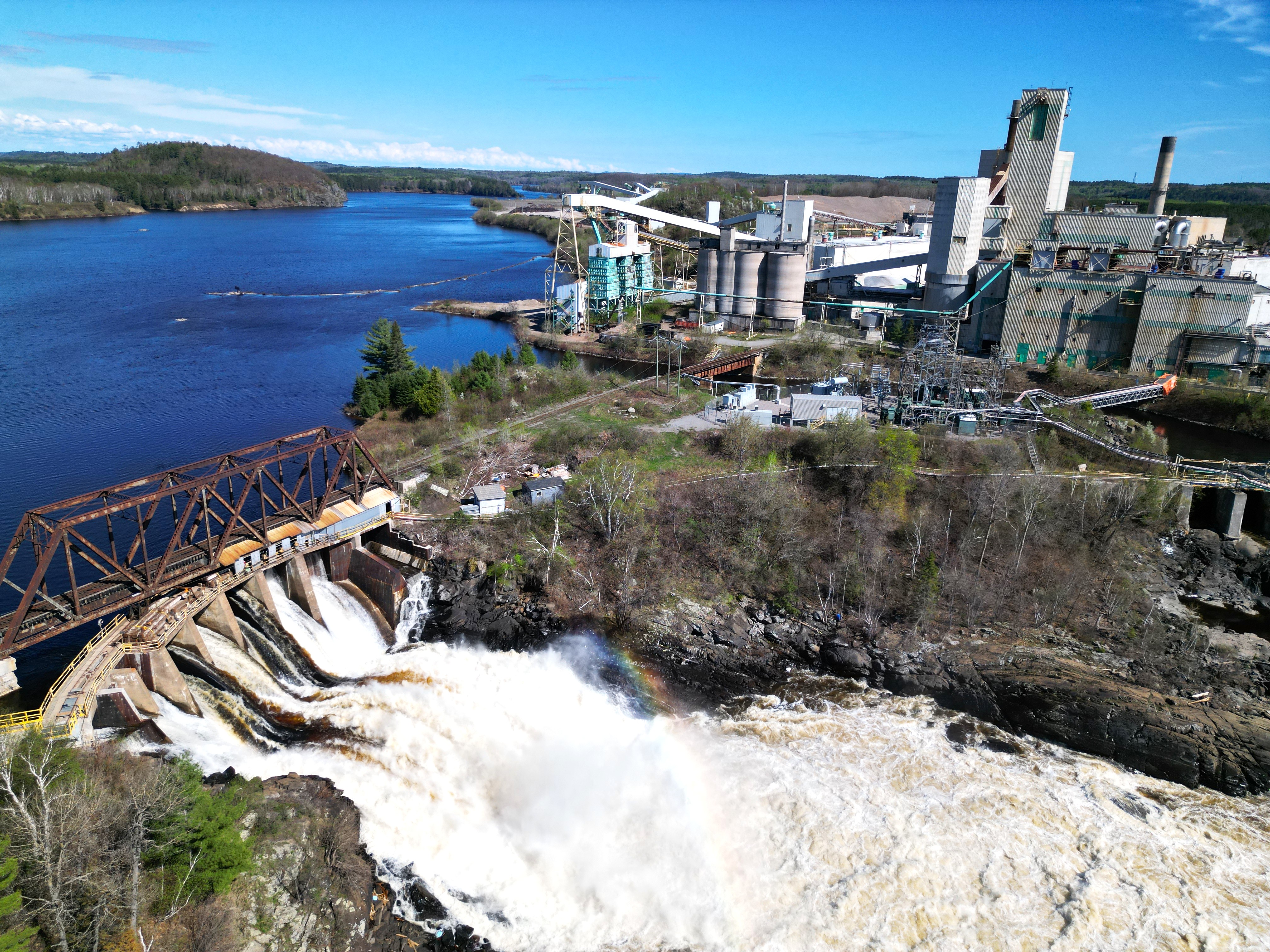
 THUNDER BAY — The Ontario government is investing more than $2.5 million to advance major upgrades at Thunder Bay Pulp and Paper, as well as two additional projects in Northwestern Ontario that will increase the industry’s use of mill by-products and underused forest biomass. The upgrades will help increase the forest sector’s production and capacity, protecting over 700 direct jobs and more than 3,350 indirect jobs. This Forest Biomass Program funding is part of the government’s plan to protect Ontario forestry workers. …Ontario is investing more than $2.4 million to plan boiler and chemical plant upgrades at Thunder Bay Pulp and Paper, a critical anchor mill in Northwestern Ontario’s forest economy. …AUX Energy is receiving $92,500 to develop plans for a biomass-powered generator project that will increase energy security in Fort Frances. …Weyerhaeuser is receiving $32,650 for a study of production line upgrades to reduce costs while improving efficiency and product quality.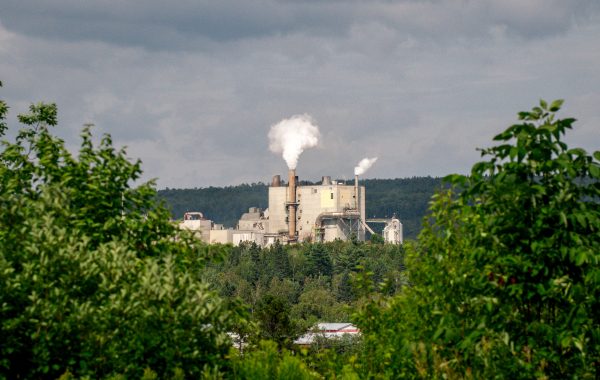


 The USDA Agricultural Marketing Service published a final rule in the
 US Customs and Border Protection agents spent four days investigating Auckland timber processor Hermpac after a complaint from the US Lumber Coalition. The finding was uncomfortable. A wholesaler on America’s east coast had been routing Canadian-origin wood through New Zealand for processing before shipping it into the US. …The purpose, according to the investigation, was to dodge the punishing duties the US imposes on Canadian softwood lumber. This is the first confirmed case of a New Zealand processor being directly investigated by US Customs in connection with the Trump-era tariff regime. …The fight is no longer just about headline rates. It is now about who inspects your paperwork, and whether the value you add in New Zealand counts. …The practical takeaway is unglamorous but urgent. Review and document your origin classifications now, before a competitor files a complaint, not after Customs agents turn up.


 The United States and the state of North Carolina have filed a

 Timber, furniture, and textile workers will have a new weapon against wood products shut out of the United States and Canada, after Federal Parliament passed laws handing a renamed Anti-Dumping Commission the job of investigating import surges. That is according to the Timber, Furnishing and Textiles Union, which said on Thursday that the vote caps a campaign of more than a decade. “When the US, Canada, the EU, China and other major economies shut products out of their markets, those goods don’t disappear,” said Leo Skourdoumbis, the union’s acting national secretary. …Canada placed a provisional 25% safeguard surtax on certain imported wood cabinets and vanities from 31 July, the example the union holds up for Australia. …The Albanese Government will rename the Anti-Dumping Commission the Australian Trade Remedies Commission under the Customs Amendment Bill 2026. Dumping, subsidy, and safeguard cases will go before that one body, which reports through Industry Minister Tim Ayres.

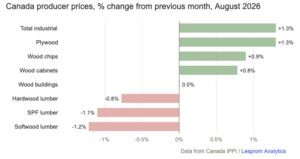 Canadian wood product prices fell 1.2% from July but remained up 8.6% from a year earlier, after rising 6.4% the prior month, Statistics Canada reported. Canada’s broader factory-gate prices rose 1.3% from July and were up 13.5% from a year earlier. Wood product prices trailed Canada’s total Industrial Product Price Index by 4.9 percentage points year over year, leaving August’s monthly gain short of the wider rise in factory-gate prices.
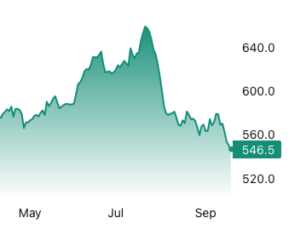 Lumber futures fell below $550 per thousand board feet, reaching their lowest level in nine months, as elevated borrowing costs continued to weigh on demand. The US housing market remains tight, with mortgage rates near their highest level in over a year and showing no sign of easing after the Federal Reserve hiked its key policy rate, weighing on demand from prospective homebuyers. Building permits also fell 2.7% over the month, although a 7.6% increase in lumber-intensive single-family housing starts in August. Provided an offsetting pressure, US-Canada trade talks fell through, raising concerns over lumber supply.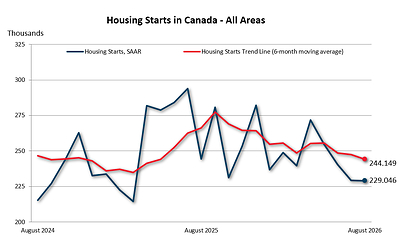
 VANCOUVER, BC — West Fraser Timber announced that it has entered into a new $500 million three-year term loan, partial proceeds of which will be used to retire its existing $300 million term loan due in 2028. The new term loan matures in September 2029. The Company’s $1 billion syndicated credit facility remains outstanding on existing terms and has approximately four years remaining to its May 2030 maturity. …”Entering into a new $500 million term loan strengthens our near-term liquidity position and provides additional financial flexibility,” said Sean McLaren, President and CEO, West Fraser. …The Company has also declared a quarterly dividend of US$0.32 per share on the Common shares and Class B Common shares in the capital of the Company, payable on October 19, 2026 to shareholders of record on September 29, 2026.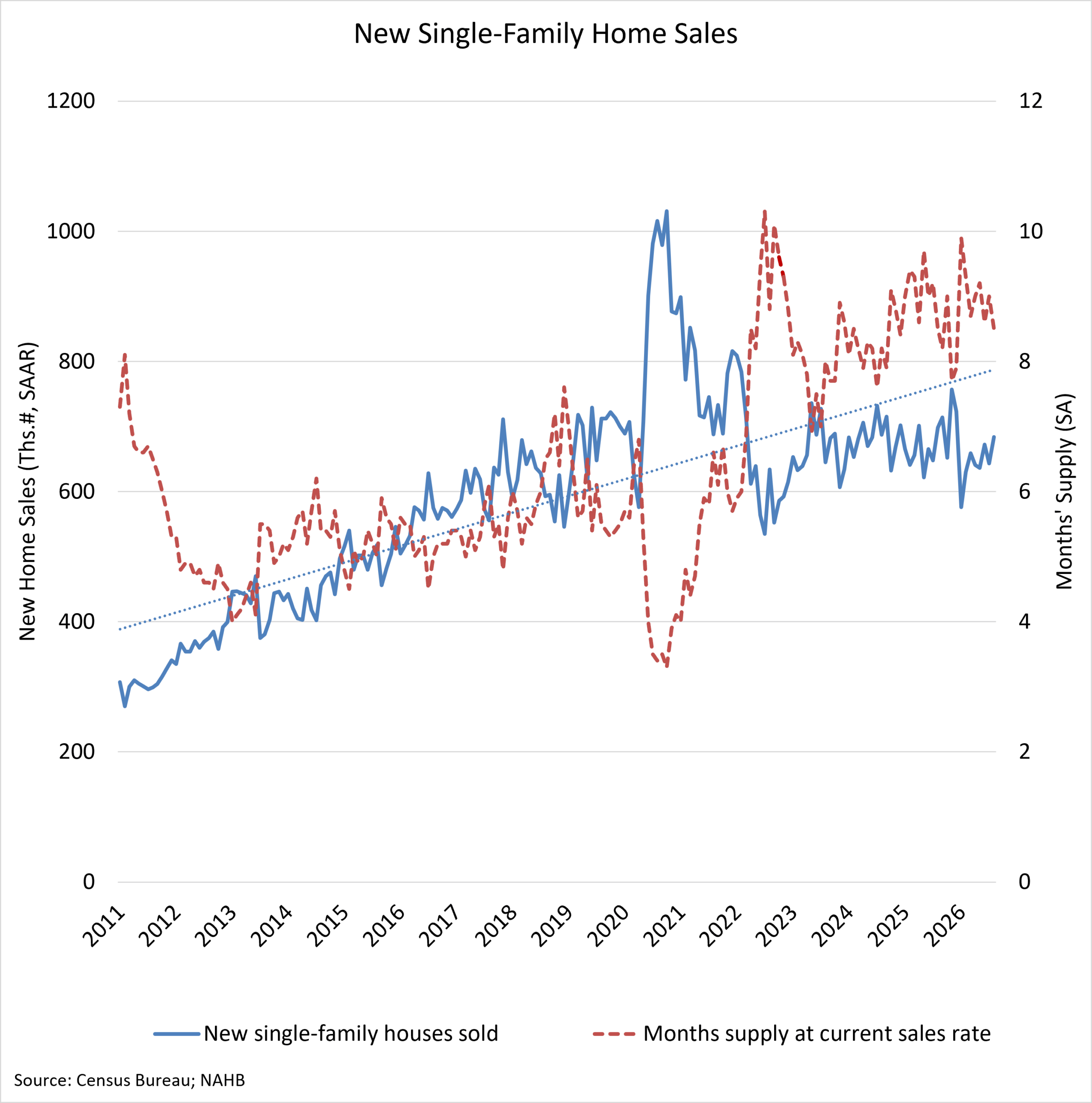
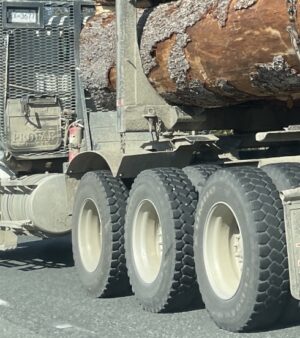 A US diesel export ban could become a self-defeating exercise that would do little to ease high US fuel prices but could worsen supply and economic disruptions around the globe, analysts said. US President Donald reportedly said on Tuesday he backed the idea of a ban. Average US diesel prices have jumped to a record $6.5107 a gallon. Diesel is critical to the global economy because it powers transportation, farm equipment and the machinery used to make and move goods. High fuel prices stoke inflation — already a pain point for Trump and Republicans. …”Given that a surplus of diesel in the US could paradoxically force American refiners to cut supplies of oil products – potentially within a few weeks – a ban would ultimately be self-defeating,” Capital Economics said in a note. Restricting US diesel exports would wreak havoc on fuel markets in the US and abroad.
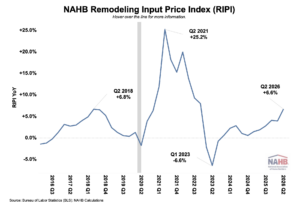 The number of residential remodelers employed during the second quarter of 2026 was seasonally adjusted at 454,100, accounting for over 49% of the total residential building construction employment . While remodeling employment experienced a loss of 5,100 compared to the first quarter of 2026 and fell 1.0% year-over-year, it has grown over 19% compared to its level prior to the COVID-19 pandemic. …The average hourly earnings in nominal terms (i.e., not adjusted for inflation) for residential remodelers during the second quarter of 2026 was $37.91, up $0.32 or 0.8% compared to the previous quarter. …NAHB Economics has recently created the NAHB Remodeling Input Price Index (RIPI) which is a fixed-weight composite that measures monthly price changes among nonlabor inputs associated with residential improvements and routine residential maintenance & repair. As of the second quarter of 2026, the NAHB RIPI shows that input costs for remodelers rose 6.6% on a year-on-year basis, up from the 3.9% increase in the previous quarter.
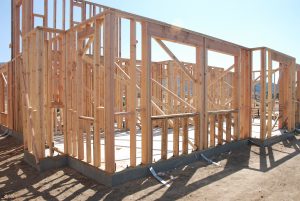 Single-family housing starts rose in August but are down for the year and are expected to weaken even further, as homebuilders slow production in the face of higher construction costs and hesitant consumer demand. While total new residential construction fell 2.6% in August, this monthly decline came amid a steep 21.7% pullback in multifamily starts, according to data released Thursday by the U.S. Census Bureau and the U.S. Department of Housing and Urban Development (HUD). Housing starts, when accounting for both single-family and multifamily, slipped to a seasonally adjusted annual rate of 1.275 million units, 1.2% below the August 2025 rate of 1.291 million units. On the other hand, the seasonally adjusted annual rate of single-family starts in August grew 7.6% to 918,000. At first glance, this monthly growth may seem to signal strength, but single-family starts between January and August were 4.9% below the rate experienced during the same period in 2025, reflecting a slowing construction pipeline.
 WASHINGTON — US single-family homebuilding increased in August, but a drop in permits for future construction suggested the improvement was likely temporary as rising inflation because of the war in the Middle East boosts mortgage rates. Single-family housing starts, which account for the bulk of homebuilding, jumped 7.6% to a seasonally adjusted annual rate of 918,000 units last month, the Census Bureau said. They rose 5.2% on a year-over-year basis in August. Single-family building permits fell 1.8% to a rate of 878,000 units in August. They increased 1.3% on a year-over-year basis. Mortgage rates have surged, tracking longer-term US Treasury yields as the US-Israeli war with Iran drove oil prices above $100 a barrel. Bond yields have also risen. The yield on the benchmark 10-year Treasury note is hovering around 5.0%. …The average rate on a 30-year fixed-rate mortgage was 6.76% last week, the highest level in more than a year.
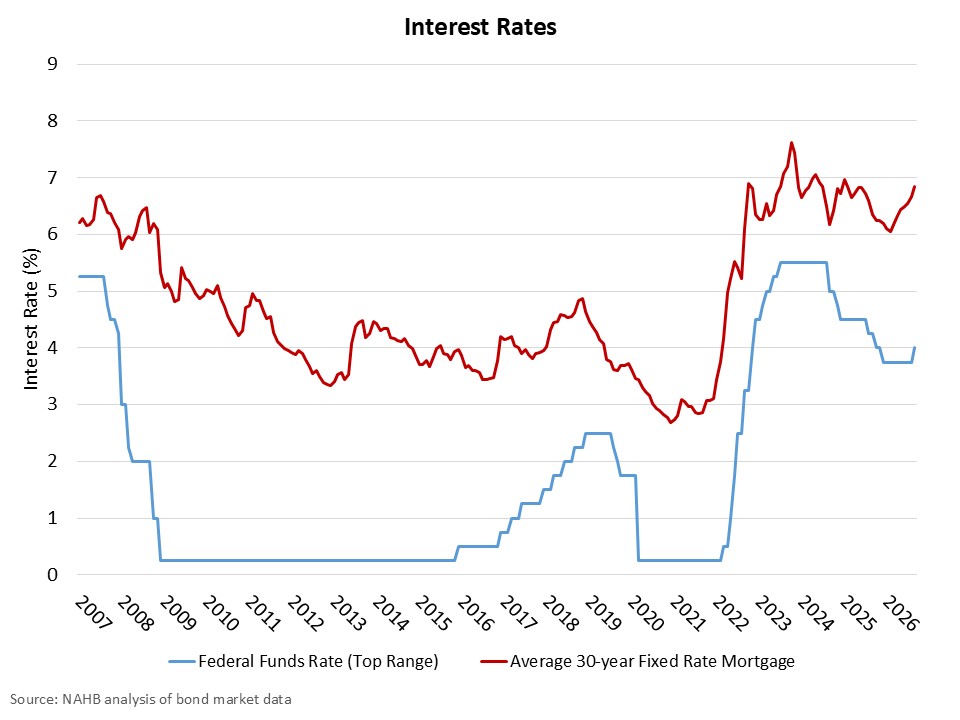
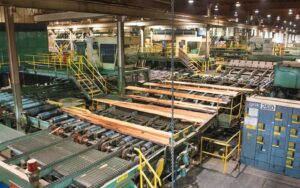 An analysis originally published by Austria’s Landwirtschaftskammer Kärnten says Europe’s timber industry continues to face weak construction activity, high financing costs and subdued demand. Global Wood’s English-language report says… The European timber industry is facing a prolonged period of consolidation as weak construction activity, industrial recession and higher financing costs continue to pressure the sector. The outlook was discussed at International Wood Day in Klagenfurt, Austria, where around 300 industry leaders and experts gathered. Raiffeisenbank International chief economist Gunter Deuber said Germany’s continued industrial weakness is affecting Central European sawmills, panel manufacturers and timber construction companies, with building permits remaining at historically low levels. High household savings and cautious spending are also limiting residential construction, while stricter lending conditions and elevated construction costs are delaying projects. Although interest rates have fallen, financing remains more expensive than before 2022.
 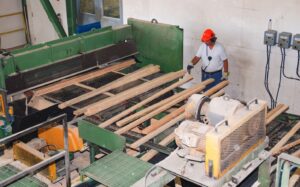 UK — Demand in softwood markets remains patchy at best, and an overall weakness in the market predominates leading merchants to adopt an ultra-cautious approach. Now that the Scandinavian mills are back in production after the summer holidays, their attention is focused on which markets will be able to absorb their productions. With UK demand on the back foot, importers and are concerned that the Swedes may try to squeeze unwanted volumes into the UK with price inducements. If this happens, and an excess of softwood arrives, it can only result in another self-destructing price war. …To mitigate the effects of low demand, some sawmilling groups are reducing production. …Sawmillers Holmen have announced reduced output for their Linghem mill in Sweden, Stora-Enso is discussing permanent closure of the Veitsiluoto unit in Finland, and there has been an overall drop in production among German softwood producers. …Further afield, curtailments are spreading across the US and Canada.
 The EU’s appetite for wood pellets is being fed from outside the bloc, with member states importing 451,880 tonnes from non-EU countries in July, up from 345,074 tonnes a year earlier. That is according to Eurostat, the European Union’s statistics office, whose first estimates for July were published on Tuesday 15 September and remain provisional. France brought in 115,845 tonnes from outside the EU in July, up from 72,181 tonnes in July 2025, and Italy’s imports rose to 76,051 tonnes from 39,172. The Netherlands remained the biggest buyer at 124,591 tonnes, while Denmark’s imports fell to 31,764 tonnes from 50,889. Latvia took 31,022 tonnes, in a month for which Eurostat shows no Latvian figure a year earlier. Imports from outside the EU reached 555,573 tonnes in June, the most in any month since January 2024, and July’s total was still higher than the 392,192 tonnes of July 2024.
 Developing formaldehyde-free and high-performance wood adhesives is imperative for sustainable wood utilization. To overcome performance trade-offs in lignin adhesives, we developed a formaldehyde-free aqueous adhesive formulation via reactive cysteine-functionalized lignin, achieving high performance with an unprecedentedly low lignin loading (20 wt %), which is sprayable and injectable and exhibits excellent fluidity. It undergoes self-curing via forming amide bond, achieving robust bonding performance under simple hot-pressing conditions. The solvent-free lignin adhesive for plywood outperforms commercial resins, demonstrating exceptional dry strength (4.0 MPa), high wet-strength retention (83.7%), and superior durability against extreme temperatures (−196° to 190°C), humid heat aging, and solvents. …This work establishes an environmentally friendly and scalable strategy for constructing full bio-based adhesives with exceptional processability and durability, providing a paradigm for lignin valorization within lignin-first biorefinery frameworks.


 CONCORD, New Hampshire — The State of New Hampshire has enacted legislation requiring state-funded building projects to give preference to lumber harvested in the United States.
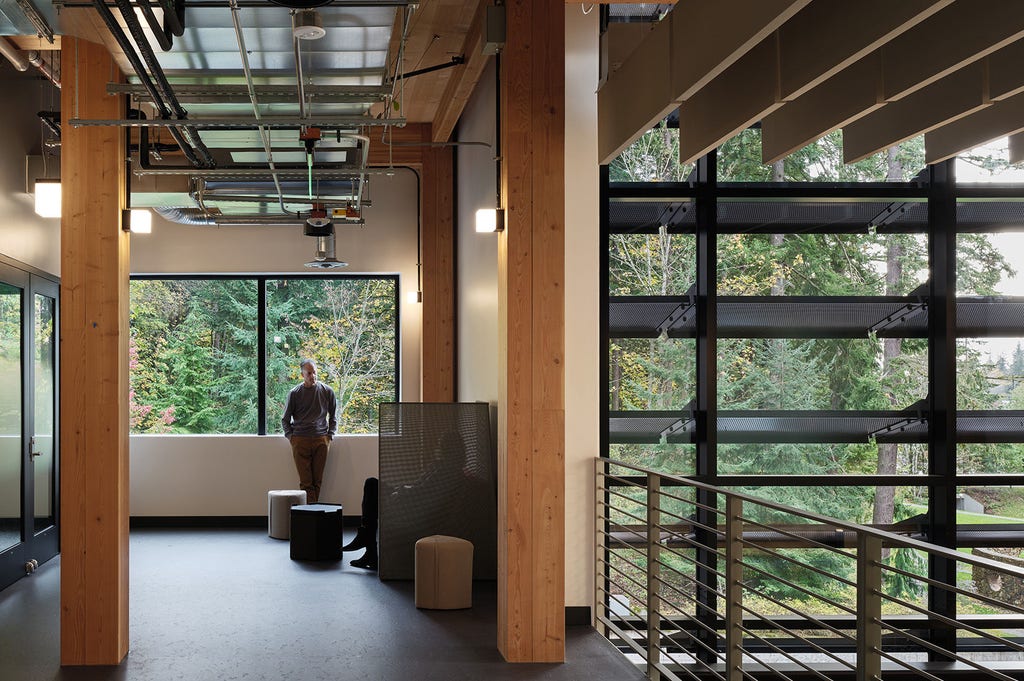
  COLUMBUS, Ohio — The tallest mass timber student housing structure in the U.S. in Columbus, Ohio, recently topped out. The 13-story, 186-unit off-campus development, located near the Ohio State University, stands at 158 feet.
  EUROPE — The European Federation of Wooden pallet and Packaging Manufacturers (FEFPEB) fully supports the PPWR’s objectives to strengthen circularity and promote reuse.However, following our review of the work concerning wooden pallets, we have seriousconcerns that the current assessment does not adequately reflect how pallet reuse operates inpractice or provide a sufficiently representative basis for establishing a mandatory minimumnumber of rotations. For the reasons set out in the attached statement, FEFPEB does not support the introduction ofa mandatory minimum rotation requirement for wooden pallets on the basis of the currentassessment. In particular, we believe that the evidence base and methodology should bereassessed, with meaningful involvement of the wooden pallet sector, before any suchrequirement is considered. Wooden pallets already operate within mature systems of repeated use, repair, reconditioning,and recycling across Europe. Their circular performance cannot always be captured through individual rotation counts.
 Timber traders, pallet makers, and furniture suppliers selling into Europe will not have to trace bamboo, rattan, or used and second-hand wood to a forest plot after the European Commission’s rewrite of the EU Deforestation Regulation’s product list came into force on Friday. That is according to
  HDI Risk Consulting has published a new climate risk assessment of Canada’s Boreal Forest using its modelling platform, mapping how heat stress, drought, wildfire, water scarcity and permafrost thaw interact across a region spanning Canada, Alaska and the northern US. The analysis is part of HRC’s Iconic Landmarks series, applying spatial climate data to identify where physical risk concentrates and how it cascades into business interruption for the forestry, mining, energy and transport sectors that depend on the region. “Climate risk moves through interconnected systems. The Boreal Forest is a clear example of that interaction,” said Wiebke Cundill, HRC’s team lead for natural hazards and climate risk analysis. …Given how much Canadian lumber, energy and minerals feed directly into US manufacturing and construction, HRC’s point, that “a wildfire in Canada can quickly become a US business problem,” is grounded in real, measurable trade data rather than a general climate-adjacency claim.
 The European Union has updated its regulation on deforestation-free products (EUDR), which is intended to ensure that products placed on or exported from the EU market do not contribute to deforestation or forest degradation. …The EU amended the regulation in December 2024 and December 2025, introducing simplification measures intended to reduce administrative costs and compliance burdens for affected companies. The EUDR will begin applying to large and medium operators on December 30. Micro and small operators will be subject to the regulation beginning June 30, 2027, while micro and small operators already covered by the EU Timber Regulation will have a December 30 compliance date. The EUDR replaces the EU Timber Regulation and is part of the European Commission’s broader effort to reduce the EU’s contribution to global deforestation, greenhouse gas emissions, and biodiversity loss. …An
 British Columbia has endured another extreme drought with damaging impacts seen across the province. …Playing out year over year, the chaotic cycle of drought crises has become a familiar experience for BC. We argue it’s the result of provincial water management that continues to treat drought as a short-term seasonal emergency rather than the year-round, persistent problem it has become. A
  Recent headlines have made clear the need for change in BC’s forest sector. …We can and should emphasise building with renewable materials sourced from BC timber, such as expanding local production of mass timber and continuing to advance tall wood construction. …The Faculty of Forestry & Environmental Stewardship (FES) at the University of British Columbia (UBC) is doing just that. …Our recently launched UBC Richards Buchanan Professorship in Forests, Nature and Human Health is taking this line of research one step further. …Made possible with a multi-million-dollar gift from philanthropist Bruce Buchanan and leveraging support from UBC, the scope of this innovative professorship overlaps with such fields as medicine, public health, epidemiology, environmental health, neuroscience and/or environmental psychology. Potential topics of investigation span urban greening, forest therapy, nature-based solutions, Indigenous health, community well-being, biophilic design and/or environmental change, such as from extreme heat events, air pollution or wildfire smoke.
 B.C.’s Ministry of Forests announced it would begin piloting its new Working Forest Landscape Model. The model aims to support the province’s goal of an annual timber harvest of 45 million cubic metres, while reducing industry red tape, such as cutting permits. It will be tested out in an area near Campbell River. …Instead of relying on individual cutblock permits for Crown land, this model would divide areas in the province into three zones. A working forest zone would prioritize commercial timber harvest. Forestry companies operating within it would be able to plan for the broader area from the start rather than incrementally adding more cutblocks. …A multiple-use zone would have various functions aimed at “the restoration and enhancement of biodiversity and ecosystem functions,” such as wildfire mitigation, according to the province. And a conservation and protection zone would ensure “long-term ecosystem function and biodiversity.”
 As wildfires raged this summer, I turned to the documentary film
 PENNSYLVANIA — For more than two decades, our national forests have been governed by the Roadless Rule and its full repeal carries significant consequences for American taxpayers. A closer read of USFS’ own analysis of the proposed rule’s impacts reveals that full repeal would increase taxpayer costs and liabilities through increased road subsidies, revenue losses from timber sales, and increased wildfire risks. While the USFS stated the goals to reduce regulatory burden, increase resource production, and increase local management flexibility to allow for active management where necessary in response to increasing wildfire risk, a full repeal may have the opposite impact. …Targeted improvements to the Roadless Rule make sense. Blindly instituting full repeal would expose taxpayers to billions in subsidized road construction and maintenance, exacerbate taxpayer losses from money-losing timber sales, potentially increase wildfire risks, and weaken the health of roadless areas that provide important commercial and recreational benefits.
 The recent Public Forum letter criticizing the Fix Our Forests Act (FOFA) raises legitimate concerns about protecting forests and addressing climate change. But portraying the bipartisan legislation primarily as an effort to expedite logging misses much of what the bill is intended to accomplish. Climate change is making wildfires more dangerous. …We need to address both problems. Recent research provides a striking example. Scientists examined 164 forest plots burned during California’s massive 2021 Dixie Fire. In untreated forests, there was a 58% probability that every tree in a plot would be killed. Thinning alone lowered that risk to 48%. But where thinning had been followed by prescribed fire, the probability of complete tree mortality fell to just 4%. That distinction matters. Responsible forest management is not simply another name for logging. The research suggests that thinning alone provides limited protection unless surface fuels are also addressed. Prescribed fire was a critical part of the treatment.
 LOUISIANA — Governor Jeff Landry issued an
 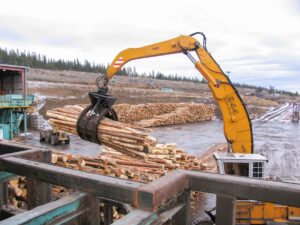 MINNESOTA — At the North Star Logging Expo in Grand Rapids, Minn., I got a quick lesson in operating heavy equipment and a more sobering one about the pressures facing the people who make their living with it. Loggers are struggling with something out of their control: the price of diesel fuel. That matters to the whole state because the timber industry doesn’t just cut trees. It’s a key steward of rural Minnesota’s economy and environmental health. If you spent any time worrying about wildfire smoke, climate change or jobs in the past year, you’re invested in figuring this out. …Brady Hasbargen, a fourth-generation logger from Birchdale, Minn., along the Canadian border, said he uses about 100,000 gallons of diesel every year. Last year, he spent about $300,000 on fuel. With diesel now priced above $6 per gallon, that cost will double and could go even higher. That’s well beyond his profit margin.
 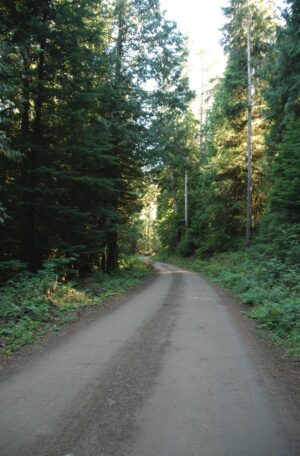 WISCONSIN — On August 18, the US Secretary of Agriculture announced the US Forest service officially filed an official proposal to repeal the Roadless Rule. …The policy currently protects roughly 69,000 acres in Wisconsin, and with the potential repeal of the environmental policy, experts want to be clear about the relationship between roads and wildfires. Most wildfires in the US are caused by people. According to the