 What does British Columbia’s Minister of Forests Ravi Parmar mean when he talks about forest industry transformation? …Industry transformation is a core theme of the NDP government’s forest sector agenda—part of what it was elected to address in 2017 and later formalized in the 2021 intentions paper, Modernizing Forest Policy in British Columbia. It is clear that transformation is meant to include more value-added wood products manufacturing, partly to reduce reliance on commodity lumber markets in the U.S. and move away from boom-and-bust cycles. Those are worthy broad objectives but impractical. And there is no concrete plan. Frustratingly, the details of this industry transformation have never been publicly outlined.
 By my analysis, approximately 42 per cent of the softwood lumber production capacity operating in this province in 2019 has since been indefinitely curtailed, indefinitely closed, or permanently closed. …What about the 54 per cent, or 3.1 million tonne reduction in pulp and paper mill capacity since 2020? Add two or three closed pellet mills, a few other wood product manufacturers, and the list is a shocking transformation. The corresponding 47% decrease in the provincial Crown harvest is equally telling. …One of the biggest ironies of all this is the desire to increase value-added manufacturing cannot scale without primary manufacturers converting logs into products like lumber or veneer that can be used to then make value-added products. Except those primary manufacturers are the ones closing down.
Industry leaders recently sent a joint letter to the Premier warning that industry is at a breaking point and asking for an emergency meeting to address the crisis. Maybe the discussion should not be industry conveying its concerns and needs, but rather the Premier and Minister cutting to the chase on what they mean by industry transformation. The government keeps invoking transformation, yet the observable result of the last decade have been contraction—and neither communities nor industry know where the government’s goalposts are.

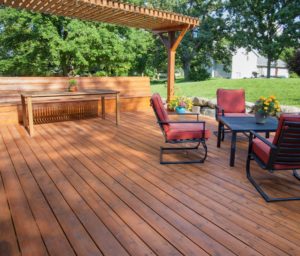 WASHINGTON, D.C. – For Martin Wiegand, Canadian softwood lumber is the “champagne” of wood. His family lumber business dates back to the 1800s in Washington, D.C. Wiegand has relied on Canadian Western red cedar for years. In fact, more than half of his business deals with selling Canadian softwood to customers to build fences, pergolas, decking and siding. …But US President Trump’s tariffs are raising the price of the basic 2×4 wooden plank, making it difficult to plan how expensive inventory will be or how much his business can afford to buy. “So, it lengthens the lead time for our customers and in their projects and ordering, so it makes it a little more difficult,” he said. …“My message to Donald Trump is: Stop this. Stop. Stop the tariffs,” Wiegand said. “There’s no American sawmill jumping in and starting to produce Western reds,” Wiegand said.

 As Congress returns to Washington, the National Lumber and Building Material Dealers Association (NLBMDA) is urging congressional leaders and the Administration to address growing cost and supply pressures stemming from recently implemented Section 338 tariffs on Canadian building materials. In a
  Chief political correspondent Rosemary Barton speaks with US Democratic Sen. Ruben Gallego about the impact of the US-Canada trade war on the state of Arizona. Plus, Janet Mills, governor of Maine, talks about the trade war’s effect on her state. Then, a Michigan-based furniture business owner and an Ontario-based distillery owner describe what the tariffs have meant for their businesses. …The US president spoke about the state of relations with Canada this past weekend while on a trip to Ireland, saying… “Canada wants to make a deal very badly”. …But not all US- elected officials are on board with the president. Ruben Galgo, a Democratic senator from Arizona posted this past week saying Trump’s actions against Canada have made things more expensive for Americans. …Janet Mills is another Democratic governor said “what the president is saying and doing in recent months and years is not reflective of how we as a state feel about people of Canada.

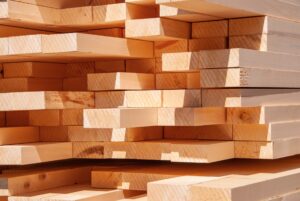 President Trump’s tariffs on Canada are creating clear winners and uneasy allies, with steel and lumber producers embracing the protection while alcohol and dairy groups see the levies as a bargaining chip to push Ottawa to the negotiating table. Steel producers are the most vocal. …Beyond steel, the US lumber industry says Mr. Trump’s tariffs on Canadian wood have given it a boost. Domestic lumber producers are projected to add 2.5 billion board feet of capacity in the next two years. That translates to 1,667 more workers at the mills, 4,150 jobs in supplier industries and 3,100 jobs in surrounding communities, according to the U.S. Lumber Coalition. The coalition noted that Canada’s US market share plummeted from roughly 35% to 19% after first-term tariffs. …Yet these protections carry a price. Builders and manufacturers are paying more for steel and lumber. …While protective tariffs shield primary producers, they squeeze downstream industries caught in the crossfire.
 Prime Minister Carney will convene his cabinet today in Banff, Alta., a day after US President Trump claimed Canada is “dying” to make a trade deal. Both countries have imposed levies on a wide range of imported goods. Canadian counter-tariffs, which went into effect on Tuesday in response to American levies, cover $27.6 billion in American steel, dairy, paper, and other goods. The same day, U.S. President Donald Trump signed a flurry of executive orders, barring a series of Canadian imports to the U.S. outright, including motorcycles, booze and whey. He has also signed an order to rename Lake Ontario to “Lake America,” criticized Canada’s relative lower dollar, and posted a series of memes – one which called Carney “governor,” and another depicting Canada and Greenland under an American flag. …Canada will scale back environmental review for major energy projects. …Conservative Leader Pierre Poilievre heads to Washington. …Democrats call Trump’s trade offensive “pointless”.
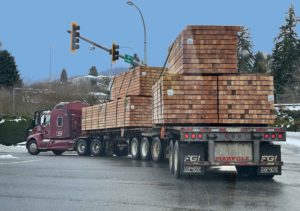 Ottawa will pay BC consultant Forest Economics Advisors LLC of Port Coquitlam, $84,000 to identify five countries that could buy more Canadian softwood lumber, nearly a year after Prime Minister Carney announced a $1.2 billion plan to diversify the industry away from the US market. …The consultant will be tasked with estimating how much Canadian lumber could realistically be sold in each prospective market and how quickly exports could grow. The study will also examine demand forecasts, international trade patterns and transportation costs. Natural Resources additionally wants the consultant to calculate how much money Canadian sawmills would have to spend retooling their facilities to manufacture products suitable for the identified markets. “The department is seeking a comprehensive analysis that identifies likely offshore growth markets for softwood lumber demand and evaluates Canada’s ability to compete in and sell to those markets,” said the contract notice. The final report is due Jan. 29.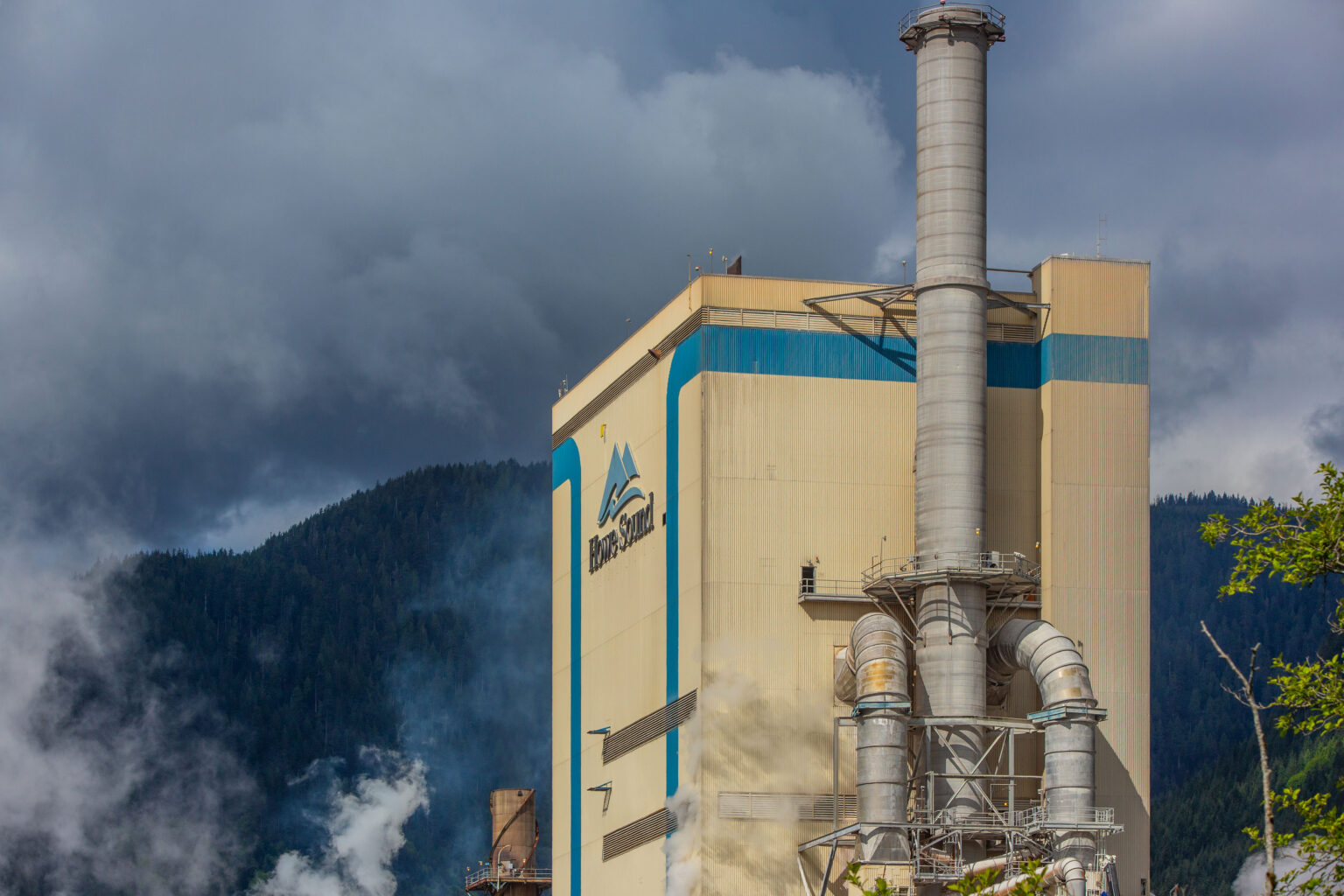

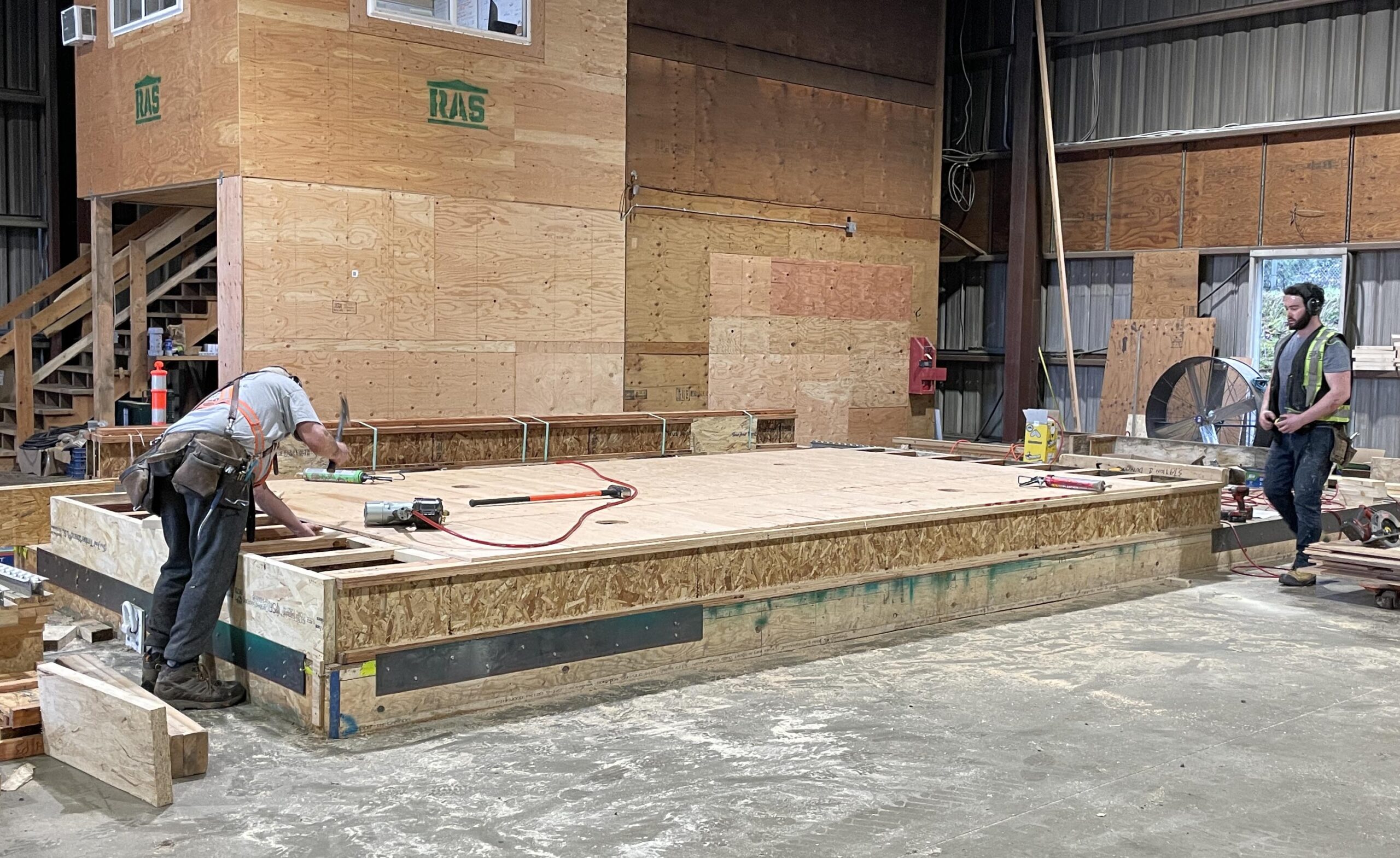 A Chemainus company is getting a $2-million boost from the province to expand its operations and create new jobs, amid punishing duties and tariffs from the U.S. Ron Anderson & Sons, which makes prefabricated wall systems, plans to diversify its product line to include prefabricated floors, roof panels and stairs for builders, creating about 35 new jobs. “With the US targeting our manufacturing industries, it has never been more important to help local businesses like Ron Anderson & Sons sell more of what they make here at home,” Adrian Dix, acting minister of jobs said Wednesday. Ron Anderson & Sons says it has already invested in advanced manufacturing equipment, hiring of 20 new employees. Jack Downing, CEO, said the government funding will help the company expand its capacity and invest in advanced automation. …Forests Minister Ravi Parmar said that amid “economic attacks” from the U.S., the province is unlocking the full value of BC wood.



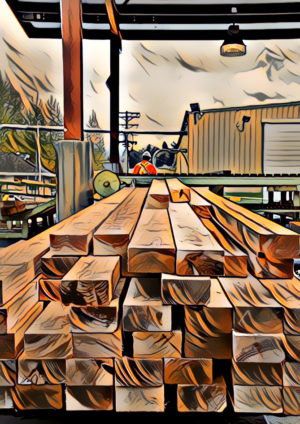 American sawmilling is adding capacity faster than it is using it, with 2.1 billion board feet due in the South by 2028, net of every closure already announced. That is according to Forisk, the forest industry consultancy, which tracks more than 2,350 North American mills and logged fifteen sawmill projects in the third quarter alone. “We searched for a buyer… for our mill in Montrose, Colorado,” president Jim Neiman said. Twain Lumber met the opposite condition in Virginia, buying a mill that had been idle since 2024. Twelve of the fifteen projects added capacity, and the three that took it out were all Canadian, with Canfor closing Fox Creek in Alberta for good and Western Forest Products holding Cowichan Bay in British Columbia down since May. Canadian producers have worked both sides of that trade for a decade, and West Fraser shut down 100 Mile House in British Columbia last year while expanding its Henderson facility in Texas.
 Washington businesses are bracing for the impact of Canadian tariffs on American goods. One of the state’s largest industries, lumber, is already feeling the pressure. One company says uncertainty over trade policy is raising the cost of imported materials, weakening demand, and making it harder to budget projects. Tariffs might be a short term thing, but the repercussions of them play out for years. Canada is Washington’s 2nd largest export market with more than $7 billion in goods shipped north of the border last year. Governor Bob Ferguson says exports have already topped $4 billion this year. [.5 min video]

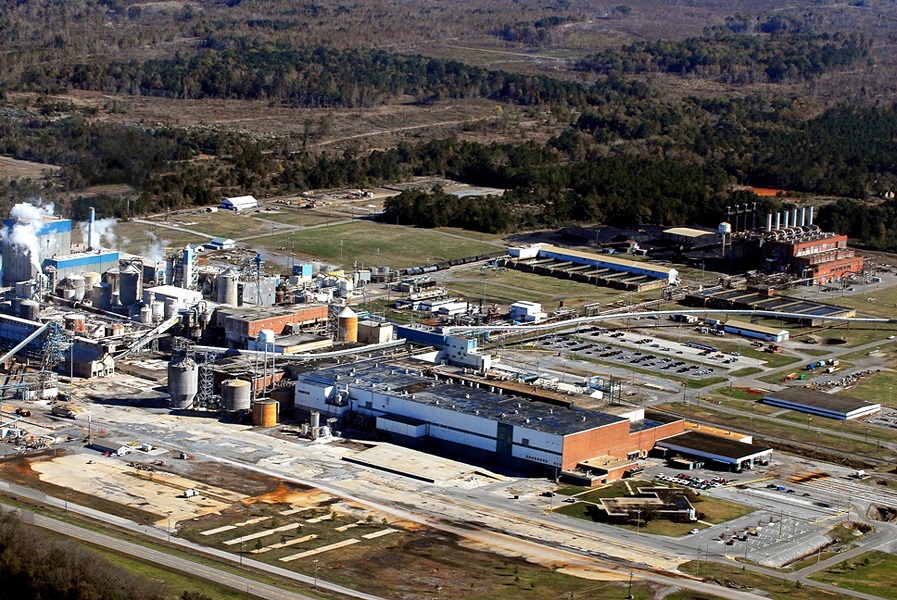


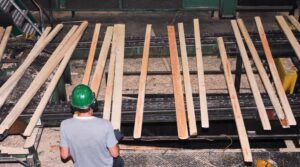 The Australian Government has announced a $150 million investment to support forestry industry growth, including funding aimed at transforming wood-product manufacturing and expanding domestic processing capabilities. Announced on 3 September, the funding will be delivered through five streams under the Forestry Growth Fund, with up to $85 million earmarked for large-scale investments in modern wood-product processing, value-adding and facilities designed to significantly transform manufacturing capabilities. A further $30 million will support innovation aimed at improving efficiency and productivity across the forestry supply chain, while up to $15 million will be allocated to workforce development. The government will also provide up to $15 million in additional support for plantation establishment to increase the supply of domestic forest resources for Australia’s manufacturing and construction needs. Another $5 million will fund tools to support compliance with illegal logging laws and reduce the risk of illegally logged or conflict timber entering supply chains.

 Consumer inflation held steady at 3% last month compared to a year earlier as higher rent and travel costs offset a slowdown in rising prices for gas and groceries. Statistics Canada says the annual rate of inflation was unchanged from July. The agency says gasoline costs continued to increase in August but at a slower pace, as the conflict in the Middle East continued to weigh on prices. Excluding gasoline, consumer prices rose 2.4% last month compared to a year earlier, up from 2.2% in July. …“Headline inflation remained elevated in August, but core measures continued to show only limited evidence that high energy prices are spilling over into wider inflationary pressure,” said CIBC economist Andrew Grantham. …“With the economic outlook clouded by U.S. tariffs and related uncertainty we think that the Bank of Canada should, and will, keep interest rates on hold in October meeting”.
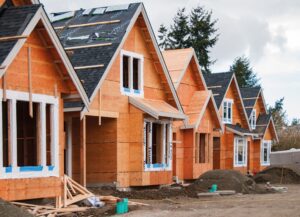 Canada needs to roughly double the rate that new homes are being built in order to restore housing affordability to pre-pandemic levels over the next decade, according to the Canada Mortgage and Housing Corporation (CMHC). The CMHC released its fall 2026 housing supply report on Thursday, which said Canada needs to build hundreds of thousands more homes annually in order to narrow a significant long-term supply gap, with some major markets struggling more than others. According to the report, Canada is currently on pace to build about 231,000 homes per year until 2036, but would need to build between 417,000 and 469,000 homes annually in order to narrow the housing supply gap and see home prices return to 2019 levels. A housing supply gap is the difference between the perceived demand for homes to rent or buy and the number of homes actually available in the market.
 Softwood roundwood supply has remained essentially flat since 2000 despite continued growth in overall roundwood production, and is forecast to increase by only about 0.5% annually through 2035. Demand for construction timber, packaging and biomass is expected to continue growing faster than supply. The result is a progressively tighter supply-demand balance, with increasing pressure on the availability and real prices of softwood logs. …North American softwood roundwood supply has declined by almost 20%, while Europe/Russia and the rest of the world have each increased by about 18%.
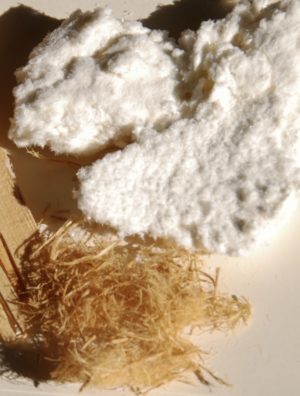 U.S. 50% duties on covered Canadian pulp and paper products meet Canada’s new tariffs of up to 50% on U.S. tissue, paper and dissolving pulp. …The flashpoint for pulp and paper came after the U.S. imposed additional duties under Section 338 of the Tariff Act of 1930 on covered Canadian goods, with the measures taking effect Aug. 22. Among the affected products are: Chemical bleached softwood pulp, including NBSK, a key strength fiber used in U.S. tissue and towel production, and Toilet or facial tissue stock” and other specified household and sanitary paper products used by U.S. converters. …The tariff shock is also affecting corporate planning. …The broader concern for tissue manufacturers is the potential combination of higher fiber costs, changing sourcing strategies and pressure on margins. …Competitive pressure could limit how much of the increase is passed through immediately, but prolonged tariffs could eventually put pressure on manufacturing costs, tissue prices and product economics.
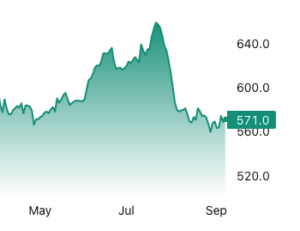 Lumber futures fell below $555 per thousand board feet, reaching its lowest level in nine months, as retaliatory tariffs from Canada on US goods took effect, weighing down demand. Ottawa had announced counter-tariffs of 25% on US lumber and 50% on Plywood following US tariffs on several lumber-related goods. US forestry groups have long accused Canada of distorting the market, as 94% of Canadian forestland is publicly owned compared to 58% privately owned in the US, allowing Canadian lumber to be sold at a lower price. The fallout is hitting the forest sector of both countries, as selling lumber prices went up immediately after the news, pushing demand lower. Fall is usually a time for renovations, however, elevated prices weighs on the sector. Meanwhile, US housing remains subdued, with lumber-intensive single-family construction spending falling 3.2% in July, while elevated mortgage rates continue to weigh on homeownership.
 Statistics Canada’s August Labour Force Survey showed British Columbia shed a net 5,500 positions last month, lifting the provincial unemployment rate to 6.5 per cent from 6.2 per cent in July. The result places B.C. 0.1 percentage points above the national average, even as Canada as a whole lost a net 42,000 jobs during the same period. Bryan Yu, chief economist at Central 1 Credit Union, attributed the losses to two sustained pressures: a prolonged absence of meaningful private-sector investment growth and a shrinking population as temporary residents depart following federal immigration policy changes. Educational services accounted for the steepest single-sector decline, with roughly 6,300 positions lost. …Construction and retail and wholesale trade each recorded significant losses as well, with the latter shedding approximately 3,800 jobs. …Natural resources lost 2,600 jobs provincially and continued to record the largest year-over-year contraction at 17.2%, driven by mill closures and curtailments across the province.

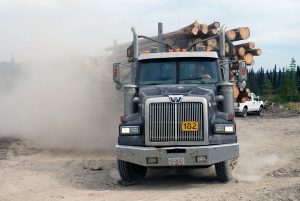 AAA says the national average for diesel reached an unprecedented $5.98 per gallon on September 10, a new high for a fuel whose effects stretch well beyond filling stations. The increase is likely to reach people who never purchase diesel directly, showing up instead in the cost of everyday items and in higher home-heating expenses. More broadly, diesel is a key fuel for trucks and ships, and Grist described how rising diesel costs can feed into the prices of essentials including groceries and lumber. Compared with late February, when the United States and Israel went to war with Iran, AAA figures show diesel prices are about $2.31 higher. Grist also noted that the last major high point came in 2022, when Russia’s invasion of Ukraine helped send diesel to $5.82 per gallon. David Ortega at Michigan State University, explained how these increases typically move through the economy.
 WASHINGTON — U.S. inflation accelerated last month as gas prices spiked in the wake of renewed fighting in the Middle East, underscoring the affordability challenges that are top of mind for many voters with midterm elections now just seven weeks away. The consumer price index rose 3.4% last month compared with a year ago, the Labor Department said Friday, the same as in July. But on a monthly basis, inflation quickened, as costs jumped 0.4% from July to August, up from an increase of just 0.1% the previous month. The figures show that inflation remains stubbornly elevated, more than five years after prices first soared as the economy emerged from the COVID pandemic. Persistent inflation has presented a major challenge for the inflation-fighters at the Federal Reserve. …The larger-than-expected monthly increase in core prices will likely embolden those Fed officials who have pushed for the central bank to lift its benchmark interest rate.




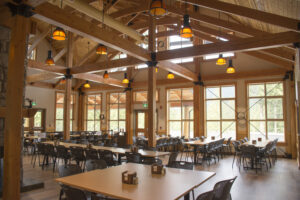 SEATTLE — Architect Susan Jones says …“For most of the 20th century, the architecture community has been separated from the origins of the materials we build with”. …Jones, along with a growing chorus of architects, engineers and forestry experts in Seattle and beyond, believes building with wood is better for our cities, and for our forests. …Mass timber buildings offer a more sustainable path forward. Steel and concrete release large amounts of greenhouse gases. …Erica Spiritos at the
  SOUTH BEND, Indiana — A massive fire early this morning in downtown South Bend, bringing in a ton of resources. The flames engulfing what had already been built at Stadium Flats apartments, hours before a groundbreaking ceremony was set to take place. …Assistant fire chief Derek Erquhart said the amount of wood at the construction site helped feed the flames. “It was type 5 wood frame construction, so a lot of lumber. The heat was very intense, is what the firefighters were dealing with when they arrived, and considering the conditions on arrival… that building that was under construction essentially a loss, and our priority was protecting the structures around there,” said SBFD Assistant Chief Derek Erquhart. …Stadium Flats is owned by Real America. …The company’s president telling ABC57 he’s grateful for the first responders, and also that the building process wasn’t further along.
 AkzoNobel is marking World Green Building Week with the launch of ‘The case for wood in more sustainable buildings’, a
 When the European Union’s new anti-deforestation law threatened to expose the environmental costs of logging in North America’s forests, the American paper industry, supported by the U.S. government, mobilized an intense lobbying effort to weaken the legislation. According to lobbying disclosures, the American Forest & Paper Association (AF&PA), have spent nearly $11 million dollars on lobbying efforts since 2023, including on the European Union Deforestation Regulation (EUDR). …At stake is relations with a major trading partner. The U.S. exported $879.7 million worth of forest products to the EU in 2025, according to the USDA. It’s not just U.S. officials pushing to weaken the regulation. Canadian industry group Forest Products Association of Canada (FPAC) and Canadian officials have also been outspoken against the rules. …More recently, FPAC and the AF&PA released a joint statement this year — along with the Australian Forest Products Association, the Japan Paper Association, and the New Zealand Forest Owners Association — requesting reduced oversight in low-deforestation-risk countries.
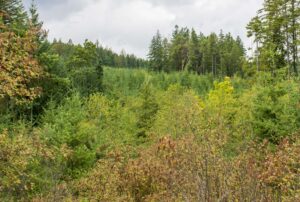 BC Timber Sales (BCTS) is holding an open house in Spallumcheen next week regarding its controversial proposal to harvest trees on Mount Rose Swanson, a popular recreation area in the community. The open house will take place at the Township of Spallumcheen Municipal Hall Thursday, Sept. 10. …The provincial agency that manages 20% of BC’s public timber harvest is proposing a new cut block and road development in its Rose Swanson operating area, located within the Okanagan-Shuswap natural resource districts. The planned timber licence would cover 35.7 hectares, spread over 15 smaller patches ranging from one to 4.3-ha openings. About 14,500 cubic metres of timber would be harvested, with an estimated 95 per cent of the areas’ deciduous aspen and cottonwood trees left standing. …The proposed cut block and logging road has drawn criticism since it was made public several years ago. …An online petition to halt logging on the mountain received 24,000 signatures.
 CAPE BRETON, Nova Scotia — The ultimate goal of government negotiations with Mi’kmaw leaders is a fair and just settlement of outstanding land claims. That shared objective is the foundation upon which reconciliation must be built. Yet today, the province’s embrace of clear-cutting on contested Crown land is systematically undermining that very goal — turning potential partners into adversaries and turning forests into bargaining chips that will no longer exist when the real talks begin. For weeks, Mi’kmaw land protectors maintained a checkpoint at Hunter’s Mountain in Unama’ki (Cape Breton), standing firm against clear-cutting on land they consider sacred. Their protest is about more than trees. It is about treaty rights, reconciliation, and the future of fair land claim settlements. Premier Tim Houston’s government passed the Protecting Nova Scotians Act, which criminalizes blocking forest access roads. …The choice is clear: stop clear-cutting or jeopardize any hope of a fair settlement.
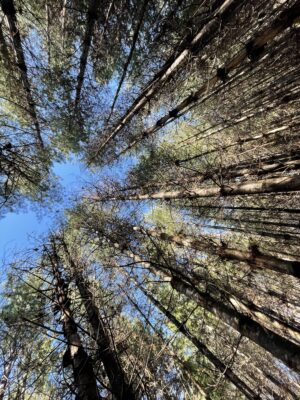 Two Minnesota research facilities facing possible closure will stay open, according to the U.S. Forest Service. The facilities, located in Ely and Grand Rapids, conduct research ranging from climate change to the environment’s effect on people. The sites were among 57 facilities the Forest Service began evaluating for closure this March. On Sept. 3, officials announced that 23 of those sites would cease operations. The Minnesota locations were not among them. A research facility in St. Paul that was not included in the list will also remain open. …The U.S. Forest Service announced this March that Minnesota facilities could close as part of a “sweeping restructuring” of the agency. September’s announcement clarifies that research facilities with “little to no staffing” will shutter and any affected staffers would move to nearby sites.
 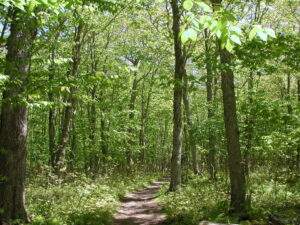 After a long journey towards implementation, the controversial European Union Deforestation Regulation (EUDR) will become law on December 30, 2026, for large operators in the EU, and on June 30, 2027, for smaller operators. When it finally does, the likes of White Oak, Red Oak, Ash, and Walnut from the US will continue flowing into the European market without major hold-ups, thanks largely to the latest tweaks made to the American Hardwood Export Council (AHEC)’s free compliance platform. “I’m very confident in saying that we are 100 percent EUDR compliant,” AHEC’s Tripp Pryor told HMR/Fastmarkets about the American Hardwood Assured (AHA) platform. …Last year saw AHEC make additional changes to ensure full compliance with the European Commission’s specifications around geo-coordinates and harvest sourcing. …Recent tweaks have incorporated preparatory AI to upload US Forest Service data and identify individual harvest sites within counties. “This is a natural fit for using an AI system,” Pryor said.
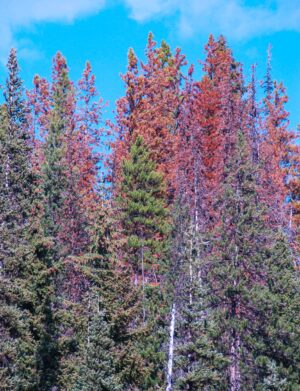 UNIVERSITY of UTAH — A satellite instrument built to track air pollution has turned out to be a useful early-warning sensor for dying forests. In work covered on 13 September 2026 by Scienmag and published earlier that month by the
 A Thurston County, Washington, judge stayed a rule requiring larger riparian buffers on Western Washington timberland, putting on hold a regulation that would take 200,000 acres out of production. Superior Court Judge Christine Schaller on Sept. 3 granted a motion by two timber groups to stay the rule while they challenged the bigger buffers in the Court of Appeals Division II. The timber groups argue the expanded buffers will have negligible environmental benefits, while causing financial hardship to timberland owners and rural economies. …Schaller in August upheld the bigger buffers, saying she found no grounds to overrule the Forest Practices Board. The judge, however, acknowledged that the larger buffers will cause financial hardship and that the appeals court will review her decision. …The board adopted the bigger buffers in a 7-5 vote last year. The Washington Forest Protection Association and Washington Farm Forestry Association are challenging the buffers.
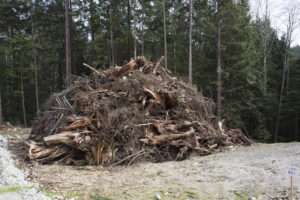 ISLAMABAD — A surge in Indonesia’s wood pellet and chip production is driving a new wave of deforestation, threatening the vast archipelago’s remaining tropical forests, vital biodiversity hot spots and the land of Indigenous peoples, according to new satellite analysis from environmental nongovernmental organizations. …“The biomass industry has become a new driver of deforestation in Indonesia,” said Timer Manurung, of Indonesia-based organization Auriga Nusantara. “And most of the biomass product is for export, with Japan as the biggest destination.” As Japan’s demand for Indonesian wood pellets skyrockets in an effort to meet its own renewable energy goals, critics say continued subsidies and weak oversight of the supply chain are likely to allow continued razing of pristine Indonesian forests. …Environmentalists and scientists warn that continued rise in international demand coupled with weak domestic regulation will continue to accelerate deforestation.
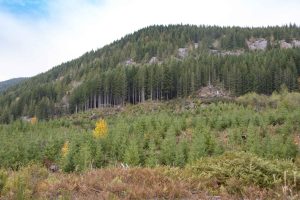 Europe’s forest-based industries are entering a critical phase as policymakers seek to accelerate the bioeconomy while forests face growing pressures from climate change, natural disturbances and rising demand for wood-based resources. Against this backdrop, CEI-Bois and the European Organisation of the Sawmill Industry (EOS) held discussions with Sweden’s largest forest owner (Sveaskog), on the future of Europe’s woodworking, sawmilling and forest-based bioeconomy. The meeting focused on the current position and future prospects of Europe’s woodworking and sawmill industries. Discussions covered the opportunities presented by the upcoming EU Bioeconomy Strategy, competitiveness challenges and the growing influence of EU sustainability and product-related legislation on forest-based businesses. A central message was that Europe’s bioeconomy ambitions will require a policy environment that recognises the diversity of regional forest resources and forest-based value chains. At the same time, Europe needs healthy, productive forests capable of providing raw materials while allowing industries to remain competitive.
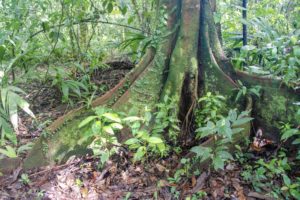 CLARENCE TOWN, Australia — Australian firefighters say they are on alert as temperatures in the southern hemisphere begin to pick up, following a devastating fire season in Europe. Australia is already experiencing a strong El Nino weather event that typically brings with it hotter, drier weather, and an increased risk of wildfires. “We’re concerned this year that we’ll see increased fire risk (versus) prior years,” said Trent Curtin, head of the New South Wales Rural Fire Service, the world’s largest volunteer firefighting force. Large parts of Europe, the world’s fastest-warming continent, endured sweltering summers, leaving vegetation tinder-dry and fuelling severe wildfires. …Australia has a long history of fighting wildfires, including the 2019 to 2020 Black Summer blazes that destroyed an area the size of Turkey and killed 33 people. …“For this year we’re alert but not alarmed,” said Alex Capararo, a sector commander for the Forestry Corporation of New South Wales.
 As Canada confronts a trade war with the US, climate action risks becoming collateral damage. But the same economic shock could also allow Canada an opportunity to rethink its energy future. This tension was at the centre of Canada’s National Observer’s
 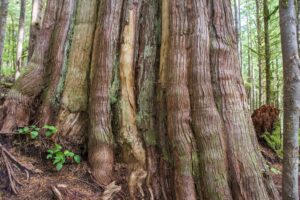 With the impacts of climate change being felt across the globe, forests are under pressure as never before. While agriculture is the main driver of permanent deforestation, wildfires contributed 30% of tree cover loss and logging accounted for a 25% loss, according to WRI. This loss may be temporary, but forests can take decades to recover and may never return to full health. …Five years after countries pledged to halt and reverse forest loss by 2030, there has been scant progress. And demand for timber, which is expected to grow 37% by 2050, could rise even higher if more wood is used for construction – a climate solution to replace high-carbon steel and cement. The most ambitious regulatory solution on offer is the EU’s deforestation regulation (EUDR), which will come into effect at the end of this year. …Supply chain leakage risks pushing illegal timber into less regulated markets. …Just 11% of timber firms can prove 90% of sourcing is deforestation-free.