
US lumber tariffs have reached unprecedented levels, and Canadian layoffs are looming east to west. In related news: Minister Joly says relief is coming; chaos reigns at New Brunswick-Maine border; and US cabinetmakers look for a silver lining. In other Business news: West Fraser Cochrane’s permit sparks debate; Mississippi allows Drax to boost emissions; Canadian housing starts rebound; and FPAC says we should build more Canadian homes with Canadian wood.
In Forestry/Climate news: the UN says CO2 levels hit record high last year; a youth activist climate lawsuit in Montana is dismissed; electric power could help North Carolina’s paper mills; a Saskatchewan MLA says burnt lands need to be reforested; and Parks Canada is logging near Banff to reduce fire risk. Meanwhile, the US Endowment administers $5M in wood innovation grants; and the 2025 Australian Timber Design Award winners are announced.
Finally, a new report says the Mass Timber Tipping Point is closer than you think.
Kelly McCloskey, Tree Frog News Editor
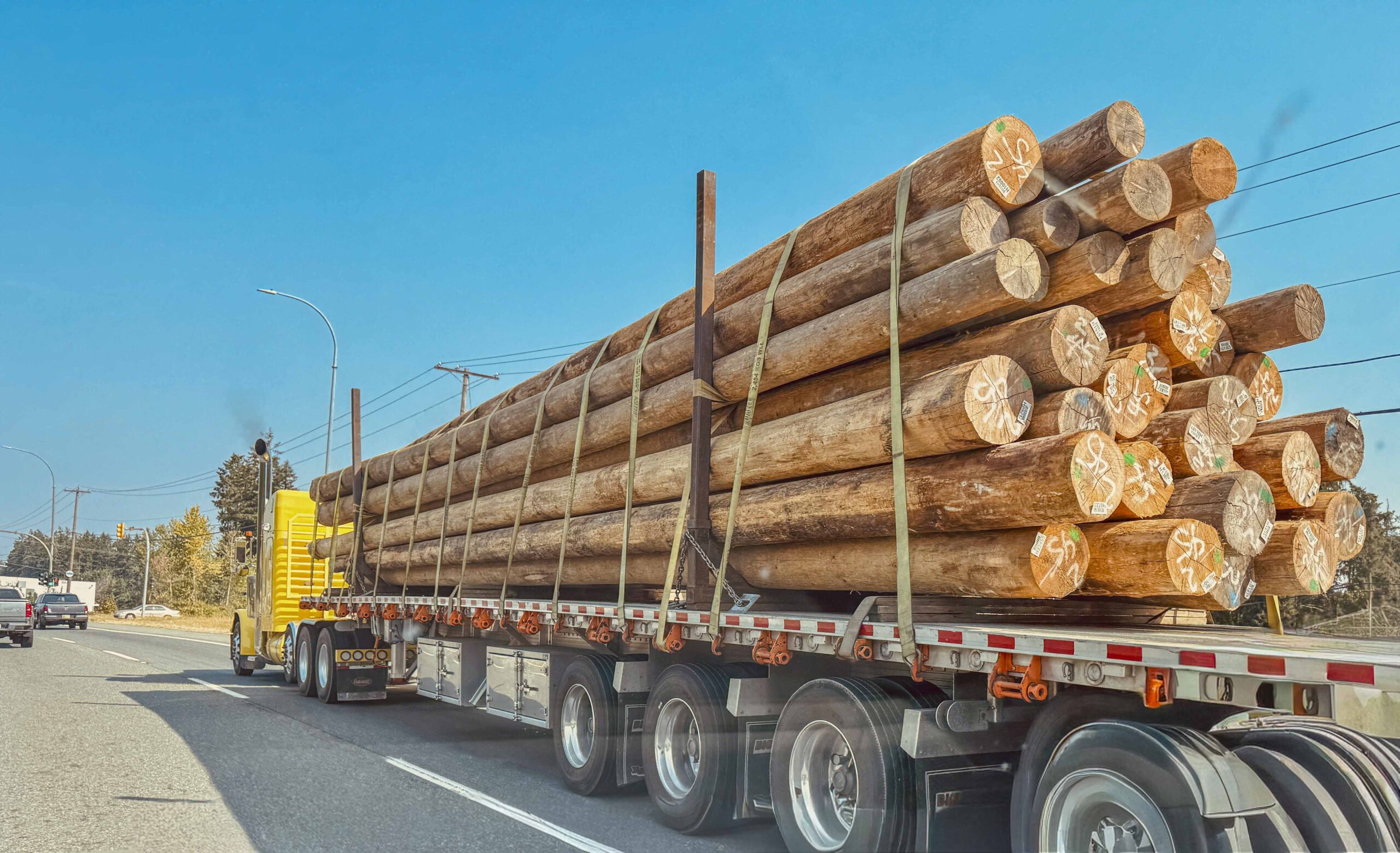
 The Forest Products Association of Canada (FPAC) is extremely frustrated and deeply concerned by the U.S. government’s decision to impose Section 232 tariffs on Canadian softwood lumber and derivative products. These unjustified measures, which take effect today, threaten the livelihoods of more than 200,000 Canadians and the stability of hundreds of towns and cities that rely on a strong forest sector. “For eight years, forest workers and communities across Canada have borne the brunt of increasing duties—now exceeding 45 percent with the addition of these new tariffs,” said Derek Nighbor, President and CEO of FPAC. “These are punitive, protectionist measures with no basis in fact. They ignore decades of evidence that Canadian lumber strengthens, rather than threatens, U.S. national security and economic resilience.” Targeting responsibly managed, sustainably sourced Canadian wood products under the pretense of national security is both unjustified and deeply damaging. These actions undermine one of the most integrated, mutually beneficial trade relationships in the world, increasing costs for American families and homebuilders while jeopardising Canadian mills and workers.


 From October 14, wooden furniture exported to the United States will continue to be subject to a new import tariff of up to 25 percent. This has come as a “shock” at a time when enterprises are accelerating production, raising concerns over the feasibility of maintaining Vietnam’s 2025 wood export targets. In the long term, aside from adapting to frequently changing tariff policies, enterprises in the wood industry are working to improve product quality. Expanding markets and building the Vietnamese wood brand are considered key solutions for the sector’s sustainable development. On September 29, U.S. President Donald Trump signed a decree imposing a 25 percent tariff on wooden furniture, effective from October 14. The tariff rate may increase to 50 percent for dressing tables and kitchen cabinets, and 30 percent for upholstered products early next year. This move is regarded as a “shock” to Vietnam’s wood industry.
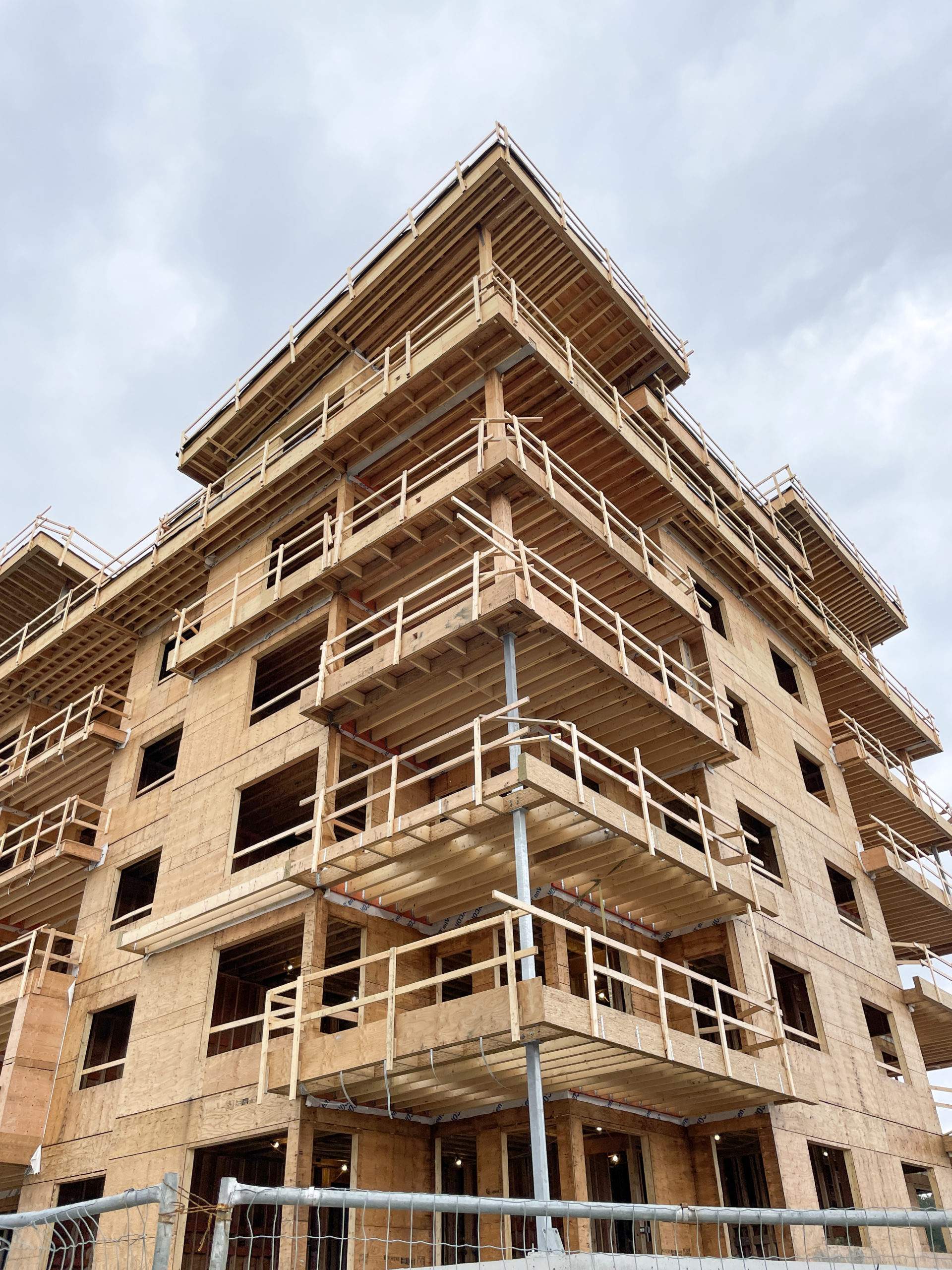 Canada is facing a housing crisis of historic proportions. With affordability slipping out of reach for millions and supply lagging far behind demand, we need bold, scalable and sustainable solutions. The federal government’s Build Canada Homes initiative is a promising start and an opportunity to scale up the use of Canadian wood in building construction.
  The October newsletter includes these headlines and more:


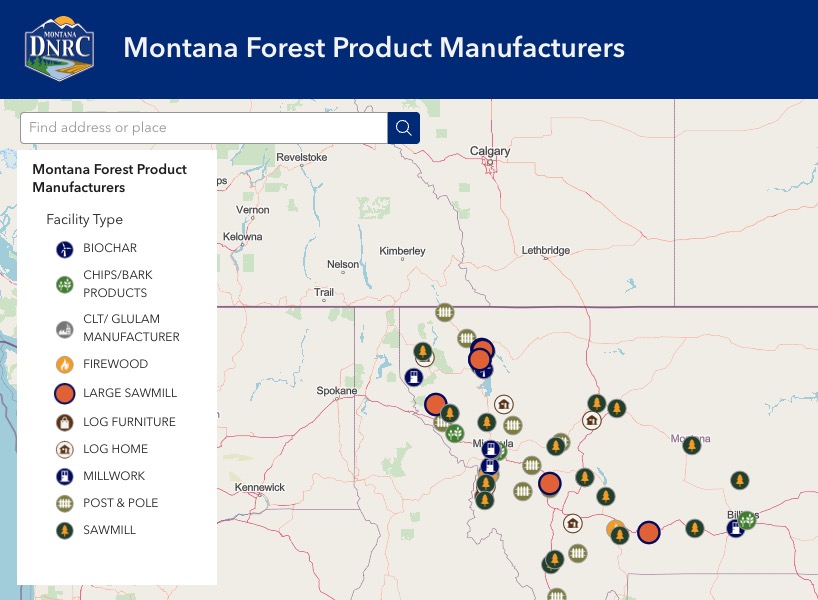 HELENA, Mont. — The Montana Department of Natural Resources and Conservation (DNRC) has launched an online interactive map showing forest product manufacturers across the state. The new tool helps landowners, contractors, and community members locate nearby mills and connect with partners for forest management and wood processing projects. Each facility listing includes details such as product types, wood species used, and company size, with direct links to their websites. “Beyond helping Montanans find nearby mills, the map highlights manufacturing capacity that supports forest restoration, fuels reduction, and local jobs,” said Marc Vessar, DNRC forest practices program manager.
 Several parliamentarians, key industry players and alternative materials start-ups in hemp, engineered bamboo and engineered timber attended an event designed to focus a spotlight on the new world of possibilities in building materials. The WWF and Forest Alliance NSW event was intended to showcase sustainable alternatives to timber products …with the protection of the proposed Great Koala National Park at the centre of conversations. The event was further by the Parliamentary Friends of Forests. Attending as exhibitors were House of Bamboo, Hemp Inside, Bamboo Society Australia, Australian Hemp Council, iHempNSW, BVN Architecture and betti & knutt. While XLAM … was originally on the list of presenters, an industry source says the pressure from forestry sources had forced the company to pull out. …Susie Russell was particularly inspired by House of Bamboo, realizing that similar products to timber can be made from bamboo, which only takes five years to grow.


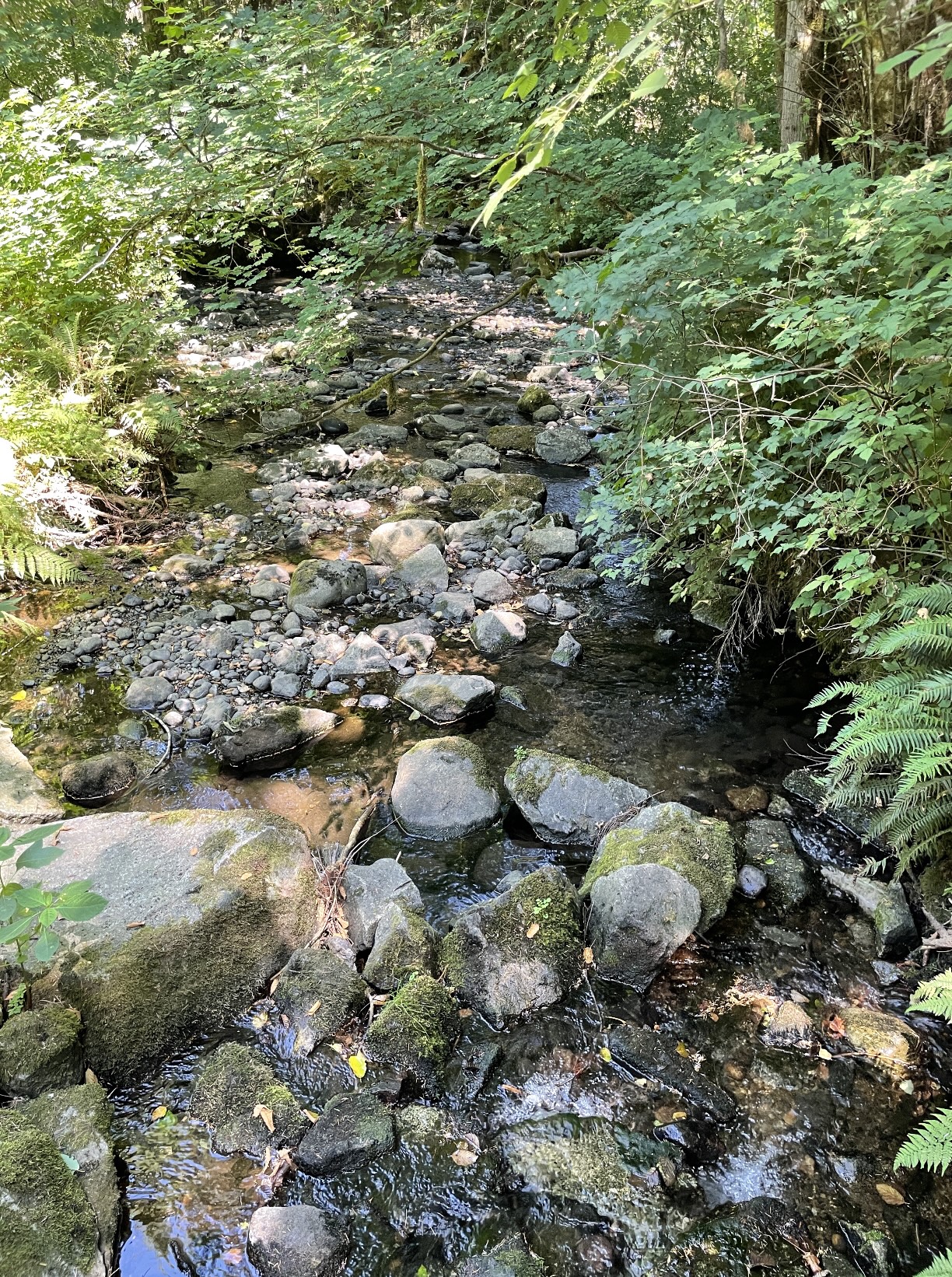 Environmental advocates and industry officials are divided over whether new logging plans in the Upper Highwood River watershed will provide sufficient protection for the threatened Bull Trout population. West Fraser Cochrane recently obtained Fisheries and Oceans Canada (DFO) authorization under the Fisheries Act and sections 73 and 74 of the Species at Risk Act (SARA) to install 14 temporary crossings for timber harvesting. The company says it is balancing responsible resource use with habitat conservation. “We understand how important it is to protect bull trout and Westslope cutthroat trout habitat in the Highwood– and share that priority,” said West Fraser Cochrane. “…we will monitor conditions before and after harvest to help inform responsible stewardship.” …Both environmental advocates and West Fraser agree on one point: safeguarding the Bull Trout and its habitat is a critical challenge. The question is whether the mitigation steps currently underway will prove sufficient to ensure the species’ long-term survival.
 Local residents are invited to share their input on the development of the West Central Vancouver Island (WCVI) Forest Landscape Plan (FLP), which will guide long-term forest management in the area. …People can share their thoughts through a short survey, open from Wednesday, Oct. 15 until Dec. 15, 2025, or attend an open house in a nearby community. Four in-person open-house engagement sessions are planned so people can learn more about forest landscape planning and comment on the development of the plan in Zeballos, Gold River, Tahsis and Campbell River. FLPs are co-developed with First Nations, with input from communities, subject-matter experts and forest licensees. The WCVI FLP is being developed with the Mowachaht/Muchatlaht First Nation, Ka:yu:’k’t’h’/Che:k’tles7et’h’ First Nations and Ehattesaht Chinehkint First Nation.
 At the Kelsey Bay log sort near the town of Sayward, B.C., pulverized cedar bark [is] evidence of the millions of trees that departed from here, never to return. “We’ve seen our territories decimated,” Wei Wai Kum Chief Christopher Roberts explains. Behind him, five freshly cut, old-growth cedars line the warming pavement. These trees, Roberts says, help explain why the nation is here today. …nations are claiming sizable stakes in an industry that has long excluded them. Wei Wai Kum is one of four First Nations to purchase a $36-million stake in La-kwa sa mukw Forestry Partnership, a joint operation with logging company Western Forest Products Ltd. Their partnership came after companies agreed to leave canoe-carving trees in their communities. A sign, for Roberts, that the industry was willing to change. …Now … First Nations’ tenure opportunities have exploded as B.C.’s biggest forest companies sell off major parts of their long-held licences.
  Maple Ridge’s greenery is being recognized and awarded on a national scale. Malcolm Knapp Research Forest is one of two forests operated by the University of B.C. (UBC) that was recently acknowledged with a Canadian Institute of Forestry – Canadian Forest Management Group Achievement Award. …The award recognizes outstanding achievements by teams of managers in the field of natural resource management in Canada, and the local forest was praised for its “pivotal role” in advancing forest education, research, and management across B.C. and beyond, explained Helene Marcoux, local research forest director who was on hand for the recent awards presentation. …Through the coordination of more than 1,400 research projects and the delivery of experiential learning programs to thousands of students and professionals, the research forests have significantly shaped forest policy, sustainable management practices, and public understanding of forestry, said presenters of the national awards.



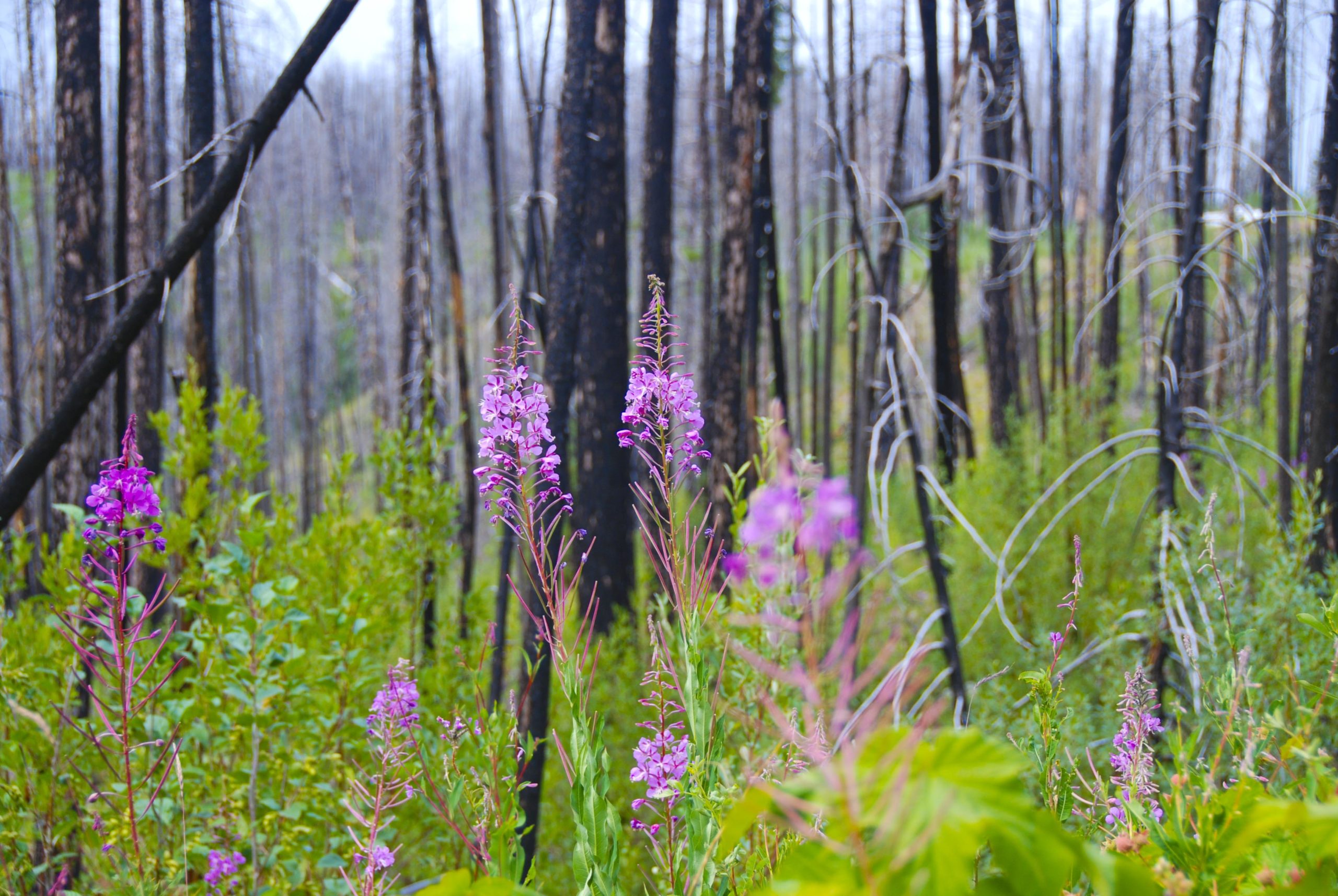 Wildfire is part of the natural lifecycle of a forest; but as Manitoba continues to battle the embers of its most devastating fire season in more than 30 years, its leaders are starting to consider a more active role in managing this critical resource to stave off the flames. In early October, as more than 70 wildland fires still smouldered across the province, Premier Wab Kinew and a handful of cabinet ministers released Manitoba’s first all-encompassing plan to slash carbon emissions in the next 25 years. Among the promised initiatives was a
  NANAIMO, B.C. – Mosaic Forest Management addressed community concerns about alternative road access following an incident on October 5th that halted safety work at the Bamfield Main Road worksite. The Ministry of Transportation and Transit has assumed control of the Bamfield Main Road repairs under Section 8 of the Transportation Act, with Mosaic providing technical support. The project is targeted for completion by month’s end. The Brenner Main/Museum Main corridor … remains restricted to limited Mosaic crews and one industrial user with pre-existing access. …“We understand people are frustrated seeing what appears to be a drivable road,” said D’Arcy Henderson, Senior Vice President, Timberlands and Chief Operating Officer. “But we’ve identified dangerous trees and boulders that could fall at any time. Making the Brenner corridor safe for public use would require the same weeks of intensive work currently underway on Bamfield Main. We cannot split our resources and double the timeline.”
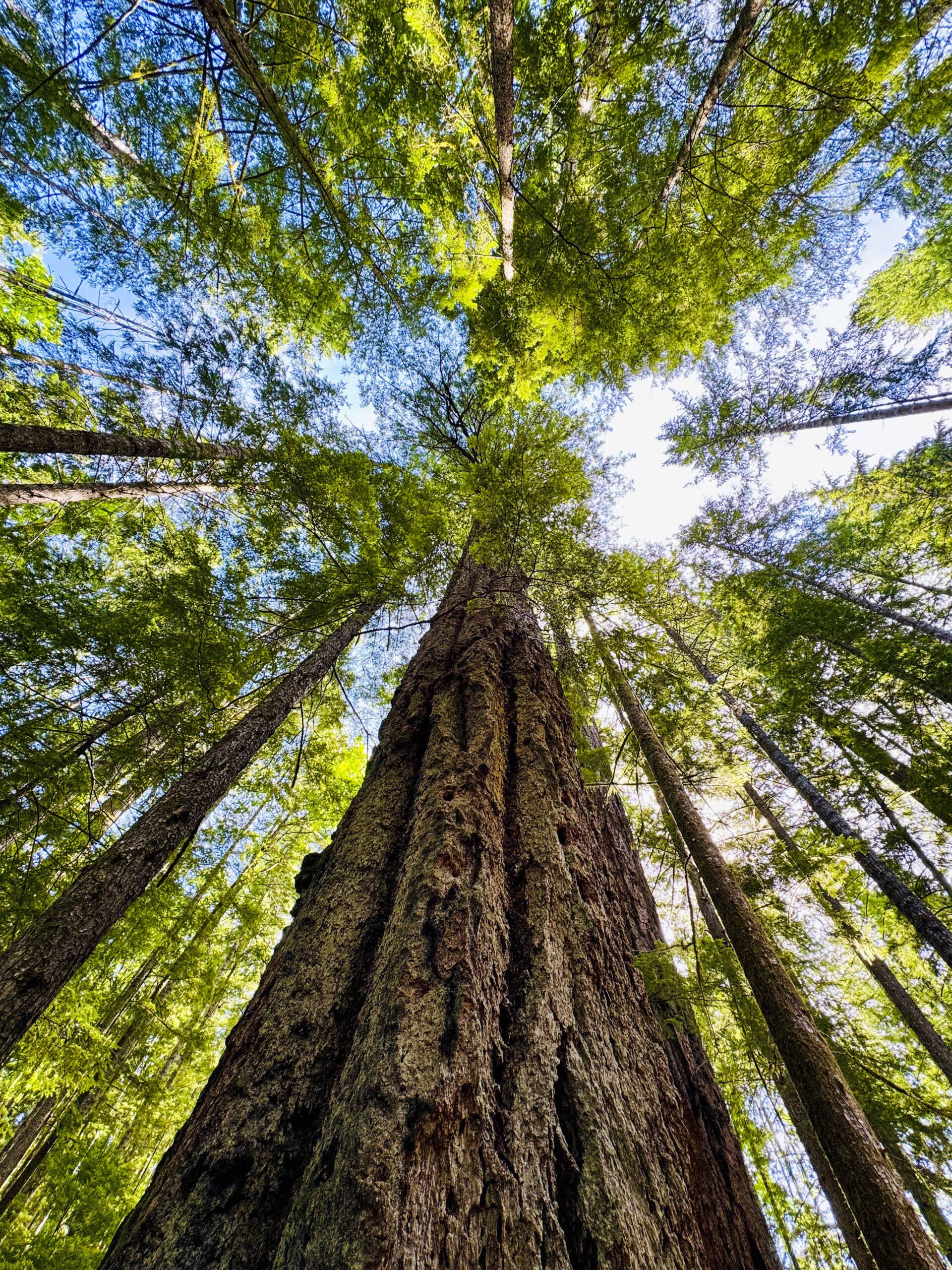 Last week, the Wildwood Ecoforest, located in Yellow Point just north of Ladysmith, got considerably closer to its original size. A successful campaign to raise $850,000 has allowed the


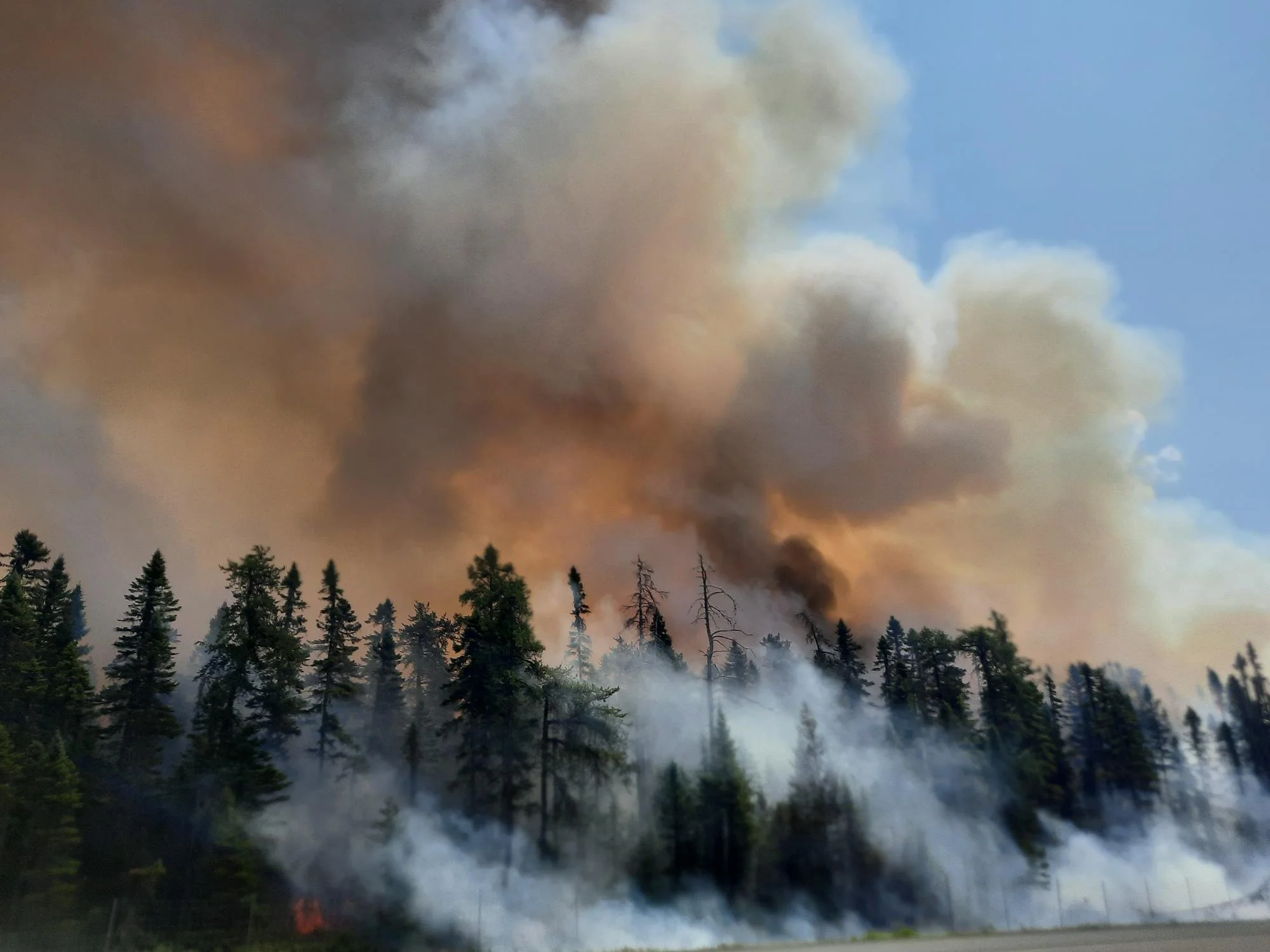
 Western Colorado — Communities across the Western Slope need scientifically sound, effective action that actually helps protect our forests and communities. That’s why so many of us are paying attention to the Fix Our Forests Act, now moving through Congress. …The Act leans heavily on boosting logging, and yes, thinning trees in the right places can improve forest health. The problem is that an agenda driven by timber harvesting often causes companies to cut the largest-diameter trees to meet timber quotas set by Washington, D.C. Instead, restoration forestry is the science-backed solution that we really need. …There are real solutions to today’s forestry challenges. …We have the tools – they just need more funding and staff to do the job. …I urge our senators to do all they can to improve the bill before final passage, keeping the public at the table, as they the most to lose if we don’t get this right.

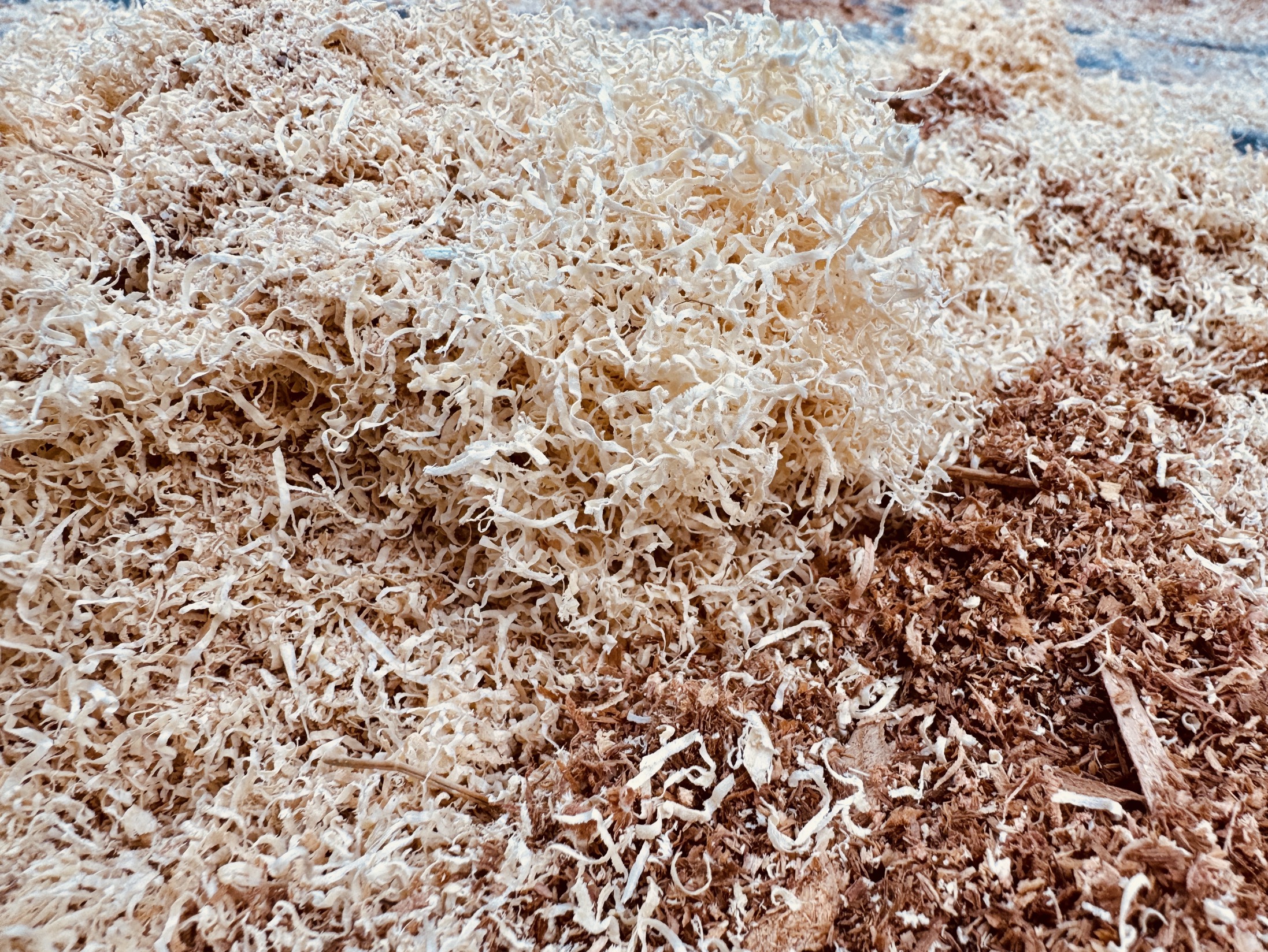 A study finds that replacing natural gas with electric and biomass power, along with improved energy efficiency, could help some pulp and paper mills reach zero net emissions. Researchers began with a simulation of mills defined by two characteristics: whether they used virgin or recycled fibers, and whether they were integrated or not. A virgin mill creates pulp and paper from fresh wood… while a recycled fiber mill re-uses fibers which may have been previously processed. A mill is considered integrated if it has the capability to turn wood and other biomass into pulp and paper on site, whereas a non-integrated mill uses pulp produced and dried off site. …The final strategy researchers analyzed was the use of low-carbon alternatives, like using waste wood in boilers instead of fossil fuels. The effectiveness changed depending on whether or not the mill was integrated, but all types saw reductions in greenhouse gas emissions.
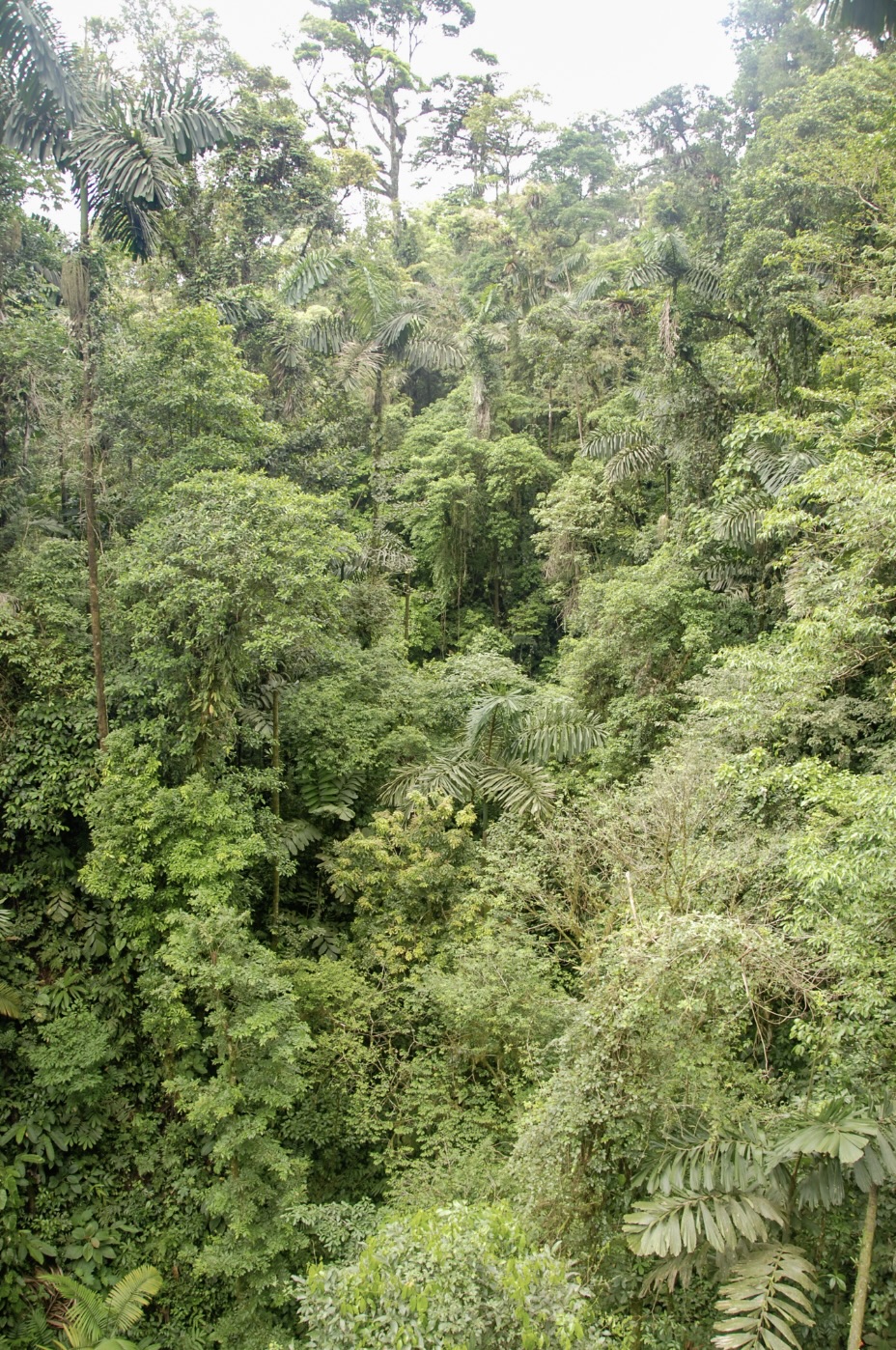 Woody trunks and branches of trees in the wet tropical rainforests of Queensland are losing their ability to absorb excess carbon dioxide. That’s according to an analysis of 49 years’ worth of data,
 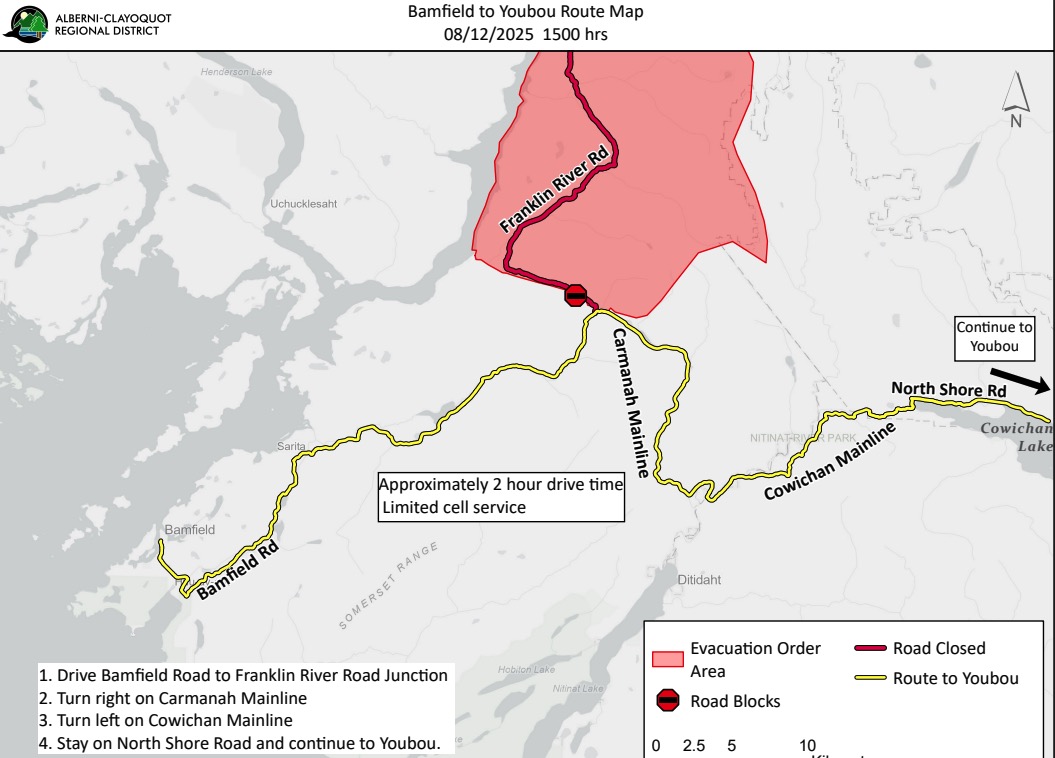 Since Aug. 11, the Bamfield Main Road has been closed. …When the Mount Underwood wildfire broke out, that road had to be closed because of a blaze raging nearby. …Bamfield-area residents have to travel more than four hours to get to Port Alberni. …Another point of frustration for the people on the other side of the closure is the existence of a logging road owned by Mosaic Forest Management, a section of that road goes around the Bamfield Main Road closure. Harrison said she and a small group of other people drove the road to check it out. …”The Youbou Road is 100 times worse than that little 20-minute bypass road,” claimed resident Sherry Harrison. …The ministry said the road owned by Mosaic is private and public use is up to the discretion of the company, but added those logging roads were not built and are not maintained for public use.