 President Trump announced 50% tariffs on all kitchen cabinets and bathroom vanities, citing national security reasons . In other Business news: Canada seeks trade diversification with Indonesia; Roseburg Forest Products ceases hardwood plywood production; and Interfor announces share plan to reduce debt. Meanwhile: Vaughn Palmer opines on BC’s Timber Sale promises; BC lumber takes another hit; the Softwood Lumber Board’s incremental demand goals; and US GDP rebounds while mortgage rates trend down.
In Forestry/Climate news: 34 nations launch forest finance blueprint at New York Climate Week; Canada supports global reforestation efforts; researchers study the tradeoffs between storing and burning forest carbon; and BC’s Dragon Mountain Park is at risk without wildfire mitigation. Meanwhile: Tim O’Hara says the US H-2B Visa program is critical for US reforestation needs; staff shortages pull US Forest Service workers into fire roles; US funding cuts impact cross-border conservation efforts; and a judge pauses logging in Hoosier National Forest.
Finally, Alice Palmer on why anti-dumping duties make no sense in commodity markets.
Kelly McCloskey, Tree Frog News Editor

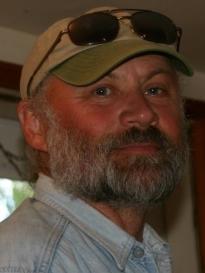
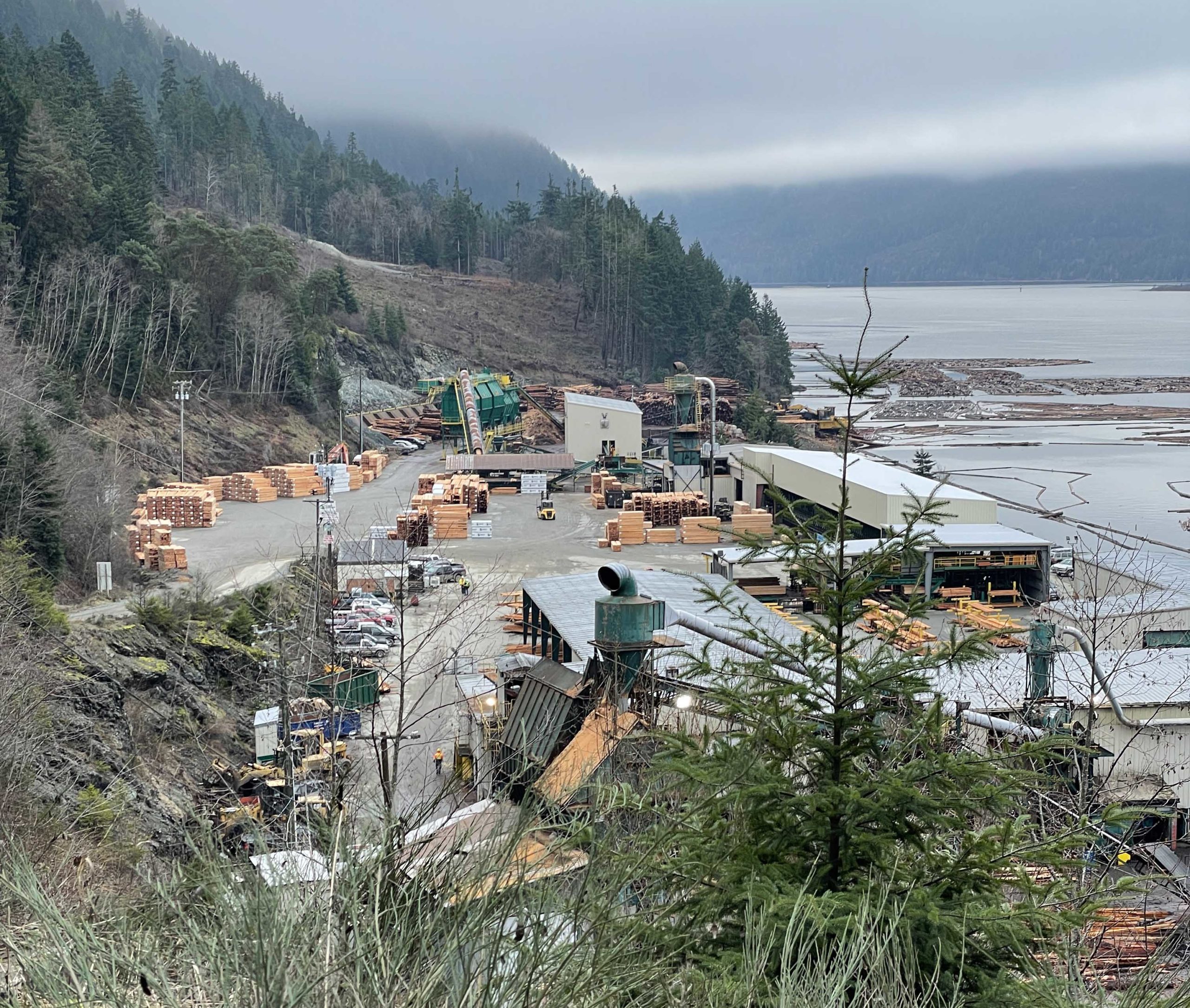 The new owners of the Coulson Manufacturing Mill (formerly operated by the San Group) say they are anxious to get the mill back up and running after purchasing the Port Alberni facility in a court-approved sale in June of this year. The mill will act as a stand-alone operation named Coulson Sawmills and will be managed by Jovan and Ajit Gill, but are connected at arms length with Fraserview Cedar on the Lower Mainland. “This is the next generation of Gills that have bought this and their plan is to go up there and get their own relationship,” says Fraserview Chief Executive Officer Gary Gill. Plans are to get the operation going near the beginning of November but the company’s first priority is to build up a long-term log deck so that the mill can run continuously with a healthy supply of logs. That’s a problem that Gary Gill says is facing other mills as well.

 The SLB’s Board of Directors has approved a


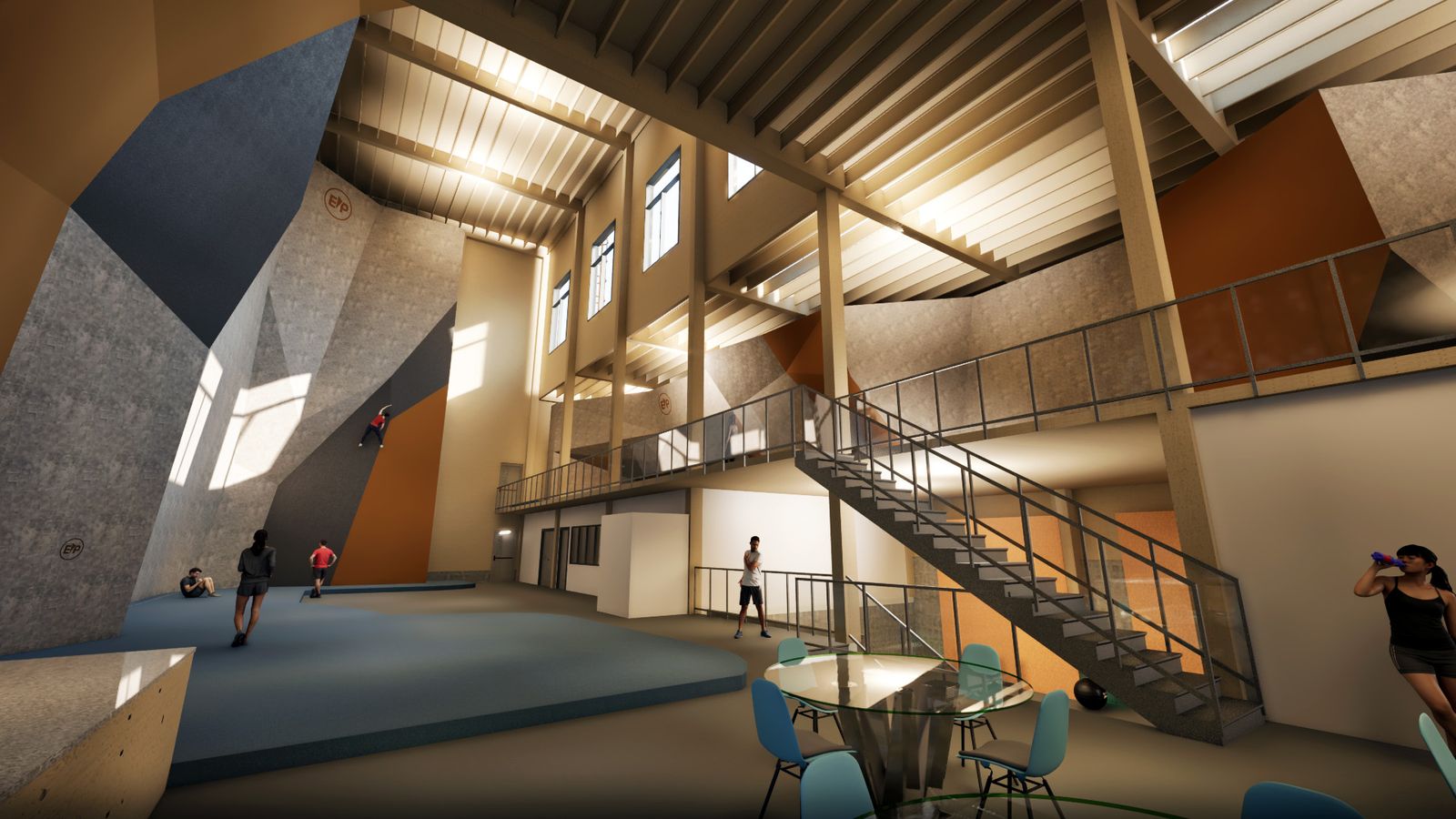
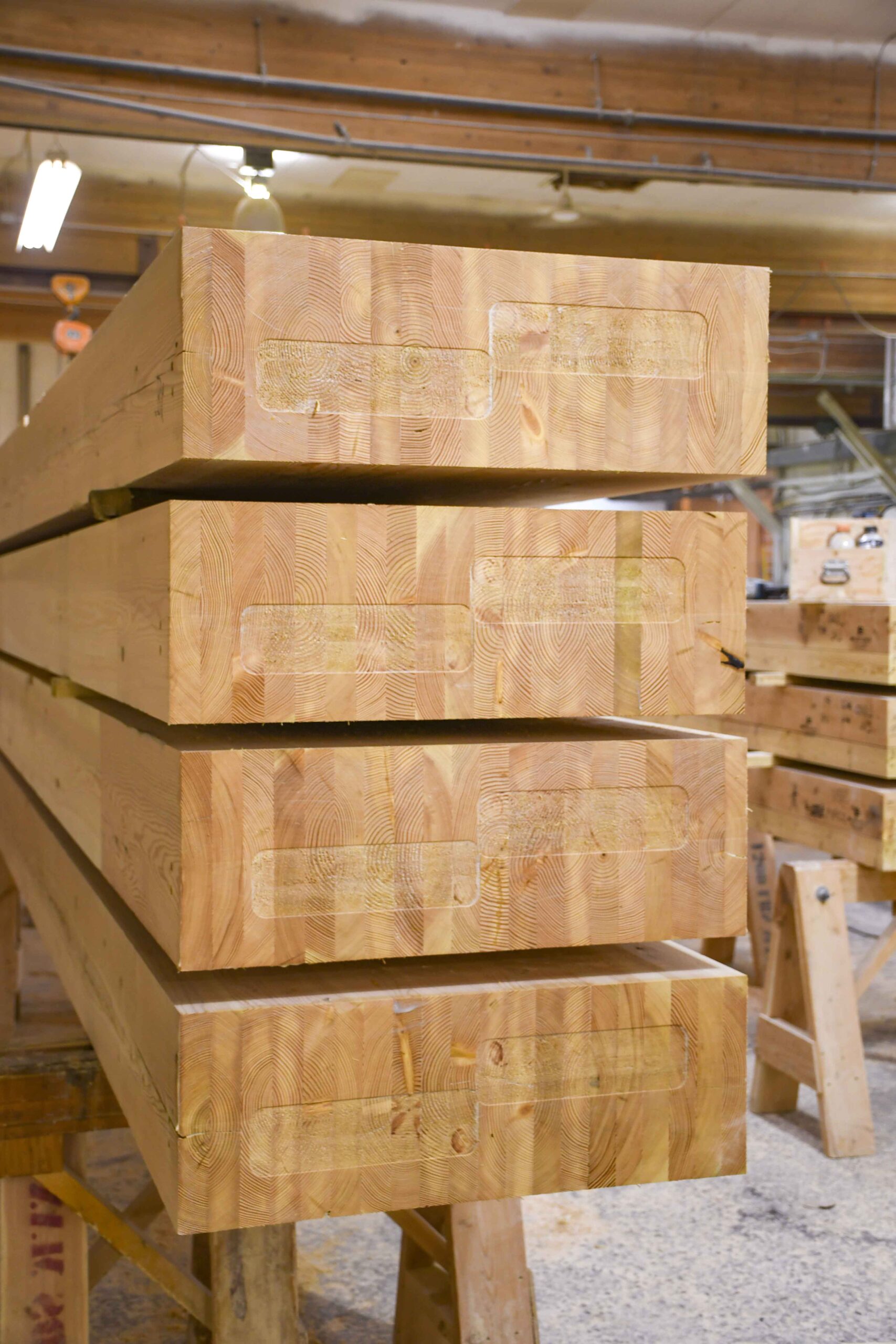 A proposed 18-storey residential tower on St. Paul Street in downtown Kelowna will be constructed using mass timber, according to applications recently submitted to city planners. The city announced earlier this year that it was partnering with non-profit developer Housing Okanagan Foundation on the project for middle-income earners. Now a development permit and variance applications have been submitted for the property at 1428 St. Paul St. “If completed today, it would be the tallest mass timber residential building in Canada,” according to the application from project architect Lang Wilson Practice in Architecture Culture. “The use of mass timber also offers significant reductions in embodied carbon emissions. “This design aligns with the provincial and federal housing objectives while also incubating a building construction methodology that creates local manufacturing jobs.” Above the three-storey podium will be 15 residential floors and a rooftop terrace for all tenants.

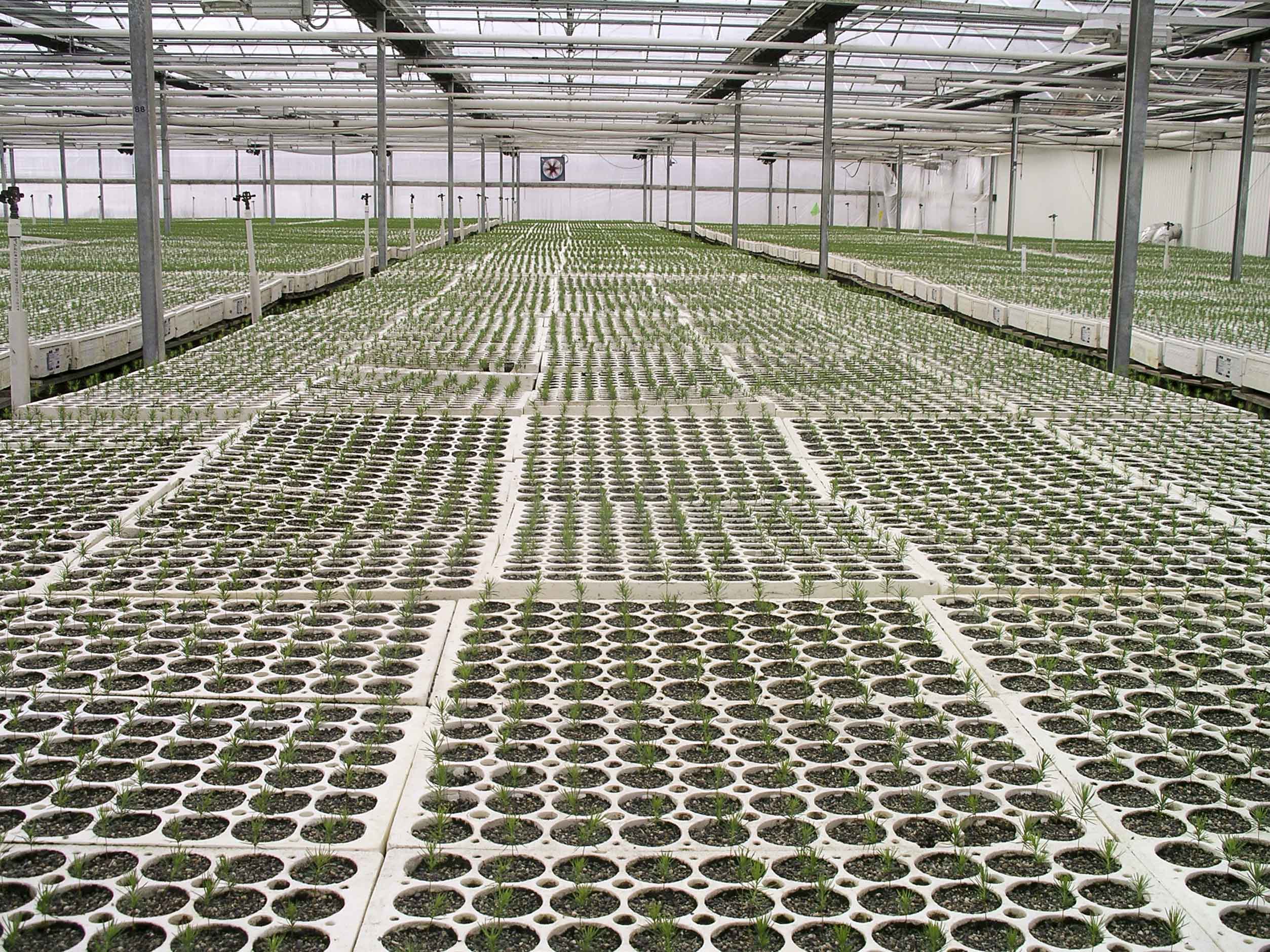 Through its 2 Billion Trees (2BT) program, the federal government has planted more than 228 million trees since 2021. With Canada enduring some of its worst wildfire seasons since it began, should the government expedite and increase its co-ordinated, replanting efforts? Canada’s 2 Billion Trees (2BT) program has achieved more than 11 per cent of its goal of planting, as the name suggests, two billion trees over a 10-year period. …The government also announced the program has agreements in place to plant one billion trees, approximately, since it kick-started the initiative in 2021. As of June 2025, Canada has signed or is negotiating tree-planting agreements with 11 provinces and territories, 58 Indigenous partners, 30 municipalities and 88 non-governmental organizations. …Restoring tree cover is an important strategy for carbon removal and addressing the climate crisis. So, with the intense wildfire seasons Canada has been experiencing in recent years, does the country require a more expedited process to keep its forests thriving?


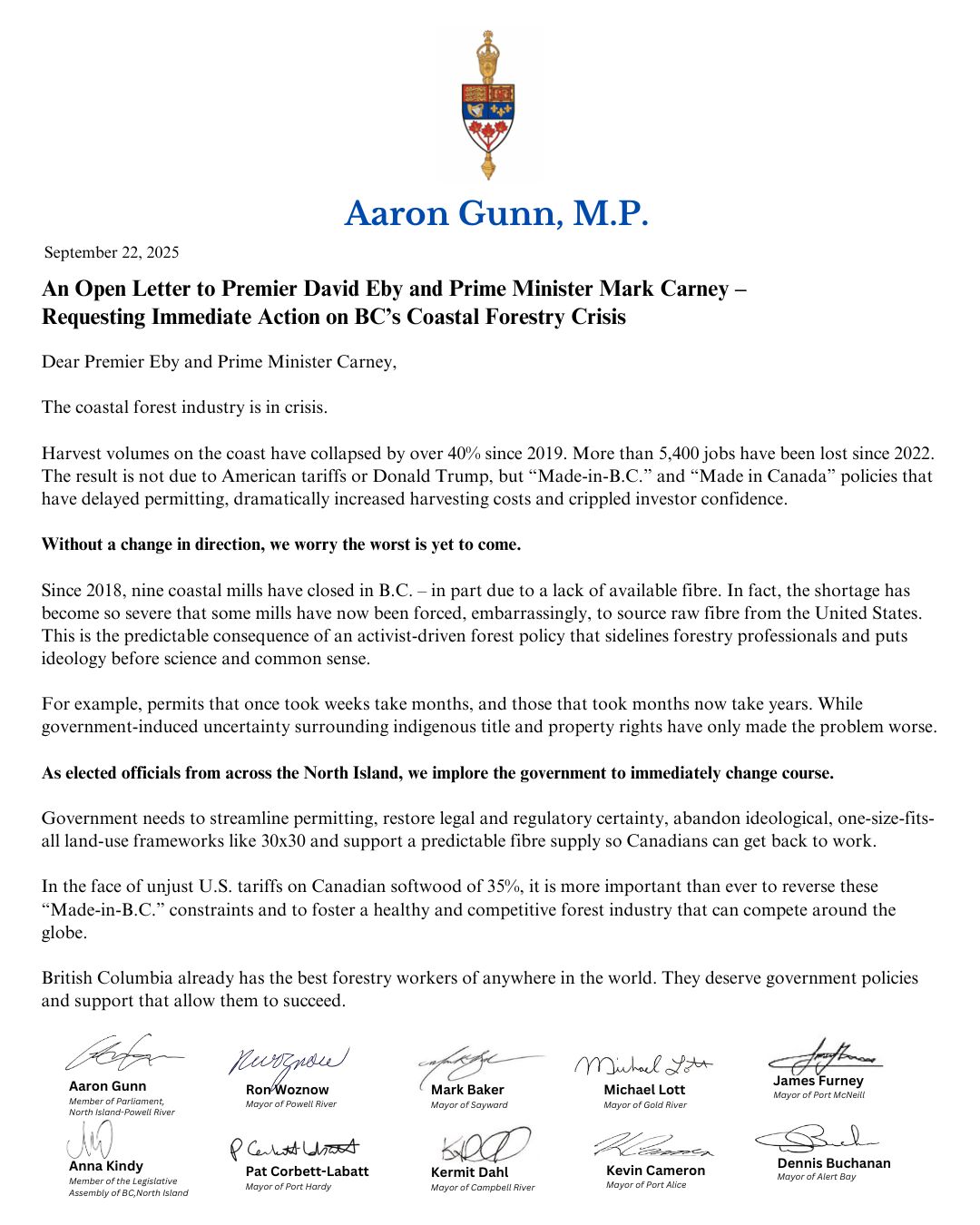
 [Recent] articles in the Campbell River Mirror during Forestry Week, “Celebrating the role of First Nations in the forestry economy,” and “Mayor calls for urgent action to support forest industry,” deserve some context and reply from someone like myself who is directly in the crosshairs as a forest industry worker. …I work for La-kwa sa muqw Forestry Ltd., a majority-owned Western Forest Products company. And, as a union member, I am on strike. However, I am expressing my opinion only. …The article on the First Nations’ role in forestry is positive and forward-looking to a point. … On the face of it, you would think that the the Nanwakolas Council and Western Forest Products agreement was a win/win. …It glosses over the fact that Western is now using that partnership to try to gain major concessions from the union regarding the mid-island forest operations being a union shop.
  Less wildfire damage throughout the province and improved access to the great outdoors feature prominently in Danielle Smith’s renewed vision for Alberta. The premier issued new marching orders last week to Forestry and Parks Minister Todd Loewen, directing him to expand efforts to prevent wildfires and reduce their effects. One bullet point is that the minister seek a wildfire agreement with the federal government. Loewen said wildfire fighting and prevention are “incredibly important to Albertans.” So is more access to public lands in a sustainable way. “Those two things encompass a lot of what’s in the mandate letter, and I think they really resonate well with Albertans,” said Loewen, the member for Central Peace-Notley in the province’s northwest. He was one of four ministers to receive new mandate letters on Sept. 17.





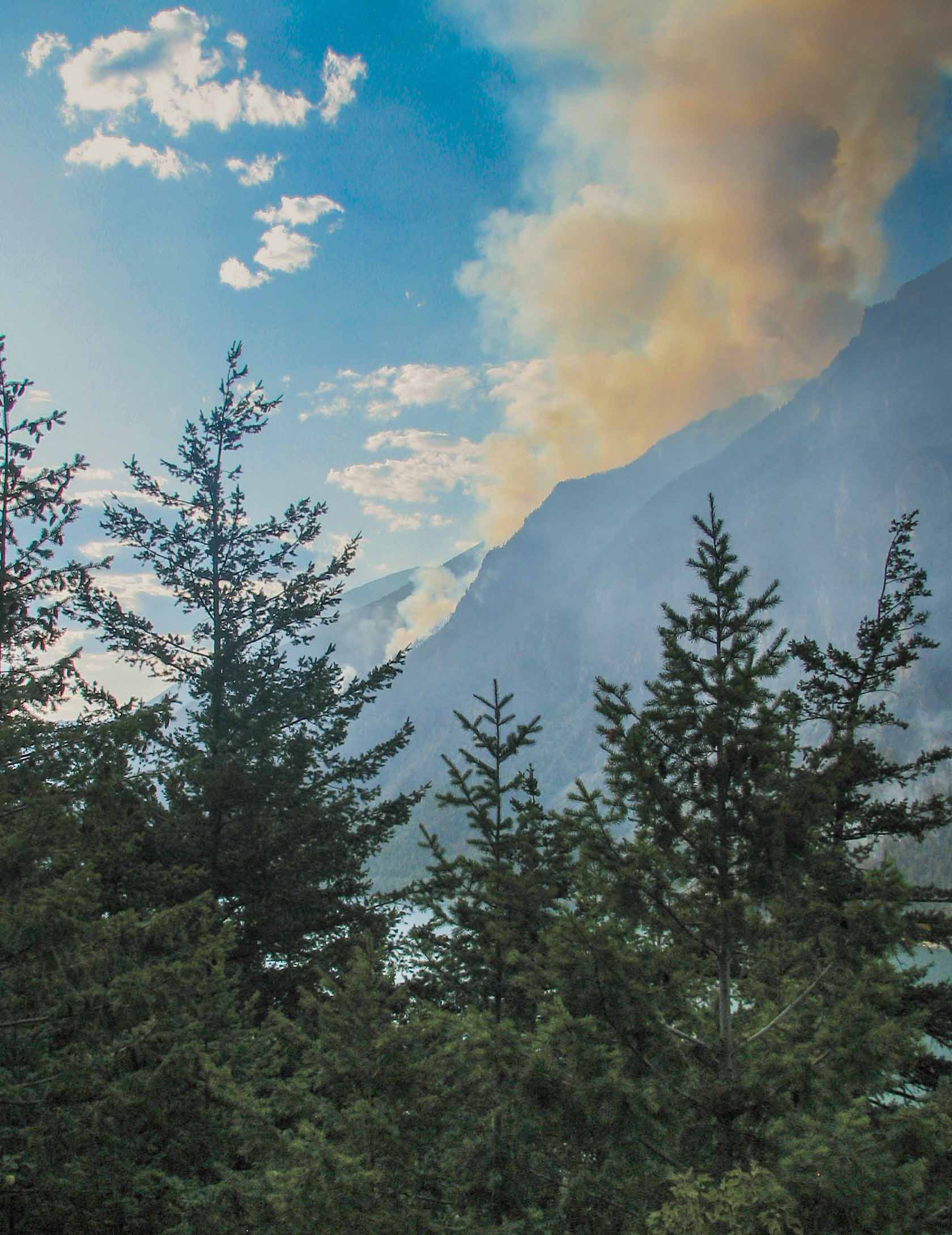 Summer is nearing its end but one Yukon community is already thinking about next year’s wildfire season. The Village of Mayo, Yukon is the latest community to finalize its wildfire community protection plan. It identifies potential wildfire risks within the community and surrounding areas, while outlining actions to prevent, or reduce those risks. The plan was designed with input from the municipality, the First Nation of Na Cho Nyak Dun, and the territory’s Wildland Fire Management. Ellis, Mayo’s mayor, said now that the plan is outlined on paper it’s time to start implementing it. “The big thing is the physical stuff,” he said, like thinning fire breaks for example. “That stuff is going to take some time and we’ve got to get to work on it.”




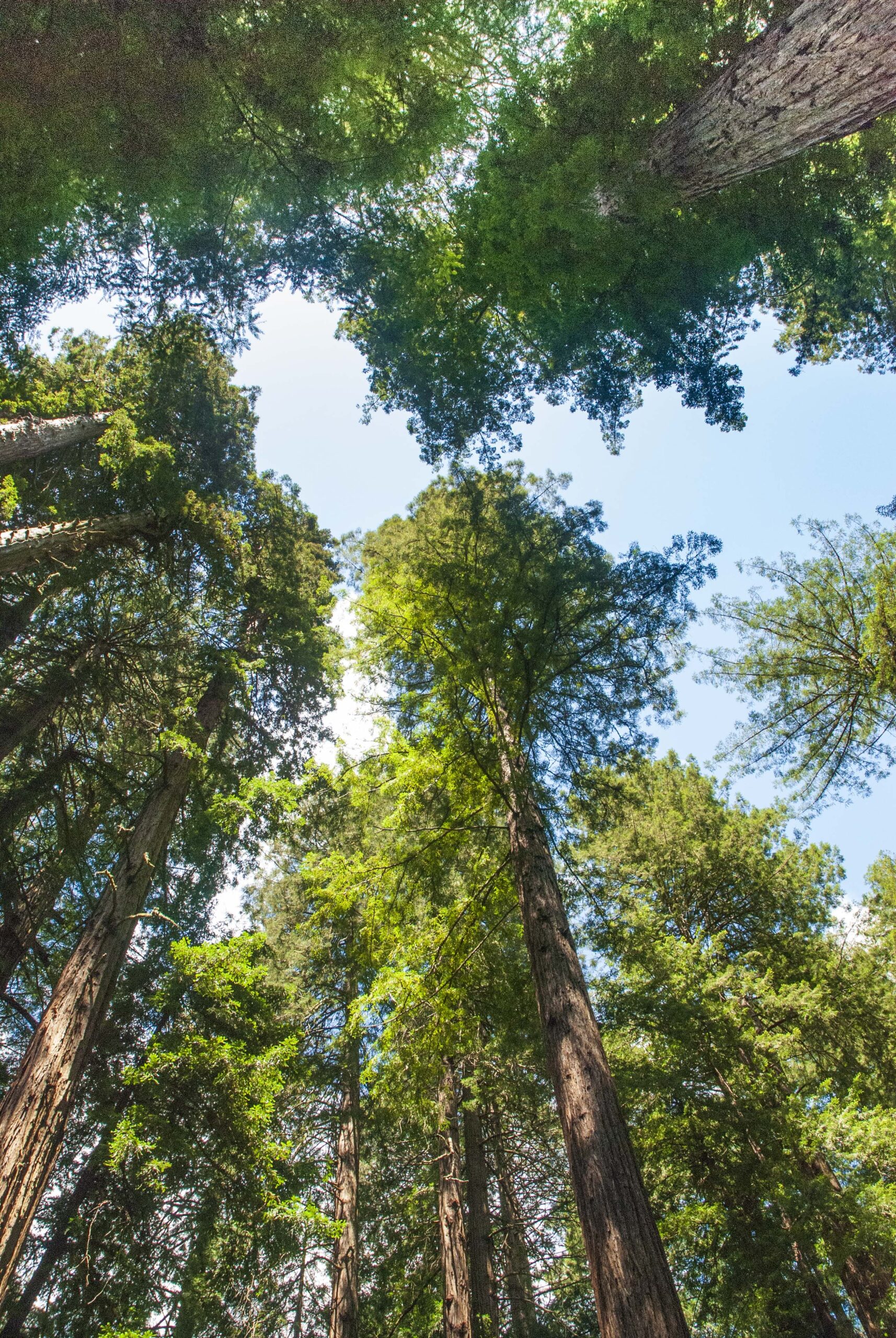 Storing carbon in forests is an essential, nature-based buffer against climate change. Yet forests packed with too many trees increase the threat of severe wildfires… A team of UC Merced and collaborating researchers evaluated the tradeoffs between two seemingly opposing scenarios: Trees are critical because they pull carbon dioxide from the air, preventing carbon from adding to greenhouse effects that trap heat and warm the atmosphere; and the increasing severity and danger of wildfires call for the thinning of overly dense forests. The researchers found that the best approach is a combination of both.
 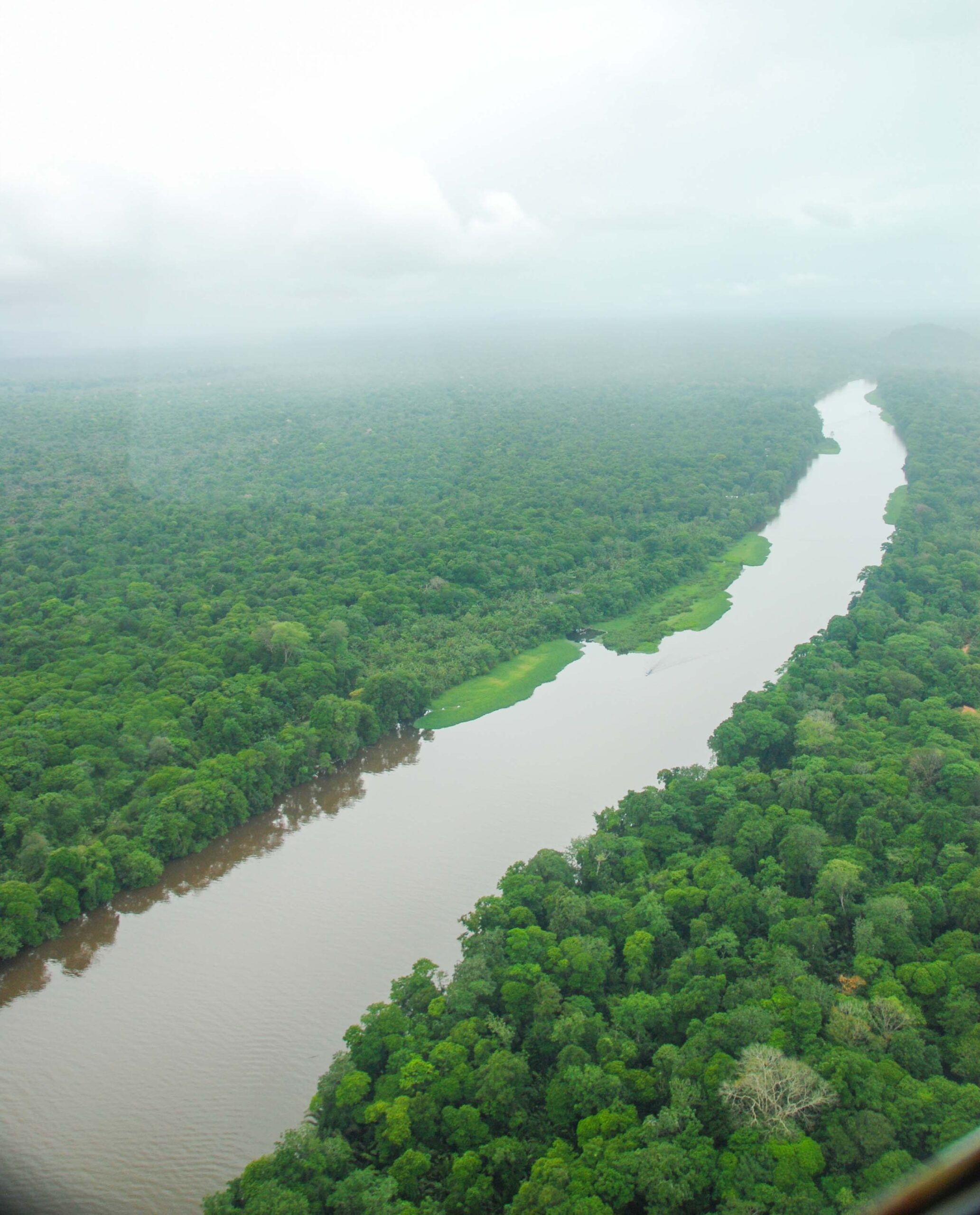 The biggest trees in the Amazon are growing larger and more numerous, according to a new study that shows how an intact rainforest can help draw carbon dioxide out of the atmosphere and sequester it in bark, trunk, branch and root. Scientists said
  Fall issue of WorkSafe Magazine