 At least 1,200 professionals in the business of producing, selling and distributing wood products in eastern Canada and the northeastern United States will be converging on Montreal in April. The magnet is the Montreal Wood Convention (MWC). For all 1,200 of them, the proceedings April 14-16 at the Fairmont Queen Elizabeth Hotel in Montreal will help create the foundation and direction for their wood product businesses in the coming year—despite the uncertainties that currently rule the U.S. trade relationship with Canada. …For more information contact: afortin@quebecwoodexport.com. …BC lumber producers will have plenty to talk about at the Council of Forest Industries (COFI) annual meeting and convention in April, but among the top issues will be access to fibre—the timber harvest in B.C. that feeds its sawmills is at a dismally low level, nearly 40 per cent below the Annual Allowable Cut. …For the latest information check: cofi.org


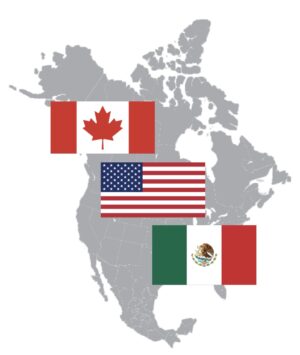 Canada-US Trade Minister Dominic LeBlanc says he sees a path to renew the Canada-United States-Mexico Agreement (CUSMA) and anticipates more specifics from the U.S. administration soon. Gearing up to head back to Washington, DC next week to meet with US Trade Representative Jamieson Greer and “others” next week, LeBlanc said he’s “not pessimistic about renewing the trilateral framework.” “Renewing. It doesn’t expire, it expires in 2036. But the review is not a renegotiation,” LeBlanc said. LeBlanc said two of the key factors underpinning his optimism are that when US President Trump levied his latest global tariff, he maintained the CUSMA exemption, and because American political and business leaders are “speaking up more now.” …Amid speculation that Trump wants to scrap the trilateral trade pact and strike trade deals with Canada and Mexico independently, LeBlanc said the way he sees it, Trump may pursue separate bilateral deals, but that doesn’t necessarily mean the end of CUSMA.
 Trade negotiations used to be underpinned by an unspoken assumption: that trade barriers were lose-lose propositions. All sides could gain something if they mutually disarmed. …[They] were always about how much tariffs and other walls would go down, not how much they would go up. …United States Trade Representative Jamieson Greer sums up the Trump administration’s break with the postwar trade consensus, saying the administration is “focused on reshoring supply chains related to automotive, steel, aluminum … If Canada wants to come in and participate in this type of reshoring we’re trying to do, we’re happy to have those discussions.” …The U.S. wants higher tariffs at home, and lower tariffs abroad. The old give-and-take is now take-and-take. …”We want to have production here. We don’t necessarily want to be dependent on China, Canada or anybody else for things like cars.” [This article is only available to subscribers to the Globe and Mail]
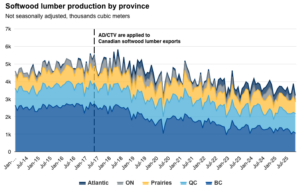 Anti-dumping and countervailing duties, and now additional tariffs on softwood lumber and derivative wood products add to a long history of trade measures applied to Canadian exports. …Recent trade data shows exports of targeted wood products to the US have declined by roughly 11% in 2025 from a year earlier with losses concentrated in Quebec and BC. Export gains elsewhere have only partially compensated for reduced US market access—in part reflecting the geographical constraints in shipping lumber and wood products. …Average industrial capacity utilization rate for wood product manufacturing has declined roughly 10 percentage points to 75% in 2025 Q3 from a decade earlier, while employment in sawmills and wood preservation fell roughly 20% between May 2017 and November 2025 with more pronounced declines in BC (-32%) and Quebec (-13%). …Reduced domestic supply could also put pressure on downstream industries such as pulp and paper mills and construction. The combination of weak demand and constrained supply raises the risk of further production curtailments and mill closures.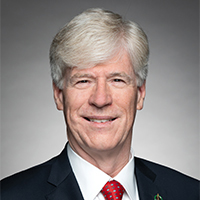
Tom Hodgson
Federal Natural Resources Minister Tim Hodgson says Ottawa will continue to come to the forestry sector’s aid in the face of punishing tariffs, even amid threats from the US alleging that Canada is now further escalating with new subsidies. It’s a threat Hodgson dismissed as “hyperbole.” …Since August, the federal government has introduced over $2.35 billion in measures designed to ensure Canada’s forest sector remains competitive and resilient in the face of escalating US tariffs. …But it also comes as the US Lumber Coalition has begun to allege that a wide range of federal and provincial programs amount to unfair subsidies. … “We are in no way inflaming the situation with the Americans by reducing the amount of our fibre that goes into commodity lumber by doing other value-added products. That’s actually good for Canada, that’s good for Canadian workers, and it reduces the amount of wood that gets sent to the United States.”
 The Forest Products Association of Canada responded to the federal government’s announcement to support and retool our forest sector to ensure it remains a pillar of national strength and prosperity. The Minister of Energy and Natural Resources, launched a national


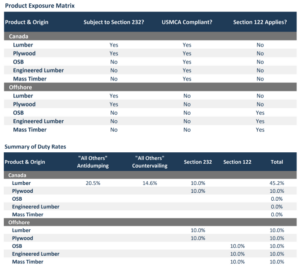 President Donald Trump announced a temporary import duty under Section 122 of the Trade Act of 1974, shortly after the US Supreme Court struck down his tariffs imposed under the International Emergency Economic Powers Act. The Section 122 surcharge is scheduled to take effect February 24 and remain in place for up to 150 days. Under the proclamation, Section 122 duties do not apply to goods that are subject to Section 232 of the Trade Expansion Act of 1962 or that are USMCA compliant. The implications for wood products are as follows:
 Delaware – President Trump’s announcement of a 15% tariff following last week’s Supreme Court ruling has created uncertainty in financial markets. While some retailers and consumer companies may benefit from reduced trade barriers, domestic lumber and packaging firms face increased competition from cheaper imports. …On Monday, domestic lumber companies saw their stock prices drop amid concerns that cheaper foreign imports could undercut their pricing power. The court’s tariff decision threatens to erode the competitive advantage that domestic packaging and lumber businesses previously held against lower-cost foreign competitors, industry analysts warn. RBC analysts identified potential negative consequences for companies including Clearwater Paper, Rayonier, Sylvamo, and Smurfit WestRock. A recent industry survey revealed that most U.S. purchasers reported declining containerboard prices in February, as increased European imports expanded supply and created additional pricing pressures. Monday trading saw Smurfit and domestic competitor International Paper decline by 7% and 6%, respectively.
 US President Donald Trump just lost his biggest emergency tariff weapon at the US Supreme Court – but for Canadian exporters and long‑term investors, the real story is that the pressure has shifted to narrower, more strategic sectors that matter for jobs, growth and returns. …Trump reacted by promising new tariffs through other statutes. …Section 232 now defines Canada’s real exposure. …Softwood timber and lumber: 10 percent tariffs imposed last October, alongside US countervailing and anti‑dumping duties on Canadian lumber that the Commerce Department increased from 14.5 percent to 35 percent earlier this year. …Upholstered wooden furniture, cabinets and vanities: 25 percent tariffs since last October; a planned increase in January was paused. …Dominic LeBlanc, Canada’s minister for US–Canadian trade relations, told CBC News that “what’s hurting the Canadian economy are the sectoral tariffs under a different American law,” and said this “reminds us again of the importance of diversifying our trading relationships.”
 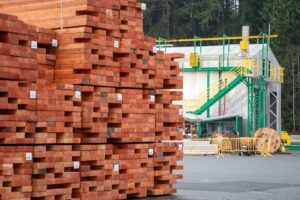 The US Lumber Coalition has expanded its list of complaints against Canadian softwood producers. The group has presented nine “new subsidy allegations,” claiming that Canadian producers benefit from federal government programs, including one that offers refundable tax credits for clean technology such as solar power. …The Commerce Department is investigating the nine new allegations put forward by the group. Canada has repeatedly rejected American arguments that Canadian producers benefit from subsidies and also denies dumping. …One of the group’s complaints targets a federal program in Canada, open to eligible forestry companies, that provides refundable tax credits for carbon capture, utilization and storage. In addition, the group’s allegations name provincial programs in BC, Alberta, Ontario and Quebec. …The Commerce Department deferred a potential probe, suggested by the Coalition, into cases pertaining to alleged subsidies for long-term timber tenures in BC and Alberta. [to access the full story a Globe & Mail subscription is required]
 OTTAWA — The Supreme Court of Canada will help decide the appropriate means of reviewing a company’s complaint about the service provided by a railway. In November 2023, the Canadian Transportation Agency ruled that Canadian National Railway Co. failed to meet the level of service it owed to Alberta Pacific Forest Industries Inc. The agency is a federal regulator and quasi-judicial tribunal and, under section 41 of the Canadian Transportation Act, its decisions may be appealed to the Federal Court of Appeal on questions of law or jurisdiction. CN wanted to contest factual findings so it pursued an appeal under a provision of the Federal Courts Act, not under section 41.
 Conifex Timber announced that its wholly-owned subsidiary Conifex Mackenzie Forest Products has completed a $19 million secured term loan with the Business Development Bank of Canada (BDC) under the Softwood Lumber Guarantee Program. The loan has a maturity date of July 15, 2033. …The loan allows for interest-only payments until August 2028. A portion of the loan was used to repay a bridge advance from Conifex’s existing senior secured timber lender. The balance of the loan is available for working capital and general corporate purposes. Conifex also announced that it successfully restarted its sawmill in February. With the successful completion of the term loan, the Company is progressing toward normalized operations and currently anticipates sustaining two-shift operations in the second half of 2026, subject to fibre supply conditions.
 The Musqueam First Nation’s agreement with Ottawa to advance the nation’s rights and title over an area that spans the western half of Greater Vancouver will force Canada to grapple with overlapping Indigenous claims, the boundaries of civic governance, and the principles of co-operative federalism. The deal acknowledges the existence of constitutionally protected Aboriginal title and creates a framework to implement Musqueam’s rights and title in their traditional territory. It is accompanied by two other agreements that create a framework for shared decision-making over fisheries, marine stewardship and land use. Just where that title will be recognized, and what rights will be affirmed, are yet to be negotiated. The Musqueam’s traditional territory has overlapping and shared territories with its First Nation neighbours. …Ottawa’s deal with Musqueam First Nation raises alarm about property rights in Vancouver area. …Cowichan decision leads to another claim on private lands in BC. [to access the full story a Globe & Mail subscription is required]
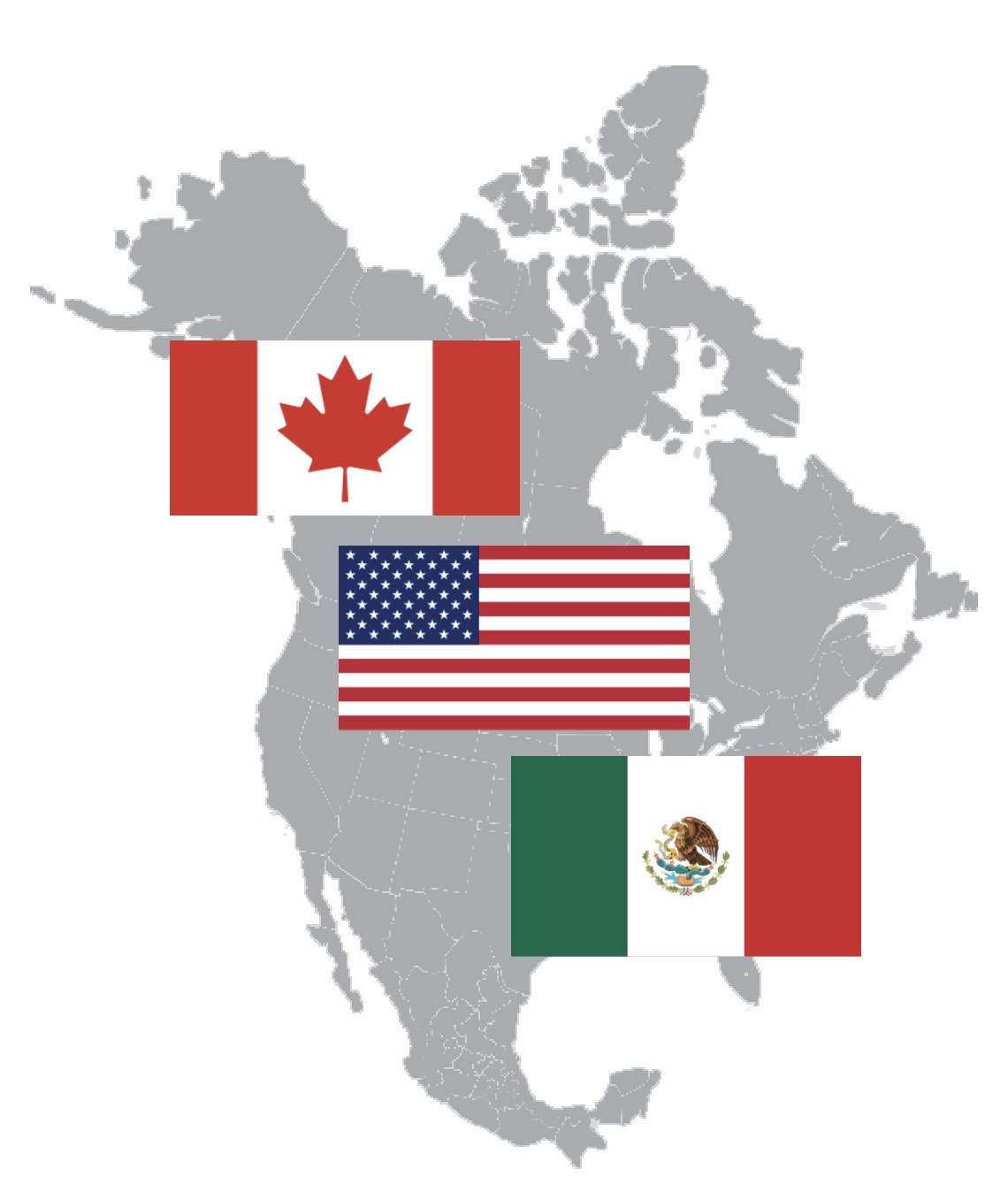 March 19, 2026 | 6:30-9 PM | UBC Robson Square Theatre — Experts from the Allard School of Law (Ljiljana Biuković), Vancouver School of Economics (Torsten Jaccard), Faculty of Forestry & Environmental Stewardship (Harry Nelson), and Political Science (Stewart Prest) will explore the evolving Canada–U.S. economic relationship and what it means for Canada’s future. As the 2026 joint review of the Canada–United States–Mexico Agreement (CUSMA) approaches, Canada faces significant shifts in its most important trading relationship. From tariffs on steel to ongoing tensions in British Columbia’s forestry sector, long-standing trade dynamics are being tested and the era of predictable trade and stable multilateral rules may be coming to an end. Policymakers, industry leaders, and people interested in understanding the structural changes shaping Canada’s economic future are encouraged to attend. Panelists will examine emerging geopolitical realities and their implications for Canada, highlighting BC forestry as a case study on how international trade pressures are affecting local industries, workers, and communities.

 The head of B.C.’s Declaration Act Secretariat has left government on the eve of Premier David Eby’s move to change the landmark law to address court rulings that threaten private property rights. Jessica Wood, the province’s first Indigenous deputy minister, announced late last week she was departing the secretariat. “The Declaration Act was the first legislation in Canada to require consideration and alignment of provincial law with the United Nations Declaration on the Rights of Indigenous Peoples in consultation and cooperation with Indigenous Peoples,” Wood said in a post on
  Twenty years after spinning out Canfor Pulp Products as a separate entity, Canfor Corp. plans to bring it back into the fold to prevent the subsidiary from sinking. …Since December, its stock has plunged to about $0.50 per share. A March 6 shareholder vote on a plan of arrangement is just one of the vital signs indicating how bad 2025 was for the forestry sector in general, and BC forestry companies in particular. …But B.C. has been particularly hard hit with sawmill and pulp mill closures due to its fibre constraints and higher operating costs. The most recent high-profile mill closure in BC was the Domtar pulp mill in Crofton at the end of December. BC pulp mills rely on wood chips from sawmills to produce pulp. But so many sawmills have permanently shuttered in B.C. in the last few years that pulp mills now struggle to find enough fibre to run their mills.

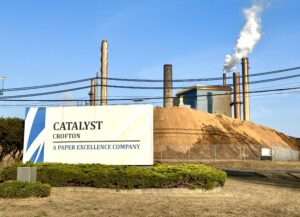 On Dec. 2, 2025, Domtar announced it would permanently close Crofton’s nearly 70-year-old mill citing a lack of affordable fibre in BC and rising cost of materials. In response, the Municipality of North Cowichan created a Community Transition Table to coordinate union leadership, worker support and discussions on the future of the mill site. …The Discourse has compiled a timeline of major events at the Crofton mill to help understand the historical context of the latest mill closure. …1957: The mill opens and BC Forest Products (BCFP) told the citizens of Crofton it would employ 300 people and have an annual payroll of $1.5 million. Crofton was chosen as the location for the mill after an “extensive” three year survey by BCFP found the Cowichan River had adequate water supply for the mill. 1963: BCFP announced an $18.5 million expansion of the Crofton mill to expand the capacity to produce paper for its second newsprint machine.
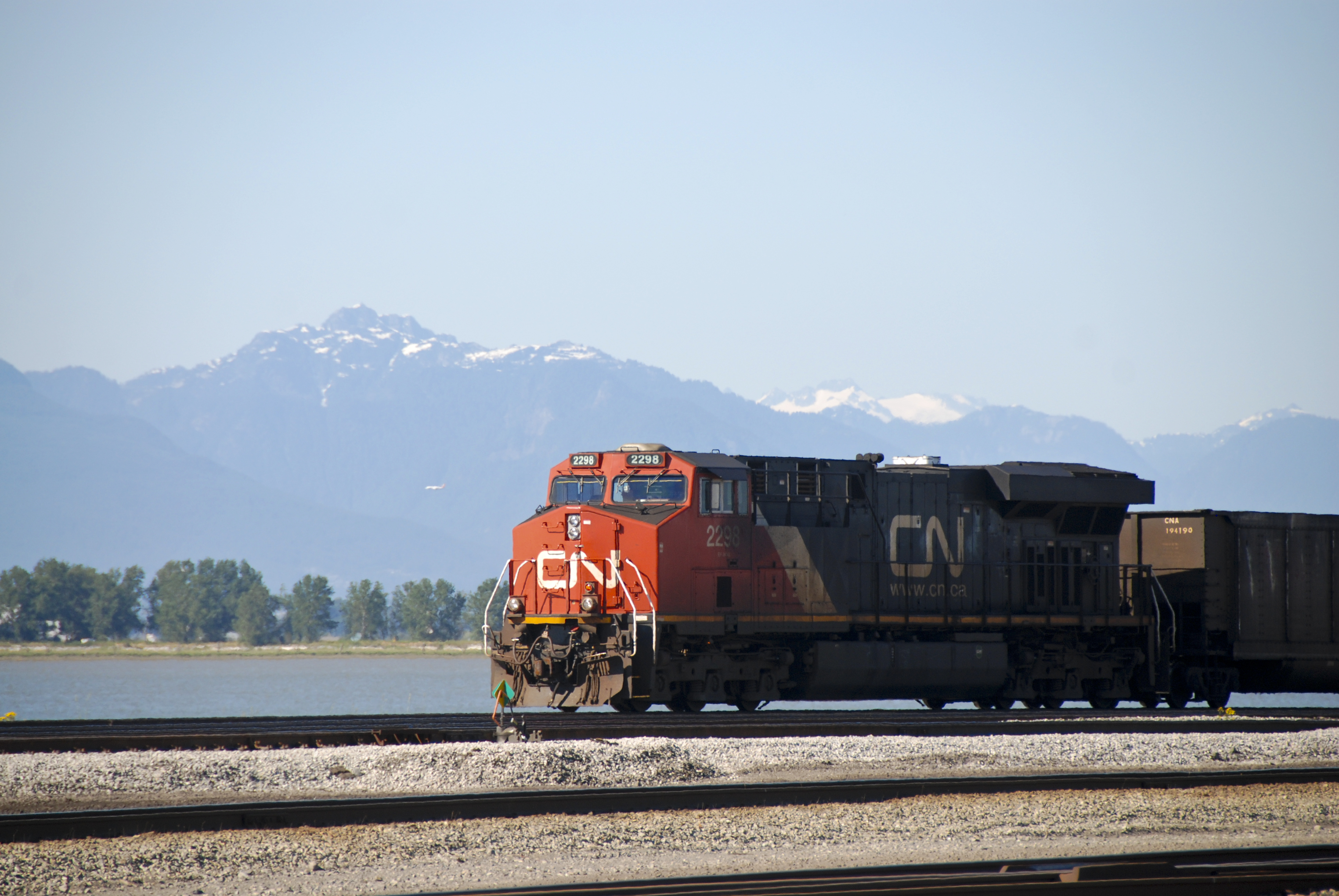 The mayors of Squamish and 100 Mile House, B.C., want to see the railway linking their two communities preserved. CN Rail is responsible for the maintenance and upkeep of a portion of B.C.’s rail network between Squamish and Exeter, just northwest of 100 Mile House. In July 2025, the national rail operator said it provided notice of its intent to discontinue those operations. 100 Mile House Mayor Maureen Pinkney says her town is working with several other municipalities to make a business case for the railway, and have hired a consultant to research the details. The rail line goes through an industrial park in 100 Mile House, explained Pinkney, connecting industries like forestry. The town’s oriented strand board plant shut down in 2019 and West Fraser closed its lumber mill at the end of last year, but Pinkney said there’s still fibre that can be utilized for other wood products.
 HOUSTON, BC –Houston area First Nations were in talks to buy Canfor’s now-closed Houston sawmill and timber tenure throughout last fall, only to have an offer rejected in December, says the chief councillor from the Lake Babine Nation. “Canfor shut down all talks at once,” said Wilf Adam last week. “They did not like the price. That was it.” The company has been trying to sell its Houston and area holdings after years of rolling openings and closures in response to overall market pressure and high operations costs at the mill. …There was hope in the spring of 2023 when… but that hope was quashed in the spring of 2024 when the company announced it was shelving the prospect of a new mill. It then began looking for a buyer for the mill and tenure.
 Join Bryan Yu, Chief Economist at Central 1 Credit Union, for a clear-eyed keynote on the economic forces shaping the year ahead. In his presentation, 2026 Macroeconomic Outlook he will examine trade uncertainty, global competition, and pressure at home. What’s ahead for BC and Canada’s economy? Hear what the outlook means for BC’s forest sector and the strategic decisions leaders will face in a rapidly changing economy. Mark your calendar for April 8 – 10, and register before March 6 to take advantage of Early Bird discounts.

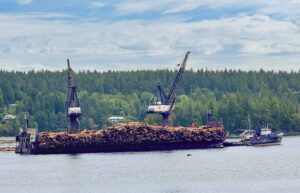 Raw logs were being loaded for export at the shuttered Crofton pulp mill – just weeks after hundreds of local workers were laid off over a lack of wood fibre, and as about 120 sidelined Chemainus sawmill employees brace for their EI benefits to run dry. “I don’t want a handout, I want a job,” said Brian Bull, who was laid off from Western Forest Products’ Chemainus sawmill. …North Cowichan’s mayor says repeated appeals to federal officials to grant workers the additional 20 weeks of EI benefits promised by the Prime Minister in the summer of 2025 have gone unanswered. “There’s about 120 workers impacted at the Chemainus sawmill. The majority are set to lose their EI benefits next month. …So laid-off Chemainus sawmill workers are urging the provincial government to stop raw log exports. Elzinga said he fears their the Chemainus sawmill may never re-open, due a lack of fibre supply.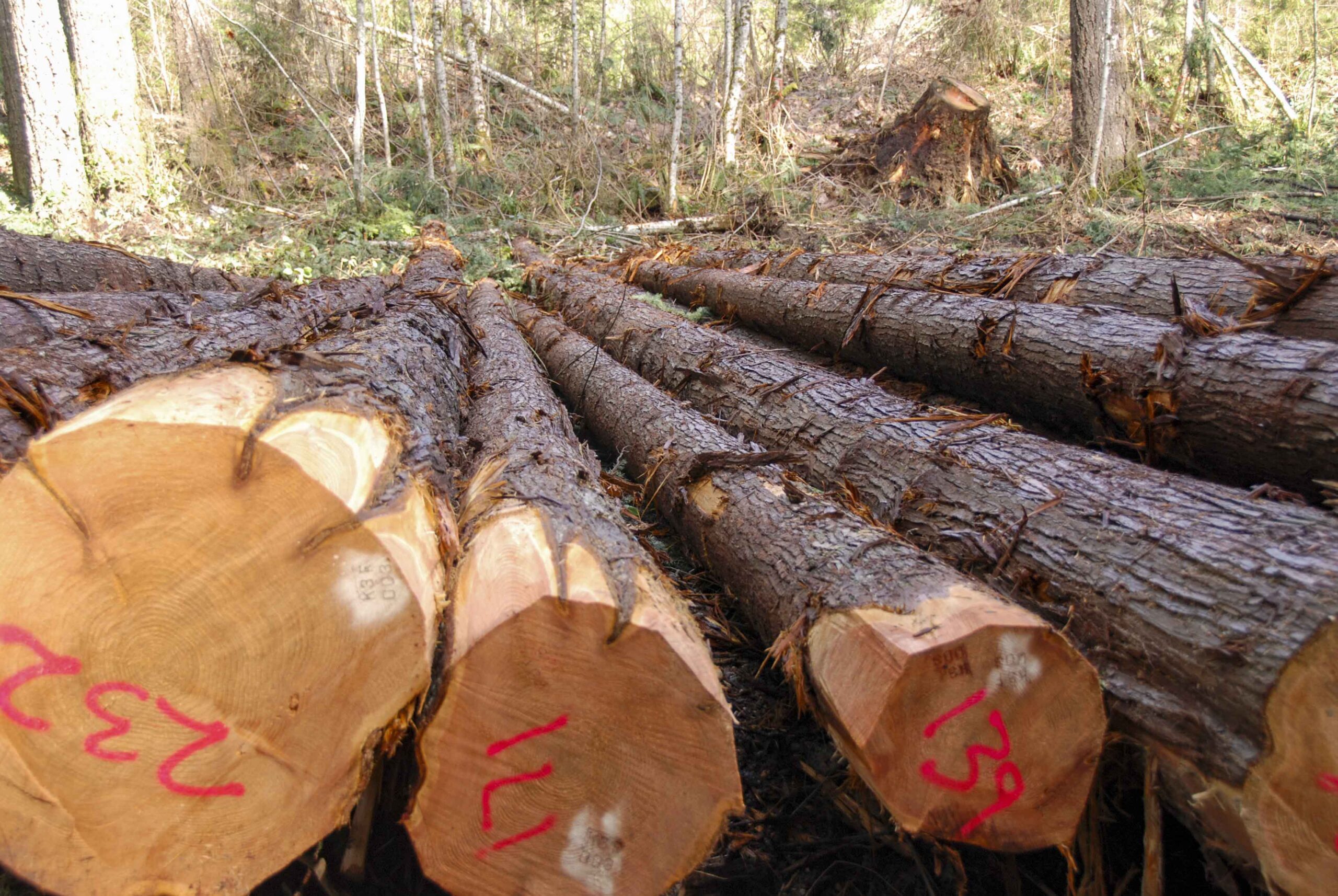


 Snuneymuxw First Nation is calling on other levels of government to act to protect its waters following an oil spill and long-standing discharge of “toxic sawmill effluent” at Duke Point near Nanaimo. The nation is calling for a full environmental investigation following the incidents it says are caused by Environmental 360 and Western Forest Products. The nation has sent letters to the federal, provincial and municipal governments calling on them to act. This comes after an
 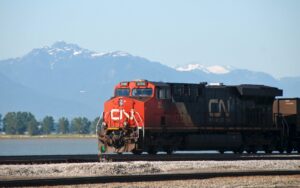 The CN railway running through 100 Mile House will not be discontinued after all. District of 100 Mile House Mayor Maureen Pinkney said that the consultant hired to assess the rail line’s future had told her, and around 87 other stakeholders in the region between North Vancouver and Prince George, that removal of the rails was off the table. …CN Rail announced it would be discontinuing service between Squamish and 100 Mile House… and that rails and ties are removed after discontinuance. …Potentials for the new use of the rail tracks include the return of passenger rail to 100 Mile House. …Pinkney said that there could be opportunities from the saved rail line to make up for lost tax revenue from the closure of the West Fraser Mill, as well as the OSB plant.
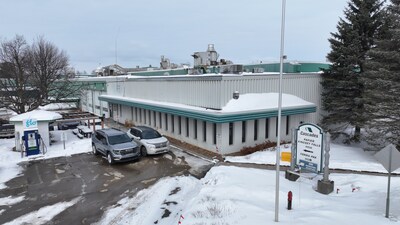
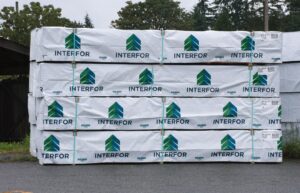 EAR FALLS, Ontario — No news is not good news when it comes to the future of the sawmill in Ear Falls. Mayor of the community Kevin Kahoot says he’s supposed to talk with Interfor, the owner of the mill, this week. “We have regular conversations in the last few months…every couple of weeks,” says Kahoot. “It’s been kind of status quo recently. They keep pushing markets and tariffs and those kinds of things. But I don’t see a lot of movement maybe until springtime.” The sawmill shut down indefinitely back in October throwing 150 people out of work. [END]
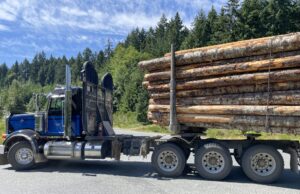 New Brunswick royalty revenues have plummeted by $45 million. It’s a figure that has forestry royalties on track to come in at an historic low in the current fiscal year. And it was a decision to significantly cut royalty rates made quietly by the Holt government last July that’s behind it. That’s as the government suggests it’s a move that’s successfully sheltered the industry from curtailments and closures that are being felt across the country. …The province moved to overhaul timber royalty rates in 2022 after acknowledging its former policy of charging forestry companies a flat rate for wood cut in public forests had failed to take advantage of a two-year explosion in international lumber prices. A new system created under the former Higgs government allowed for rates to rise and fall with the prices of various wood-based commodities. “As forest product markets improve in the future, royalty rates will index upwards,” Herron said.
 The Ontario Forest Industries Association is looking forward to welcoming you to our 83rd Annual Convention at One King West Hotel & Residence in Toronto, April 28 – 29, 2026. We are planning another high-impact event, and we want to ensure your visit is as smooth and enjoyable as possible. If you have not registered for the event, do so as soon as possible as limited spots remain. If you haven’t yet secured accommodations, we encourage you to do so as soon as possible. There are options at the One King West Hotel as well as several hotels within a short walking distance of One King West. The OFIA is a trade association representing Ontario’s sustainable forest industry and serves as a unified voice for forest products companies across the province — from timber producers to wood manufacturers — advocating on policy, market access, sustainability, and economic development issues. The Annual Convention is our flagship event, intended to bring together industry leaders, members, and stakeholders for networking, education, discussion, and celebration.
 The Quebec government says it will hold a “mini-reform” of the province’s forest regime to provide relief for sawmills and other businesses pressured by cumulative U.S. tariffs. Jean-François Simard, Quebec’s minister of natural resources and forests, said that the changes aim to prevent plant closures and job losses which have surged in recent months. Simard said in a statement on Tuesday that 60,000 jobs are at risk. Quebec’s forestry and logging industry is the second largest in Canada in terms of employment, according to Statistics Canada. The forest regime dictates how Quebec’s forests are managed and harvested. The announcement comes days after a group of Indigenous land guardians and First Nations hereditary chiefs filed a lawsuit seeking formal recognition of their rights over a vast stretch of Quebec. Their legal challenge aims to curb industrial logging and ensure the protection of their traditional way of life.

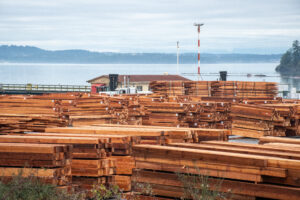 The decision by the US Supreme Court to invalidate many of President Trump’s tariffs has been met with mixed reactions in Quebec, as the steel, aluminum and lumber sectors remain subject to US tariffs. Economy Minister Jean Boulet said, “its effects for Quebec seem limited,” noting that Quebec exports in accordance with CUSMA were already exempt. “American tariffs on lumber and other key sectors remain in place,” Boulet stressed. …Stakeholders from Quebec’s economic and union sectors pointed out that Friday’s ruling is far from putting an end to the trade war with our southern neighbors. …“While this decision is great news for free trade, its impact on Canada remains limited and we are not out of the woods yet,” said senior public policy analyst Gabriel Giguère in a statement. Moreover, the review of the USMCA planned for this year still looms over Canada-US relations.

 A judge with the US Court of International Trade ordered refunds for companies that paid tariffs that were later struck down by the United States Supreme Court. …The Supreme Court ruling did not say whether there should be refunds, leaving companies that paid the duties to sue the federal government. In Wednesday’s decision in the New York trade court, Judge Richard Eaton said all importers who paid IEEPA duties are “entitled to the benefit” of the Supreme Court’s decision. Eaton was ruling specifically on a case brought by Atmus Filtration, a filtration company in Tennessee, but said he will be the only judge to hear cases about refunds. Eaton ordered the Trump administration to finalize import paperwork without charging companies the IEEPA tariffs. …A coalition of more than 1,000 small businesses called it a victory and called on the Trump administration to act swiftly. …The White House has not yet responded.
 Fiber and glass are among the packaging substrates hardest hit by February closure and layoff announcements. Here are the North American facilities that have announced downsizing efforts:
 The escalating crisis in the Middle East could extend transport times for Finnish forest industry products to Asia by several weeks. At the same time, freight costs may rise, and container availability could become increasingly uncertain. Iran has announced the closure of the Strait of Hormuz. According to international reporting, several major shipping lines have also paused or reduced traffic through the Suez Canal, redirecting vessels around Africa via the Cape of Good Hope on routes to Asia. The Strait of Hormuz is a critical artery for global oil trade, and disruptions there primarily push up energy prices. For Finland’s forest industry, however, access through the Suez Canal is more directly decisive. Approximately 20 percent of the forest industry’s exports go to Asia, and the majority of those shipments pass through the Suez Canal, says Maarit Lindström, Director and Chief Economist at Metsäteollisuus ry.
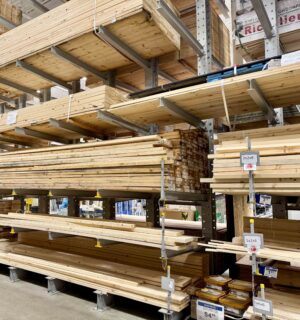 The US Department of Commerce preliminarily determined that hardwood and decorative plywood from China was sold in the US at less than fair value during the period Oct. 1, 2024, through March 31, 2025, and it also made a preliminary affirmative determination of critical circumstances. Starting March 2, 2026, the publication date of the Commerce Department notice in the Federal Register, US Customs and Border Protection will begin suspending liquidation and collecting cash deposits on covered entries at the applicable rates. The notice sets an estimated weighted-average dumping margin of 187.27% for the China-wide entity and an adjusted cash-deposit rate of 185.96% for the listed producer-exporter combinations as well as for the China-wide entity. …Commerce said it plans to issue its final determination by May 10, 2026, within 75 days of the preliminary decision’s Feb. 24 signature date, after which the US International Trade Commission will decide whether the U.S. industry was materially injured by the imports.

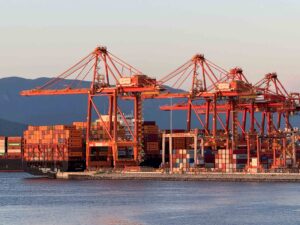 The US Customs and Border Protection agency said it will halt collections of tariffs imposed under the International Emergency Economic Powers Act at 12:01 a.m. EST on Tuesday, more than three days after the US Supreme Court declared the duties illegal. The agency said in a message to shippers on its Cargo Systems Messaging Service that it will de-activate all tariff codes associated with US President Trump’s prior IEEPA-related orders as of Tuesday. The IEEPA tariff collection halt coincides with Trump’s imposition of a new, 15% global tariff under a different legal authority to replace the ones struck down by the Supreme Court on Friday. CBP gave no reason why it was continuing to collect the tariffs days after the Supreme Court’s ruling. The message noted that the collection halt does not affect other tariffs imposed by Trump under the Section 232 national security statute and the Section 301 unfair trade practices statute.
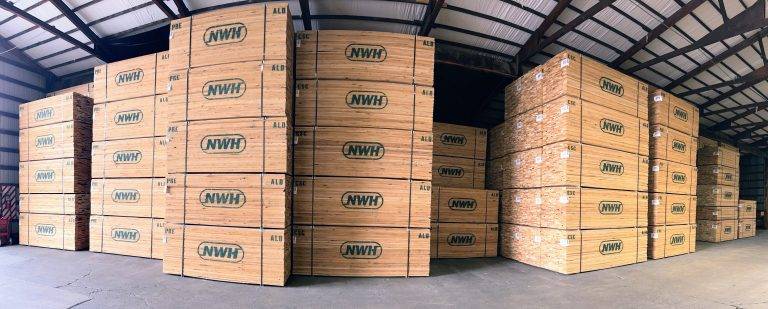
 VANCOUVER, Washington — Canadian-owned Western Forest Products plans to expand its Fruit Valley manufacturing operation, according to pre-planning documents submitted to the city of Vancouver. Plans show the company expects to build up to three prefabricated steel buildings and an office building, as well as demolish its existing Fruit Valley lumber drying kilns and storage buildings. “We are supporting a modest expansion of our product and service portfolio,” Babita Khunkhun, the company’s senior director of communications, said. Khunkhun said planning for the expansion will continue throughout the year. The company intends to invest in new machinery at its Fruit Valley manufacturing site and make ready-to-install fabricated glulam beams, she said. The Fruit Valley operation is currently used for secondary lumber manufacturing. …A summer blaze left the company’s Columbia Vista sawmill beyond repair according to a state layoff notification from July. The company has decided to sell that site.
 An Oregon jury has awarded $305 million to 16 wildfire survivors harmed by the Santiam Canyon wildfire that burned across hundreds of thousands of acres in 2020. This is the largest jury verdict issued in relation to the James v. PacifiCorp class-action lawsuit, pushing PacifiCorp’s total liability past $1 billion. PacifiCorp — the parent company of Pacific Power, Oregon’s second-largest electric utility — kept its lines charged over the 2020 Labor Day weekend, despite fire officials’ warnings about hot, windy weather. Five people died in the Santiam Canyon fire, and more than 400,000 acres burned across four counties. In 2023, a jury found PacifiCorp was reckless and acted in “gross negligence” in relation to multiple wildfires, including the Santiam fire. In addition to the 17 plaintiffs who sued the company in that case, the jury found a broader class of thousands of people can bring additional claims against PacifiCorp for those wildfires.
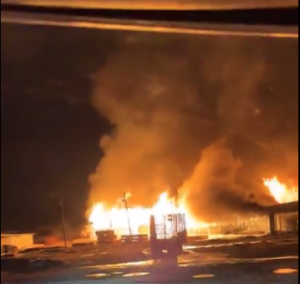 NEOPIT, Wisconsin — A Neopit wood mill is closed Tuesday after it experienced an early morning fire. Menominee Tribal Enterprises says it lost its stacker building and associated equipment. Some lumber inventory was damaged in the fire as well. All employees are safe and no injuries were reported. Production operations are closed for the day as the organization assesses the damage and begins determining the next steps for recovery and continuity of operations. The Menominee Tribal Enterprises store and main office remain open and are operating during regular business hours.
 RHINELANDER, Wisconsin — Logging has been a major part of the Northwoods for centuries. In recent years, though, several economic factors may have the industry in jeopardy. Logging has a major economic impact in the Northwoods. But a trend is beginning to start with Wisconsin-based paper mills ceasing certain operations, meaning many logging companies are slowing lumber output. James Wilson, Master logger and owner of Wilson Forestry in Athens, has had his business for over 12 years, but after Ahlstrom announced it will close two paper machines and a pulp mill in Mosinee, options are running thin for where they can sell the wood to. Not only will it cost 200 mill workers their jobs, it will be a major blow to local loggers. Wilson was a supplier of the recently closed Mosinee pulp mill, and has his concerns about the future of the industry.
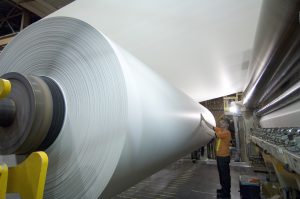 MOSINEE, Wisconsin — About 200 employees at the Mosinee paper mill were told before their shifts this week that their jobs are at risk as Ahlstrom moves forward with a phased shutdown of key operations at the plant. Several employees, speaking on condition of anonymity, told Wausau Pilot late Wednesday that management told workers Paper Machine No. 2 will shut down June 30, with Paper Machine No. 3 and the pulp mill slated to close Sept. 30. …In the letter to suppliers, Ahlstrom said it plans to permanently close the pulp mill and idle the M2 and M3 paper machines as part of a restructuring of operations at the Mosinee facility. The company cited rising costs and limited automation at those operations as reasons for the decision. …Ahlstrom said Paper Machines No. 1 and No. 4 will continue operating at the Mosinee mill. The company also said it plans to invest in modern technologies at those remaining machines.

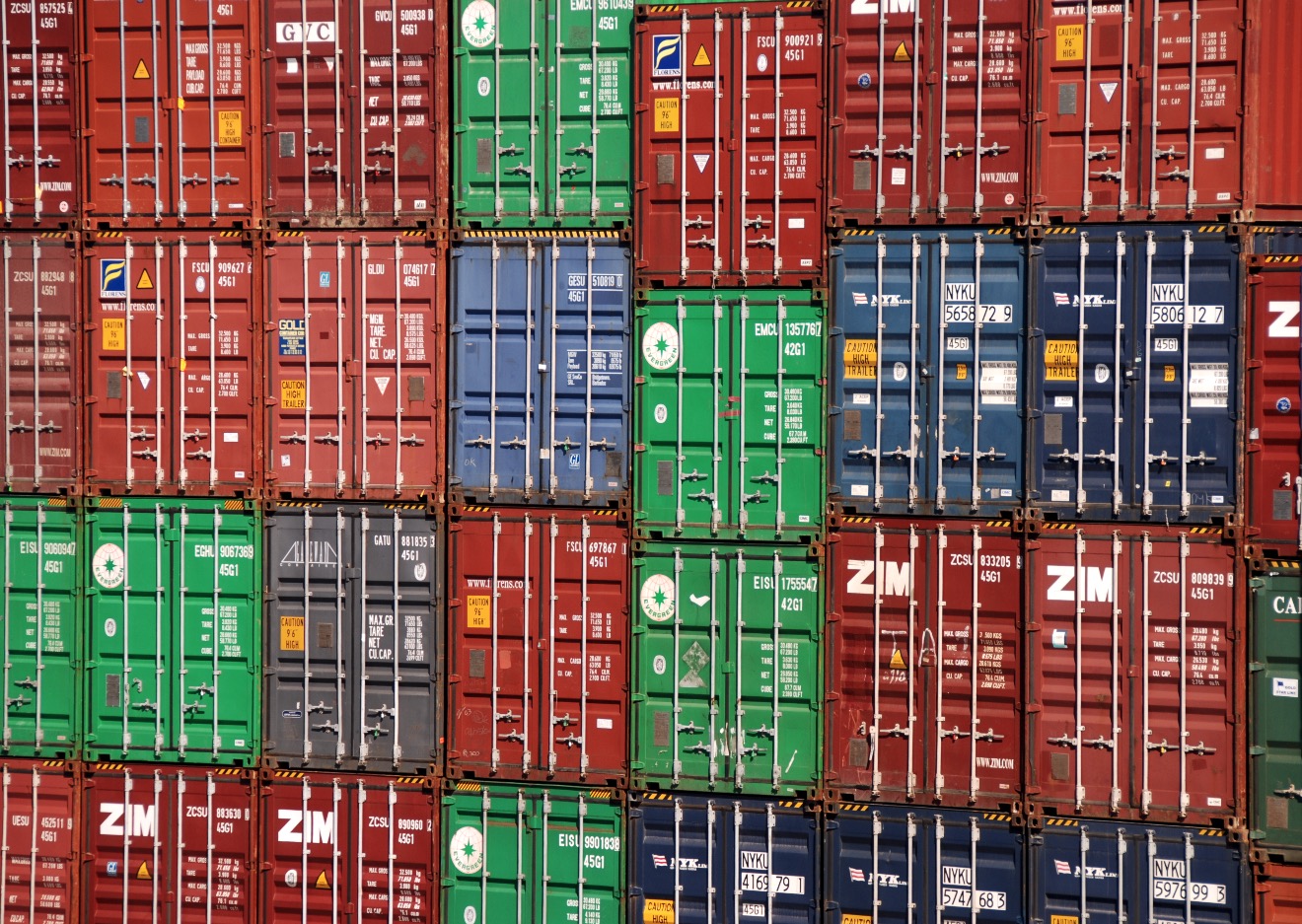 WASHINGTON — The widening conflict in the Middle East following joint U.S.-Israeli strikes against Iran is introducing fresh uncertainty into global markets, with potential downstream effects for furniture importers, who despite relying more heavily on Asia-based sourcing than directly in the region are still exposed to volatility across the global supply chain. Analysts told Reuters that a broader regional conflict could disrupt global trade routes, supply chains and commodity prices, all of which have implications downstream for furniture importers by heaping pressure on both costs and capacity. Three potential effects of the ongoing unrest in the Middle East that could spill over for furniture companies include higher fuel costs and landed container prices, container capacity pressures, and risks and longer-term supply chain strains. Over the longer term, the conflict underscores the need to reassess geographic concentration risk.