 International Pulp Week brought together global market pulp leaders for two days of presentations, market intelligence, and industry dialogue hosted by the Pulp and Paper Products Council. Tim Brown, vice president with PPPC opens and introduced the program before before handing the sessions to day one speaker and moderator Kevin Mason of ERA Forest Products Research, and day two moderator Kelly McNamara of Numera Analytics. Now in its 21st year, IPW remains the premier annual gathering for the market pulp sector — drawing producers, end-users, analysts, and suppliers from across the value chain for a concentrated look at the forces shaping global markets. This year’s program covered an unusually wide range of territory, from geopolitics and macroeconomics to fibre performance, specialty cellulose, bleaching chemicals, carbon capture, and a comprehensive market outlook. For those who missed Tree Frog’s coverage, here are all of our summarized stories.
Day One – May 11, 2026
- The Shifting Landscape with Kevin Mason, ERA Forest Products Research
- A Macro View on Tariffs and Global Markets with Joaquín Kritz Lara, Numera Analytics
- Optimizing Fibre, Elevating Performance with Rodrigo Marchi, Suzano
- Specialty Cellulose: Market Dynamics & Outlook with Christian Chavassieu, CelCo
- Carbon Capture in Pulp & Paper: Monetizing Biogenic CO2 with Jouni Martiskainen, Svante
Day Three – May 12, 2026
- Northern Softwood in TAD Tissue with Ismo Nousiainen, Metsä Fibre
- Global Trends in Bleaching & Pulping with Craig Murphy, Chemical Market Analytics by OPIS
- Making the Right Fibre Choices with Aki Temmes, UPM Fibres
- Tissue and Other End-Uses with Mathieu Wener, Numera Analytics
- China and Asia in Focus with Li Meng, Pulp & Paper Products Council
- Global Pulp Markets: Review and Outlook with Emanuele Bona, Pulp & Paper Products Council
Key takeaways from Vancouver include:
The 2026 program confronted an unusually turbulent global backdrop — the closure of the Strait of Hormuz following the outbreak of conflict in Iran, escalating US trade policy uncertainty, and a global pulp market navigating the dual pressures of Latin American capacity expansion and China’s accelerating shift toward domestic self-sufficiency. Eleven speakers across two days addressed the forces reshaping the industry, from macroeconomics and fibre performance to specialty markets, chemical supply security, carbon capture, and a comprehensive market outlook. …






 Canadian lumber mills are curtailing production, absorbing historic losses, and in some cases closing permanently – all while American competitors operate with a built-in margin advantage engineered by US tariff policy, according to wood market analyst Russ Taylor. …The practical effect is a marketplace that strongly favours US producers. Insulated from import costs, American mills are generating margins that Canadian suppliers cannot access. “The only region really making any money is the US because they’ve got what I call a huge subsidy that they’ve put on importers,” Taylor said. “So they’re gaining the margins that importers aren’t getting.” Those margins have also given US producers room to manoeuvre aggressively on pricing, further cornering their Canadian competitors. “The US mills… know that the Canadians don’t have margins – or they have break-even at best,” Taylor said. Despite the pressure, many Canadian mills have held on far longer than Taylor anticipated.

 European negotiators agreed late on Tuesday to implement the controversial trade agreement concluded last summer with the US. However, the deal — signed in the Scottish city of Turnberry — remains fragile as long as US President Donald Trump continues to use tariffs as a tool of political pressure. Diplomats and MEPs reached an agreement late on Tuesday to implement the contentious EU-US agreement, which eliminates duties on most US industrial goods imported into Europe. …The so-called “Turnberry Agreement,” criticised by MEPs as unbalanced, raises US tariffs on EU goods to as much as 15%. …In the final compromise text, the Commission would be able to suspend the trade agreement — at the request of either Parliament or a member state — if the US fails to lift tariffs on European steel and aluminium products by the end of 2026.
 A group of Democratic senators will issue a set of demands to U.S. Trade Representative Jamieson Greer ahead of a mandatory joint review of the U.S.-Mexico-Canada Agreement this summer. In a letter led by Sen. Tammy Baldwin, D-Wis., 15 Democrats wrote to Greer to “insist that any revised agreement must deliver meaningful and measurable gains for American workers.” The USMCA, struck during President Donald Trump’s first term, is up for review on July 1. While initially touted by Trump as “the fairest, most balanced, and beneficial trade agreement we have ever signed into law,” the president has soured on the pact lately — slapping Mexico and Canada with tariffs during his second term. Greer has also, in testimony to Congress in December, said that “a rubber stamp of the Agreement is not in the national interest,” meaning that significant changes may be required to reapprove the agreement or disapprove and enter into a cycle of yearly reviews.
 The May newsletter has these headlines and more:
 The highly anticipated summit between US President Trump and his Chinese host Xi Jinping has begun – and Europe is watching from a distance. Yet, whatever the outcome is, there is little Brussels can be optimistic about. For Europe, the Trump-Xi summit is not just about US-China relations. It’s about whether the European Union ends up squeezed between two superpowers cutting tactical deals over trade, technology, energy and security – while European interests are treated as secondary (if at all). In fact, Europe might be watching the summit from a lose-lose position. The most immediate concern in Brussels and Berlin is probably nothing less than industrial survival – and it comes in the form of rare earths. …European officials fear a US-China arrangement could prioritize American access to Chinese rare earths while Europe remains vulnerable to shortages and export restrictions — effectively making it collateral damage.


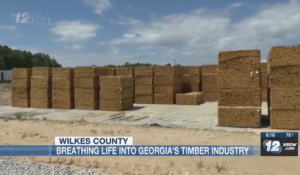 WASHINGTON, Georgia — A sawmill that once stood as the largest east of the Mississippi River in the 1990s has reopened, offering relief to Georgia’s timber industry as it struggles with mill closures, Hurricane Helene damage and recent wildfires. Wilkes Lumber has brought the old mill back online in Washington, a small mill town surrounded by endless pines along Highway 78. The facility is already operating in phase one with about 50 workers, with more hiring expected as phase two comes online in the next few weeks. The mill shut down because of the cost and capability of getting rid of chips, according to Mack Winfrey. …At a time when Georgia’s timber industry is fighting to hold on, Washington is getting back something it lost a quarter-century ago: jobs, a market and a little more hope.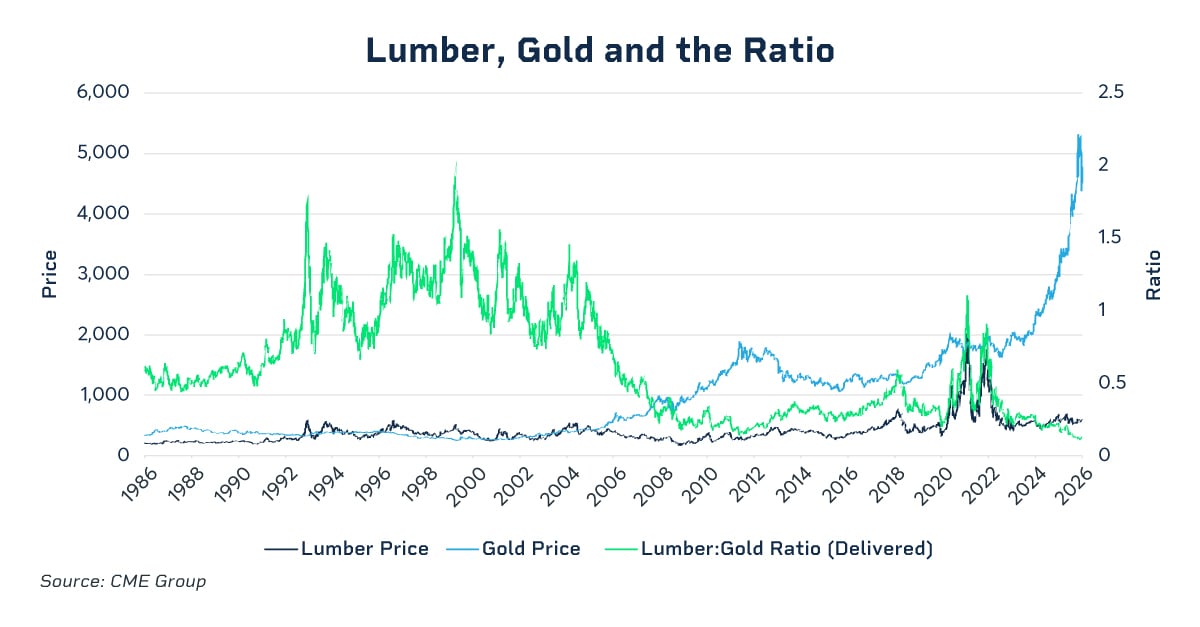
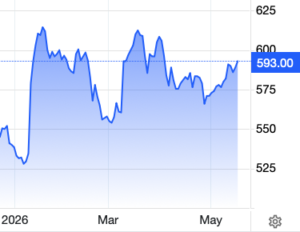 Lumber futures have been trading below $600 per thousand board feet since early April, as weaker consumer sentiment and uncertainty surrounding developments in the Middle East weigh on demand. At the same time, supply constraints in several regions have partially offset the decline in demand. Profitability for Canadian mills remains under pressure from elevated duties and tariffs. The US has recently outlined preliminary antidumping and countervailing duties on Canadian softwood lumber, with the antidumping rate reduced from 20.6% to 10.7% and the countervailing duty trimmed from 14.6% to 14.2%, bringing the combined rate to about 25.9%. Including an existing 10% Section 232 tariff, total effective duties on Canadian imports are expected to remain near 35.9% once they take effect in August. Despite these measures aimed at supporting domestic producers, US sawmill utilisation remains relatively weak at around 64%, with capacity use trending lower since 2017.
 BURNABY, BC — Interfor Corporation recorded a net loss in Q1’26 of $63.3 million, compared to a net loss of $104.6 million in Q4’25 and a net loss of $35.1 million in Q1’25. Adjusted EBITDA was $30.7 million on sales of $643.2 million in Q1’26 versus an Adjusted EBITDA loss of $29.2 million on sales of $600.6 million in Q4’25 and Adjusted EBITDA of $48.6 million on sales of $735.5 million in Q1’25. Highlights include: Lumber production of 856 million board feet was up 103 million board feet versus the preceding quarter driven primarily by higher operating rates at the U.S. Northwest and B.C. operations. Q4’25 production was impacted by temporary production curtailments in response to weak market conditions. Due to weak market conditions and other factors, Interfor indefinitely curtailed operations at its Ear Falls, Ontario sawmill in Q1’26 and at its Nairn and Gogama, Ontario sawmills in April 2026.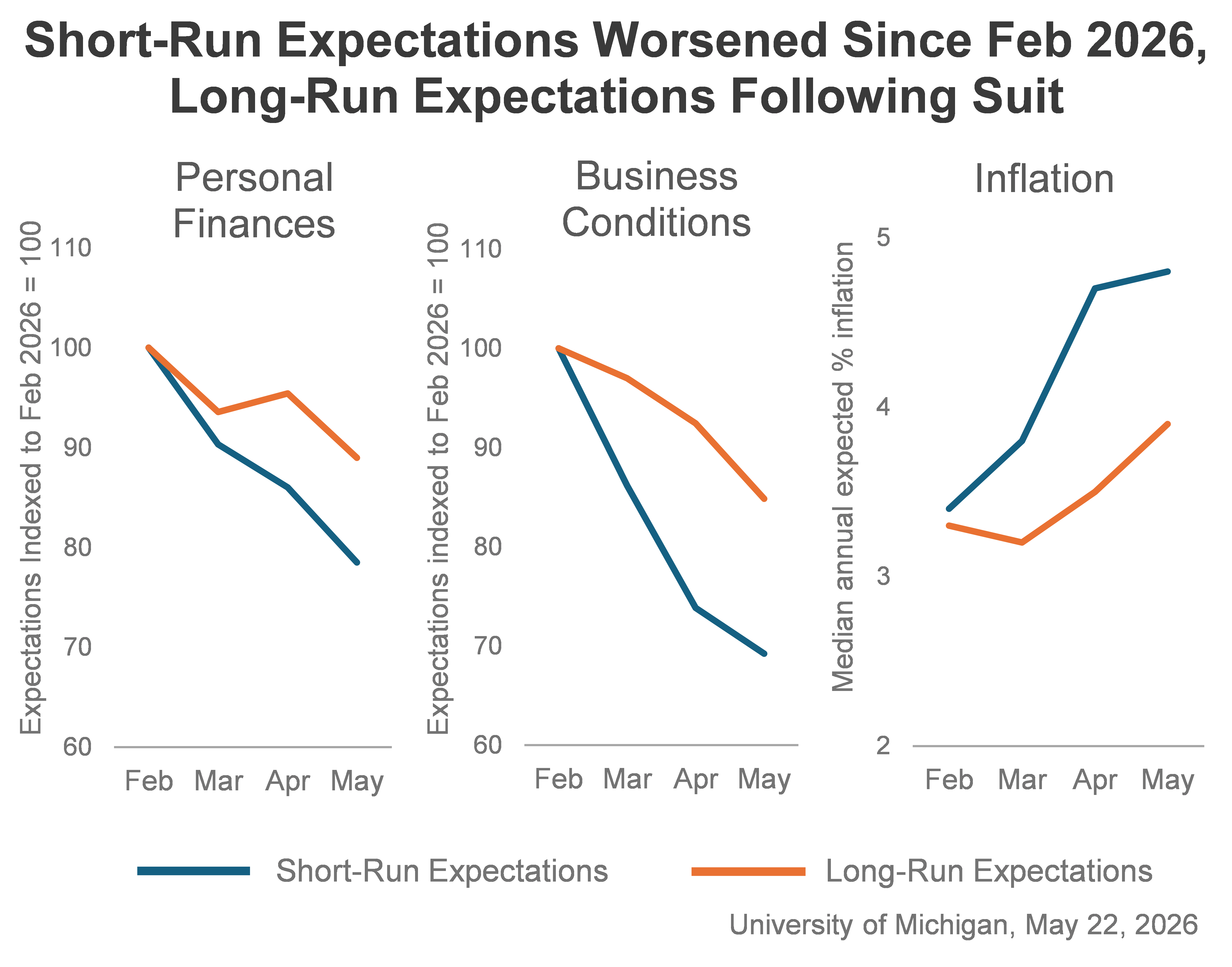
 Mortgage rates this week rose to the highest level since August, more bad news for home shoppers during what is usually the busiest time of the year for home sales. The average rate on a 30-year fixed mortgage rose to 6.51% this week, from 6.36% last week,
 US housing starts declined in April as construction of single-family homes dropped by the most in nearly a year, suggesting builders are growing cautious amid higher mortgage rates. New residential construction decreased 2.8% last month to an annualised rate of 1.47 million homes, according to government figures released on Thursday. Starts of single-family homes declined 9%, the most since August, to an annualised 930,000 pace. Multifamily housing starts, however, rose more than 10% to the highest level since May 2023. The report also showed single-family permits, a leading indicator of future construction, fell 2.6% to the lowest level since August. The figures suggest home builders remain focused on working off a still-elevated inventory of new properties. …Numerous challenges remain for a sustained pickup in home building, including rising mortgage rates, flagging consumer confidence and stretched household budgets.



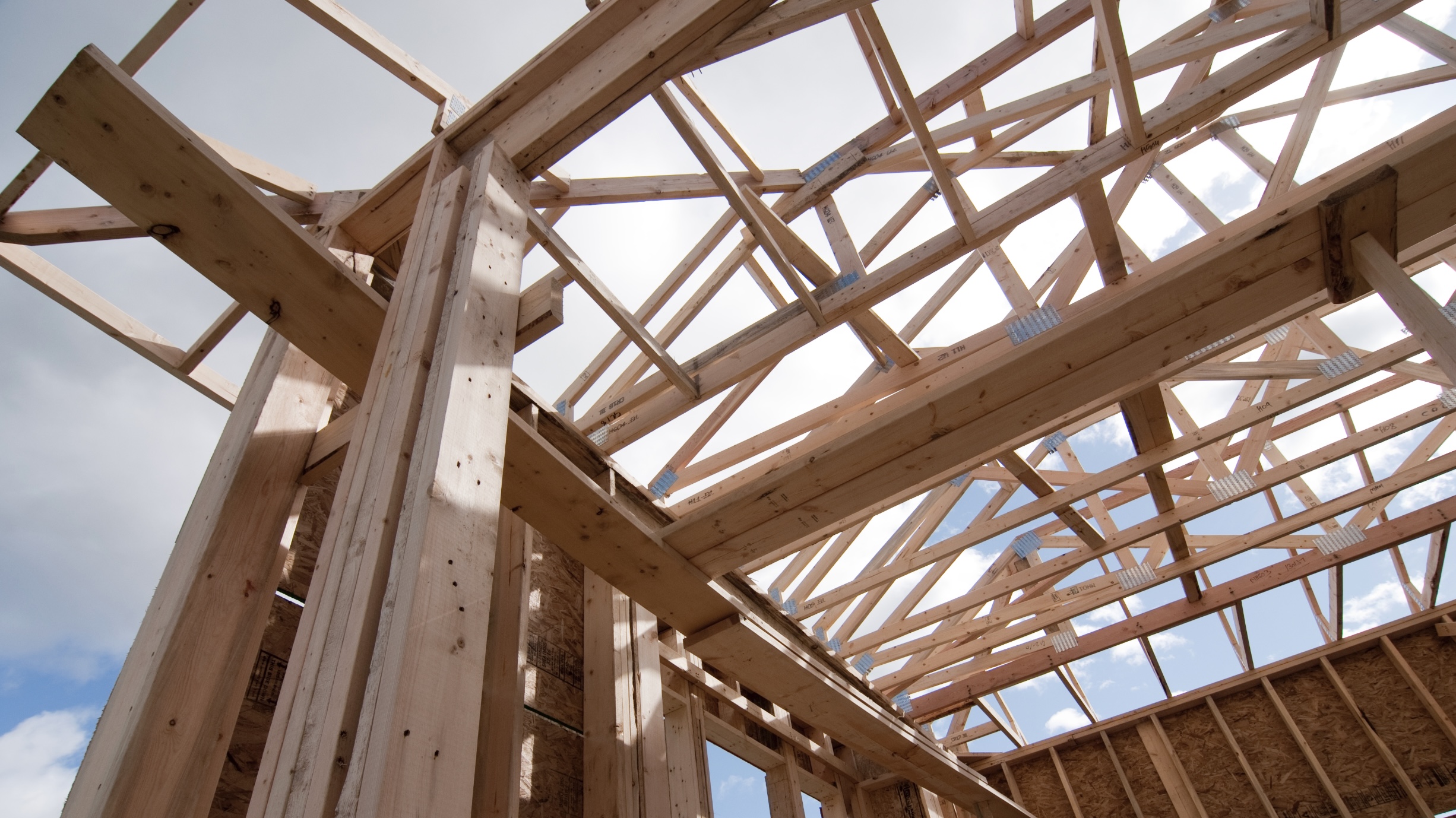 Wood is in most buildings you enter. But how do you know it’s safe? “The work we do at the Forest Products Laboratory is important for everybody’s everyday lives in terms of the buildings we live in, work in, and play in,” said Forest Products Laboratory materials research engineer Laura Hasburgh. Wood may be present in the structural part of the building, such as the wall or ceiling framing. Wood is also used for interior finishes, like trim, doors, furniture and cabinetry. That’s why the safety and durability of wood products are important for everyone—from the businesses making the products to the people using them. However, testing wood materials for durability and resistance to moisture, weight, and fire is largely unaffordable for industry and universities. The Forest Service’s
  U.S. Senator Cindy Hyde-Smith (R-Miss.) encouraged the U.S. Department of Housing and Urban Development to tackle the nation’s housing affordability crisis by helping make mass timber a more mainstream building material. Mass timber usage was one issue discussed at a Senate Transportation, Housing and Urban Development (THUD) Appropriations Subcommittee hearing chaired by Hyde-Smith to review the FY2027 HUD budget request. …Hyde-Smith sought HUD Secretary Scott Turner’s commitment to engage with the U.S. Forest Service, state forest commissions, research universities, and builders to incorporate mass timber in home construction as one means to tackle housing affordability. …”Mass timber multifamily housing is demonstrating an ability to lower construction costs and reduce the time it takes to build, which makes it an ideal approach for helping increase affordable housing production,” Hyde-Smith said.
  At a time when the nation is facing a severe housing shortage, more multistory apartment buildings would offer more homes to more people. And there’s a big added benefit: Residents would be much safer from fires. A new study by
 WASHINGTON, D.C. and OTTAWA, ON — The Sustainable Forestry Initiative (SFI), along with others worldwide, shares the commitment to ensuring the health and resilience of forests. The European Union has identified the
 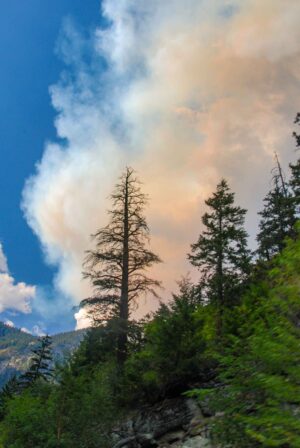 Despite budget cuts and extensive restructuring, the US Forest Service says it is ready to support Canada with any requests for wildfire assistance. The British Columbia Wildfire Service is also prepared to do the same, irrespective of strained trade relations, said BC Minister of Forests Ravi Parmar, who is responsible for the province’s wildfire service. …”Let me be very clear when it comes to fighting fires, we will always be there to support Americans in their time of need.” Parmar said that despite strained trade relations, he expects Americans will respond if called upon for support. …The US and Canada have a long history of supporting one another during difficult fire seasons, but this year the US Forest Service is facing budget cuts and restructuring. …”Any budget changes do not affect our firefighting capacity or limit our ability to provide support under our long-standing agreements,” the US Forest Service said.
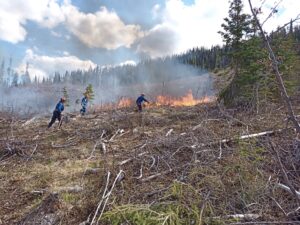 The Forest Service is withholding tens of millions of dollars in wildfire and forestry assistance from states that haven’t signed onto Trump administration directives prohibiting diversity initiatives and climate change programs. As weather forecasters predict an especially severe wildfire season, the Forest Service is in talks with Western states about the holdup on the wildfire mitigation grants and cooperative agreements on forest management, according to state and federal officials. …The new requirements are a particular problem with Democratic-led states, which won’t sign onto the new requirements, in some cases because state laws conflict with the restrictions like the ban on diversity, equity and inclusion programs. But forestry leaders in Idaho have also raised concerns, saying requirements to make sure subcontractors are also following the Trump directives put an undue burden on states. [to access the full story an E&E News subscription is required]
 With Oregon facing what state leaders say could be another difficult wildfire season, questions are emerging about whether major changes inside the U.S. Forest Service could eventually impact how quickly fires are detected and attacked across the West. “All indications suggest a more challenging fire season ahead of all of us,” said Oregon Governor Tina Kotek… The warning comes after a historically warm winter, low snowpack levels, and worsening drought conditions across parts of Oregon. At the same time, the Forest Service is undergoing major national restructuring efforts, including consolidating research facilities and closing its nine regional offices nationwide. …Still, federal firefighters and local fire leaders say they do not expect major disruptions to wildfire response this season. “I think there’s just a growing amount of apprehension about what it’s gonna look like on the ground level in a couple of years’ time,” said Kieran Evans, a squad leader with the Forest Service.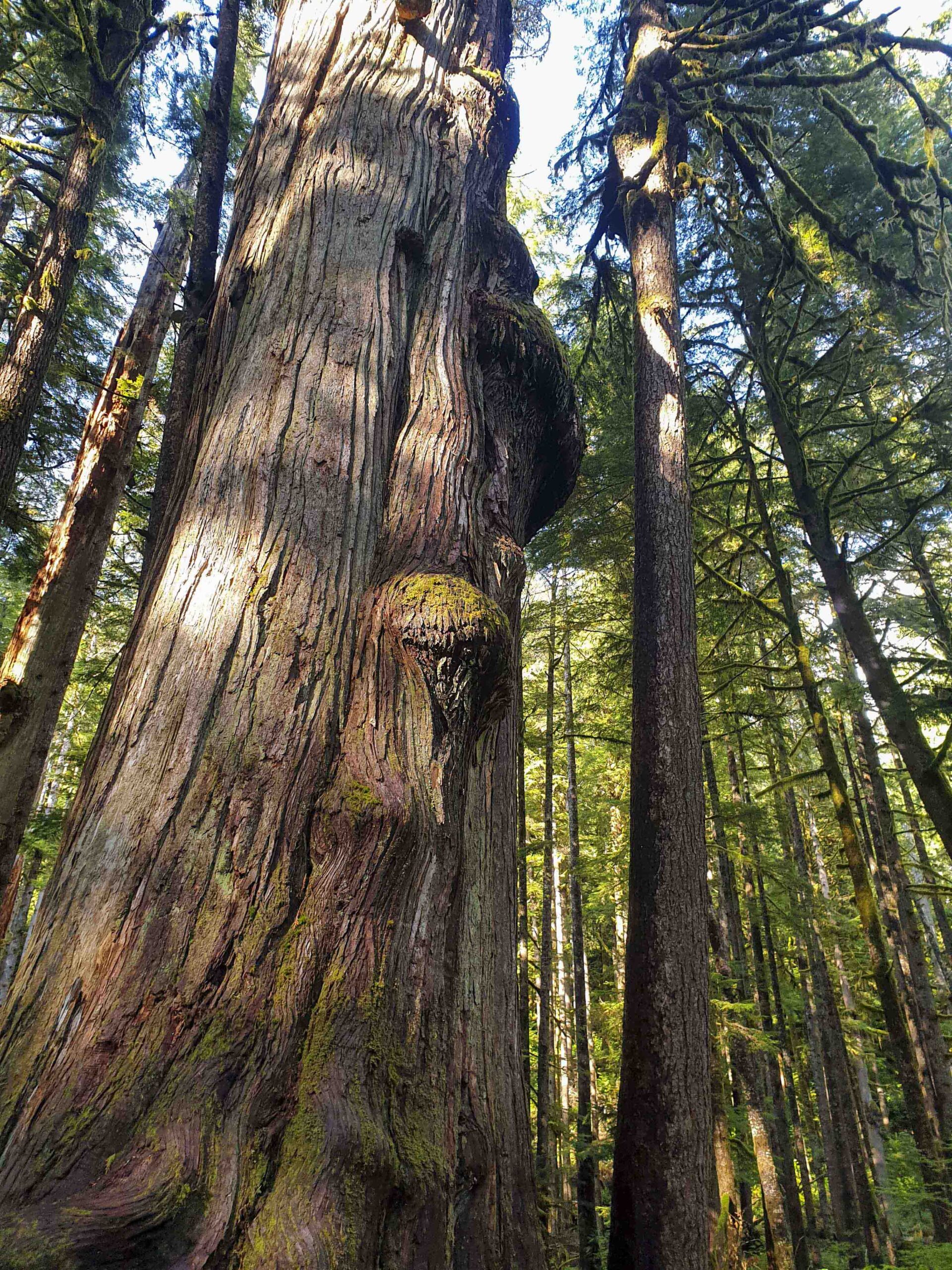
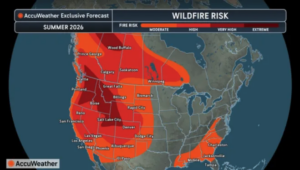 AccuWeather has released its latest outlook on what Oregon could expect for the 2026 fire season, forecasting another active year for wildfires for much of the western half of America. Experts said that 2026 may see fewer fires overall, however, drought conditions, dry vegetation and extreme heat are likely to cause fires to spread more quickly and grow larger before crews are able to contain them, resulting in more land burned. According to the company’s newly released wildfire forecast, between 65,000 and 80,000 wildfires are expected nationwide this year, burning an estimated 5.5 million to 8 million acres. That compares to 77,850 fires that burned 5.1 million acres in 2025. …Forecasters said the highest wildfire risk this year is expected across the Southwest, Rockies, Great Basin and Interior Northwest, including parts of Oregon and Washington. AccuWeather meteorologists said drought and prolonged heat are continuing to intensify wildfire conditions across much of the west.
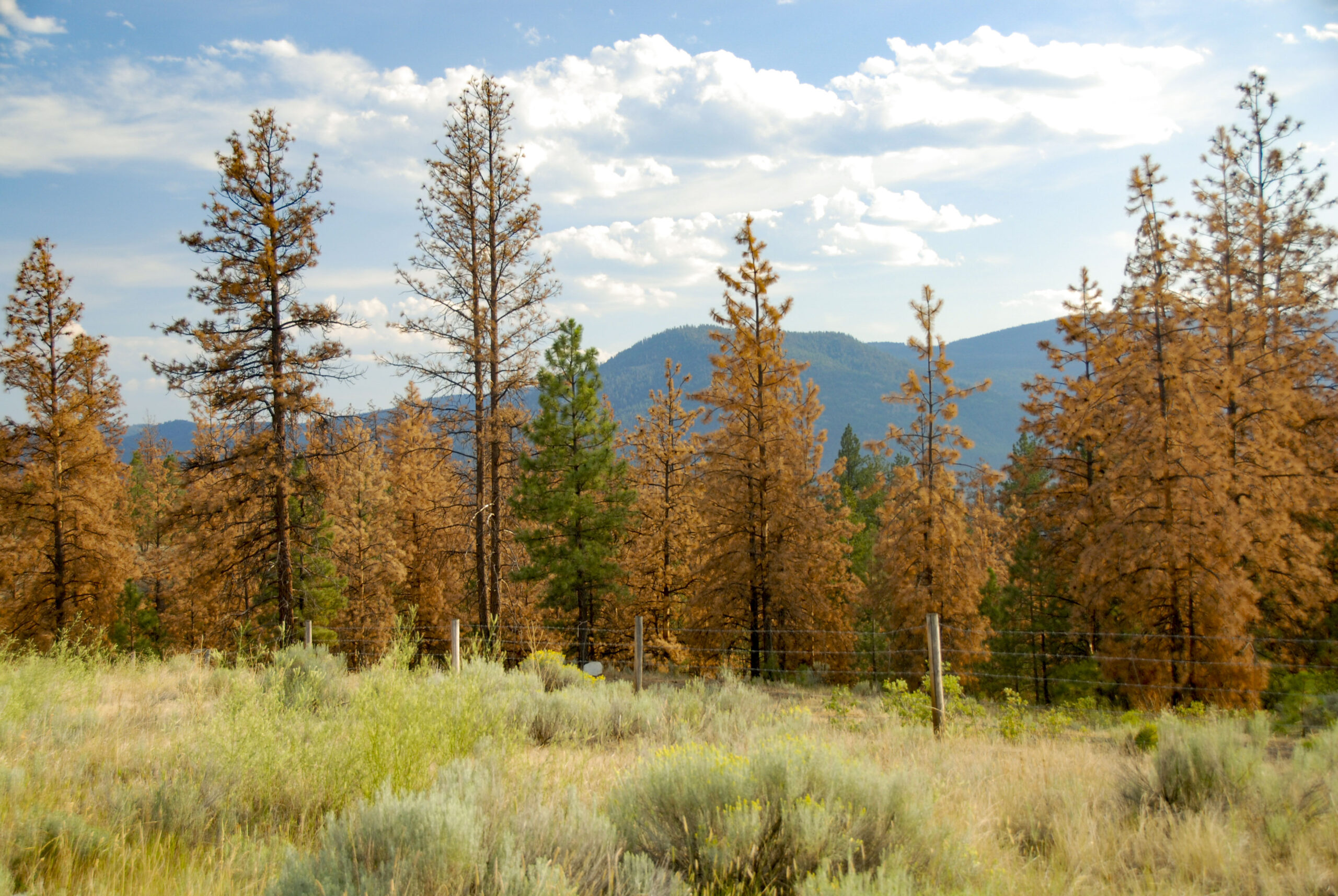 Colorado’s top forest health concern is a mountain pine beetle outbreak on the Front Range that has expanded by nearly 150% from 2024 to 2025, according to a Colorado State Forest Service report. The report shows the continued spread of mountain pine beetles and other forest insects during the second consecutive year of above-average temperatures and below-average precipitation. Trees in forests across Colorado are stressed following a record warm winter and low snowpack, and infestations of bark beetles and western spruce budworm are expected to intensify and expand. “Heat and drought are stressing our forests, turning many areas into tinderboxes and making it harder for trees to fight off bark beetles and other insects,” said Matt McCombs, state forester and director of the CSFS. …Trees killed by drought, insects or disease can potentially alter wildfire behavior should there be ignition from lightning or other sources.

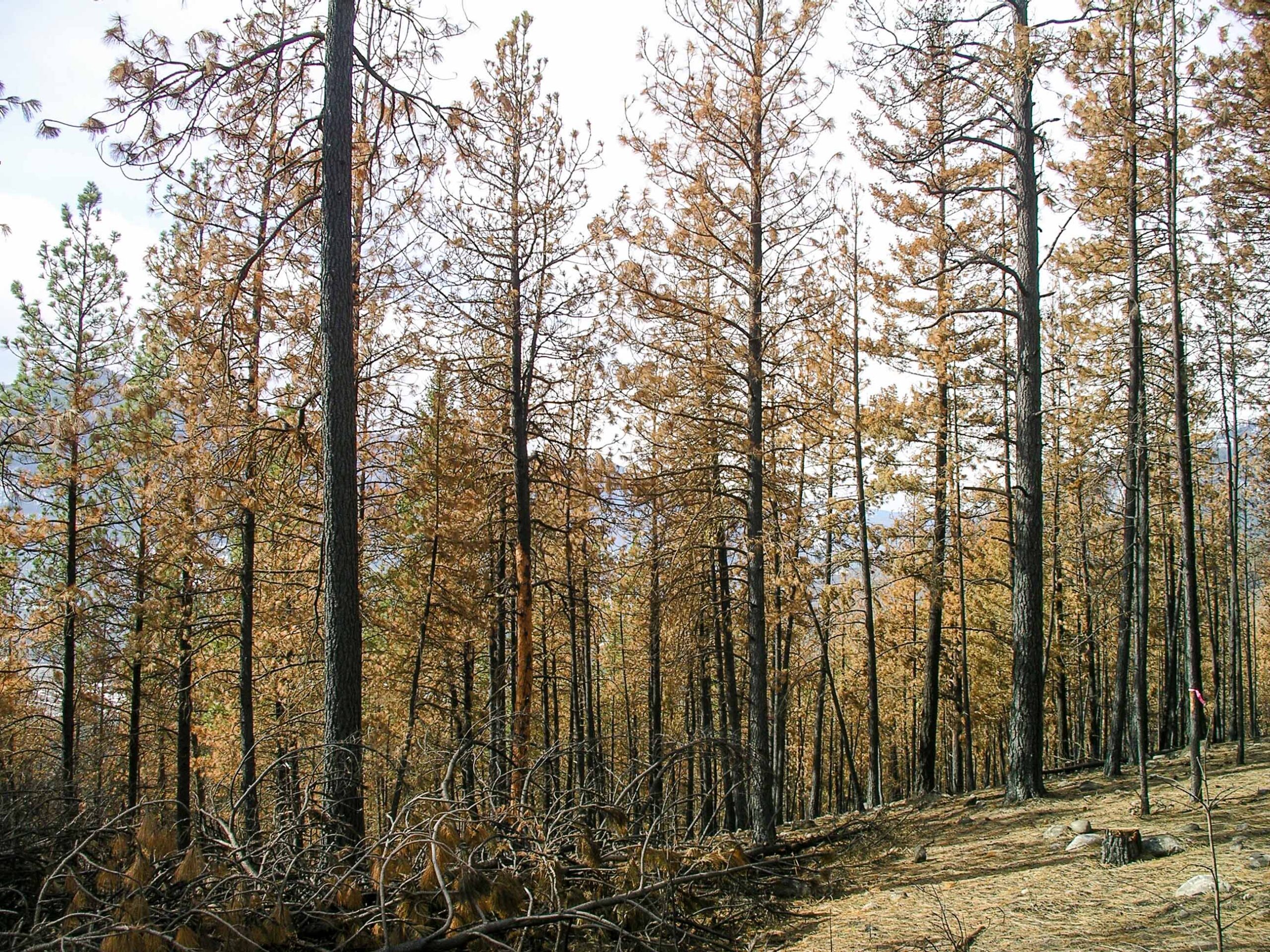 More than 400 mostly small communities throughout the Northwest, including Cave Junction, Glendale and La Pine in southern and central Oregon, are at greater risk of suffering from wildfires and their impacts than previously thought when socioeconomic conditions are factored into risk assessments, new research finds. Researchers from Oregon State University and The Nature Conservancy, with funding from the U.S. Forest Service, conducted a review of wildfire risks in more than 1,000 communities in the region, and applied a social vulnerability index to also account for factors such as household demographics, neighborhood structural density, housing types and local transportation. Nearly half the communities, 459, were shown to be at greater wildfire risk than previously thought. For 541 communities, risk levels declined when socioeconomic factors were considered, indicating public dollars might be better served assisting low-income communities with wildfire prevention than more affluent ones, the researchers suggested.
 …The mild temperatures through the winter and now into spring have resulted in the invasive emerald ash borer maturing faster and emerging weeks earlier than usual, the Oregon Department of Forestry says. Wyatt Williams, an invasive species specialist with the department, confirmed he found one in early May in King City in southeast Washington County, a news release states. …So far there’s no cure for a tree infested with the bugs – they’re a death sentence, the Extension Service says. It can take up to six years for an infested tree to die. …Ash borers normally start emerging from inside tree trunks in early June and into July, Oregon forestry officials say. But that’s changing along with the climate. This past winter was tied with 1934 as the warmest on record in western Oregon, followed by record-breaking or near record-breaking high temperatures this spring, the state said in a statement.
 The Washington State Department of Natural Resources released its annual Forest Health Highlights report on Monday following a 2025 survey season defined by a period of unprecedented structural and administrative challenges. The joint aerial detection survey (ADS) flown by DNR and USDA Forest Service (USFS) staff covered 16.5 million acres of forested land across Washington, accounting for roughly 75% of the 22 million forested acres in the state and the first time since 2021 that a full survey was not completed. …The 2025 ADS recorded some level of tree mortality, defoliation, crown damage, or foliar disease on approximately 391,000 acres – a decrease of more than 150,000 acres from 2024, but certain to be an undercount given limitations of the 2025 survey.
 A new direction in the Tongass management plan gathered more than 300 comments from Southeast Alaskans, who asked the U.S. Forest Service to manage timber and mining, along with recreation, in the forest they call home. The Coeur Alaska Kensington Mine said the revised plan should recognize the Tongass National Forest as a mining district, not solely as a timber or conservation reserve. “The revised Forest Plan should affirm that responsible mineral exploration and development are fully compatible with ecological stewardship, subsistence values, and multiple use when properly planned and regulated,” wrote Steve Ball, general manager of the mine. He also wrote Forest Service’s Roadless Area Conservation Rule prohibitions should not be applied to mining operations. Others criticized the Trump administration and made a plea to protect old-growth forests and the wildlife that live there. Some criticized the Forest Service itself for a rushed process.

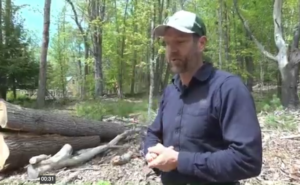
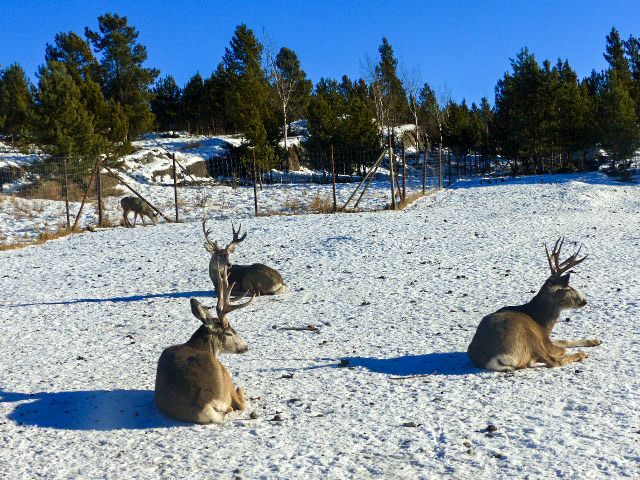 The Trump administration is drastically cutting the budget, and reorganizing the U.S. Forest Service, moving its headquarters and research facilities to western states. In Pennsylvania, four research sites are on the chopping block. As forest ecologist Richard Bowden walks through an old growth section of the Allegheny National Forest, he points toward the ground. It’s barren of young trees. “There’s nothing,” said Bowden, a professor of environmental science and sustainability at nearby Allegheny College. “And that’s because of deer.” Deer overpopulated this area, called Heart’s Content, and much of the Allegheny Plateau, for decades; they eat whatever vegetation they can reach. …While the ideas behind this deer management demonstration might seem simple, it’s taken decades of research to understand the problem, and do the work to actually keep the deer population in balance with the forest.
 El Niño is emerging even faster than expected in the Pacific Ocean and odds are increasing that it could become historically strong — a rare “Super” El Niño — by fall or winter. This is according to a just-released update from NOAA’s Climate Prediction Center that says there is a 2 in 3 chance that El Niño’s peak strength will be strong or very strong. El Niño is a natural climate cycle that happens when the tropical Pacific Ocean warms enough to trigger shifts in wind patterns throughout the atmosphere, which has a ripple effect on weather conditions worldwide. Droughts and heat waves can flourish in some regions, fueling wildfire danger and water supply concerns, while others are swamped by flooding rainfall. El Niño’s far-reaching effects can also stymie the Atlantic hurricane season. On a larger scale, it causes already rising global temperatures from human-caused climate change to spike even higher. Stronger El Niños make all these impacts more likely.
 Three years ago, two big new wood-pellet manufacturing plants were proposed along the Washington coast — the first of their kind in the Pacific Northwest. The British utility Drax planned a facility in Longview next to the Columbia River. Another company, Pacific Northwest Renewable Energy Project (PNWRE), proposed a similar plant in Hoquiam, Grays Harbor County. These plans are now unraveling. Last year, Drax suspended work on its Longview plant, citing weak demand for wood pellets it planned to export to overseas power plants. The year before, Enviva, Drax’s biggest competitor declared bankruptcy… What we’re learning is the wood pellet industry can’t compete without extensive subsidies. …These adverse economic headwinds should serve as a warning sign… Most likely, the project will fail economically, saddling Grays Harbor with a costly cleanup project instead of providing the promise of new jobs or local revenue. It would be better to cut our losses now — before this doomed project is built. [A Seattle Times subscription is required for full access]
 The Louisiana House of Representatives on May 13 voted unanimously to approve a bill that aims to benefit the state’s wood pellet manufacturing industry. Also on May 13, the bill reported favorably out of the Senate Committee on Commerce, Consumer Protection and International Affairs. The legislation now awaits action from the Louisiana Senate. The bill, HB 670, was introduced in late February by state Rep. Charles Owen and amended twice as it moved through House committees. It aims to benefit the state’s wood pellet manufacturing industry by streamlining permitting, developing a skilled workforce and facilitating the efficient transportation and export of wood pellets. The bill, as amended, allows Louisiana Economic Development, a cabinet-level agency focused on business growth, to support the recruitment, retention, and expansion of wood pellet manufacturing facilities in this state within existing statutory authority and subject to the availability of funds.


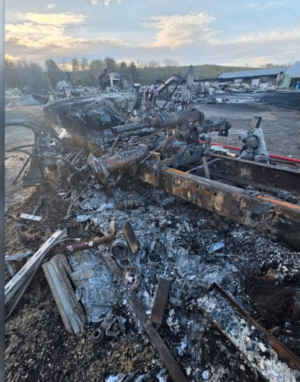 MAINE — According to the Fire Marshal’s Office, multiple departments sustained damage to their fire trucks and equipment during the Searsmont incident, impacting departments that are already limited on resources. “Seeing the ploom of black smoke, it immediately puts a lump in your throat,” said Belmont Fire Chief Ron Harford, as he reflected on Friday’s fire and explosion at Robbins Lumber. In the aftermath of the Searsmont fire, the Belmont Fire Department is supporting injured firefighter Katherine Paige and navigating the loss of a critical tank truck. …”Searsmont’s going to be hugely affected because they’ve lost two of their immediate mutual aid town’s trucks, plus their tank truck,” said Harford. On top of that, Chief Harford says the department lost between $50 to $60 thousand worth of equipment that was on the truck. …”Mr. Cross [Fallen Firefighter Andrew Cross] is our biggest loss. He was a tremendous firefighter a tremendous person,” said Harford.
 MAINE – Fires and explosions have long been threats to Maine’s lumber and paper mills. In April 2020, a pulp digester exploded at the Androscoggin Mill in Jay. Some people were treated for respiratory issues, but no casualties were reported. The paper mill closed permanently in 2023. At Irving Forest Products in Dixfield, an explosion and fire in May 2021 damaged a machine used to move wood chips. No injuries were reported in either incident. “The fuel load at a lumber mill is exceedingly high,” said James Graves, director of the Maine Fire Service Institute, which provides and certifies firefighter training programs. “There are so many variables, they happen regularly all over the state and beyond.” But Graves said relatively few are as tragic as the fiery explosion at Robbins Lumber Inc. in Searsmont that injured 12 people and killed Andrew Cross, 27, a member of the Morrill Volunteer Fire Department. Eight were still hospitalized Tuesday.
 GEORGIA — Residents of a Port Wentworth neighborhood believe chemical dust from a nearby International Paper mill is causing health concerns and property damage. Many residents reported shared health symptoms, including sinus issues, burning eyes and coughing. Despite resident complaints and visible white powder on cars and homes, the Georgia Environmental Protection Division has not found the mill in violation of its permits. …The Savannah Morning News collected dust scraped off of one resident’s car about 700 feet from the mill and sent it to third-party lab Eurofins for testing. Eurofins stated that most of the sample was likely calcium carbonate, a white to tan odorless powder, a major component of lime mud. The International Paper mill generates lime mud, according to its operating permit. …The North Carolina Department of Environmental Quality (DEQ) confirmed that the dust contained calcium, and narrowed down the likely culprit to the mill’s lime kiln.
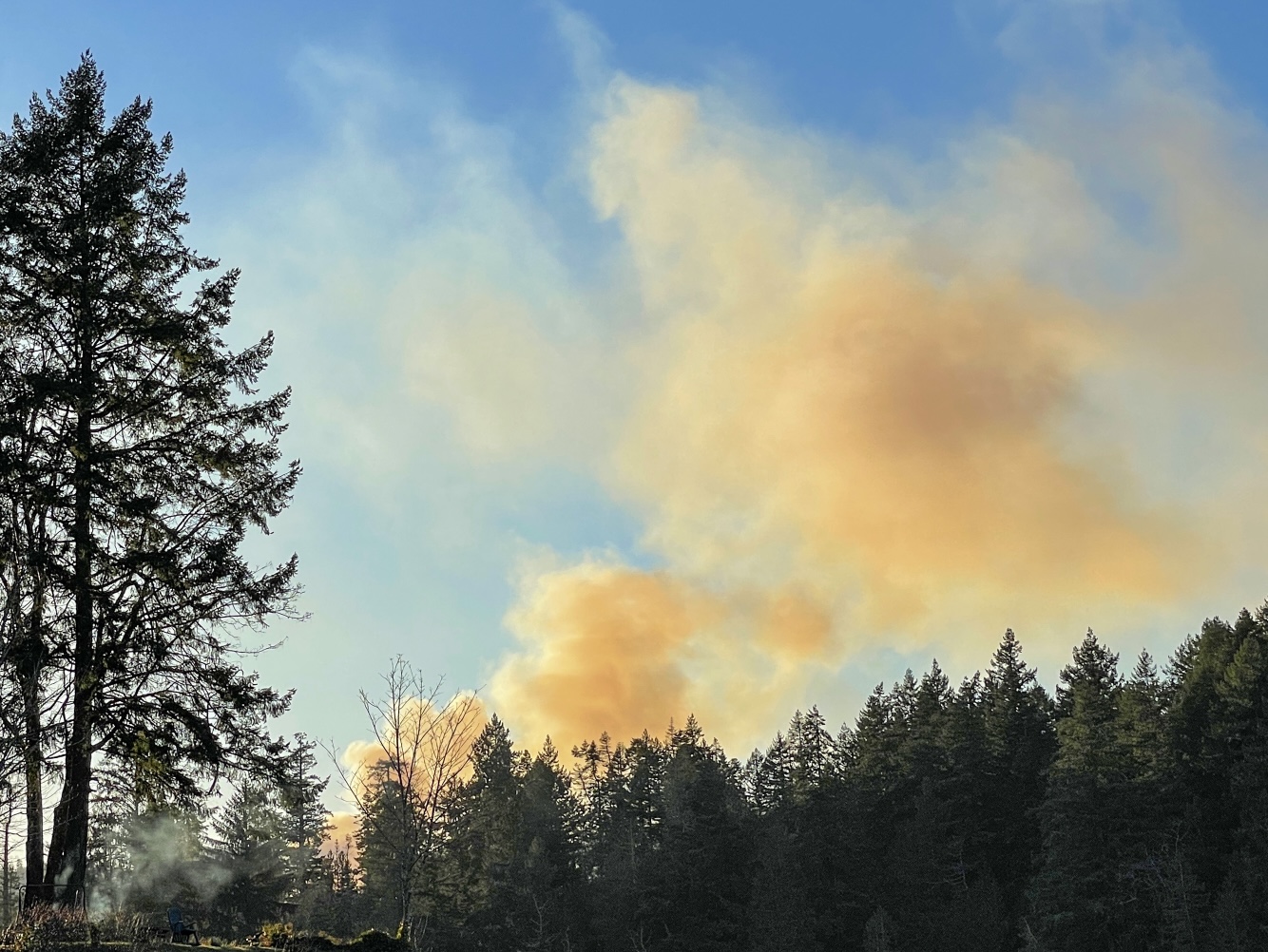 ALBUQUERQUE, N.M. — A fast-growing wildfire sparked by the fatal crash of a small medical plane outside Ruidoso, New Mexico, has triggered evacuations for a rural area north of the Capitan Mountains and closures in the Lincoln National Forest, officials said Monday. The plane was en route from Roswell Air Center to Sierra Blanca Regional Airport when it crashed before dawn Thursday, killing the four people aboard. They were identified as pilots Keelan Clark and Ali Kawsara with the company Generation Jets and flight nurses Jamie Novick and Sarah Clark with Trans Aero MedEvac. …The wildfire grew rapidly over the weekend amid dry and windy conditions, nearly doubling in size between Sunday and Monday morning to more than 19 square miles (50 square kilometers). It was burning out of control in a sparsely populated area despite the efforts of more than 600 firefighters from the U.S. Forest Service, the Bureau of Land Management and several interagency Hotshot crews.